Viral Infections: What To Know About Symptoms And Care
Understand causes, symptoms, treatments, and prevention of viral infections for better health management.
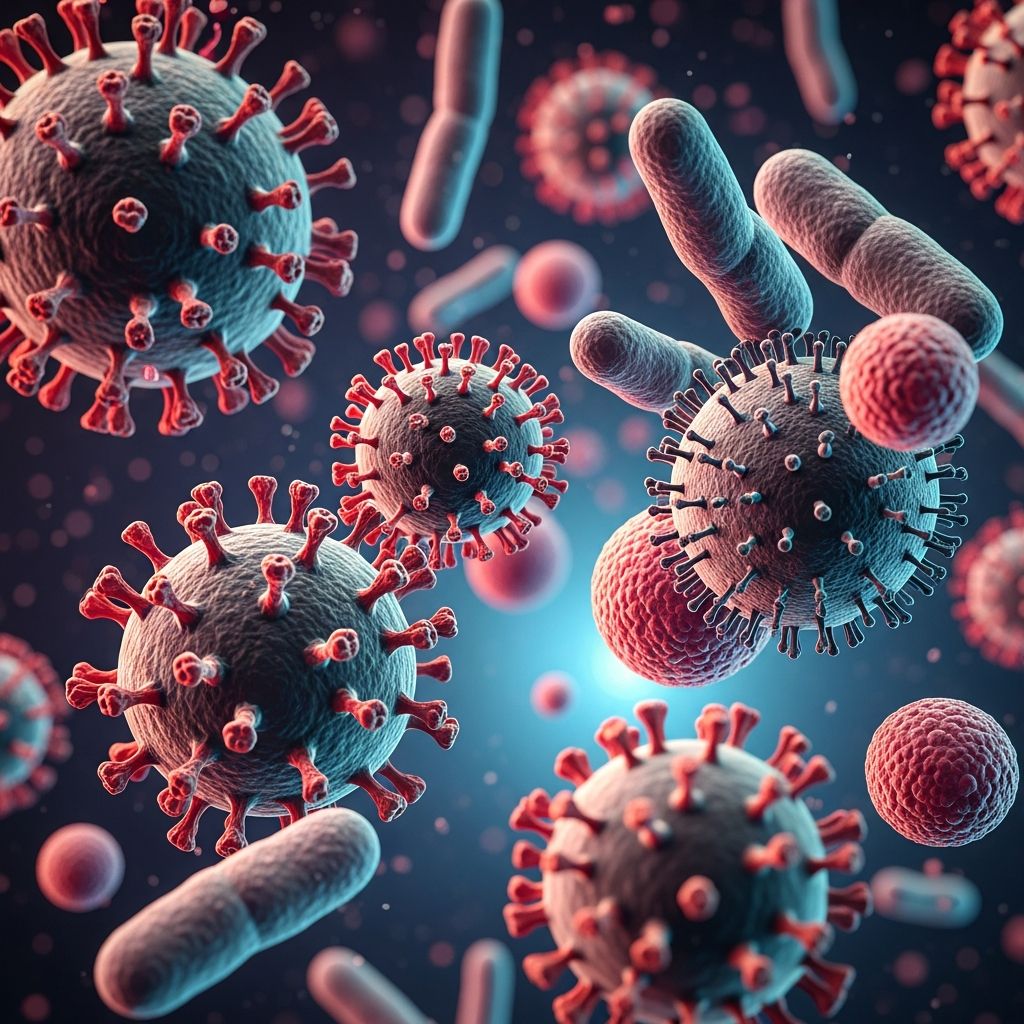
Viral infections represent a major category of illnesses that affect millions annually, primarily through the respiratory system but also other body areas. These infections arise when viruses invade cells, using them to replicate and spread, often leading to self-limiting conditions that resolve with immune response support.
Understanding the Nature of Viruses
Viruses differ fundamentally from bacteria as they are not independent organisms but tiny infectious agents requiring host cells to multiply. This replication process triggers immune reactions manifesting as various symptoms. Common entry points include the respiratory tract via inhaled droplets or direct contact with contaminated surfaces.
Unlike bacteria, which can be targeted by antibiotics, viruses evade such treatments because they lack cell walls and metabolic processes antibiotics disrupt. Most cases clear naturally within 3-14 days, though some persist or lead to complications requiring intervention.
Prevalent Types of Viral Illnesses
Respiratory viruses dominate everyday infections. Key examples include:
- Common cold (rhinovirus-driven): Affects upper airways, widespread year-round.
- Influenza (flu): Targets both upper and lower respiratory areas, seasonal peaks.
- Other notables: Measles, mumps, glandular fever impacting glands and systemic functions.
Beyond lungs and throat, viruses cause issues like pneumonia, sinusitis, or bronchitis as primary or secondary effects.
Recognizing Symptoms Across Infection Stages
Symptoms vary by virus and affected site but often overlap. Early signs mimic general malaise, progressing based on invasion depth.
| Symptom Category | Common Manifestations | Associated Viruses |
|---|---|---|
| Upper Respiratory | Runny/blocked nose, sneezing, sore throat | Rhinovirus, early flu |
| Systemic | Fever, fatigue, body aches, chills | Influenza, measles |
| Lower Respiratory | Cough (dry/persistent), wheezing, chest pain | Flu complications, RSV |
| Gastrointestinal | Nausea, vomiting, diarrhea | Norovirus, rotavirus |
| Skin/Other | Rash, swollen glands | Measles, mumps |
Severity escalates in vulnerable groups: infants, elderly, immunocompromised, potentially causing hospitalization for oxygen support or worse.
Distinguishing Viral from Bacterial Causes
Accurate differentiation guides treatment. Viral symptoms often onset abruptly, peak quickly, then wane over days. Bacterial ones may follow viral phases, featuring purulent discharge, prolonged high fever, or localized pain.
- Viral: Clear runny nose, mild fever, general aches resolving in 7-10 days.
- Bacterial: Thick green/yellow mucus, symptoms >10 days, unilateral facial pain (sinusitis).
Lab tests like PCR or cultures confirm, but clinical assessment suffices for most.
Home-Based Symptom Relief Strategies
Supportive care accelerates recovery and comfort. Core approaches include:
- Hydration and rest: Fluids thin mucus; sleep bolsters immunity.
- Pain/fever reducers: Paracetamol or ibuprofen for aches, headaches.
- Decongestants/lozenges: Pseudoephedrine for congestion, menthol for throat soothing.
- Humidifiers/salt gargles: Moisten airways, reduce irritation.
Avoid antibiotics unless bacterial superinfection suspected; they foster resistance without benefit.
Medical Interventions for Persistent Cases
Antivirals target specific viruses: oseltamivir shortens flu duration if started early; others manage HIV, herpes, hepatitis.
Hospital options for severe cases:
- Oxygen therapy/ventilators for breathing distress.
- IV fluids/electrolytes for dehydration.
- Immune modulators like interferons for sluggish responses.
Related Stories



Post-exposure prophylaxis prevents onset in high-risk exposures (e.g., flu, mpox).
Warning Signs Requiring Professional Care
Monitor for red flags indicating complications:
- Breathing difficulty, rapid pulse, chest pain (pneumonia risk).
- Symptoms >14 days or sudden worsening.
- High fever >3 days, especially in children/elderly.
- Dehydration: dry mouth, reduced urine.
Seek immediate help for infants with lethargy or elderly with confusion.
Preventive Measures to Limit Spread
Hygiene curbs transmission:
- Handwashing: 20 seconds soap/water frequently.
- Vaccinations: Flu, measles, COVID shots reduce severity.
- Masks/distancing: During outbreaks, especially indoors.
- Surface disinfection: Viruses survive hours-days on objects.
Boost immunity via balanced diet, exercise, sleep; avoid smoking which impairs lung defenses.
Special Considerations for At-Risk Populations
Immunocompromised individuals (HIV, chemotherapy) face prolonged courses, needing prophylactics. Pregnant people prioritize flu vaccines; children benefit from RSV immunizations.
Chronic conditions like asthma exacerbate with rhinovirus, triggering attacks.
FAQs on Viral Infections
Can antibiotics treat viral infections?
No, they target bacteria only. Use risks side effects and resistance.
How long do viral symptoms typically last?
3-10 days for most; cough may linger weeks.
Are there vaccines for all common viruses?
No, available for flu, measles, etc., but not colds.
Does vitamin C cure viruses?
It may mildly shorten colds but doesn’t cure; focus on evidence-based care.
When is antiviral medication prescribed?
For high-risk flu/COVID cases if within 48 hours of symptoms.
Long-Term Health Impacts and Outlook
Most recover fully, but some experience post-viral fatigue or recurrent issues. Rare chronic forms (e.g., hepatitis) require ongoing management. Public health emphasizes surveillance to track emerging threats like new variants.
References
- Viral infection – Doctor Care Anywhere — Doctor Care Anywhere. 2023. https://doctorcareanywhere.com/viral-infection
- Virus vs Bacteria: Symptoms and Treatment — Boys Town National Research Hospital. 2023. https://www.boystownhospital.org/knowledge-center/virus-vs-bacteria-symptoms-treatment
- About Rhinoviruses — Centers for Disease Control and Prevention (CDC). 2024-10-17. https://www.cdc.gov/rhinoviruses/about/index.html
- What is the difference between bacterial and viral infections? — healthdirect.gov.au. 2023. https://www.healthdirect.gov.au/bacterial-vs-viral-infection
- Treating Viral Infections — Genetic Science Learning Center, University of Utah. 2023. https://viruses.gslc.utah.edu/treatment
- Viral Infection: Causes, Symptoms, Tests & Treatment — Cleveland Clinic. 2023-12-07. https://my.clevelandclinic.org/health/diseases/24473-viral-infection
- Viral Infection Symptoms — MedlinePlus, U.S. National Library of Medicine. 2023. https://medlineplus.gov/viralinfections.html
Similar Articles








Read full bio of medha deb