Viral Rash: Pictures, Causes, and Treatment
Discover common viral rashes, their causes, symptoms, treatments, and when to seek medical help for effective management.
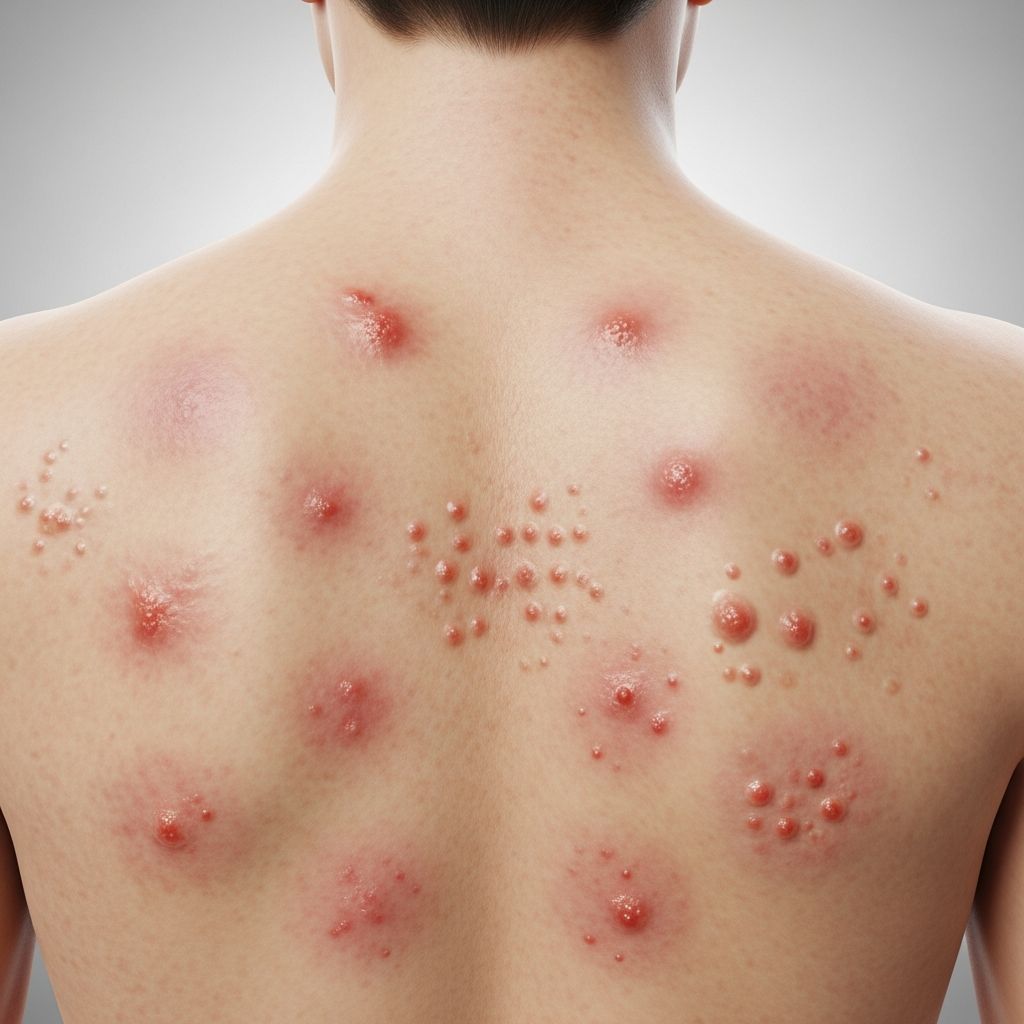
Viral rashes, also known as viral exanthems, are common skin eruptions triggered by viral infections, often accompanied by fever, fatigue, and other systemic symptoms. These rashes affect both children and adults, appearing as red spots, bumps, blisters, or flat patches that can itch, sting, or cause discomfort. While most resolve on their own without specific treatment, identifying the underlying virus is crucial for management and preventing spread.
Viruses like varicella-zoster (chickenpox and shingles), parvovirus B19 (fifth disease), human herpesvirus 6 (roseola), and others cause these rashes. They spread through respiratory droplets, bodily fluids, or contact with lesions. Early recognition helps distinguish viral rashes from bacterial or allergic ones, guiding appropriate care.
Symptoms of Viral Rash
Viral rashes typically present with widespread skin changes alongside flu-like symptoms. Common signs include itchy or irritated skin, flat or raised lesions, fever, headache, sore throat, loss of appetite, and fatigue. The rash’s appearance varies by virus and progresses over days, often starting on the trunk or face before spreading.
- Itchy, red, or irritated skin: Most rashes cause mild to severe itching, worsened by heat or sweat.
- Flat or raised lesions: Spots, bumps, blisters, or blotches on pale skin; pink, purple, or grayish on darker tones.
- Fever: Often precedes the rash, lasting 3-5 days in conditions like roseola.
- Other symptoms: Headache, joint pain, cough, conjunctivitis, or lymphadenopathy (swollen lymph nodes).
On darker skin tones, rashes may appear less red and more purple, brown, or gray, making visual identification challenging. Always consider texture and associated symptoms for diagnosis.
Common Types of Viral Rashes
Several viruses produce characteristic rashes. Below are the most prevalent, with descriptions suited to various skin tones.
Chickenpox (Varicella)
Chickenpox, caused by the varicella-zoster virus, features itchy red spots evolving into fluid-filled blisters that crust over. It starts on the chest and spreads body-wide, appearing white or gray blisters on darker skin. Highly contagious via airborne spread or lesion contact, it’s now rarer due to vaccination but outbreaks occur in unvaccinated groups.
Symptoms: Fever, loss of appetite, headaches, fatigue. Blisters in various stages (crops) distinguish it. Duration: 5-10 days.
Shingles (Herpes Zoster)
Shingles reactivates dormant chickenpox virus in adults, causing a painful, unilateral rash in a dermatomal (band-like) pattern. Red patches become blisters on pale skin; darker tones show purple or darker spots. Pain, tingling, or burning precedes it.
Symptoms: Fever, headache, sensitivity to touch. Risk factors: Age over 50, weakened immunity. Antivirals like acyclovir shorten duration if started early.
Fifth Disease (Erythema Infectiosum)
Parvovirus B19 causes the classic “slapped cheek” rash on the face—bright red on light skin, purplish on brown/Black skin—spreading to a lacy pattern on trunk and limbs. Mild fever and joint pain precede it; rash lasts 2-4 weeks, recurring with heat/sun.
Symptoms: Low-grade fever, headache, runny nose, nausea. Common in school-age children; pregnant women should avoid exposure due to fetal risks.
Roseola Infantum (Sixth Disease)
Human herpesvirus 6 or 7 triggers high fever (3-5 days) in infants 6-24 months, followed by a pink, flat maculopapular rash on trunk spreading outward. Less visible on darker skin; non-itchy.
Related Stories



Symptoms: Sudden fever resolution signals rash onset; irritability, eyelid swelling possible.
Hand, Foot, and Mouth Disease (HFMD)
Coxsackievirus or enterovirus causes painful red spots or blisters on hands, feet, mouth, buttocks. Vesicles may ulcerate; appears as grayish on darker skin.
Symptoms: Fever, sore throat, malaise. Highly contagious in daycare settings; resolves in 7-10 days.
Other Viral Rashes
- Mononucleosis (Mono): Epstein-Barr virus leads to measles-like pink bumps on trunk/face; harder to see on dark skin. Spread via saliva.
- Rubella (German Measles): Fine pink rash starting on face; low fever, sore throat.
- Measles: Koplik spots in mouth precede blotchy rash.
- Zika: Maculopapular itchy rash with fever, conjunctivitis.
- Gianotti-Crosti Syndrome: Skin-colored papules on face/legs post-viral infection.
How to Identify a Viral Rash
Diagnosis relies on history, physical exam, and sometimes blood tests or PCR for confirmation. Key identifiers:
- Pattern and progression: Symmetric (e.g., fifth disease) vs. dermatomal (shingles).
- Skin tone variations: Use palpation for texture; rashes feel raised even if color subtle.
- Associated symptoms: Fever timing (pre- vs. post-rash) differentiates roseola from others.
| Viral Rash | Appearance on Pale Skin | Appearance on Darker Skin | Key Feature |
|---|---|---|---|
| Chickenpox | Red spots to blisters | Gray/white blisters | Crops of lesions |
| Fifth Disease | Slapped cheeks, lacy | Purple cheeks, lacy | Recurs with heat |
| Roseola | Pink flat spots | Subtle pink/gray | Post-fever |
| Shingles | Red band, blisters | Purple band | Painful, one-sided |
| HFMD | Red spots on extremities | Gray vesicles | Mouth sores |
Treatment for Viral Rash
No cure targets the rash directly; focus symptom relief and virus support. Most self-limit in 1-2 weeks.
- Fever/pain relief: Acetaminophen or ibuprofen (avoid aspirin in kids due to Reye’s syndrome).
- Itch relief: Oatmeal baths, calamine lotion, cool compresses. Antihistamines like diphenhydramine for severe cases.
- Skin care: Loose clothing, fragrance-free moisturizers; keep nails short to prevent scratching.
- Antivirals: Acyclovir for shingles/chickenpox in high-risk patients.
- Hydration/rest: Essential for recovery.
Home Remedies for Viral Rash
Safe home strategies soothe discomfort:
- Cool baths: With baking soda or colloidal oatmeal to calm itching.
- Aloe vera: Pure gel for soothing inflammation.
- Honey (over 1 year): Topical for wounds; antiviral properties.
- Diet: Hydrating foods, vitamin C-rich fruits for immunity.
- Avoid: Hot showers, irritants, tight clothes.
Prevention of Viral Rashes
Vaccines prevent many: MMR (measles, mumps, rubella), varicella (chickenpox), shingles (for 50+). Hygiene—handwashing, covering coughs—curbs spread. Isolate contagious cases until lesions crust/heal.
When to See a Doctor for a Viral Rash
Seek care if: Rash spreads rapidly, painful, >1 week duration, signs of infection (pus, swelling), high fever >5 days, breathing issues, dehydration, or in infants/pregnant/immunocompromised.
Is a Viral Rash Contagious?
Yes, most are during active viral shedding—before/during rash. Chickenpox contagious 1-2 days pre-rash to crusting; fifth disease until fever gone. Wait for full healing before close contact.
Frequently Asked Questions (FAQs)
What does a viral rash look like?
A viral rash appears as red/pink spots, bumps, blisters, or lacy patterns, varying by virus and skin tone. It often itches and accompanies fever.
How long does a viral rash last?
Typically 3-10 days, though fifth disease rash may linger 2-4 weeks.
Can adults get viral rashes?
Yes, shingles common in adults; others like mono or fifth disease occur across ages.
Does COVID-19 cause a viral rash?
SARS-CoV-2 can cause rashes like maculopapular or vesicular eruptions in some cases.
Can viral rashes be treated with antibiotics?
No, antibiotics ineffective against viruses; used only for secondary bacterial infections.
References
- Viral rash: Types, symptoms, and treatment — Medical News Today. 2023-05-12. https://www.medicalnewstoday.com/articles/326462
- Viral Exanthems Rashes — Children’s National Hospital. 2024-01-15. https://www.childrensnational.org/get-care/health-library/viral-exanthems-rashes
- Viral Exanthem Rashes In Children — Dr. Green Mom. 2023-08-20. https://drgreenmom.com/viral-exanthem-rashes-in-children/
- Febrile Illness with Skin Rashes — PMC – PubMed Central – NIH. 2015-10-07. https://pmc.ncbi.nlm.nih.gov/articles/PMC4607768/
- Viral Rash in Children: Care Instructions — Kaiser Permanente. 2024-03-10. https://healthy.kaiserpermanente.org/health-wellness/health-encyclopedia/he.viral-rash-in-children-care-instructions.acd7520
Similar Articles








Read full bio of medha deb