Viral Skin Infections: 6 Common Types, Symptoms, Treatments
Comprehensive guide to viral skin infections: causes, symptoms, diagnosis, treatment, and prevention strategies for common conditions.
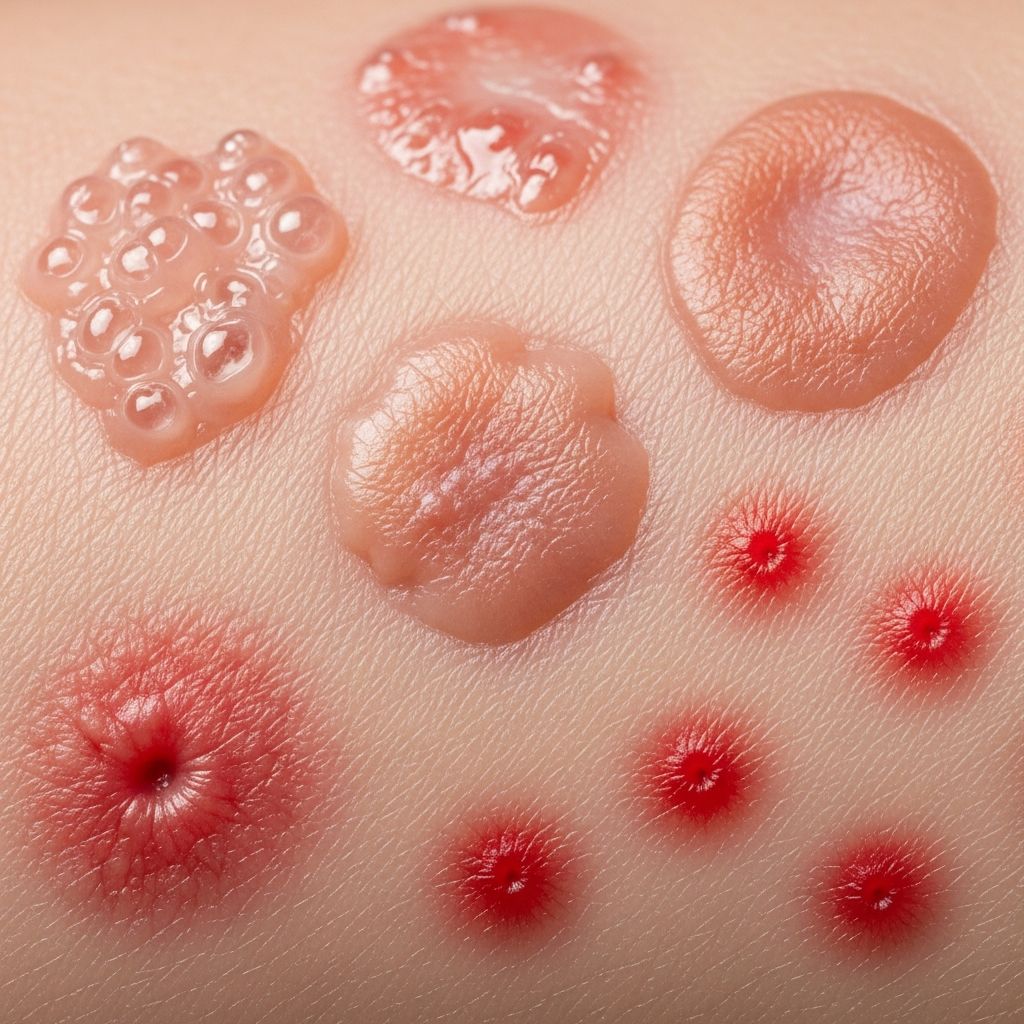
Viral skin infections are caused by a wide range of viruses that invade the skin, leading to diverse clinical presentations from localized lesions to widespread rashes. These infections are highly contagious and spread through direct contact, fomites, or airborne routes, affecting individuals of all ages but particularly children and immunocompromised patients. Unlike bacterial infections, which respond to antibiotics, viral skin conditions often resolve spontaneously but may require supportive care or antivirals to manage symptoms and prevent complications.
What are viral skin infections?
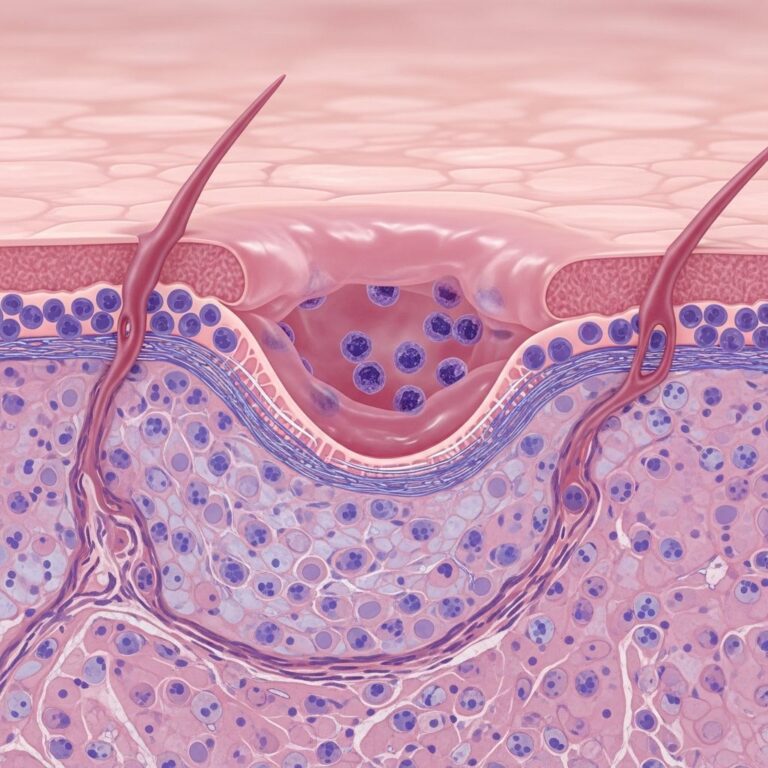
Viral skin infections occur when viruses breach the skin’s protective barrier, replicating in epithelial cells and causing characteristic lesions such as vesicles, papules, or plaques. Common virus families include Herpesviridae (HSV, VZV), Papillomaviridae (HPV), and Poxviridae (molluscum contagiosum virus). These infections can be primary or recurrent, with systemic symptoms like fever, malaise, or lymphadenopathy in severe cases. Transmission typically happens via skin-to-skin contact, shared items, or respiratory droplets, emphasizing the need for hygiene.
Who gets viral skin infections?
Anyone can contract viral skin infections, but risk factors include young age, immunosuppression (e.g., HIV, chemotherapy), crowded living conditions, and poor hygiene. Children are prone to varicella and molluscum due to close contact in schools, while adults experience recurrences of herpes simplex or shingles from latent virus reactivation. Athletes in contact sports and travelers to endemic areas face higher exposure.
What causes viral skin infections?
Viral skin infections stem from DNA or RNA viruses targeting keratinocytes or dermal structures. Key causative agents include:
- Herpesviruses: HSV-1/2 (cold sores, genital herpes), VZV (chickenpox, shingles), CMV, EBV.
- Papillomaviruses: HPV types causing common, plantar, and genital warts.
- Poxviruses: Molluscum contagiosum virus (MCV).
- Picornaviruses: Coxsackievirus (hand, foot, mouth disease).
- Paramyxovirus: Measles virus.
Entry occurs through microabrasions, with incubation periods varying from days (HSV) to weeks (warts).
What are the clinical features of viral skin infections?
Clinical features vary by virus but often include pruritic or painful eruptions:
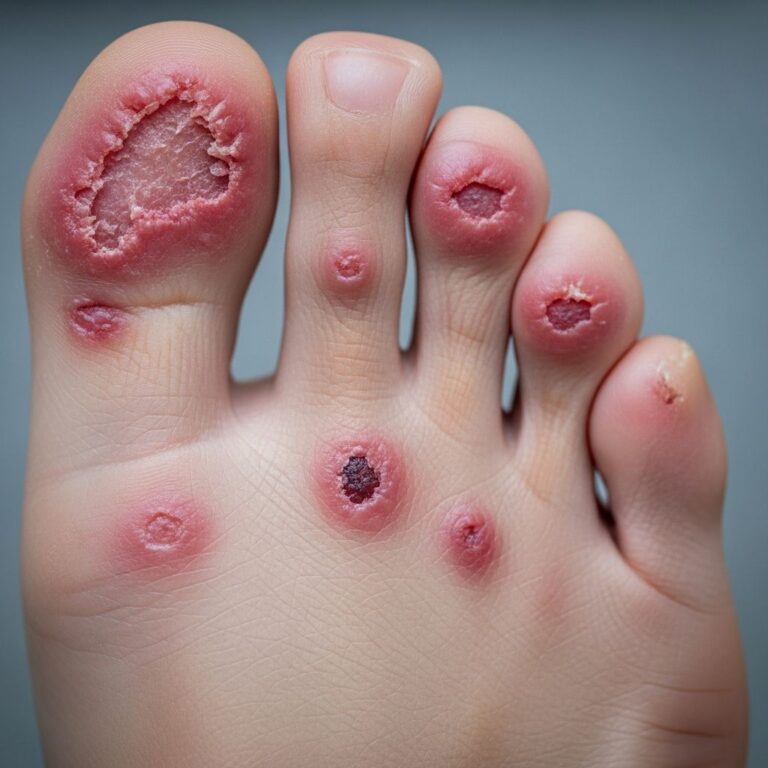
- Herpes simplex: Grouped vesicles on erythematous base, progressing to ulcers and crusts; prodrome of tingling.
- Herpes zoster (shingles): Unilateral dermatomal vesicles, severe pain; higher risk post-50 years.
- Varicella (chickenpox): Centripetal pruritic vesicles on erythematous macules, evolving to crusts; fever.
- Warts: Hyperkeratotic papules; common (hands), plantar (feet), flat, genital.
- Molluscum contagiosum: Umbilicated pearly papules, 2-5mm.
- Hand, foot, mouth disease: Vesicles on palms, soles, mouth; fever.
Systemic signs like fever, headache, or fatigue accompany disseminated infections.
Diagnosis of viral skin infections
Diagnosis relies on clinical morphology, history, and confirmatory tests:
- Tzanck smear: Multinucleated giant cells in herpes.
- Viral culture, PCR: Gold standard for HSV/VZV.
- Biopsy: Histology for warts (koilocytes), molluscum (Henderson-Patterson bodies).
- DFAST/PCR panels for rapid detection.
Differentiation from bacterial/fungal mimics is crucial, as treatments differ.
How are viral skin infections treated?
Treatment focuses on symptom relief, as many self-limit, but antivirals shorten duration for herpesviruses.
Herpes simplex and zoster
Acyclovir, valacyclovir, famciclovir: Oral for moderate-severe; topical for mild. Start within 72 hours for zoster to reduce postherpetic neuralgia.
Related Stories



Warts
Salicylic acid, cryotherapy, cantharidin, imiquimod, laser; persistent cases need excision.
Molluscum contagiosum
Curettage, cryotherapy, podophyllotoxin, cantharidin; self-resolves in 6-12 months.
Supportive care
Calamine lotion, oatmeal baths for itch; analgesics for pain; keep lesions dry/clean. Immunocompromised patients may need IV antivirals.
Table: Treatment Options for Common Viral Skin Infections
| Condition | First-line Treatment | Alternatives |
|---|---|---|
| HSV | Acyclovir topical/oral | Valacyclovir |
| Shingles | Valacyclovir oral | Famciclovir, analgesics |
| Warts | Salicylic acid | Cryotherapy, imiquimod |
| Molluscum | Curettage | Cantharidin, watchful waiting |
| Chickenpox | Supportive (calamine) | Acyclovir if severe |
Complications of viral skin infections
Complications include secondary bacterial infection (impetigo), scarring, postherpetic neuralgia (10-20% shingles cases), dissemination in immunocompromised (eczema herpeticum), and rarely encephalitis (HSV). Measles can lead to pneumonia or encephalitis.
How can viral skin infections be prevented?
Prevention strategies:
- Vaccines: Varicella, MMR for measles.
- Hygiene: Handwashing, avoid sharing towels/razors.
- Prophylaxis: Daily valacyclovir for frequent HSV outbreaks.
- Barrier protection: Condoms for genital warts/HSV.
- Isolation: Cover lesions, especially in schools/sports.
Related topics
- Bacterial skin infections
- Fungal skin infections
- Herpes simplex
- Warts
- Shingles
Frequently Asked Questions
Are viral skin infections contagious?
Yes, most are highly contagious via direct contact, fomites, or droplets until lesions crust over.
Do viral skin infections go away on their own?
Many do, like molluscum or chickenpox, but treatment accelerates resolution and prevents spread.
When should I see a doctor for a viral skin infection?
Seek care for widespread lesions, pain, fever, eye involvement, or immunosuppression.
Can I get shingles more than once?
Possible but rare; vaccination reduces risk.
Are warts a sign of weak immunity?
Often not, but extensive warts suggest immune evaluation.
This article synthesizes clinical insights on viral skin infections, emphasizing early recognition and targeted management to minimize morbidity. Patient education on hygiene and vaccination is key to outbreak control.
References
- Bacterial vs. Viral Skin Infections: Symptoms & Treatments — US Dermatology Partners. 2023. https://www.usdermatologypartners.com/blog/bacterial-vs-viral-skin-infections-symptoms-treatments/
- Common Skin Infections and How to Treat Them — Heights Skin. 2023. https://www.heightsskin.com/blog/1319960-common-skin-infections-and-how-to-treat-them
- Fungal, Bacterial, or Viral Skin Infection? How to Tell the Difference — Clarus Dermatology. 2024. https://clarusdermatology.com/types-of-skin-infections/
- Viral Skin Infections: Symptoms and Treatment — Patient.info. 2023. https://patient.info/childrens-health/viral-skin-infections-leaflet
- Skin Infection: Pictures, Types, Causes, and Treatments — Healthline. 2024. https://www.healthline.com/health/skin-infection
- Skin Infections — Riley Children’s Health. 2023. https://www.rileychildrens.org/health-info/skin-infections
Similar Articles








Read full bio of medha deb