Viral Skin Infections: Parents’ Guide To Symptoms & Care
Comprehensive guide to common viral skin infections in children: symptoms, treatments, and when to seek help.
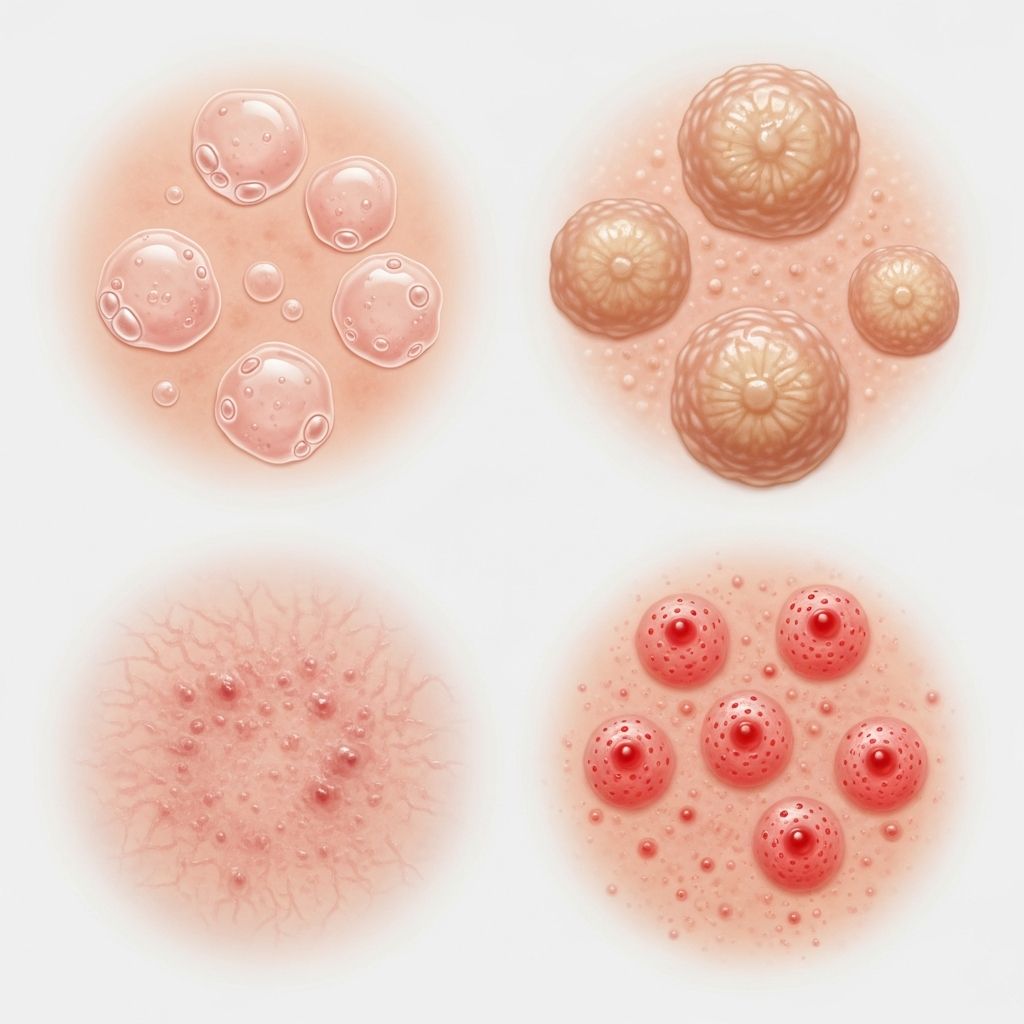
Viral skin infections are common in children and typically present as rashes or spots caused by various viruses. These conditions often resolve on their own but require supportive care to manage symptoms and prevent complications.
What are viral skin infections?
Viral skin infections occur when viruses infect the skin, leading to rashes known as exanthems. These rashes can be flat, raised, itchy, or painful and are frequently accompanied by fever or other systemic symptoms. Common in young children, they spread easily through close contact, respiratory droplets, or shared items. Most are self-limiting, but vaccination prevents severe cases like measles and chickenpox.
Unlike bacterial infections, viral ones do not respond to antibiotics. Treatment focuses on symptom relief, hydration, and rest. Parents should monitor for signs of dehydration, high fever, or secondary bacterial infections.
Symptoms of viral skin infections
Symptoms vary by virus but often include:
- Fever, sometimes high and sudden onset
- Rash: red spots, blisters, or lacy patterns on face, trunk, arms, legs
- Itching or discomfort
- Sore throat, mouth ulcers, or swollen glands
- Irritability, fatigue, or loss of appetite
Rashes may appear after fever subsides and can last days to weeks. Scratching risks bacterial superinfection, so keep nails short.
Common viral skin infections
Chickenpox (varicella)
Chickenpox causes an itchy rash starting as red spots that turn into fluid-filled blisters, then crust over. It begins on the face and spreads body-wide, lasting 5-10 days. Fever, headache, and fatigue precede the rash. Highly contagious via airborne spread or contact with blisters.
Complications include bacterial skin infections, pneumonia, or encephalitis, rare in healthy children but serious in newborns or immunocompromised.
Measles
Measles starts with high fever, cough, runny nose, red eyes, then a red-brown rash from face to body. Koplik’s spots (white mouth spots) appear early. Lasts 7-10 days. Highly contagious, can cause pneumonia, encephalitis, or death without vaccination.
Slapped cheek syndrome (fifth disease, parvovirus B19)
Characterized by bright red cheeks (‘slapped’ appearance), followed by lacy rash on trunk, arms, legs lasting 2-4 days. Mild fever, headache possible. Rash may recur with heat or sun. Usually mild, but risky for pregnant women or those with blood disorders.
Roseola (sixth disease, herpesvirus 6/7)
Sudden high fever (3-5 days) in infants 6-24 months, followed by pink, spotty rash on trunk spreading outward as fever drops. Rash fades in 1-2 days, non-itchy. Febrile seizures possible.
Hand, foot, and mouth disease (coxsackievirus)
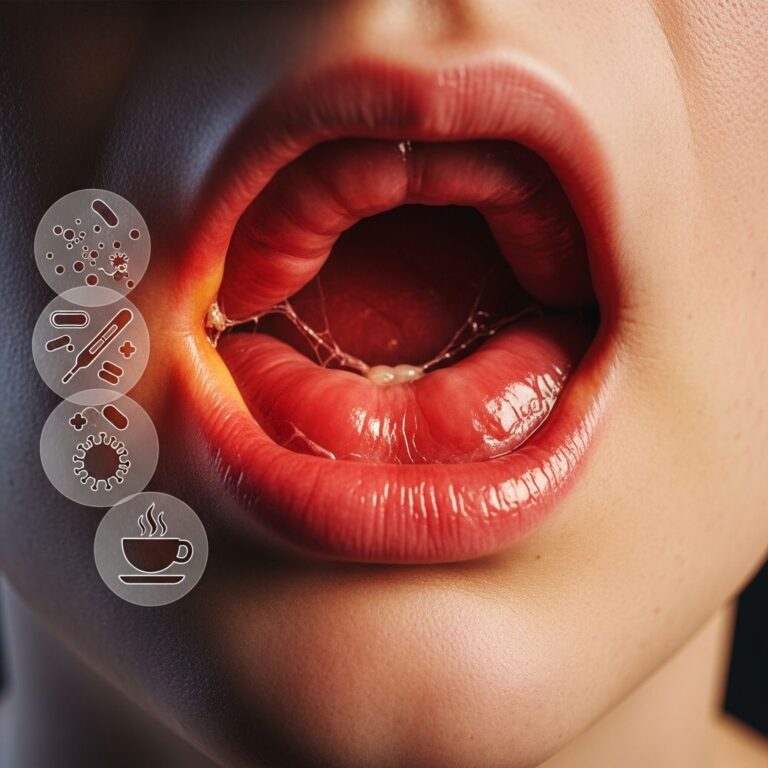
Sores/blisters in mouth, on palms, soles, buttocks. Fever, sore throat, poor appetite. Highly contagious in summer/fall. Lasts 7-10 days. Avoid irritating foods.
Molluscum contagiosum (poxvirus)
Small, firm, pearly bumps with central dimple, 2-5mm, on face, trunk, limbs. Non-itchy usually, spreads by contact. Resolves in 6-12 months without treatment, but can last years. Treat if widespread or in schools.
Other conditions
- Pityriasis rosea: Oval ‘herald patch’ followed by widespread rash, lasts 6-8 weeks, self-resolves.
- Herpes simplex: Cold sores or genital, treated with antivirals if severe.
These often need no treatment.
Causes and how they spread
Viruses enter via respiratory tract, skin contact, or mucous membranes. Children in daycare/schools are at higher risk. Incubation 2-21 days. Contagious from prodrome until rash crusts (chickenpox) or rash onset (others).
Related Stories



| Condition | Incubation Period | Contagious Period |
|---|---|---|
| Chickenpox | 10-21 days | 1-2 days before rash until crusts |
| Measles | 7-14 days | 4 days before to 4 days after rash |
| Slapped Cheek | 4-21 days | Before rash appears |
| Roseola | 5-15 days | During fever |
| Hand Foot Mouth | 3-6 days | First week |
Diagnosis
Usually clinical via history and exam. Distinguish from bacterial/ allergic rashes. Tests rare but may include PCR, blood serology for confirmation or outbreaks.
Treatment
Most self-resolve; no cure. Focus on symptoms:
- Fever/pain: Acetaminophen/ibuprofen (no aspirin – Reye’s risk).
- Itch: Calamine lotion, oatmeal/baking soda baths, antihistamines if needed.
- Hydration: Plenty of fluids.
- Rest: Isolation to prevent spread.
- Severe: Antivirals (e.g., aciclovir for chickenpox/varicella, herpes), hospital for complications.
Molluscum: Watchful waiting or cryotherapy, curettage, topicals like imiquimod.
Home care tips
Follow these best practices:
- Cool compresses, loose clothing.
- Trim nails, gloves at night.
- Mild soap, pat dry.
- Isolate child, handwash.
- Monitor: worsening rash, high fever >3 days, breathing issues, dehydration (dry diapers, no tears).
When to seek medical help
- Fever >102°F unresponsive, or >3 days.
- Rash spreads rapidly, purplish, or with bruising.
- Stiff neck, severe headache, vomiting (meningitis).
- Difficulty breathing, persistent cough.
- Infant <3 months feverish.
- Immunocompromised child.
- Signs of infection: pus, swelling.
Prevention
Vaccines key: MMR (measles/mumps/rubella), varicella for chickenpox. Good hygiene, avoid sick contacts. No vaccine for most others.
Frequently Asked Questions (FAQs)
Q: Do viral rashes need antibiotics?
A: No, antibiotics treat bacteria, not viruses. Use only for secondary infections.
Q: How long is my child contagious?
A: Varies; e.g., chickenpox until crusts, hand foot mouth first week. Keep home from school.
Q: Can I bathe my child with a rash?
A: Yes, cool baths with oatmeal soothe. Avoid hot water.
Q: Is molluscum dangerous?
A: Usually mild, self-resolves. Treat if spreading.
Q: Why vaccinate against measles/chickenpox?
A: Prevents severe complications like brain/lung issues.
Outlook
Most children recover fully without scarring. Immunity often lifelong post-infection (except slapped cheek). Vaccinated kids milder if exposed. Early care prevents issues.
References
- Viral Exanthems Rashes – Conditions and Treatments — Children’s National Hospital. 2024. https://www.childrensnational.org/get-care/health-library/viral-exanthems-rashes
- Pediatric Dermatology: Assessing Viral Rashes — Happy Skin Dermatology. 2024-12-20. https://www.happyskindermatology.com/2024/12/20/pediatric-dermatology-viral-rashes-and-when-to-take-them-seriously/
- Viral Skin Infections — Patient.info. 2024. https://patient.info/childrens-health/viral-skin-infections-leaflet
- Skin Infections — Riley Children’s Health. 2024. https://www.rileychildrens.org/health-info/skin-infections
- Molluscum Contagiosum — Cleveland Clinic. 2024. https://my.clevelandclinic.org/health/diseases/12175-molluscum-contagiosum
- A Handy Guide To Common Childhood Viral Skin Conditions — SIP Dermatology. 2024. https://www.sipderm.com/common-childhood-skin-conditions-infections/
Similar Articles








Read full bio of Sneha Tete