Undefined: 5 Viral Threats In Pregnancy And How To Protect
Discover essential insights on managing viral risks during pregnancy to safeguard maternal and fetal health effectively.
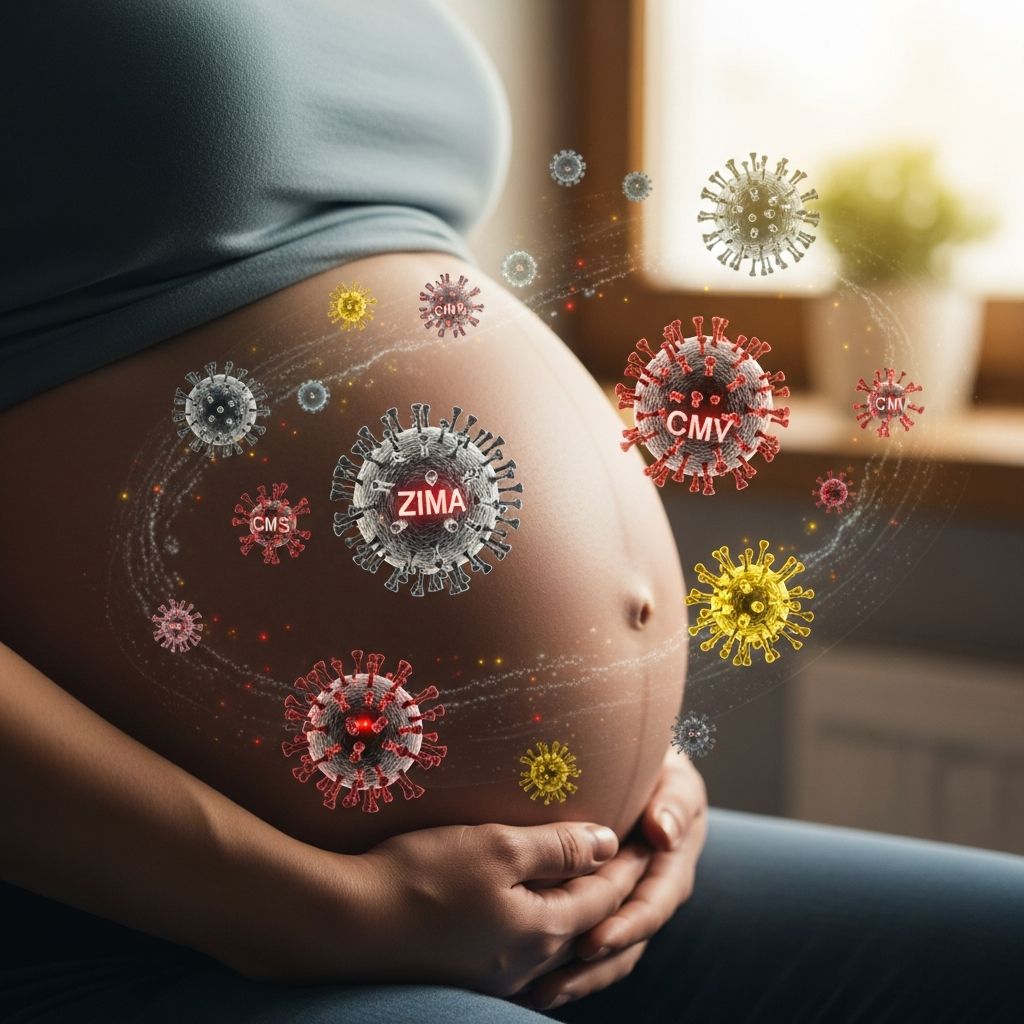
Pregnancy introduces unique vulnerabilities to viral infections due to physiological changes that modulate the immune system. These viruses can cross the placenta or affect development indirectly, potentially leading to complications like preterm birth, low birth weight, or congenital anomalies. Understanding these risks empowers expectant mothers to take proactive steps for safer outcomes.
Why Pregnancy Heightens Viral Risks
The maternal immune system undergoes adaptations to tolerate the fetus, which is genetically distinct. This suppression increases susceptibility to certain pathogens. Viral infections may disseminate via bloodstream (hematogenous spread), infecting the placenta and causing villitis or deciduitis, inflammatory conditions that impair nutrient exchange. Population studies confirm associations with threatened miscarriage (OR: 1.3), preterm threats (OR: 1.4), and anemia (OR: 1.4), though direct impacts on birth weight or gestational age vary.
Common transmission routes include respiratory droplets, bodily fluids, contaminated surfaces, or vectors like mosquitoes. Not all exposures result in infection, but prompt recognition is crucial.
Key Viruses Posing Threats
Several viruses warrant special attention during gestation. Below is an overview of prevalent ones and their profiles.
| Virus | Primary Transmission | Maternal Symptoms | Fetal Risks |
|---|---|---|---|
| Cytomegalovirus (CMV) | Bodily fluids (saliva, urine) | Fever, fatigue, sore throat | Hearing loss, vision issues, epilepsy, microcephaly |
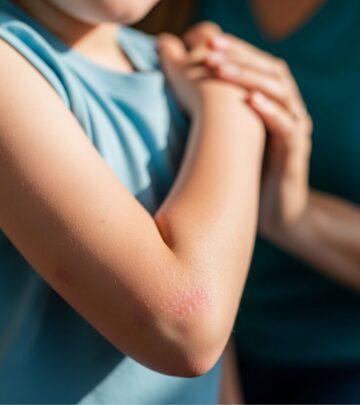
| Zika | Mosquito bites, sexual contact | Mild fever, rash | Brain defects, microcephaly, eye anomalies |
| Rubella | Respiratory droplets | Rash, fever, joint pain | Cardiac defects, deafness, miscarriage |
| Varicella (Chickenpox) | Airborne, contact | Itchy rash, fever | Limb hypoplasia, skin scarring, neurological issues |
| Parvovirus B19 (Fifth Disease) | Respiratory droplets | Slapped-cheek rash | Fetal anemia, hydrops fetalis, miscarriage |
Cytomegalovirus: The Silent Invader
CMV, a herpesvirus family member, infects up to 1% of pregnancies annually. Primary infection or reactivation can occur, with the highest fetal risk from first-trimester acquisition. It targets developing neural tissues, leading to lifelong disabilities in about 10-15% of congenitally infected infants. Preventive measures include rigorous handwashing after child contact, as young children are common reservoirs.
Diagnosis involves maternal serology and amniocentesis for fetal confirmation. No vaccine exists, but antivirals like valganciclovir may mitigate severe cases postnatally.
Zika Virus: A Modern Concern
Transmitted primarily by Aedes mosquitoes, Zika gained notoriety during the 2015-2016 outbreak. Infection in early pregnancy correlates with congenital Zika syndrome, featuring severe brain calcification and joint contractures. The CDC emphasizes avoiding travel to endemic areas and using repellents. Sexual transmission necessitates condom use for partners of infected individuals.
Ultrasound monitoring detects ventriculomegaly or calcifications. No specific treatment exists; management focuses on supportive care.
Classic TORCH Pathogens Revisited
TORCH (Toxoplasmosis, Other, Rubella, CMV, Herpes) framework highlights enduring threats. Rubella vaccination has drastically reduced incidence, but non-immune women risk catastrophic first-trimester exposure, with defect rates up to 90%. Varicella susceptibility testing is routine; non-immune women receive varicella-zoster immune globulin (VZIG) post-exposure.
Parvovirus B19 disrupts erythropoiesis, causing severe fetal anemia treatable via intrauterine transfusion. Maternal parvovirus history prompts serial ultrasounds for hydrops screening.
Respiratory and Emerging Viruses
Influenza and COVID-19 exemplify seasonal threats. Pregnant women face higher hospitalization risks due to cardiopulmonary strain. Annual flu shots are strongly recommended. Influenza in pregnancy links to increased preterm birth odds.
Related Stories



Hepatitis B and C pose vertical transmission risks, preventable via neonatal vaccination and antivirals. Herpes simplex virus (HSV) neonatal transmission peaks during vaginal delivery with active lesions; cesarean may be indicated.
Diagnostic Approaches and Monitoring
- Serologic Testing: IgM/IgG for immunity or acute infection.
- PCR Assays: Detect viral DNA/RNA in amniotic fluid or blood.
- Ultrasound: Screens for growth restriction, anomalies, or effusions.
- Fetal Blood Sampling: For anemia assessment in select cases.
Early intervention hinges on trimester-specific risks; first-trimester exposures demand urgent evaluation.
Prevention Blueprint for Expectant Mothers
Proactive strategies minimize exposure:
- Avoid close contact with ill individuals, especially children for CMV.
- Use DEET-based repellents and long clothing in Zika zones.
- Maintain vaccinations: MMR pre-pregnancy, Tdap, flu annually.
- Practice safe sex; screen partners for STIs.
- Hygiene: Frequent handwashing, avoid raw foods for toxoplasmosis.
Preconception counseling assesses immunity, enabling tailored prophylaxis.
Maternal and Fetal Complication Spectrum
Infections precipitate diverse outcomes:
- Maternal: Pneumonia, anemia, gestational hypertension.
- Fetal/Neonatal: Intrauterine growth restriction (IUGR), stillbirth, neurodevelopmental delays.
Placental pathology like chorioamnionitis from ascending infections exacerbates preterm labor risks.
When to Contact Healthcare Providers
Seek immediate care for fever >100.4°F, rash, lymphadenopathy, or exposure history. Post-exposure protocols vary: VZIG within 96 hours for varicella, rubella immune globulin for non-immune.
Therapeutic Options and Management
Supportive care dominates, with antivirals (acyclovir for HSV/varicella, ganciclovir for CMV) in severe cases. Multidisciplinary teams involving maternal-fetal medicine specialists optimize outcomes.
Frequently Asked Questions (FAQs)
Can I get the flu vaccine while pregnant?
Yes, inactivated influenza vaccines are safe and recommended each season to protect against severe respiratory illness.
What if I’m exposed to chickenpox?
Contact your doctor promptly for immunity testing and possible VZIG administration if susceptible.
Does CMV always harm the baby?
No, most infections are asymptomatic, but primary maternal infection carries 30-40% congenital transmission risk, with variable severity.
Is Zika still a risk in 2026?
Endemic areas persist; consult CDC travel advisories and use protection.
Should I worry about every cold during pregnancy?
Common colds pose low risk, but persistent symptoms or fever warrant evaluation to rule out influenza or other viruses.
Long-Term Implications and Follow-Up
Survivors of congenital infections require developmental surveillance. Hearing screens, ophthalmology exams, and neuroassessments detect subtle deficits early. Parental education on milestones aids timely interventions.
Research evolves; recent studies affirm minimal direct birth outcome detriment from many viruses when managed, underscoring prevention’s primacy.
References
- Pregnancy complications and birth outcomes in pregnant women with viral infections: a population-based study — Authorea. 2018-01-01. https://www.authorea.com/users/330039/articles/456949-pregnancy-complications-and-birth-outcomes-in-pregnant-women-with-viral-infections-a-population-based-study
- Maternal Infection — Birth Injury Center. 2024-01-01. https://birthinjurycenter.org/maternal-infection/
- Infections and Pregnancy — MedlinePlus (U.S. National Library of Medicine). 2025-02-01. https://medlineplus.gov/infectionsandpregnancy.html
- Infections in pregnancy that may affect your baby — NHS. 2025-01-01. https://www.nhs.uk/pregnancy/keeping-well/infections-that-may-affect-your-baby/
- Viral Infections During Pregnancy — FamilyDoctor.org. 2024-01-01. https://familydoctor.org/viral-infections-during-pregnancy/
- Congenital Zika Syndrome and Other Birth Defects — CDC. 2025-12-01. https://www.cdc.gov/zika/czs/index.html
Similar Articles








Read full bio of Sneha Tete