Viral Wart: 7 Types, Causes, Diagnosis & Treatment Guide
Comprehensive guide to viral warts: causes, types, diagnosis, treatments, and prevention strategies for common skin infections.
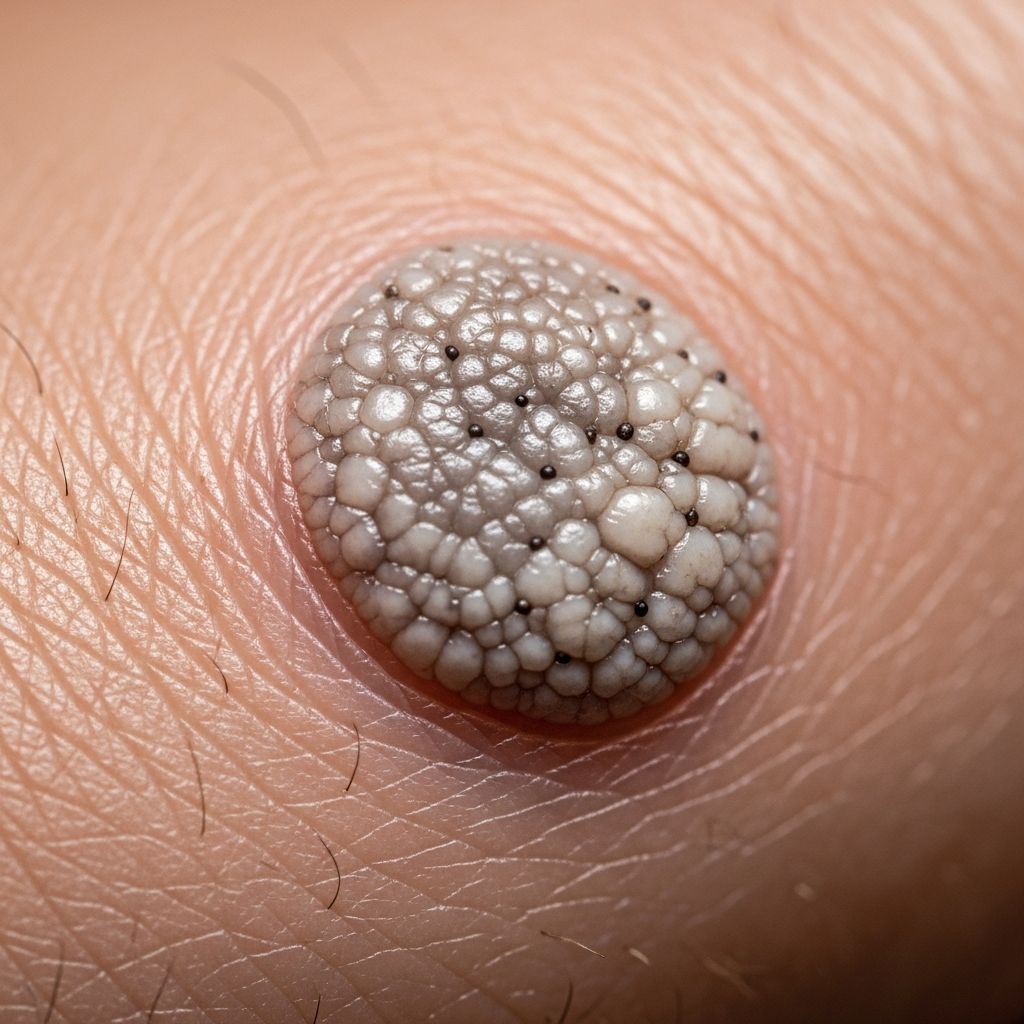
A viral wart is a very common benign lesion caused by infection with human papillomavirus (HPV). Viral warts can be classified by site as being cutaneous or mucosal as the HPV types are quite distinct. A cutaneous wart is also called a verruca or papilloma, and warty-looking lesions of any cause may be described as verrucous or papillomatous.
What is a viral wart?
Viral warts are benign proliferations of the skin and mucosa caused by infection with human papillomavirus (HPV); more than 150 subtypes of the DNA virus are known. They are particularly common in childhood (affecting about 15% of school children) but may arise at any age. Warts are due to infection by the human papillomavirus (HPV), a double-stranded DNA virus. There are more than 150 known HPV types, only some of which infect the skin, giving rise to a variety of clinical presentations. Infection begins in the basal layer of the epidermis, causing proliferation of the keratinocytes (skin cells) and hyperkeratosis, and production of infectious virus particles — the wart. The most common HPV types infecting the skin are types 1, 2, 3, 4, 10, 27, 29, and 57.
Characteristically they are hyperkeratotic ‘verrucous’ papules. The keratinocyte proliferation by basal cells is driven by viral replication within the granular layer of the epidermis.
Who gets viral warts?
Warts are particularly common in children and teenagers. Other high-risk groups include:
- People with a history of atopic dermatitis (small, persistent plane warts)
- People who bite their nails or pick their skin (warts under the nails and on the fingers)
- Immunosuppressed patients (multiple, persistent, recalcitrant warts)
- Meat handlers (butcher’s warts)
- People who walk barefoot (plantar warts)
Immunosuppression can result in malignant transformation of warts on non-genital sites, most commonly ten or more years after organ transplantation. Solar damage may be a cofactor.
Causes
HPV is spread by direct skin-to-skin contact or autoinoculation. This means if a wart is scratched or picked, the viral particles may be spread to another area of skin. The incubation period can be as long as twelve months. They are spread by direct contact or autoinoculation with a latency of weeks to years.
Autoinoculation of the virus in a scratch can result in a line of warts (pseudo-koebnerisation). A wart may develop under the fingernail (subungual wart) or virus may be spread to another area of skin.
What are the clinical features of viral warts?
Cutaneous viral warts have a hard, keratinous surface. A tiny black dot may be observed in the middle of each scaly spot, due to an intracorneal haemorrhage. Pinpoint dots (clotted capillaries) are revealed when the top of the wart is removed. Subtypes favour particular sites, but any wart can appear at any site.
Common warts (verruca vulgaris)
Common warts have a hyperkeratotic, rough, pebble-like surface. They may have black dots (thrombosed capillaries). The common sites are hands and fingers. They are mostly caused by HPV types 2 and 4.
Plantar warts (verruca pedis)
Plantar warts occur on the sole of the foot. They have a hyperkeratotic surface and may have black dots. They are often painful due to pressure. They are mostly caused by HPV type 1.
Related Stories



Plane warts (verruca plana)
Plane warts have a flat surface. The most common sites are the face, hands and shins. They are often numerous. They may be inoculated by shaving or scratching so that they appear in a linear distribution (pseudo-Koebner response). Plane warts are mostly caused by HPV types 3 and 10.
Filiform warts
Filiform warts are long and thread-like. They are most common on the face, eyelids, lips and neck. They are mostly caused by HPV types 1 and 2.
Mosaic warts
Mosaic warts are multiple small warts that coalesce into plaques. They occur on the sole of the foot. They are caused by HPV type 2.
Butcher’s warts
Butcher’s warts occur on the hands of meat handlers. They are caused by HPV type 7.
Anogenital warts
Anogenital warts are discussed separately (see Anogenital wart and Sexually acquired human papillomavirus).
Diagnosis
A dermatoscopic examination is sometimes helpful to distinguish viral warts from other verrucous lesions such as seborrhoeic keratosis and skin cancer. Sometimes, viral warts are diagnosed on skin biopsy. Occasionally a biopsy is necessary to confirm the diagnosis.
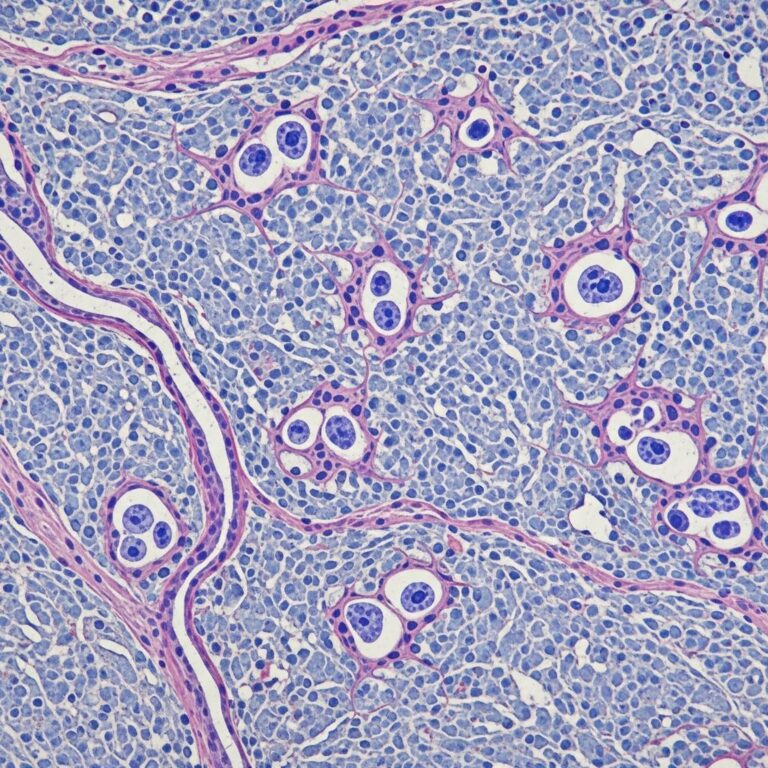
The histopathological features of verruca vulgaris differ from that of plane warts. Verruca vulgaris (common viral wart) is a keratotic lesion caused by specific human papillomavirus (HPV) types. Histology shows hyperkeratosis, acanthosis, and papillomatosis with koilocytes.
Viral typing is rarely necessary or available. It requires viral DNA amplification using polymerase chain reaction followed by Southern blot hybridisation.
Treatment of viral warts
In children, even without treatment, 50% of warts disappear within 6 months; 90% are gone in 2 years. They are more persistent in adults but in most, they clear up eventually. Wart removal may stimulate an immune response; if not, recurrence is likely.
The most popular treatments include:
- Wart paints (salicylic acid and lactic acid)
- Cryotherapy
- Duct tape occlusion
- Topical irritants (cantharidin)
- Injections into the warts (candida antigen, bleomycin)
- Laser treatment
- Surgical excision
Wart paint
The paint is applied once daily. Treatment with wart paint usually makes the wart smaller and less uncomfortable; 70% of warts resolve within twelve weeks of daily applications.
How to use wart paint
- First, the skin should be softened in a bath or bowl of hot water.
- The hard skin should be rubbed away from the wart surface with a piece of pumice stone or emery board.
- The wart paint or gel should be applied accurately, allowing it to dry. It works better if covered with adhesive tape (particularly recommended when the wart is on the foot).
- If the wart paint makes the skin sore, stop treatment until the discomfort has settled, then recommence as above. Take care to keep the chemical off normal skin.
- Apply wart paint once daily. Persevere for twelve weeks or longer; up to 70% of warts will resolve with wart paints, and removing the keratinised surface relieves discomfort.
Cryotherapy
Cryotherapy is repeated at one to two–week intervals. It is uncomfortable and may result in blistering for several days or weeks. Success is in the order of 70% after 3–4 months of regular freezing. A hard freeze using liquid nitrogen might cause a permanent white mark or scar. It can also cause temporary numbness. A two-week interval is better than a three-week interval for reducing the recurrence rate of hand-foot viral warts after cryotherapy.
An aerosol spray with a mixture of dimethyl ether and propane (DMEP) can be purchased over the counter to freeze common and plantar warts. Read and follow the instructions carefully.
Duct tape occlusion
Duct tape for the treatment of common warts in adults: a double-blind randomized controlled trial showed mixed results.
Electrosurgery
Electrosurgery (curettage and cautery) is used for large and resistant warts. Under local anaesthetic, the growth is pared away and the base burned. The wound heals in two weeks or longer; even then 20% of warts can be expected to recur within a few months. This treatment leaves a permanent scar.
Other treatments
If simple treatments do not prove effective, there is little point in pursuing more elaborate and sometimes very expensive options as the success rates are little better. Most dermatologists in New Zealand advocate ‘benign neglect’ for extensive or longstanding warts that have failed wart paint and cryotherapy.
Does Immunotherapy of Viral Warts Provide Beneficial Effects When It Is Combined with Conventional Therapy?
What is the outcome for viral warts?
Warts often resolve spontaneously, especially in children. Persistence is more common in adults and immunocompromised individuals. Recurrence is frequent if the immune response is not stimulated.
Prevention of viral warts
Avoid direct contact with warts, including your own. Do not pick or scratch warts as this may spread them. Cover warts with waterproof adhesive plaster if playing contact sports. Do not share towels, razors or shoes. Single-use disposable emery boards or pumice stones should be used at home. In public showers or barefoot areas, wear thongs (flip-flops). HPV vaccines in development have the potential to reduce the substantial morbidity and mortality associated with cervical cancer and other HPV-associated diseases. Gardasil 9 – The Next Generation Human Papillomavirus (HPV) Vaccine.
Frequently Asked Questions
Are viral warts contagious?
Yes, viral warts are highly contagious through direct skin-to-skin contact or autoinoculation.
Do warts go away on their own?
In children, 50% resolve within 6 months and 90% within 2 years without treatment.
Is wart paint effective?
Up to 70% of warts resolve within 12 weeks of daily applications.
Can cryotherapy cause scarring?
A hard freeze may cause a permanent white mark or scar.
Are there vaccines for cutaneous warts?
HPV vaccines primarily target anogenital types but may offer cross-protection.
References
- Viral Wart – DermNet NZ — Dr Amanda Oakley, Dermatologist, Hamilton, New Zealand (Updated December 2016). 2016-12. https://dermnetnz.org/topics/viral-wart
- Viral skin infections. Warts – DermNet CME — DermNet New Zealand. 2009. https://dermnetnz.org/cme/viral-infections/viral-warts-cme
- Warts, verrucas, human papillomavirus infection – DermNet — DermNet New Zealand. 2023. https://dermnetnz.org/topics/viral-wart
- Wart – StatPearls — NCBI Bookshelf, NIH. 2023. https://www.ncbi.nlm.nih.gov/books/NBK431047/
- Br J Dermatol: Cryotherapy intervals for warts — Youn SH et al. 2014-10-01. https://pubmed.ncbi.nlm.nih.gov/24995575/
- Annals of Dermatology: Immunotherapy for warts — Kim HJ et al. 2011. https://doi.org/10.5021/ad.2011.23.3.282
- Verruca vulgaris pathology – DermNet — Assoc Prof Patrick Emanuel. 2013. https://dermnetnz.org/topics/verruca-vulgaris-pathology
Similar Articles








Read full bio of medha deb