Virilization: Causes, Symptoms, and Treatment Options
Understanding virilization: Learn about causes, symptoms, diagnosis, and effective treatment options for this hormone-related condition.

Understanding Virilization: A Comprehensive Guide
Virilization is a medical condition that occurs when a person develops male characteristics due to excessive exposure to male hormones. In females, this manifests as the development of physical traits typically associated with males, while in newborns, it presents as signs of exposure to male hormones at birth. This condition can develop at any age and is often reversible with appropriate medical intervention. Understanding the causes, symptoms, and treatment options is essential for anyone experiencing this condition.
What Is Virilization?
Virilization refers to the development or enhancement of male physical characteristics in individuals who are biologically female or in newborns exposed to excessive androgens during fetal development. The condition stems from an imbalance in sex hormone levels, particularly an overproduction of androgens, which are male sex hormones produced naturally in both males and females. While both sexes produce these hormones, an excess in females leads to the development of male secondary sex characteristics.
Causes of Virilization
The primary cause of virilization is the overproduction of male hormones, or androgens. Several medical conditions and external factors can trigger this hormonal imbalance:
Medical Conditions Leading to Excess Androgens
Multiple health conditions can result in elevated androgen levels. The most common include:
– Congenital adrenal hyperplasia (CAH), an inherited disorder affecting the adrenal glands- Polycystic ovary syndrome (PCOS), a hormonal disorder affecting ovulation- Cushing’s syndrome, characterized by excessive cortisol production- Adrenal cortical carcinoma, a rare cancerous tumor of the adrenal gland- Androgen-producing ovarian tumors, including steroid cell tumors- Adrenal adenomas or other benign tumors producing excess hormones
External Causes
Beyond medical conditions, virilization can develop from external sources of androgen exposure. The use of anabolic steroids to enhance physical performance is a common cause, particularly among athletes in sports such as weightlifting. Additionally, taking male hormone supplements can trigger virilization symptoms. Topical testosterone application, even when used medically for conditions like vulvar lichen sclerosus, can lead to unintended virilization effects.
Symptoms and Signs in Females
Virilization symptoms in adult females vary considerably from person to person. The presentation depends on the severity of hormone imbalance and the duration of androgen exposure. Common signs include:
– Excessive facial and body hair growth (hirsutism)- Male pattern baldness or significant hair loss from the scalp- Deepening of the voice- Increased muscle mass and strength- Enlargement of the clitoris (clitoromegaly)- Male distribution of body fat- Acne and oily skin- Mood changes or increased aggression- Reduced breast size- Cessation or irregularity of menstrual periods
Virilization in Males and Newborns
The presentation of virilization differs significantly between sexes. In males, virilization is less obvious compared to females because they naturally produce higher levels of androgens. If signs of excess androgen production are not apparent at birth, they may become noticeable during puberty. Males with excess adrenal hormone production often experience early puberty compared to their peers, developing secondary sexual characteristics earlier than expected.
In adult males, excess adrenal hormones can suppress testicular function, leading to potential infertility issues. This complication makes early diagnosis and treatment particularly important for males of reproductive age.
In newborns, virilization presents as signs of male hormone exposure at birth. Female newborns with congenital adrenal hyperplasia, for example, may have ambiguous genitalia or other masculinized features due to prenatal androgen exposure.
Related Stories



The Term “Undervirilized Male”
The opposite condition, known as undervirilization, refers to individuals who are biologically male but produce lower-than-typical levels of male hormones. This results in the development of female characteristics and represents the inverse presentation of virilization.
Psychological and Social Impact
Beyond the physical manifestations, virilization can significantly affect mental health and quality of life. Developing visible characteristics that do not align with an individual’s internal sense of self can take a considerable psychological toll. Body image concerns, anxiety, and depression are common associated issues. Additionally, symptoms may indicate an underlying health condition that requires medical attention, making professional consultation essential.
Diagnosis of Virilization
Accurate diagnosis of virilization involves multiple steps to identify the underlying cause. Healthcare providers begin with a comprehensive evaluation:
Initial Assessment
A healthcare provider will conduct a thorough physical examination and review your complete symptoms and medical history. Discussing family history of virilization or related conditions provides important context for diagnosis.
Hormonal Testing
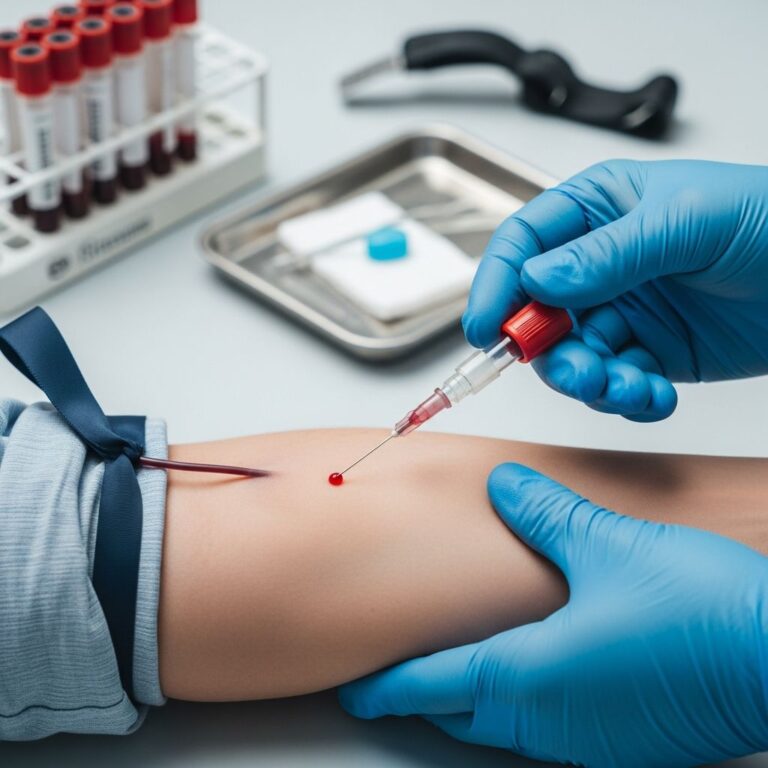
Blood tests are typically the first diagnostic tool. A blood sample will be analyzed to measure testosterone, estrogen, progesterone, and other hormones. Elevated levels of androgens, particularly testosterone, often accompany virilization and help confirm the diagnosis.
Imaging Studies
If your healthcare provider suspects a tumor on the adrenal gland or ovaries, imaging tests such as computed tomography (CT) scans will be ordered. These detailed images allow physicians to visualize internal structures and identify any abnormal growths or masses that may be causing excess androgen production.
Treatment and Reversal of Virilization
The good news is that virilization is typically reversible with appropriate treatment. Treatment plans are individualized based on the underlying cause and the patient’s specific circumstances.
Treatment Options Based on Cause
| Underlying Cause | Primary Treatment Approach |
|---|---|
| Adrenal tumors | Surgical removal; chemotherapy or radiation if the tumor is in a difficult location |
| Congenital adrenal hyperplasia | Corticosteroid therapy to suppress excess androgen production |
| Ovarian tumors | Surgical removal of the tumor or affected ovary |
| Anabolic steroid use | Discontinuation of steroid use; anti-androgen medications if needed |
| Cushing’s syndrome | Treatment of underlying condition with appropriate medical or surgical intervention |
Medication-Based Treatments
Hormone-suppressing medications can effectively reduce androgen levels. Corticosteroids are commonly prescribed to suppress adrenal androgen production in conditions like congenital adrenal hyperplasia. Anti-androgen medications may be used to block the effects of excess androgens on target tissues. Spironolactone, for example, has antiandrogenic effects and may be used as part of comprehensive treatment for androgen-excess syndromes.
Surgical Interventions
When virilization results from a tumor, surgical removal is often necessary. For adrenal or ovarian tumors, resection typically halts the excess androgen production. In cases where tumors are in difficult-to-reach locations or are malignant, chemotherapy or radiation therapy may be recommended before or after surgery to reduce tumor size or eliminate cancerous tissue.
Hormone Therapy
Specific hormone therapies may be prescribed depending on the underlying condition. For instance, patients with certain hormone deficiencies may benefit from hormone replacement therapy to restore normal hormonal balance.
Recovery and Reversal Timeline
Following successful treatment, virilization symptoms often resolve gradually. The timeline for reversal varies depending on the severity of the condition and the treatment employed. In documented cases, patients have experienced normalization of testosterone levels within six months of surgical intervention. Some symptoms, such as voice deepening or male pattern baldness, may not fully reverse even after treatment, as certain changes can become permanent with prolonged androgen exposure.
Fertility Considerations
For individuals of reproductive age, fertility is an important consideration during treatment planning. In women with androgen-producing tumors, surgical approaches that preserve reproductive capacity, such as unilateral ovary removal for benign tumors, may be recommended. Men experiencing virilization-related infertility from suppressed testicular function may see improvement after appropriate treatment reduces excess androgen levels.
Special Considerations: Transgender Healthcare
It is important to note that intentional virilization, induced through testosterone therapy, is a recognized and medically necessary treatment for many transgender men as part of their transition process. In this context, exogenous testosterone is administered to intentionally develop male secondary sex characteristics. This represents a distinct application from pathological virilization, as it occurs with appropriate medical supervision and informed consent.
Frequently Asked Questions
Q: Is virilization always permanent?
A: No, virilization is typically reversible with appropriate treatment. However, some changes such as voice deepening or male pattern baldness may not fully reverse if prolonged androgen exposure has occurred. The reversibility depends on the duration of androgen exposure and the specific changes that have developed.
Q: At what age can virilization develop?
A: Virilization can develop at any age. In females, it can occur from early childhood through adulthood. In newborns, signs of virilization may be present at birth. The age of onset depends on when the underlying cause of excess androgen production begins.
Q: Can virilization from anabolic steroids be reversed?
A: Yes, in many cases, virilization from anabolic steroid use can be reversed by discontinuing use and with appropriate medical treatment. However, certain changes may persist if the steroids were used for an extended period.
Q: What is the most common cause of virilization in females?
A: Congenital adrenal hyperplasia (CAH) is one of the most common medical causes. However, polycystic ovary syndrome (PCOS) and other adrenal disorders also frequently contribute to virilization symptoms in females.
Q: How quickly do symptoms appear after starting treatment?
A: The timeline varies depending on the cause and treatment type. Hormone level normalization may occur within weeks to months, while visible symptom reversal may take several months to a year or longer.
Q: Should I be concerned about virilization symptoms?
A: Yes, virilization symptoms warrant medical evaluation. They may indicate an underlying health condition requiring treatment. Additionally, addressing the condition promptly can help prevent permanent changes and improve overall health outcomes.
Conclusion
Virilization is a treatable medical condition resulting from excess androgen production or exposure. Whether caused by medical conditions, tumors, or external hormone sources, appropriate diagnosis and treatment can effectively reverse most symptoms. If you experience signs of virilization, consulting with a healthcare provider is the crucial first step toward understanding your condition, identifying the underlying cause, and developing a personalized treatment plan. With proper medical care, most individuals with virilization can achieve symptom resolution and restore hormonal balance, supporting both physical health and emotional well-being.
References
- Virilization: What It Is, Causes, Symptoms & Treatment — Cleveland Clinic. Accessed December 2025. https://my.clevelandclinic.org/health/diseases/virilization
- Virilization: Causes, Symptoms, and Diagnosis — Healthline. Accessed December 2025. https://www.healthline.com/health/virilization
- Virilization by an Ovarian Tumor: Presentation Is Not Always Acute — PubMed Central. 2022. https://pubmed.ncbi.nlm.nih.gov/35596563/
- Hormone Therapy for Transgender Patients — American Medical Association. 2022. https://tau.amegroups.org/article/view/11807/html
- Virilization Secondary to Topical Testosterone — Cleveland Clinic Journal of Medicine. Vol. 58, No. 1. https://www.ccjm.org/content/58/1/43
- Use of Spironolactone in Treatment of Hirsutism — Cleveland Clinic Journal of Medicine. Vol. 57, No. 3. https://www.ccjm.org/content/57/3/285
Similar Articles








Read full bio of medha deb