Visceral Fat: What It Is & How It Affects You
Understanding visceral fat: Learn what it is, health risks, and effective strategies to reduce it.
Understanding Visceral Fat
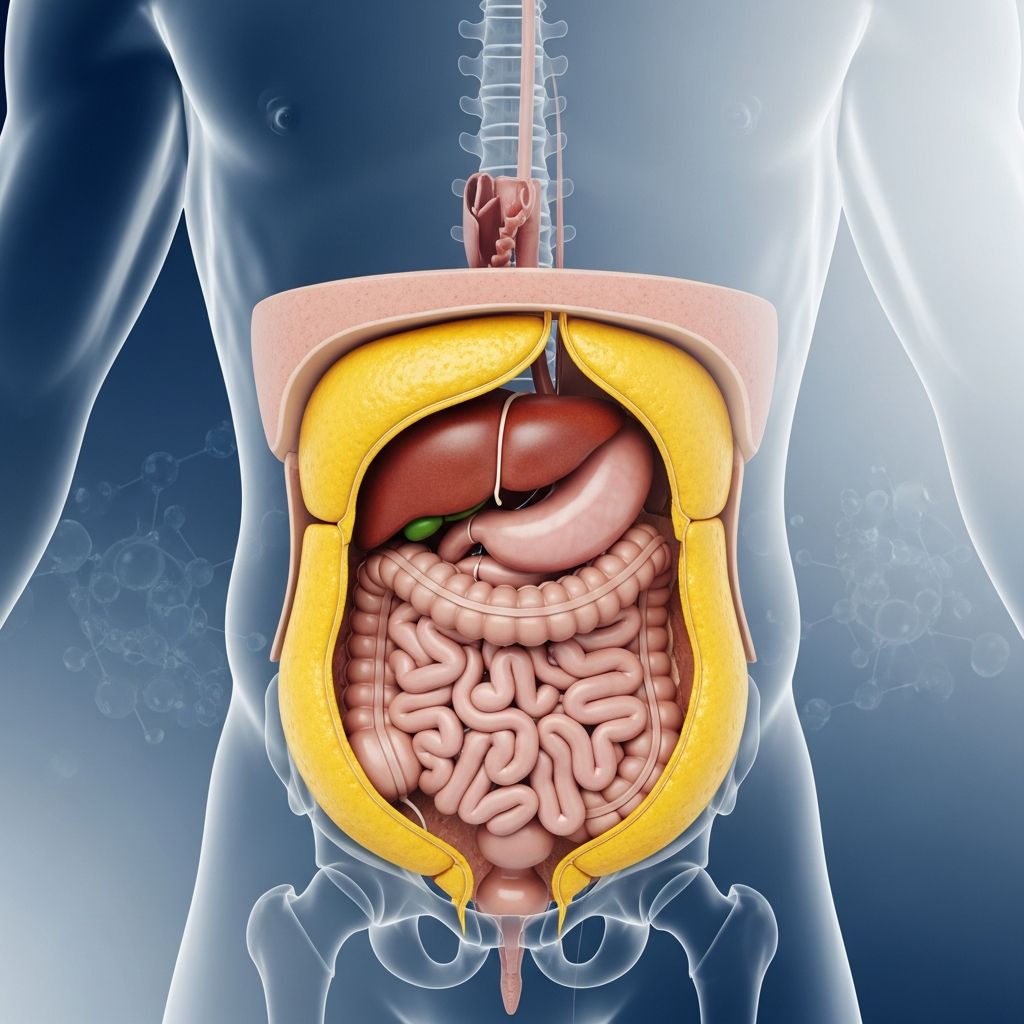
Visceral fat is a type of body fat that’s located deeper inside your body, beneath your abdominal muscles and surrounding your internal organs. Unlike the fat you can pinch under your skin, visceral fat lines your abdominal walls and wraps around several vital internal organs, including your liver, kidneys, intestines, and pancreas. The term “visceral” comes from “viscera,” which refers to internal organs and tissues, making this fat unique in its location and function within your body.
Everyone has some amount of visceral fat, which is completely normal and healthy. In fact, this fat plays an important protective role by cushioning and supporting your internal organs. It also participates in how your body stores and uses energy. However, like many things in life, you can have too much of a good thing, and excess visceral fat can lead to serious health complications.
What Makes Visceral Fat Different?
Visceral fat is sometimes referred to as “active fat” because it plays an active role in your body’s metabolic processes. It consists of adipocytes, or fat cells, which are sensitive to hormones—chemical messenger molecules that your body uses to regulate various functions. This sensitivity to hormones means that visceral fat can significantly influence how your body metabolizes and stores fat, making it particularly important to monitor and manage.
The adipocytes in visceral fat have unique properties that distinguish them from subcutaneous fat cells. These cells can produce inflammatory proteins and other substances that affect your overall health in ways that subcutaneous fat cannot. This metabolic activity is one reason why visceral fat is considered more dangerous than other types of body fat.
Visceral Fat vs. Subcutaneous Fat
Understanding the difference between visceral and subcutaneous fat is essential for managing your health effectively. While both are types of body fat, they differ in location, appearance, feel, and health implications.
| Characteristic | Visceral Fat | Subcutaneous Fat |
|---|---|---|
| Location | Deep in your belly around organs | Just under your skin, all around your body |
| Appearance | Hard | Soft and squishy |
| Visibility | Cannot be seen or felt | Can be pinched and felt under skin |
| Common Examples | “Beer belly” or “apple shape” | “Love handles” and “muffin tops” |
| Primary Health Risks | High blood pressure, high cholesterol, high blood sugar | Increased risk of visceral fat accumulation |
Subcutaneous fat, while not as directly problematic as visceral fat on its own, isn’t without risks. Having excess subcutaneous fat is often a sign that you may also have more visceral fat than is healthy. The presence of visible fat deposits under your skin can indicate that your body is storing excess energy, potentially leading to dangerous visceral fat accumulation around your organs.
Health Risks Associated with Visceral Fat
Excess visceral fat is linked to numerous serious health conditions and is considered particularly dangerous compared to other types of body fat. Research has established strong connections between visceral fat and various chronic diseases.
Related Stories



Cardiovascular Disease and Heart Health
One of the most significant health risks associated with visceral fat is cardiovascular disease. Studies have demonstrated that individuals with elevated visceral fat levels have substantially higher risks of heart disease. Research shows that women with the largest waist circumference relative to their hip size were twice as likely to develop heart disease. In fact, otherwise healthy women who didn’t smoke showed a 10% increase in heart disease risk for every 2-inch increase in waist size. Visceral fat contributes to this risk by producing inflammatory proteins that can narrow blood vessels and increase blood pressure.
Type 2 Diabetes
Visceral fat is strongly linked to insulin resistance, a condition where your body doesn’t respond properly to insulin. This metabolic dysfunction significantly increases your risk of developing type 2 diabetes. The hormonal sensitivity of visceral adipocytes means that excess visceral fat can disrupt normal glucose metabolism and insulin signaling pathways.
Neurological Conditions
Emerging research has revealed a concerning link between visceral fat and cognitive decline. Studies have found that individuals with more belly fat and visceral fat had three times the risk for dementia, including Alzheimer’s disease, compared to those with minimal belly fat. This connection suggests that visceral fat may contribute to neuroinflammation and other processes that damage brain tissue.
Cancer Risk
Multiple studies have established connections between visceral fat and increased cancer risk. Particularly strong associations have been found with colorectal cancer, where individuals with the most visceral fat were three times as likely to develop precancerous polyps in their colons. The inflammatory substances produced by visceral fat may promote abnormal cell growth and increase cancer susceptibility.
Stroke and Cerebrovascular Disease
While the exact mechanisms aren’t fully understood, research demonstrates that people with higher visceral fat levels are more likely to experience strokes. Additionally, excess visceral fat is associated with strokes occurring at younger ages, suggesting that this type of fat poses particular cardiovascular risks.
Metabolic Complications
Visceral fat contributes to what medical professionals call “the three horsemen of the apocalypse”: high blood pressure, high cholesterol, and high blood sugar. These three conditions are interconnected and serve as beginning points for serious diseases including diabetes, heart disease, kidney disease, stroke, and other life-threatening conditions.
What Causes Excess Visceral Fat?
Multiple factors contribute to the accumulation of excess visceral fat. Understanding these causes can help you make better lifestyle choices to prevent or reduce visceral fat buildup.
Genetic Factors
Genetics play a significant role in determining how much visceral fat you naturally have and where it’s distributed throughout your body. This genetic predisposition is part of what determines your body’s basic shape and metabolic characteristics. Some people are genetically inclined to store more visceral fat, making them more susceptible to its accumulation.
Dietary Choices
Your diet directly influences visceral fat accumulation. Eating foods high in trans fats and refined sugars promotes visceral fat formation. Conversely, consuming whole foods including plenty of fruits, vegetables, whole grains, and healthy proteins can help prevent excess visceral fat storage.
Physical Inactivity
A sedentary lifestyle significantly contributes to visceral fat accumulation. When you aren’t active enough, your body forms more visceral fat than it uses for energy. Regular physical activity helps prevent this excessive storage.
Stress and Cortisol
Chronic stress plays an often-overlooked role in visceral fat accumulation. The stress hormone cortisol directly affects visceral fat adipocytes, causing your body to add to its store of visceral fat. Managing stress through relaxation techniques, meditation, and lifestyle modifications can help reduce cortisol-driven fat storage.
Metabolic Conditions
Certain medical conditions affect how your body handles visceral fat. Obesity and related metabolic disorders can increase visceral fat accumulation. Additionally, some endocrine system diseases can affect visceral fat, though these are typically less common.
How to Measure and Monitor Visceral Fat
Since you cannot see or feel visceral fat, monitoring it requires different approaches than measuring other body fat. Your body shape and measurements provide the best indicators of visceral fat levels.
Body Fat Percentage Calculation
The normal visceral fat range should constitute approximately 10% of your total body fat. To estimate your visceral fat level, calculate your total body fat percentage and subtract 10%. If your overall body fat percentage exceeds recommended levels, your visceral fat range will likely be elevated as well.
Measurement Methods
Several methods can help assess visceral fat distribution:
- Waist circumference measurements taken at your natural waist
- Waist-to-hip ratio calculations
- Body mass index (BMI) assessments
- Advanced imaging techniques such as DEXA scans, CT scans, or MRI
- Bioelectrical impedance analysis
Regular Monitoring
Tracking changes in your body measurements over time provides valuable information about whether your visceral fat is increasing or decreasing. Regular monitoring helps you adjust your lifestyle strategies as needed.
Reducing Visceral Fat
The good news is that visceral fat is actually easier to lose than subcutaneous fat. With consistent effort in staying active and managing your diet, you can begin seeing fat loss within two to three months.
Creating a Calorie Deficit
The fundamental principle for burning fat is simple: you must live off your fat stores. This requires creating a calorie deficit—burning more energy than you consume. This deficit forces your body to tap into stored fat for energy, including visceral fat.
Aerobic Exercise
Cardiovascular exercise is particularly effective for reducing visceral fat. Aim for at least 150 minutes of moderate-intensity aerobic exercise each week, and increase this amount as your fitness improves. Moderate-intensity activities include brisk walking, jogging, cycling, and swimming. This regular aerobic activity directly targets visceral fat for energy utilization.
Strength Training
Don’t neglect strength-training exercises, which should be performed two or three days per week. Strength training is crucial because without adequate attention to muscle maintenance, your body may start pulling energy from muscle stores rather than from visceral or subcutaneous fat. Maintaining muscle mass is important for daily activities and helps your body burn more fat overall.
Dietary Modifications
Eating a healthy diet supports visceral fat reduction. Focus on consuming whole foods, including abundant fruits, vegetables, whole grains, and healthy proteins while limiting foods high in trans fats and refined sugars. Making these dietary changes complements your exercise routine for more effective fat loss.
Stress Management
Since stress contributes to visceral fat accumulation through cortisol production, managing stress is an important component of fat reduction. Incorporate stress-reduction techniques such as meditation, deep breathing exercises, yoga, or other relaxation methods into your daily routine.
Consistency and Patience
Successful visceral fat reduction requires consistency with both diet and exercise. The positive news is that visceral fat responds relatively quickly to lifestyle changes, with visible improvements possible within two to three months of sustained effort.
Frequently Asked Questions
Q: Can I lose visceral fat without losing weight overall?
A: Yes, it’s possible to reduce visceral fat while maintaining overall weight. As you lose visceral fat and build muscle through strength training, your weight may stay relatively stable while your body composition improves and your health markers improve significantly.
Q: How quickly can I reduce visceral fat?
A: With consistent exercise and dietary changes, you can begin seeing visceral fat reduction within two to three months. However, individual results vary based on genetics, starting visceral fat levels, and adherence to lifestyle changes.
Q: Is visceral fat hereditary?
A: While genetics influence how much visceral fat you naturally have, environmental factors and lifestyle choices play equally important roles in determining your visceral fat levels. Even with genetic predisposition, maintaining healthy habits can prevent excess accumulation.
Q: What’s the relationship between belly appearance and visceral fat?
A: A large belly can indicate either visceral fat or subcutaneous fat, or both. The hard appearance of an “apple-shaped” belly suggests more visceral fat, while soft, squishy belly fat suggests subcutaneous fat.
Q: Should I consult a healthcare provider about visceral fat?
A: Yes, if you suspect you have excess visceral fat or are concerned about your health risks, consult your healthcare provider. They can assess your individual risk factors and recommend personalized diet and exercise plans suited to your specific needs.
References
- Visceral Fat vs. Subcutaneous Fat: What Are They? — Cleveland Clinic. 2024. https://health.clevelandclinic.org/visceral-fat-vs-subcutaneous-fat
- Visceral Fat: What It Is & How It Affects You — Cleveland Clinic. 2024. https://my.clevelandclinic.org/health/diseases/24147-visceral-fat
- Visceral Fat: Why It’s Dangerous and How to Lose It — WebMD. 2024. https://www.webmd.com/diet/what-is-visceral-fat
- Subcutaneous Fat — Cleveland Clinic. 2024. https://my.clevelandclinic.org/health/diseases/23968-subcutaneous-fat
- Adipose Tissue (Body Fat): Anatomy & Function — Cleveland Clinic. 2024. https://my.clevelandclinic.org/health/body/24052-adipose-tissue-body-fat
Similar Articles








Read full bio of Sneha Tete