Vision Correction: 3 Ways Glasses Improve Student Grades
Discover how proper eyewear transforms academic outcomes for students with vision challenges.
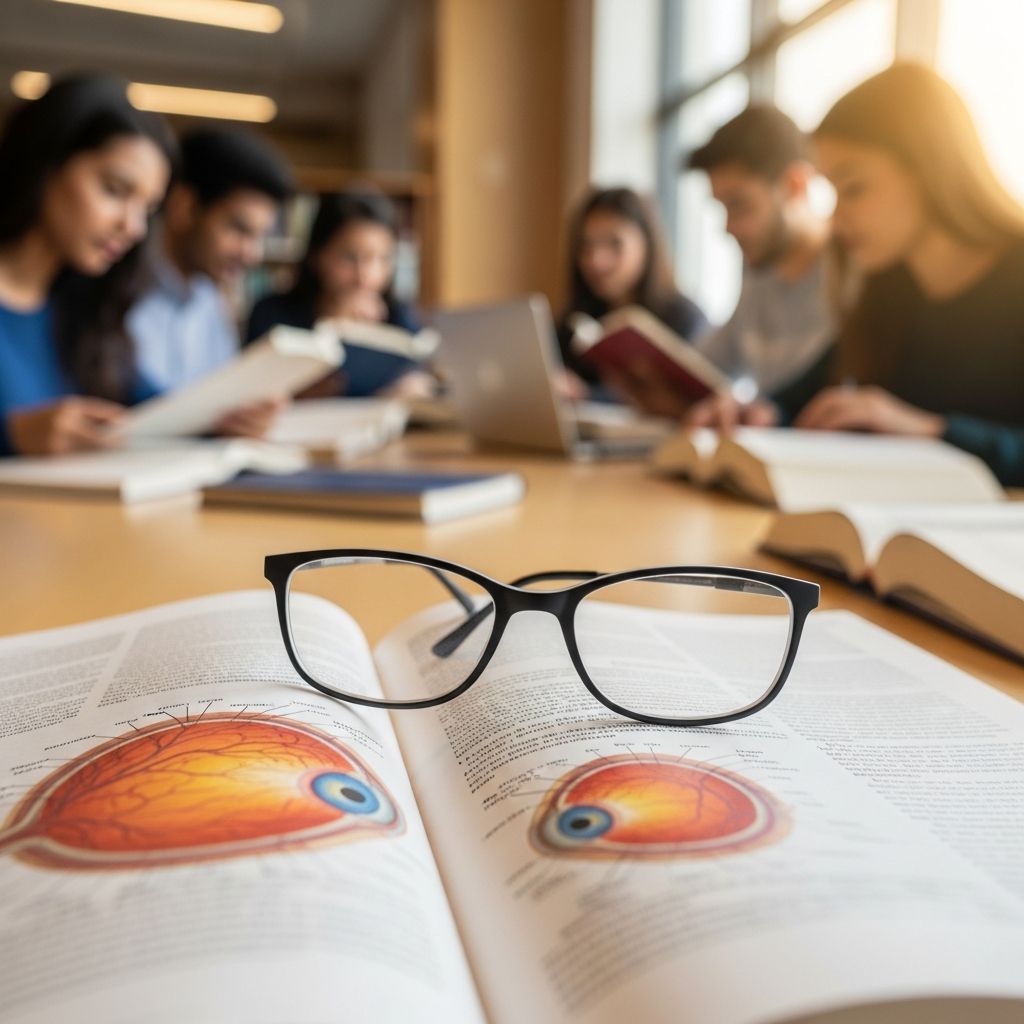
Clear vision is a cornerstone of effective learning, enabling students to engage fully with classroom materials and digital resources. Research demonstrates that providing prescription glasses to those with refractive errors like myopia significantly enhances academic outcomes, including higher grade point averages and reduced dropout rates.
The Hidden Barrier of Uncorrected Vision
Many students struggle silently with blurry vision, which hampers their ability to see chalkboards, read textbooks, or follow presentations. Conditions such as nearsightedness (myopia), farsightedness (hyperopia), and astigmatism distort visual input, forcing the brain to work harder to interpret unclear images. This extra effort leads to fatigue, headaches, and diminished attention spans during lessons.
Studies reveal that a substantial portion of schoolchildren—up to 48.7% in some populations—experience myopia, with over 60% of affected individuals not using corrective lenses. Without glasses, these students miss critical details, participate less in discussions, and fall behind in comprehension, creating a cycle of frustration and underachievement.
How Glasses Boost Concentration and Engagement
Prescription eyewear sharpens focus by aligning visual clarity with cognitive demands. When students can see clearly, they process information more efficiently, leading to sustained attention throughout the school day.
- Elimination of Eye Strain: Squinting or straining to read causes physical discomfort, diverting mental energy from learning. Glasses reduce this strain, allowing prolonged concentration.
- Enhanced Classroom Participation: Clear sight of the board or screen encourages active involvement, from answering questions to group work.
- Better Information Retention: Visual aids like diagrams and text become accessible, improving memory and understanding of complex subjects.
Evidence from randomized trials confirms these benefits: free glasses halved dropout rates among junior high students in rural China who previously lacked eyewear, while also lifting math exam scores and educational aspirations.
Scientific Evidence Linking Eyewear to Better Grades
Rigorous research underscores the academic advantages of vision correction. A cross-sectional study of 647 Vietnamese secondary students found spectacle use associated with substantial gains: a 0.462-point increase in GPA, 0.517 in math scores, and 0.438 in literature scores, even after adjusting for study habits and screen time.
| Metric | Effect of Spectacles (β Coefficient) | P-value | 95% Confidence Interval |
|---|---|---|---|
| GPA | 0.462 | 0.011 | 0.108–0.816 |
| Math Scores | 0.517 | 0.044 | 0.015–1.020 |
| Literature Scores | 0.438 | 0.018 | N/A |
This table summarizes adjusted results for students with reduced visual acuity, highlighting consistent improvements across subjects. Similar patterns emerge globally: in China, glasses improved test scores by 0.24 to 0.27 standard deviations in myopic students, with stronger effects in economically disadvantaged areas where blackboard use is prevalent.
Related Stories



These findings hold across diverse settings, from urban Vietnam to rural China, affirming that vision correction is a high-impact, low-cost intervention for academic equity.
Eye Exams: The First Step to Academic Improvement
Routine vision screenings at school often miss subtle issues, underscoring the need for comprehensive eye exams by qualified professionals. Pediatric optometrists assess refractive errors, binocular vision, and eye health, prescribing tailored lenses if needed.
Parents should schedule exams before each school year, especially if children exhibit signs like frequent headaches, sitting too close to screens, or avoiding reading. Early detection prevents long-term vision decline and supports steady academic progress.
Choosing the Right Glasses for Young Learners
Not all eyewear is equal; student glasses must balance correction, comfort, and durability. Key features include:
- Lightweight Frames: Flexible materials like titanium or acetate prevent slippage during active school days.
- Anti-Reflective Coatings: Minimize glare from lights and devices for sharper vision.
- Blue Light Protection: Shields against digital strain from prolonged computer or tablet use.
- Adjustable Nosepads and Temples: Ensure a secure fit as faces grow.
Stylish options empower students to embrace their eyewear, boosting confidence and consistent wear. Customizable colors and designs make glasses a fashion statement rather than a burden.
Addressing Myopia in the Digital Age
Myopia rates are surging due to near-work demands and limited outdoor time. Spectacles manage symptoms effectively, but combining them with habits like the 20-20-20 rule (every 20 minutes, look 20 feet away for 20 seconds) optimizes eye health.
Research links uncorrected myopia to weaker performance in vision-dependent tasks, yet corrected vision restores parity. In regions with high blackboard reliance, the impact is pronounced, as distance vision is essential.
Long-Term Benefits Beyond the Classroom
Investing in vision care yields dividends in higher education and career prospects. Students with clear sight develop stronger study skills, pursue ambitious goals, and experience less frustration.
Schools and communities benefit too: fewer dropouts mean higher graduation rates and reduced educational disparities, particularly in low-resource areas.
Frequently Asked Questions
Do all students need glasses for good grades?
No, but those with uncorrected vision issues see marked improvements. About 23% of students have reduced acuity that benefits from correction.
How often should kids get eye exams?
Annually for school-aged children, or more if family history of myopia exists.
Can glasses prevent myopia progression?
They correct vision but don’t halt progression; orthokeratology or atropine drops may complement under specialist guidance.
Are blue light glasses necessary for homework?
Helpful for heavy screen users to cut strain, though evidence on prevention is emerging.
What if a child refuses to wear glasses?
Involve them in frame selection and explain benefits; consistency improves with time.
Empowering Students Through Vision Health
Prioritizing eye care equips students to thrive academically. Simple steps like exams and proper glasses unlock potential, fostering lifelong success. Parents, educators, and policymakers must champion accessible vision services to level the playing field.
References
- Does Wearing Glasses Help Students Focus Better In Class? — Dresden Vision. 2025-01-16. https://dresden.vision/blog/volume-37-does-wearing-glasses-help-students-focus-better-in-class
- Impact of spectacle use on academic performance among schoolchildren with reduced visual acuity and myopia: A cross-sectional study in Vietnam. — PMC (PubMed Central). 2024. https://pmc.ncbi.nlm.nih.gov/articles/PMC12068628/
- Experimental Evidence on the Impact of Eyeglasses on Academic Outcomes in China. — University of Chicago Journals. 2020. https://www.journals.uchicago.edu/doi/full/10.1086/700631
- Effect of Eyeglasses on Student Academic Performance: What Matters? Evidence from a Randomized Controlled Trial in China. — Stanford FSI. N/A. https://fsi.stanford.edu/publication/effect-eyeglasses-student-academic-performance-what-matters-evidence-randomized
Similar Articles








Read full bio of Sneha Tete