Vision Protection Strategies for Elite Athletes
Comprehensive guide to safeguarding athlete vision during competitive sports
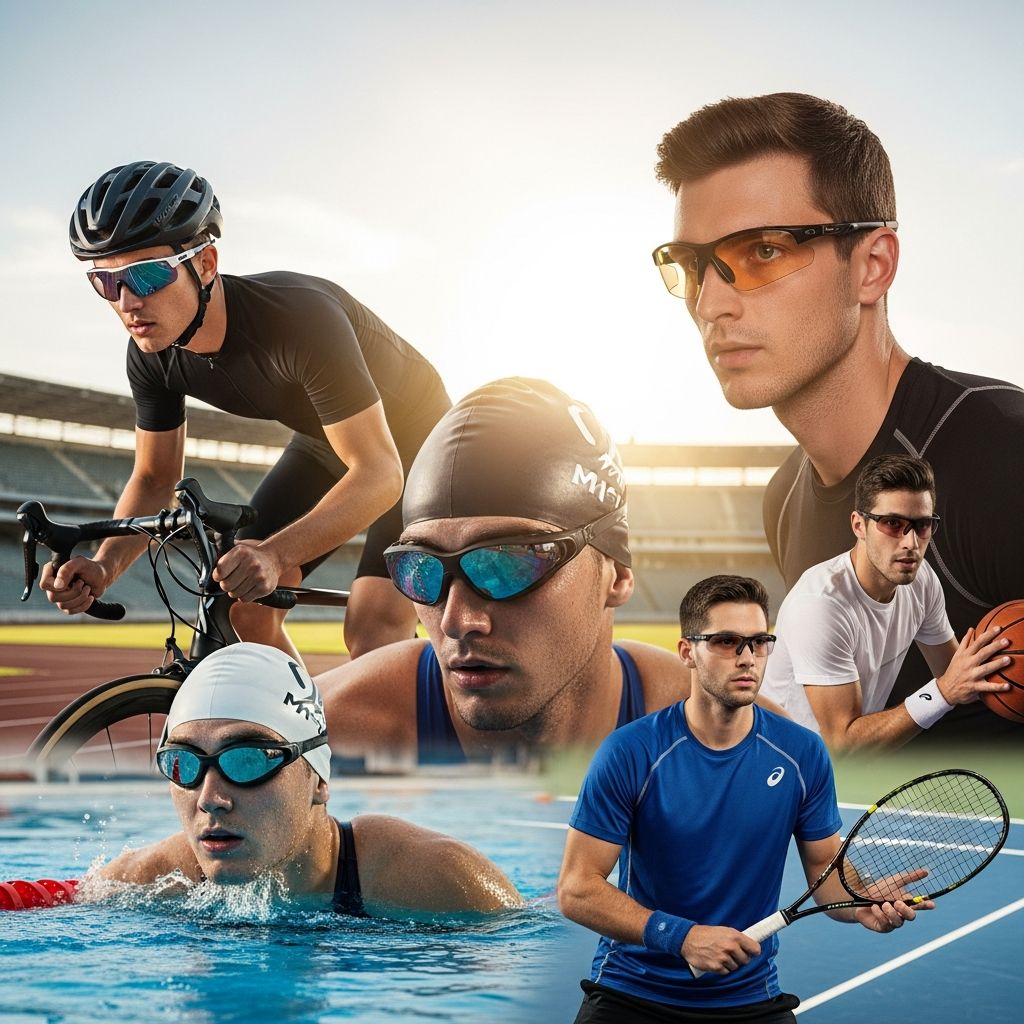
Athletic competition at the highest levels demands exceptional physical performance and mental focus. Yet one critical component often receives insufficient attention: protecting the visual system from traumatic injury. According to recent data, more than 43,300 individuals annually seek treatment for sports-related eye injuries, many of which could have been prevented through appropriate protective measures. Elite athletes competing in Olympic events, professional leagues, and international tournaments face heightened risks due to the intensity, speed, and contact inherent in their sports. Understanding how to properly safeguard vision while maintaining competitive performance has become essential for athletes, coaches, and sports medicine professionals.
The Scope of Sports-Related Eye Injuries
Eye injuries in athletic settings range from minor abrasions to severe trauma resulting in permanent vision loss. The mechanism of injury varies significantly depending on the sport. Some athletes face risks from high-velocity projectiles such as balls or pucks, while others encounter contact from opponents’ limbs, equipment, or environmental hazards like wind and ultraviolet radiation. Certain sports present particularly elevated risks. Full-contact martial arts, boxing, lacrosse, field hockey, and racquet sports generate numerous eye injury incidents annually. The severity of potential injuries emphasizes why preventive eye protection should be treated with the same seriousness as helmets or other protective gear.
Beyond the immediate pain and visual disruption, sports-related eye injuries can have lasting consequences. Some athletes experience permanent vision reduction or complete vision loss in the affected eye. Even temporary injuries can compromise an athlete’s ability to compete effectively and may require extended recovery periods. This reality underscores why comprehensive eye protection strategies must be integrated into training regimens and competition protocols.
Understanding Material Science in Protective Eyewear
The foundation of effective eye protection lies in selecting appropriate lens materials. Traditional glass lenses and standard plastic represent outdated choices for athletic applications. Modern protective eyewear relies on advanced materials engineered to withstand high-impact forces while maintaining optical clarity and lightweight properties.
Polycarbonate Lens Technology
Polycarbonate has emerged as the gold standard material for sports eye protection across virtually all athletic disciplines. This thermoplastic polymer offers several distinct advantages over conventional lens materials. Polycarbonate lenses are inherently shatterproof, meaning they resist cracking, shattering, or fragmenting when subjected to significant impact forces. This quality is essential because eye injuries involving lens fragments can compound traumatic damage by introducing foreign material into the eye itself.
Additionally, polycarbonate demonstrates superior impact resistance compared to plastic or glass alternatives. It is substantially stronger while remaining thinner and lighter than standard materials, which enhances both comfort and performance during extended wear. Athletes wearing lighter eyewear experience less facial fatigue and fewer distractions during competition. The material also provides intrinsic ultraviolet (UV) protection, safeguarding the eye from solar radiation during outdoor sporting activities. This combination of properties—impact resistance, durability, lightweight construction, and UV filtration—makes polycarbonate the preferred choice for elite athletes across multiple sports.
Achieving Proper Fit and Comfort Parameters
Even the most advanced protective lens material provides inadequate protection if the eyewear does not fit correctly. Improper fit undermines the protective function of eye protection and can actually create additional hazards through distraction or reduced field of vision.
Critical Fit Specifications
Sports goggles and eye guards must fit snugly around the head and eye area without creating pressure points that cause discomfort. A secure fit prevents the eyewear from shifting or dislodging during vigorous movement, which could occur during sudden direction changes, falls, or contact with opponents. The eyewear should maintain consistent contact with the face while accommodating the athlete’s natural head movements and vision patterns.
Related Stories



Frames require robust construction using durable materials capable of withstanding the rigorous demands of athletic competition. Sturdy frames maintain their structural integrity through repeated impacts and movements, ensuring the lenses remain properly positioned and functional throughout extended competition. Frame materials should balance strength with flexibility, allowing the eyewear to absorb some force without transferring all energy to the eyes.
For athletes who require vision correction, eyewear design must accommodate either prescription lenses or contact lenses beneath protective eyewear. Prescription lenses can be incorporated directly into protective frames, ensuring clear vision while maintaining all protective benefits. Contact lenses present an alternative, though athletes must ensure the protective eyewear sits properly over the contact lens-corrected eyes. Any slippage or improper fit compromises the protective function.
Comfort Features and Extended Wear
Comfort becomes increasingly important during competitions lasting several hours. Soft padding around the frames and adjustable straps enhance comfort and prevent skin irritation from extended contact. The eyewear should not press into the temples or bridge of the nose, as such pressure creates distraction, reduces focus, and can lead to headaches that impair athletic performance. Thoughtful design that prioritizes comfort without sacrificing protection allows athletes to maintain full attention on competition.
Activity-Specific Protection Requirements
Different sports demand different protective approaches based on their unique injury mechanisms and intensity levels. A comprehensive eye protection strategy requires understanding these sport-specific demands.
Contact Sports and Face Protection
Sports involving direct contact between athletes demand robust face and eye protection. Helmet-mounted faceguards and visors offer superior protection compared to standalone goggles. These systems, typically constructed from polycarbonate material, are specifically designed to withstand direct strikes from opponents’ bodies, limbs, and equipment. Faceguards should meet established safety standards such as NOCSAE (National Operating Committee on Standards for Athletic Equipment) certification for helmet-mounted systems. For ice hockey, protection standards established by The Hockey Equipment Certification Council (HECC) ensure equipment meets rigorous safety benchmarks.
Boxing and full-contact martial arts present particular challenges because athletes face direct facial strikes and cannot realistically avoid head contact as an element of competition. While complete eye protection is not feasible in these disciplines, certain modifications such as thumbless gloves have been shown to reduce eye injury frequency. Athletes in these sports should work with coaches and medical professionals to minimize unnecessary risks within the inherent constraints of their discipline.
Projectile Sports
Sports involving high-velocity projectiles—such as tennis, badminton, baseball, and similar racquet and ball sports—require eyewear meeting ASTM (American Society of Testing and Materials) standards or CDA (racquet sports) standards. Sports eye guards designed as goggles or spectacles offer reduced protection compared to helmet-mounted faceguards but substantially outperform unprotected eyes. When a high-speed ball impacts an unprotected eye, the result frequently involves severe trauma and vision loss. With appropriate protective eyewear, the same impact disperses across the protective lens and frame structure, typically preventing serious injury.
Winter and Outdoor Sports
Winter Olympic sports including skiing, snowboarding, ice skating, and sledding require specialized eye protection addressing distinct environmental challenges. Athletes in these disciplines wear helmets combined with specially designed goggles rather than traditional protective glasses. Helmet-integrated protection provides maximal safety during potential falls or collisions with terrain. Goggle technology specifically serves winter sports needs by utilizing specialized lens technology that assists athletes in visualizing changes in snow surface conditions, which is critical for maintaining control and performance.
Outdoor sunglasses with 100% UV protection represent a separate but essential protective consideration for all outdoor sports. Solar UV radiation accumulates over years of exposure and increases risks for cataracts and other degenerative eye conditions. Athletes should select sunglasses that block UVA and UVB radiation completely, protecting both current vision and long-term eye health.
Regulatory Standards and Compliance
Multiple established standards govern the design and testing of sports eye protection equipment. These standards exist because rigorous testing has demonstrated their effectiveness in preventing injuries.
| Standard | Application | Key Requirements |
|---|---|---|
| ASTM F803-19 | Sports eye guards and goggles | Impact resistance testing, lens clarity, frame durability |
| NOCSAE | Helmet-mounted faceguards and visors | Enhanced impact protection, structural integrity |
| HECC | Ice hockey protective systems | Face and eye protection in hockey-specific conditions |
| OSHA Standards | Workplace and sports eye protection | Impact resistance, snug fit, material durability |
Athletes and organizations should verify that selected eyewear carries appropriate certification labels or documentation confirming compliance with relevant standards. Equipment meeting these rigorous standards has undergone extensive testing to ensure it provides authentic protection, whereas non-certified eyewear may offer only cosmetic protection without functional safety benefits.
Incorporating Vision Correction into Protection
Athletes requiring vision correction face the challenge of integrating corrective optics into protective systems. Standard prescription glasses and sunglasses do not provide adequate eye protection and should never be worn as primary protective eyewear, nor should they be worn underneath protective goggles.
Several solutions effectively combine vision correction with protection. Prescription safety lenses can be incorporated directly into protective frames, providing clear vision while maintaining all protective benefits. Many manufacturers now offer this service, producing custom protective eyewear with the athlete’s specific prescription. Contact lenses represent an alternative approach, allowing athletes to wear protective eyewear unmodified while maintaining clear vision correction. Athletes selecting contact lenses for sports participation should ensure adequate lubrication and follow strict hygiene protocols to prevent eye infections during competition.
Pre-Competition Eye Assessment Protocols
Comprehensive eye health evaluation before competition season ensures athletes begin competition with optimal visual function and no undetected conditions that might compromise safety. Such assessments should ideally occur during off-season periods to allow time for treatment of any identified issues before competition commences.
A thorough eye examination includes documentation of the athlete’s vision history, current visual acuity, any pre-existing eye conditions or prior injuries, and history of eye surgery. Medical professionals conducting these assessments should perform physical examination of the eye, measure intraocular pressure, assess the anterior eye segment structures, evaluate the retina and optic nerve, and capture relevant imaging as indicated. This comprehensive approach identifies conditions that might require special protective considerations or that could affect performance.
Athletes with monocular vision—those with functional vision in only one eye—warrant particular attention and should be mandatory candidates for robust eye protection. The loss of the remaining functional eye would result in blindness, making protection against even minor injuries especially critical for this population.
Equipment Maintenance and Inspection
Protective eyewear requires regular inspection to maintain its protective function. Before each use, athletes and coaching staff should examine the eyewear for cracks, damage, deformations, or wear to the protective coating. Equipment with compromised structural integrity cannot reliably protect against impact forces and should be replaced immediately. Accumulated impacts over a season can gradually degrade protective properties, necessitating periodic replacement even if visible damage is not apparent.
Frequently Asked Questions About Athletic Eye Protection
What eyewear can substitute for sport-specific protective gear?
Standard prescription glasses, sunglasses, and occupational safety glasses do not meet the protective requirements of sports eye protection. These items lack the impact resistance and structural properties needed to withstand the forces generated in athletic competition. Using non-sport-certified eyewear creates a false sense of security while providing inadequate actual protection.
Are contact lenses adequate eye protection for athletes?
Contact lenses provide vision correction but not eye protection. They should be worn beneath appropriate protective eyewear when an athlete chooses the contact lens approach to vision correction. Athletes using contact lenses must maintain meticulous hygiene to prevent infections during extended sports participation.
How often should protective eyewear be replaced?
Protective eyewear should be inspected before each use and replaced whenever damage appears or after significant impacts that may have degraded protective properties. Even without visible damage, accumulated wear over a season may compromise protective function, suggesting replacement at the beginning of each new season or more frequently for high-intensity sports.
Can eye injuries truly be prevented with proper protection?
Yes, proper use of appropriate protective eyewear can prevent most sports-related eye injuries. Choosing impact-resistant, well-fitting eyewear significantly reduces injury risk, allowing athletes to focus on performance without compromising safety. The key is selecting activity-appropriate eyewear and ensuring consistent, correct usage throughout competition.
Conclusion: Prioritizing Vision in Athletic Excellence
Elite athletic performance demands complete physical optimization, including vision protection that receives the same disciplined attention as strength training, nutrition, and technical skill development. The evidence is clear: appropriate protective eyewear, selected according to sport-specific requirements and individual vision needs, effectively prevents the vast majority of sports-related eye injuries. By understanding material science, fit specifications, regulatory standards, and activity-specific requirements, athletes can implement comprehensive eye protection strategies that maintain both safety and competitive performance. Vision represents an irreplaceable component of athletic function—protecting it should be non-negotiable at every level of competition.
References
- Choosing Protective Eyewear for Legally Blind Athletes: Essential Considerations for Safety and Performance — NELowVision.com. 2024. https://nelowvision.com/choosing-protective-eyewear-for-legally-blind-athletes-essential-considerations-for-safety-and-performance/
- 4 Tips on Eye Safety When Playing Sports — Medical Eye Center. 2023-04-19. https://www.medicaleyecenter.com/2023/04/19/4-tips-on-eye-safety-when-playing-sports/
- Recommended Sports Eye Protectors — Prevent Blindness. 2025. https://preventblindness.org/recommended-sports-eye-protectors/
- International Olympic Committee (IOC) Consensus Paper on Sports Ophthalmology — PubMed Central/National Center for Biotechnology Information. 2023. https://pmc.ncbi.nlm.nih.gov/articles/PMC10357794/
- Vision and Viewing Guide to the 2018 Winter Olympics — Discover Vision. 2018. https://www.discovervision.com/blog/vision-and-viewing-guide-to-the-2018-winter-olympics/
- Help Patients Keep Their Eyes on the Ball—and Safe from Injury — American Optometric Association. 2025. https://www.aoa.org/news/clinical-eye-care/health-and-wellness/help-patients-keep-their-eyes-on-the-ball-and-safe-from-injury
Similar Articles








Read full bio of Sneha Tete