Vision Threats: Habits Damaging Your Eyes Daily
Discover common daily habits silently harming your eyesight and vision health

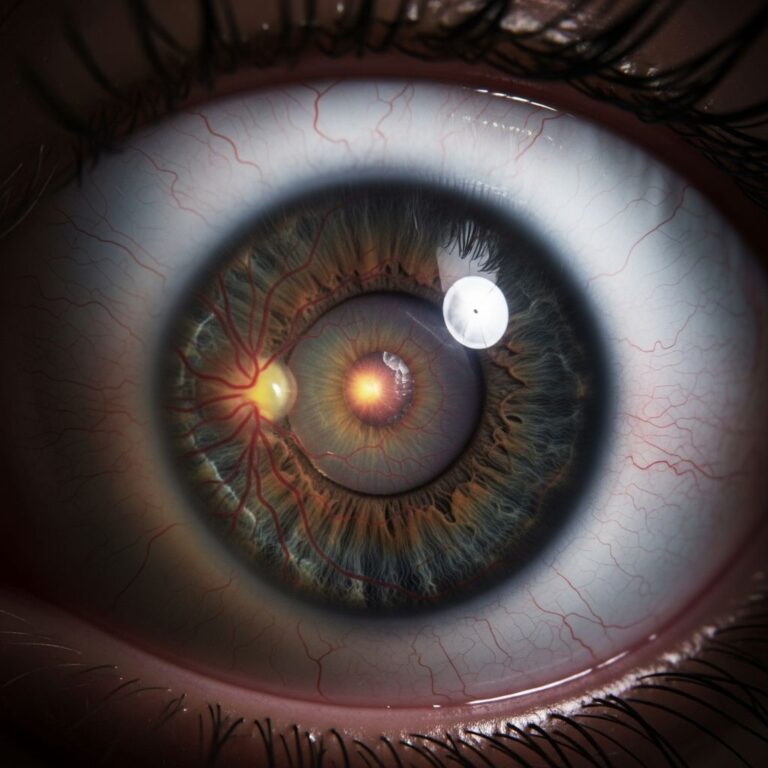
Your eyes are among the most precious sensory organs, yet many people neglect them until problems emerge. The unfortunate reality is that countless everyday behaviors silently compromise visual health, gradually eroding the clarity and function we take for granted. Understanding which activities harm your eyes is the first step toward building a sustainable protective routine that preserves your sight throughout your lifetime.
The Silent Epidemic of Screen-Related Eye Strain
Modern life revolves around digital screens. Whether you’re working at a computer, scrolling through a smartphone, or watching television, extended screen exposure creates significant strain on your visual system. When focused on digital displays, your eyes work harder to process light and maintain focus, leading to a condition commonly called digital eye fatigue.
A critical problem accompanying screen use is reduced blinking. Your natural blink rate drops substantially when concentrating on a screen, which diminishes tear production and allows your eyes to dry out. This dryness triggers discomfort, irritation, and fatigue that can persist even after you stop viewing the screen.
The solution involves implementing structured screen breaks using the 20-20-20 rule: every 20 minutes spent viewing a screen, pause for 20 seconds and focus on an object at least 20 feet away. This allows your eyes to relax their accommodation muscles and encourages natural blinking to restore moisture to the eye surface. Additionally, maintaining proper posture and screen distance—typically 20-26 inches from your eyes—reduces the focusing demand on your visual system.
Ultraviolet Radiation and Long-Term Vision Damage
Sunlight exposure poses one of the most underestimated threats to eye health. Ultraviolet (UV) radiation penetrates the eye’s exterior structures and can accumulate damage over decades, leading to serious conditions like cataracts, macular degeneration, and ocular cancers.
Many people incorrectly assume UV exposure is only a concern during summer months or in bright sunlight. In reality, UV rays reflect off snow, water, and pavement, intensifying their harmful effects even on cloudy days and during winter months. Your eyes receive cumulative UV exposure throughout the year, making year-round protection essential.
Selecting appropriate sunglasses requires attention to specific standards. Quality sunglasses must block 99-100% of both UVA and UVB radiation. Wraparound styles provide superior protection by blocking UV rays that might otherwise enter from the sides of standard glasses. Even if you typically wear eyeglasses or contact lenses with UV-protective coatings, supplementing with quality sunglasses during outdoor activities significantly enhances your defense against radiation damage.
Contact Lens Mismanagement and Infection Risk
Contact lenses offer excellent vision correction, but improper handling creates substantial risks. Many wearers exceed recommended wearing durations, believing modern lenses can remain in eyes longer than designed. Extended wear reduces oxygen flow to the cornea, creating an environment where harmful bacteria thrive and infections develop more readily.
Sleeping in contact lenses presents particular danger. Even lenses marketed as overnight-safe increase the risk of corneal ulcers and serious infections that can threaten vision permanently. The eye’s protective mechanisms function differently during sleep, and extended lens contact in this state compromises corneal health significantly.
Proper contact lens hygiene demands consistent attention:
Related Stories



- Remove lenses before sleeping, even for brief naps
- Replace solution daily—never reuse old solution
- Avoid using tap water or saliva to rinse lenses
- Wash hands thoroughly before handling lenses
- Use only solution recommended by your eye care provider
- Replace lens cases every three months
Following these practices prevents infections that range from minor irritation to vision-threatening complications.
Neglecting Regular Eye Examinations
Many people skip regular eye exams, assuming their vision is satisfactory if they can see clearly. This reasoning overlooks the reality that numerous eye diseases develop silently without obvious symptoms until advanced stages. Conditions like glaucoma and early macular degeneration often progress without noticeable warning signs.
Comprehensive eye exams detect these conditions early when treatment is most effective. For adults under 40 with no risk factors, exams every two years provide adequate screening. However, once you reach 40, annual exams become important because this is when many age-related eye diseases and vision changes begin appearing. If you have existing conditions, family history of eye disease, or other risk factors, more frequent exams are necessary.
Beyond disease detection, regular exams update your prescription, ensure your corrective lenses are optimized for your visual needs, and establish baseline measurements for monitoring changes over time.
Hand-to-Eye Contact and Infection Transmission
Your hands encounter countless bacteria and viruses throughout the day. When you touch your eyes—whether scratching an itch or adjusting contact lenses—you transfer these microorganisms directly onto delicate eye tissues. This creates a direct pathway for infections ranging from common conjunctivitis to more serious ocular conditions.
Additionally, rubbing your eyes can physically injure delicate structures. The cornea, the clear tissue covering your iris and pupil, is remarkably fragile. Aggressive rubbing can cause corneal abrasion and potentially contribute to conditions like keratoconus, where the cornea progressively thins and weakens.
Protecting your eyes from hand-related contamination requires establishing disciplined habits: wash your hands with soap and water before touching your face or handling contact lenses, avoid rubbing your eyes when tired or itchy, and when an itch persists, use a clean tissue or artificial tears instead of your fingers.
Nutritional Deficiencies and Vision Support
Your eyes depend on specific nutrients to function optimally and resist age-related degeneration. Lutein and zeaxanthin, carotenoids found in leafy greens, protect the macula from oxidative damage. Vitamins C and E function as antioxidants that prevent cellular deterioration. Omega-3 fatty acids support retinal health and tear production. Zinc aids in vitamin A absorption, essential for night vision and overall visual function.
A diet deficient in these nutrients accelerates age-related vision decline and fails to provide the foundational support your eyes need. Conversely, regularly consuming foods rich in eye-protective compounds—spinach, kale, salmon, almonds, and blueberries—actively supports long-term visual health.
Beyond nutrition, maintaining a healthy weight and controlling chronic conditions like diabetes and hypertension directly protects vision. Diabetes damages blood vessels in the retina, and hypertension compromises ocular circulation. These systemic conditions represent some of the leading preventable causes of vision loss.
Inadequate Protection During Physical Activities and Hazardous Environments
Many people underestimate the importance of protective eyewear during activities involving potential eye injury. Whether you’re working with tools, engaging in sports, or swimming, your eyes face risks that standard glasses cannot adequately address.
Swimming poses particular danger because chlorine and waterborne bacteria directly contact your eyes, especially if you wear contact lenses. The osmotic imbalance between pool water and your tear film can damage the cornea, while bacteria can cause serious infections. Prescription goggles provide ideal protection for contact lens wearers.
High-altitude activities require specialized UV protection because the atmosphere’s filtering capacity diminishes at elevation, allowing more intense UV radiation to reach your eyes. Standard everyday sunglasses provide insufficient protection for mountainous terrain or high-altitude hiking.
Impact-related eye injuries from sports or workplace activities can cause permanent vision loss. ANSI-certified protective eyewear rated for specific activities provides essential defense against these preventable injuries.
Eyelid Hygiene and Inflammation Prevention
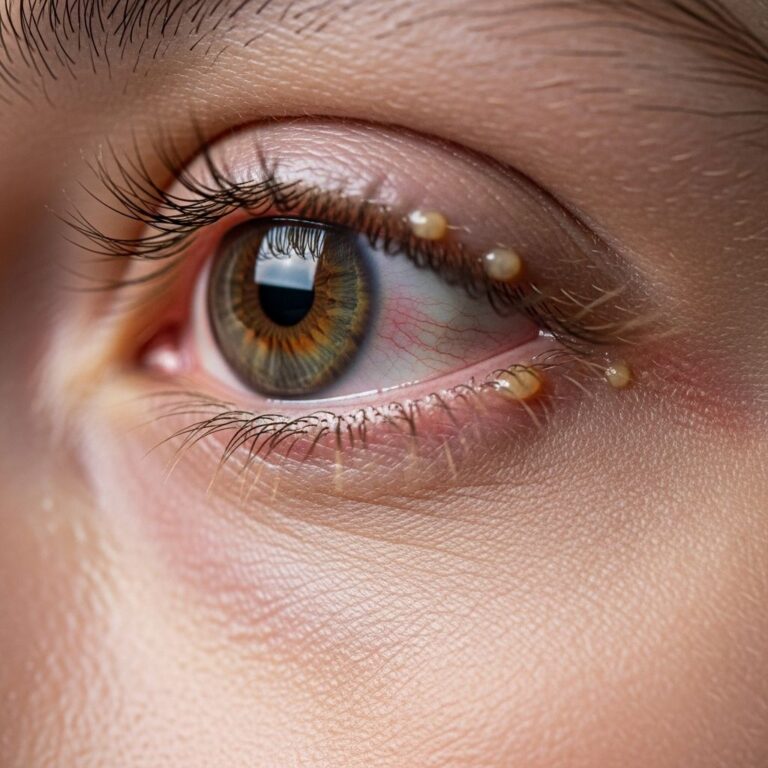
Your eyelids contain oil glands that produce natural lubricants essential for tear stability and eye comfort. When these glands become inflamed or infected—a condition called blepharitis—your eyes experience chronic dryness, irritation, and discomfort. Blepharitis is remarkably common yet frequently goes unrecognized as the source of persistent eye problems.
This inflammation can result from bacterial colonization, mites, or underlying skin conditions like rosacea. Poor eyelid hygiene allows these problems to develop and persist. Maintaining eyelid health requires gently cleaning your eyelid margins daily with warm water or specialized eyelid cleansers, particularly if you experience any crusting or debris accumulation.
Ignoring Vision Changes and Symptom Warnings
Sudden changes in your vision—floaters, flashes of light, blurred areas, or consistent headaches—warrant immediate professional evaluation. While not every symptom indicates serious disease, some represent emergency conditions requiring urgent treatment. Retinal detachment, for example, produces characteristic warning symptoms and becomes treatable only when addressed quickly.
Gradual vision decline often goes unnoticed until significant damage has accumulated. This is why regular examinations are essential; they detect changes before you consciously perceive them. Never assume vision changes are normal consequences of aging or stress; professional evaluation distinguishes between benign changes and problematic conditions requiring intervention.
Environmental Factors and Workplace Hazards
Workplace environments introduce specific eye health challenges. Dry indoor air from heating and air conditioning systems accelerates tear evaporation. Certain occupations expose eyes to chemical vapors, dust, or radiation. Computer-intensive work creates digital eye strain. Industrial settings pose impact and chemical splash hazards.
Addressing workplace eye health requires identifying specific hazards in your environment and implementing appropriate controls: using humidifiers in dry environments, ensuring adequate ventilation in areas with chemical exposure, taking frequent breaks from computer work, and consistently using required protective equipment.
Substance Use and Systemic Health Connections
Smoking damages ocular blood vessels and accelerates age-related macular degeneration while increasing cataract risk substantially. Excessive alcohol consumption impairs nutritional absorption and contributes to vitamin deficiencies affecting vision. Certain medications produce dry eye as a side effect, requiring additional protective measures.
Controlling systemic health—managing blood sugar, blood pressure, and cholesterol—directly impacts vision preservation. These factors influence ocular blood circulation and the structural integrity of delicate eye tissues. The American Diabetes Association emphasizes that 90% of diabetes-related blindness is preventable through proper disease management.
Building Your Eye Protection Strategy
Protecting your vision requires integrated attention across multiple domains. Create a comprehensive approach addressing nutrition, environmental protection, technology habits, professional screening, and disease management. Small consistent changes compound into substantial vision preservation over decades.
Begin by identifying which harmful habits most affect your personal routine, then systematically address them. Whether implementing screen breaks, selecting proper sunglasses, improving contact lens hygiene, or scheduling overdue eye exams, each action moves you toward better visual health and long-term sight preservation.
References
- Preventing Vision Loss — Centers for Disease Control and Prevention (CDC). 2024. https://www.cdc.gov/vision-health/prevention/index.html
- Healthy Vision Tips — National Eye Institute, National Institutes of Health (NIH). 2024. https://www.nei.nih.gov/eye-health-information/healthy-vision/nei-for-kids/healthy-vision-tips
- 3 Eye Care Mistakes to Avoid — Central Valley Eye Medical Group. https://cvemg.com/3-eye-care-mistakes-to-avoid/
- 5 Eye Health Mistakes You Might Be Making — UW Medicine Right as Rain. https://rightasrain.uwmedicine.org/well/prevention/5-eye-health-mistakes-you-might-be-making
- Top Tips to Maintain Eye Health — Sutter Health. https://www.sutterhealth.org/health/eye-care-tips
Similar Articles








Read full bio of Sneha Tete