Vitamin A Benefits: 6 Key Health Effects
Explore the essential health benefits of vitamin A, from vision support to immune function and disease prevention strategies.
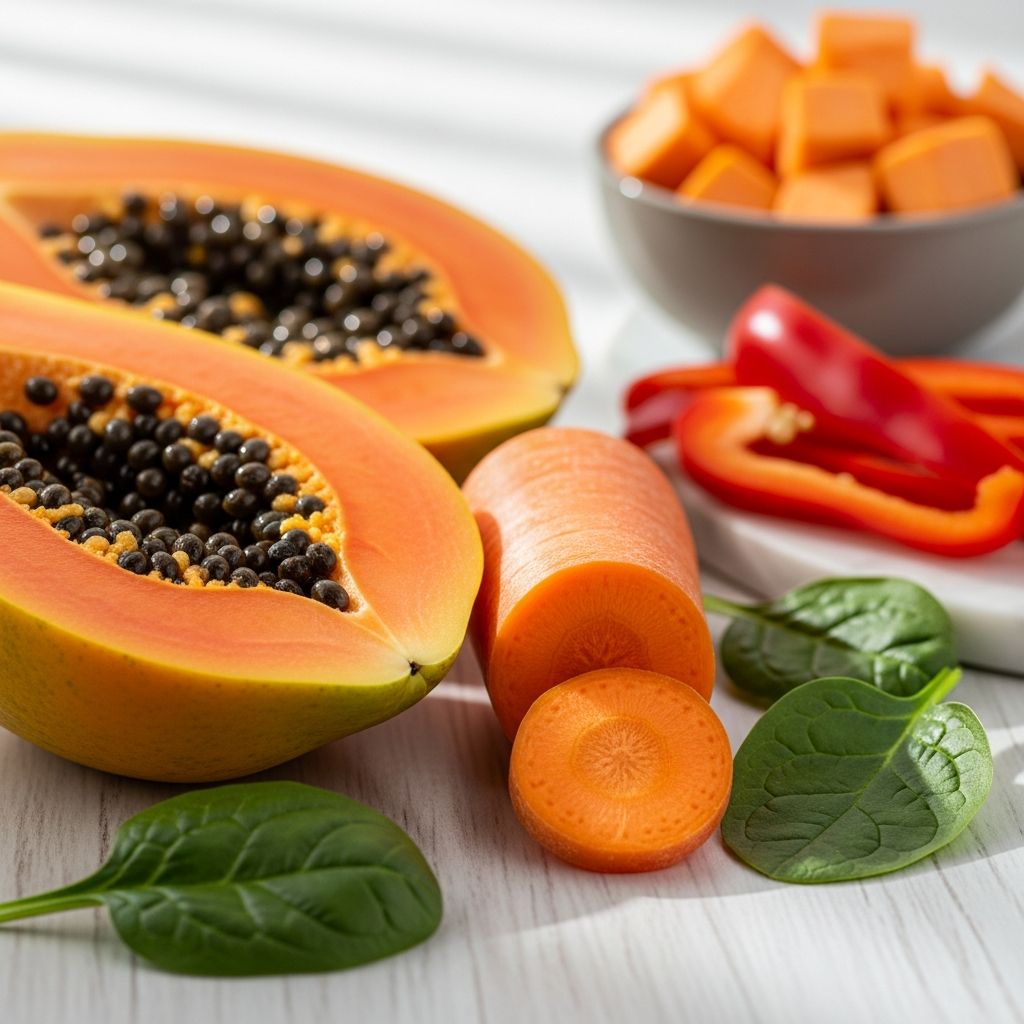
Vitamin A, also known as retinol, is a fat-soluble nutrient essential for vision, immune function, reproduction, and cellular growth. It exists in preformed retinol from animal sources and provitamin A carotenoids like beta-carotene from plants, supporting overall health when obtained through a balanced diet.
What Is Vitamin A?
Vitamin A encompasses a group of compounds including retinol, retinal, retinoic acid, and provitamin A carotenoids such as beta-carotene. These are crucial for maintaining healthy vision, skin, and mucous membranes. Retinol, the active form, is vital for producing pigments in the retina that enable sight, particularly in low light. The body converts beta-carotene into vitamin A as needed, making plant foods a safe source without toxicity risks.
Vitamin A supports cell growth and differentiation, aiding the formation of organs like the heart, lungs, and eyes. Its antioxidant properties from carotenoids help protect cells from free radical damage, potentially reducing risks of chronic diseases.
Vitamin A Benefits
Vitamin A provides multiple health benefits backed by research from health authorities.
Supports Vision Health
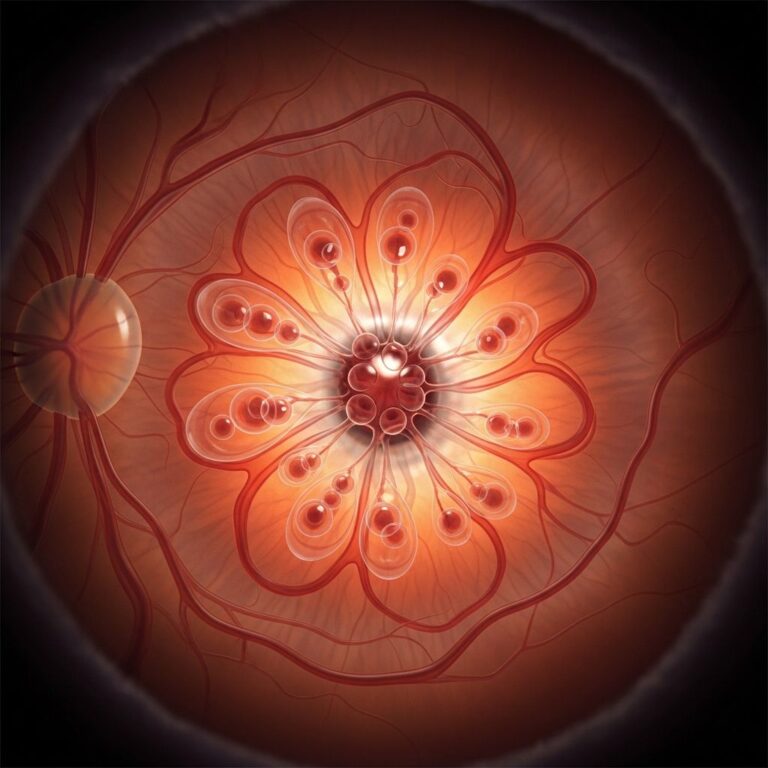
Vitamin A is a key component of rhodopsin, the light-sensitive protein in the retina essential for vision in dim light. Deficiency leads to night blindness and severe cases like xerophthalmia, causing irreversible corneal damage. Studies show adequate intake maintains conjunctival membranes and cornea function.
In age-related macular degeneration (AMD), the AREDS trial demonstrated that supplements with beta-carotene (15 mg), vitamin E, C, zinc, and copper reduced advanced AMD risk by 25% in high-risk individuals over five years. Later formulations with lutein and zeaxanthin instead of beta-carotene further lowered progression risk by 20% after 10 years.
Boosts Immune Function
Vitamin A strengthens immunity by supporting cellular communication and mucous membrane integrity, acting as a barrier against infections. It promotes growth and differentiation of immune cells. In children at high risk of deficiency, supplementation reduces measles incidence by 50%, though it does not lower mortality rates.
Promotes Reproduction and Growth
Essential for male and female reproduction, vitamin A facilitates sperm production and fetal development. It supports embryonic growth, preventing birth defects when levels are adequate. During pregnancy and breastfeeding, needs increase to 770 mcg and 1,300 mcg RAE daily, respectively.
Maintains Skin and Tissue Health
Vitamin A helps form and maintain healthy skin, teeth, skeletal tissue, and soft tissues. Topical retinoic acid treats acne and reduces wrinkles by promoting cell turnover. Deficiency causes dry, scaly skin (hyperkeratosis).
Potential Role in Cancer Prevention
Higher dietary intakes of retinol, carotenoids, fruits, and vegetables correlate with lower risks of lung, pancreatic, ovarian, esophageal, and other cancers per meta-analyses of observational studies. However, beta-carotene supplements do not reduce cancer risk and may increase it in smokers.
Other Benefits
Antioxidant effects may protect against heart disease, though supplements show no clear benefit. It supports organ maintenance and reduces anemia in deficiency cases.
How Much Vitamin A Do You Need?
The Recommended Dietary Allowance (RDA) is 900 mcg RAE for adult men and 700 mcg RAE for women. Pregnant individuals require 770 mcg, and lactating women need 1,300 mcg. One mcg RAE equals 1 mcg retinol, 12 mcg beta-carotene, or 24 mcg other provitamin A carotenoids. A mixed diet providing 900 mcg RAE can yield 3,000–36,000 IU depending on sources.
Related Stories



| Life Stage | Recommended Amount (mcg RAE) | Upper Limit (mcg) |
|---|---|---|
| Adult men | 900 | 3,000 |
| Adult women | 700 | 3,000 |
| Pregnant teens | 750 | 2,800 |
| Pregnant adults | 770 | 3,000 |
| Breastfeeding teens | 1,200 | 2,800 |
| Breastfeeding adults | 1,300 | 3,000 |
Upper limits prevent toxicity: 3,000 mcg for adults, lower for children and pregnant teens.
Sources of Vitamin A
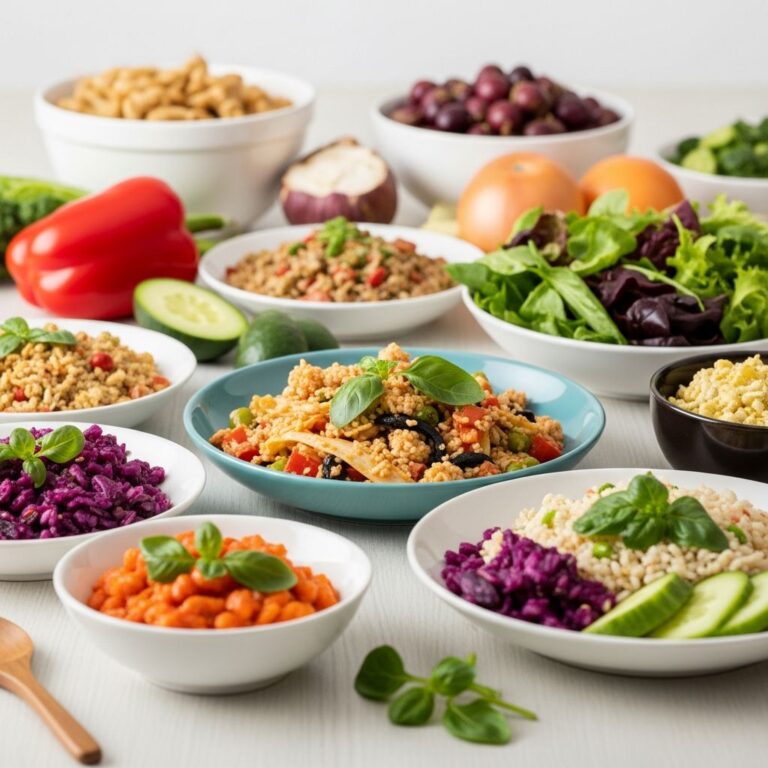
Preformed vitamin A is richest in liver, fish, eggs, and dairy. Provitamin A comes from leafy greens (spinach), orange/yellow vegetables (carrots, sweet potatoes), tomato products, fruits, and oils.
- Liver (beef): High in retinol
- Carrots, sweet potatoes: Beta-carotene
- Spinach, kale: Leafy greens
- Dairy (milk, cheese): Fortified sources
- Eggs, salmon: Animal sources
Fortified foods like milk and cereals also contribute. Colorful produce ensures safe intake via conversion.
Vitamin A Deficiency
Rare in the U.S., deficiency increases risks of night blindness, xerophthalmia, dry skin, anemia, and severe infections like measles complications. Globally, it affects children in low-income areas, leading to higher measles severity.
- Symptoms: Night blindness, corneal damage, hyperkeratosis, increased infection susceptibility
- High-risk groups: Malnourished children, pregnant women in deficient regions
Signs You Aren’t Getting Enough Vitamin A
Early signs include poor night vision and dry eyes. Advanced deficiency causes bitot’s spots, corneal ulcers, and keratinized skin. Measles patients with low vitamin A experience worse outcomes.
Vitamin A Toxicity
Excess preformed vitamin A causes hypervitaminosis A. Acute intake over 200,000 mcg leads to nausea, vertigo, coma. Chronic excess (over 3,000 mcg daily) results in dry skin, joint pain, liver damage, and birth defects in pregnancy. Beta-carotene excess only causes harmless skin yellowing.
Pregnant individuals should avoid high-dose supplements due to teratogenic risks.
Who Should Take Vitamin A Supplements?
Most meet needs through diet. Supplements benefit those with deficiency, malabsorption (e.g., celiac), or high measles risk in deficient areas. Consult providers; measles vaccine is primary prevention. Food sources preferred for antioxidants over supplements.
Frequently Asked Questions (FAQs)
Can vitamin A improve my eyesight?
Yes, it prevents night blindness and supports retinal function, especially in deficiency cases.
Is vitamin A safe during pregnancy?
Adequate intake is needed, but avoid excess preformed vitamin A (>3,000 mcg) to prevent birth defects. Stick to RDAs and food sources.
Do beta-carotene supplements prevent cancer?
No, they do not reduce risk and may increase it in smokers. Dietary sources are safer.
How can I get more vitamin A in my diet?
Eat carrots, sweet potatoes, spinach, liver, eggs, and dairy. Aim for colorful fruits and vegetables.
What are the symptoms of too much vitamin A?
Headache, nausea, dizziness, dry skin, joint pain, and liver issues from chronic excess.
References
- Vitamin A and Carotenoids – Health Professional Fact Sheet — Office of Dietary Supplements, NIH. 2023-07-12. https://ods.od.nih.gov/factsheets/VitaminA-HealthProfessional/
- Vitamin A: MedlinePlus Medical Encyclopedia — MedlinePlus, NIH. 2024-05-01. https://medlineplus.gov/ency/article/002400.htm
- Vitamin A — Mayo Clinic. 2024-02-15. https://www.mayoclinic.org/drugs-supplements-vitamin-a/art-20365945
Similar Articles








Read full bio of Sneha Tete