Vitamin A Deficiency: Causes, Symptoms & Treatment
Understanding vitamin A deficiency: vision loss, symptoms, and effective treatment strategies.
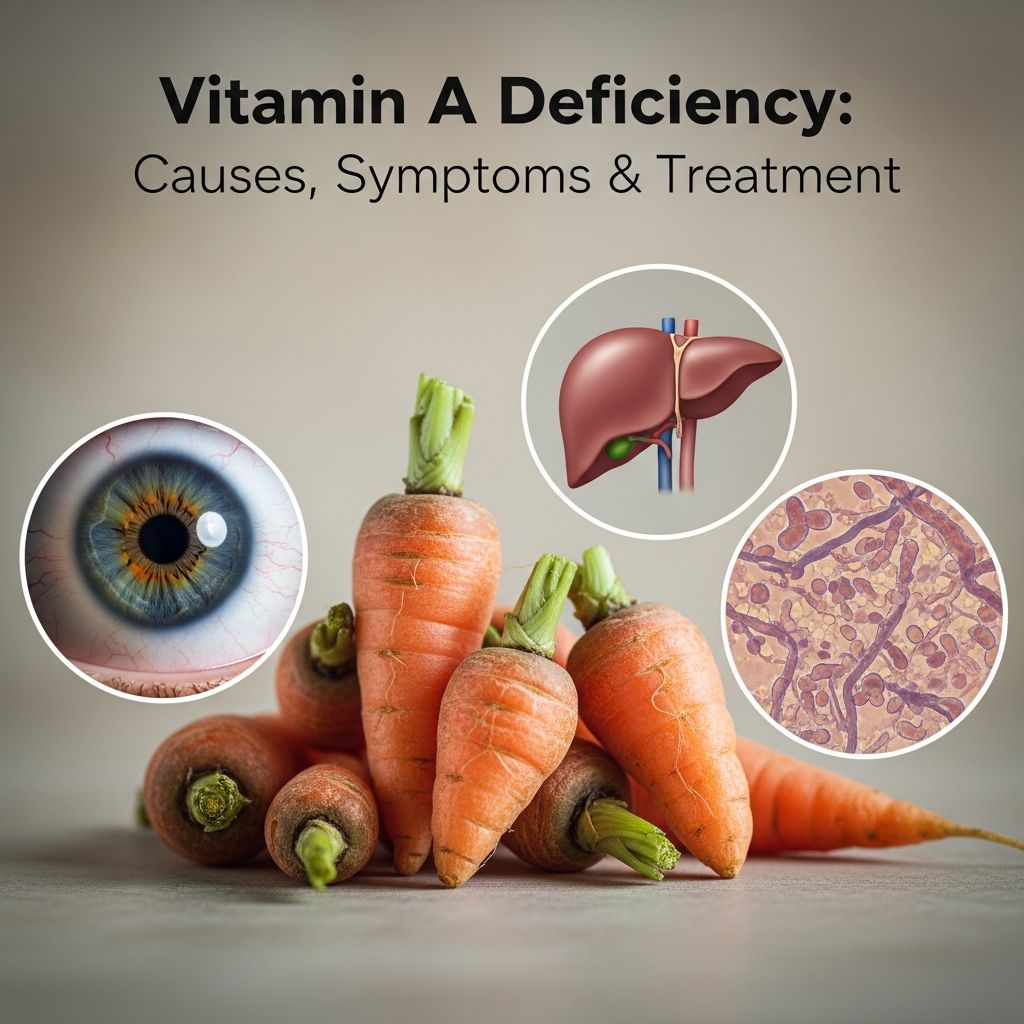
Understanding Vitamin A Deficiency
Vitamin A deficiency occurs when your body lacks the adequate amount of vitamin A required to function optimally. This condition can have serious health consequences, ranging from vision problems to complications affecting your skin, heart, lungs, tissues, and immune system. While vitamin A deficiency is relatively rare in the United States, it remains a significant public health concern in developing countries around the world.
Vitamin A plays a critical role in maintaining numerous bodily functions. Your body requires this essential nutrient for healthy vision, proper metabolism, and cell development. Additionally, vitamin A is vital for keeping your immune system and reproductive system functioning at their best. The challenge is that your body cannot produce vitamin A independently, so you must obtain it through dietary sources or supplements.
The Global Impact and Risk Groups
While vitamin A deficiency is uncommon in developed nations like the United States, it affects millions of people in lower-income countries worldwide. According to the World Health Organization, vitamin A deficiency is the leading cause of preventable blindness in children globally. Between 250,000 and 500,000 children worldwide lose their vision each year due to this deficiency, making it a critical international health concern.
Certain populations face significantly higher risks than others. Infants, young children, pregnant women, and breastfeeding mothers are particularly vulnerable to vitamin A deficiency. These groups have increased nutritional needs or limited ability to store vitamin A adequately. Additionally, vitamin A deficiency raises the risk of severe infection from measles, which can be deadly, particularly in lower-income countries. The World Health Organization recommends that children diagnosed with measles receive vitamin A supplements to reduce their risk of severe illness and complications.
How Vitamin A Supports Your Vision
Vision is one of the most critical functions supported by vitamin A. Your eyes require vitamin A to produce specific pigments essential for your retinas to work correctly. When vitamin A levels are insufficient, your eyes cannot manufacture these necessary pigments, leading to impaired vision, particularly in low-light conditions.
One of the earliest signs of vitamin A deficiency is night blindness, medically known as nyctalopia. This condition makes it difficult or impossible to see in dim lighting or darkness. Night blindness occurs because your retinas need vitamin A to function properly in low-light environments. If left untreated, this initial vision problem can progress to more severe and permanent vision loss. Additionally, vitamin A helps maintain the moisture in your corneas, and a deficiency can lead to dry eyes and potentially corneal ulcers, which can cause scarring and irreversible vision damage.
Causes of Vitamin A Deficiency
Vitamin A deficiency develops through multiple pathways. The primary cause is an insufficient intake of vitamin A through diet. People who consume limited amounts of vitamin A-rich foods are at heightened risk. However, dietary insufficiency is not the only factor contributing to this deficiency.
Certain medical conditions can prevent your body from absorbing or storing vitamin A properly. Diseases and conditions that impair your intestine’s ability to absorb fat are particularly problematic since vitamin A is a fat-soluble vitamin. These fat malabsorption conditions include various gastrointestinal and liver disorders that reduce your body’s capacity to absorb essential vitamins like vitamin A. Additionally, certain liver disorders can affect how your body stores and processes vitamin A, leading to deficiency even when dietary intake seems adequate.
Related Stories



Recognizing Symptoms and Complications
The symptoms of vitamin A deficiency typically develop gradually as your body’s stores become depleted. The progression of symptoms reflects increasing severity of the deficiency and advancing damage to affected tissues.
Vision-Related Symptoms: Night blindness is typically the first sign you may notice. As the deficiency progresses, you might experience dry eyes and increased difficulty seeing in dimly lit environments. Without treatment, corneal ulcers can develop, potentially causing scarring that leads to permanent vision loss and blindness.
Skin Manifestations: Vitamin A deficiency causes characteristic skin changes. The condition phrynoderma, commonly called “toad skin,” is a distinctive skin finding where the skin becomes dry, scaly, and develops a bumpy texture resembling that of a toad. Dry, scaly skin may appear around your eyes and other areas of your body.
Additional Effects: Beyond vision and skin issues, vitamin A deficiency can compromise your immune system function, making you more susceptible to infections. It can also affect your heart, lungs, and other tissues. In infants and children, vitamin A deficiency may cause delayed growth and development. In adults, severe deficiency can lead to infertility issues.
Diagnosis Methods
Your healthcare provider can diagnose vitamin A deficiency through a combination of clinical evaluation and laboratory testing. The diagnostic process typically involves reviewing your symptoms and medical history, then confirming the diagnosis with specific tests.
Blood Testing: A serum retinol blood test measures the concentration of vitamin A in your bloodstream. However, it’s important to understand that your body stores large amounts of vitamin A, primarily in the liver. Therefore, blood vitamin A levels don’t decrease until the deficiency becomes severe—typically when levels fall below 20 micrograms per deciliter (mcg/dL). This means normal blood test results don’t necessarily indicate that your total body vitamin A stores are adequate.
Eye Testing: If you have symptoms of night blindness, your healthcare provider may order an electroretinography test. This specialized eye examination measures how your retinas respond to flashes of light. During this test, your healthcare provider examines the light-sensing cells in your retinas called photoreceptors to assess their function.
Symptomatic Confirmation: Your healthcare provider can also confirm vitamin A deficiency by observing whether your symptoms improve after you begin taking vitamin A supplements. If your night blindness and dry eye symptoms start to resolve following supplementation, this provides additional confirmation of the diagnosis.
Treatment Approaches
Treatment of vitamin A deficiency involves supplementation with vitamin A, though the approach varies based on severity and individual factors.
Initial Treatment Phase: Your healthcare provider will typically treat vitamin A deficiency with high-dose vitamin A supplements administered over several days. This initial intensive phase aims to rapidly replenish your body’s depleted stores.
Maintenance Phase: After several days of high-dose therapy, your healthcare provider will reduce you to lower maintenance doses of vitamin A. You’ll continue taking these lower doses until your vision and skin issues begin to resolve.
Expected Outcomes: Vitamin A supplements can cure night blindness and help restore moisture to your eyes. However, it’s important to understand that permanent vision loss caused by corneal scarring from severe ulcers cannot be reversed through supplementation, even though early-stage vision problems can improve.
Special Considerations for Infants: Infants should not receive high doses of vitamin A because it can be toxic to their developing bodies. However, children older than infants can be safely treated with age-appropriate vitamin A supplements. Your child’s healthcare provider will determine the correct dosage based on their age and specific needs.
Dietary Prevention and Management
The most effective approach to preventing vitamin A deficiency is maintaining adequate dietary intake of vitamin A-rich foods. If you’re currently deficient or at risk, your healthcare provider can help you plan a healthy, balanced diet that includes foods containing sufficient vitamin A.
Vitamin A occurs in two forms: preformed vitamin A found in animal products, and provitamin A carotenoids found in plant-based foods that your body can convert into vitamin A. Your body has the ability to convert some carotenoids into vitamin A, which supports cell growth, organ function, immune health, and eye health.
Vitamin A-Rich Foods:
– Meat and poultry (especially liver, which is exceptionally high in vitamin A)- Dairy products including milk and cheese- Dark leafy greens such as spinach, kale, and collard greens- Orange and yellow fruits including carrots, sweet potatoes, pumpkin, apricots, and mangoes- Other colorful vegetables like red peppers and butternut squash
If dietary intake alone is insufficient, your healthcare provider may recommend a dietary supplement containing vitamin A. However, it’s crucial to avoid excessive supplementation. If you already have a retinol level over 30 mcg/dL, additional vitamin A supplementation won’t provide benefits and may cause harm. In such cases, focusing on vitamin A-rich foods without supplementation is appropriate.
Understanding Vitamin A Toxicity
While vitamin A deficiency is a serious concern, it’s equally important to understand that excessive vitamin A intake can cause toxicity. Chronic vitamin A toxicity develops when a person consistently takes more than 10,000 IU of vitamin A daily over an extended period. The symptoms of chronic toxicity are often subtle and can be mistaken for other conditions, including bone loss, increased fracture risk, and hypercalcemia (elevated blood calcium levels).
Acute vitamin A toxicity from massive overdoses can present with severe symptoms affecting multiple body systems, including neurological effects like increased intracranial pressure and headaches, hepatic damage causing jaundice, and musculoskeletal complications. Chronic excessive ingestion of vitamin A beyond recommended daily amounts can be associated with increased bone resorption, reduced bone formation, and elevated fracture risk.
Given the long half-life of retinol (approximately 128 days), it can take several months for vitamin A levels to normalize after toxicity occurs. Treatment primarily involves withdrawing vitamin A sources and providing supportive care, as there is no specific antidote for vitamin A toxicity.
Expected Recovery and Improvement
When you increase your vitamin A intake to adequate levels, you should expect to see gradual improvement in many symptoms of deficiency. Night blindness typically improves relatively quickly with treatment. Dry eyes should also lubricate and feel more comfortable as vitamin A levels normalize. However, it’s important to have realistic expectations: corneal scarring from advanced ulceration cannot be corrected, and any permanent vision loss from this scarring is irreversible.
The timeline for improvement varies depending on how severe your deficiency was and how long it persisted. Some symptoms may resolve within weeks, while complete recovery of vitamin A stores may take longer. Consistent adherence to treatment recommendations and dietary changes is essential for optimal outcomes.
Long-Term Prevention
The most important aspect of managing vitamin A deficiency is prevention through consistent dietary intake. It’s essential to eat enough foods that contain vitamin A regularly. Additionally, if you’re at higher risk for deficiency—due to certain medical conditions, dietary restrictions, or life circumstances—discuss with your healthcare provider whether a dietary supplement containing vitamin A would be beneficial.
Untreated or inadequately managed vitamin A deficiency can result in long-term complications including permanent vision loss. Therefore, addressing vitamin A intake proactively is crucial for maintaining your vision, immune function, and overall health.
Frequently Asked Questions About Vitamin A Deficiency
Q: Is vitamin A deficiency common in the United States?
A: No, vitamin A deficiency is rare in the United States. However, it remains a significant public health issue in developing countries, where millions of people lack adequate vitamin A intake.
Q: What is the first sign of vitamin A deficiency?
A: Night blindness is typically the first noticeable sign of vitamin A deficiency. This condition makes it difficult to see in dim lighting or darkness and can progress to more severe vision problems if untreated.
Q: Can vitamin A deficiency be cured?
A: Most symptoms of vitamin A deficiency can be reversed with appropriate treatment, including supplements and dietary changes. However, vision loss caused by corneal scarring cannot be reversed once it occurs, emphasizing the importance of early treatment.
Q: How is vitamin A deficiency diagnosed?
A: Diagnosis typically involves a blood test measuring serum retinol levels, though these may not become abnormal until deficiency is severe. Eye examinations like electroretinography and clinical assessment of symptoms also help confirm the diagnosis.
Q: Who is most at risk for vitamin A deficiency?
A: Infants, young children, pregnant women, and breastfeeding mothers are at highest risk. Additionally, people with certain liver disorders or conditions affecting fat absorption are vulnerable to developing deficiency.
Q: Can too much vitamin A be harmful?
A: Yes, excessive vitamin A intake can cause toxicity, particularly with chronic consumption of more than 10,000 IU daily. This can lead to bone loss, increased fracture risk, and other serious complications.
References
- Vitamin A Deficiency: Causes, Symptoms, Treatment & Prevention — Cleveland Clinic. 2024. https://my.clevelandclinic.org/health/diseases/23107-vitamin-a-deficiency
- Vitamin A: What It Is and How Much You Need — Cleveland Clinic. 2024. https://health.clevelandclinic.org/vitamin-a
- Vitamin A Toxicity: How Much Vitamin A Is Too Much? — Cleveland Clinic. 2024. https://health.clevelandclinic.org/vitamin-a-toxicity
- Hypercalcemia and Vitamin A: A Vitamin to Keep in Mind — Cleveland Clinic Journal of Medicine. 2022. https://www.ccjm.org/content/89/2/99
- Eat the Rainbow: The Health Benefits of Carotenoids — Cleveland Clinic. 2024. https://health.clevelandclinic.org/carotenoids
- Skin Findings Associated with Nutritional Deficiencies — PubMed. National Center for Biotechnology Information. 2016. https://pubmed.ncbi.nlm.nih.gov/27726828/
Similar Articles








Read full bio of medha deb