Vitamin A Deficiency Symptoms: 12 Signs You Shouldn’t Ignore
Recognize the signs of vitamin A deficiency early to prevent vision loss, infections, and other serious health complications.

Vitamin A deficiency (VAD) occurs when the body lacks sufficient vitamin A, a fat-soluble nutrient essential for vision, immune function, skin health, and reproduction. This condition leads to serious health issues, particularly night blindness and eye damage, and is a leading cause of preventable blindness in children worldwide.
What Is Vitamin A and Why Is It Important?
Vitamin A, also known as retinol, supports vision by aiding rhodopsin production in the retina for low-light adaptation. It maintains epithelial tissues, boosts immunity, and promotes growth and reproduction. The body cannot synthesize vitamin A, so it must come from diet: preformed retinol in animal products or provitamin A carotenoids like beta-carotene in plants.
Deficiency impairs retinal function, causing night blindness (nyctalopia), and progresses to xerophthalmia, involving eye dryness and potential blindness. It also weakens mucosal barriers, increasing infection susceptibility, and causes skin hyperkeratosis.
Symptoms of Vitamin A Deficiency
Symptoms range from mild to severe, often starting subtly. Early detection is crucial to prevent irreversible damage.
Early or Mild Symptoms
- Fatigue and tiredness: General weakness from impaired metabolism and immunity.
- Increased infection risk: Frequent respiratory, gastrointestinal, or urinary infections due to compromised mucosal integrity and immune response.
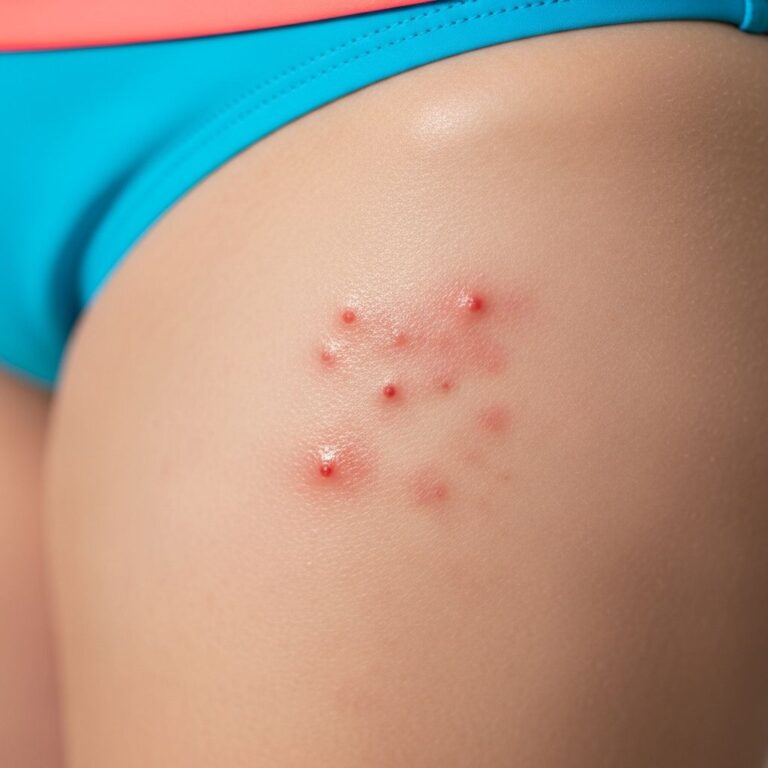
- Dry skin and hair: Follicular hyperkeratosis (phrynoderma), rough, scaly patches on arms, shoulders, and buttocks.
Eye and Vision Symptoms (Xerophthalmia Spectrum)
Xerophthalmia encompasses progressive eye damage, the hallmark of VAD.
- Night blindness: Difficulty seeing in dim light, first and most common sign, due to poor rhodopsin regeneration.
- Conjunctival xerosis: Dry, wrinkled conjunctiva (whites of eyes).
- Bitot’s spots: Foamy, triangular white patches on conjunctiva, pathognomonic for VAD.
- Corneal xerosis/ulcers: Dry, cloudy cornea leading to ulcers (keratomalacia).
- Keratomalacia and blindness: Corneal softening, scarring, and permanent vision loss if untreated.
Skin, Hair, and Other Symptoms
- Dry, itchy skin (xeroderma): Loss of moisture and scaling.
- Hair changes: Dry, brittle hair; phrynoderma on extensor surfaces.
- Delayed growth: In children, stunted bone development and overall growth.
- Anemia and infertility: Chronic inflammation and reproductive issues.
Causes and Risk Factors
VAD stems from inadequate intake, poor absorption, or increased needs.
- Dietary insufficiency: Diets low in vitamin A-rich foods, common in rice-heavy regions lacking animal products or colorful vegetables.
- Malabsorption disorders: Celiac disease, giardiasis, pancreatic issues, bile duct obstruction, liver disease.
- High-risk groups: Infants, preschool children, pregnant/lactating women, especially in developing countries.
Globally, VAD affects 190 million preschool children, causing 250,000–500,000 annual blindness cases in kids.
How Vitamin A Deficiency Is Diagnosed
Diagnosis combines clinical signs, history, and tests. Serum retinol <20 μg/dL confirms deficiency; <30 μg/dL indicates risk.
- Clinical exam: Night blindness history, eye inspection for xerophthalmia/Bitot spots, skin assessment.
- Blood tests: Retinol levels, though acute-phase proteins may skew results during infection.
- Other: Impression cytology for conjunctival changes; bone X-rays for growth delay in children.
Related Stories



| Diagnostic Stage | Key Signs | Serum Retinol |
|---|---|---|
| Subclinical | Fatigue, infections | 20–30 μg/dL |
| Clinical (Early) | Night blindness, Bitot spots | <20 μg/dL |
| Severe | Keratomalacia, ulcers | <10 μg/dL |
Treatment for Vitamin A Deficiency
Treatment involves supplementation and dietary correction. High-dose therapy for severe cases per WHO guidelines.
- Supplementation protocol: 200,000 IU orally for 2 days, then weekly/monthly doses until recovery. Children get age-adjusted doses.
- Dietary changes: Incorporate liver, eggs, dairy, oily fish, carrots, sweet potatoes, leafy greens.
Improvements: Night blindness resolves in days; Bitot spots/xerosis in weeks. Scarring from keratomalacia is permanent.
Prevention Strategies
Prevention focuses on diet and supplementation in at-risk populations.
- Rich food sources:
- Animal: Liver, beef, chicken, eggs, salmon, dairy.
- Plant: Carrots, mangoes, sweet potatoes, spinach (beta-carotene).
- Public health: WHO recommends VAS for children 6–59 months in deficient areas, reducing mortality by 23%.
- Avoid excess: Hypervitaminosis A causes toxicity (nausea, liver damage).
Complications of Untreated Vitamin A Deficiency
Untreated VAD leads to irreversible harm.
- Blindness: Primary cause in children globally.
- Infections/death: Measles exacerbation, pneumonia.
- Chronic issues: Growth stunting, infertility, anemia.
Frequently Asked Questions (FAQs)
What is the first sign of vitamin A deficiency?
Night blindness or difficulty seeing in low light is typically the earliest symptom.
Who is most at risk for vitamin A deficiency?
Infants, young children, pregnant and breastfeeding women in low-income countries with poor diets.
Can vitamin A deficiency cause permanent blindness?
Yes, advanced keratomalacia causes corneal scarring and irreversible vision loss.
How is vitamin A deficiency treated?
High-dose supplements for 2–3 days followed by maintenance, plus vitamin A-rich foods.
Are there foods that prevent vitamin A deficiency?
Yes, liver, eggs, carrots, sweet potatoes, and leafy greens provide ample vitamin A or precursors.
Is vitamin A deficiency common in developed countries?
Rare, but possible in malabsorption cases or restrictive diets.
VAD is preventable and treatable if caught early. Consult a healthcare provider for symptoms or risk factors to safeguard vision and health.
References
- Vitamin A Deficiency – Symptoms, Causes and Treatment — MedPark Hospital. 2023. https://www.medparkhospital.com/en-US/disease-and-treatment/vitamin-a-deficiency
- Vitamin A Deficiency: Symptoms, Causes, and Treatment — Patient.info. 2023. https://patient.info/healthy-living/vitamin-a-deficiency-leaflet
- Vitamin A Deficiency – StatPearls — NCBI Bookshelf. 2023-08-08. https://www.ncbi.nlm.nih.gov/books/NBK567744/
- Vitamin A Deficiency: Causes, Symptoms, Treatment & Prevention — Cleveland Clinic. 2023. https://my.clevelandclinic.org/health/diseases/23107-vitamin-a-deficiency
- Vitamin A — Mayo Clinic. 2023. https://www.mayoclinic.org/drugs-supplements-vitamin-a/art-20365945
- Vitamin A Deficiency — World Health Organization (WHO). 2023. https://www.who.int/data/nutrition/nlis/info/vitamin-a-deficiency
- Vitamin A — MedlinePlus. 2023. https://medlineplus.gov/ency/article/002400.htm
Similar Articles








Read full bio of Sneha Tete