Vitamin A Deficiency: Causes, Symptoms, and Treatment
Understanding vitamin A deficiency: From night blindness to corneal damage and recovery options.
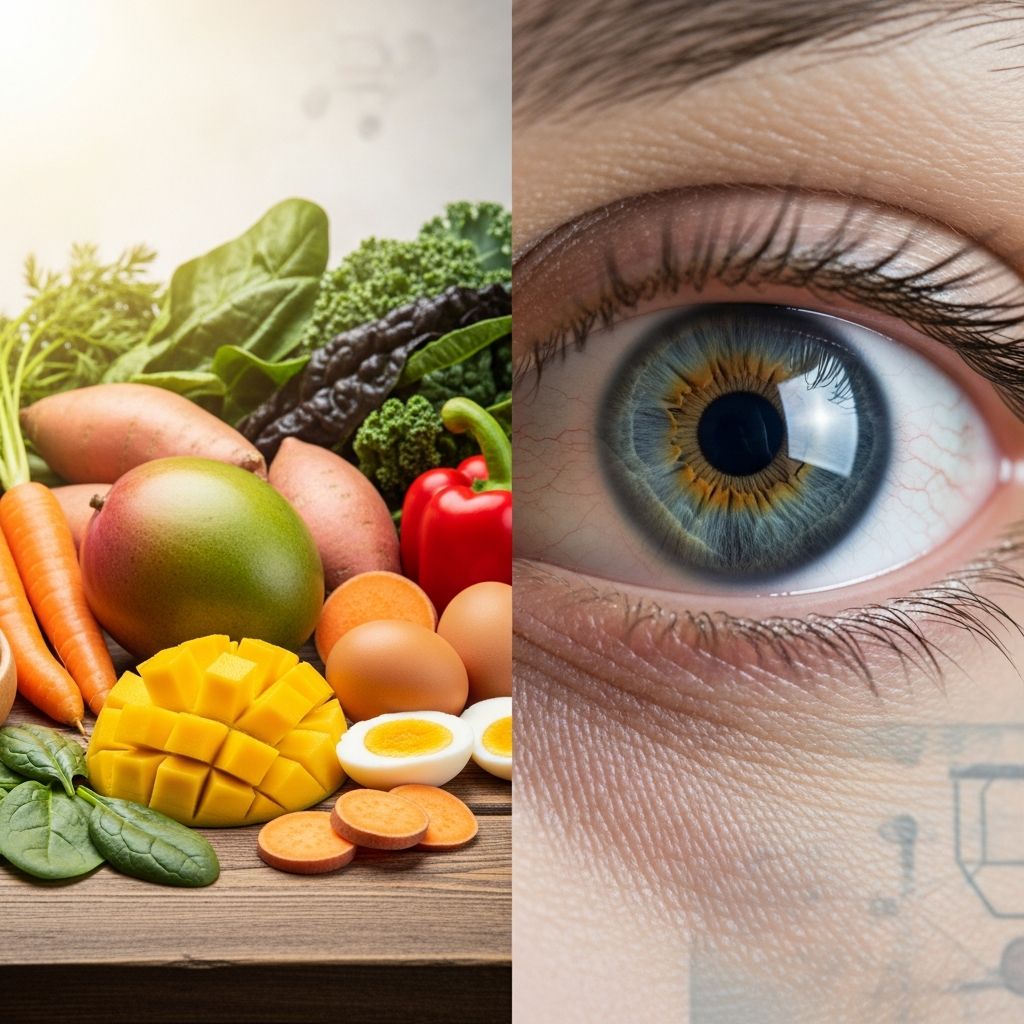
Vitamin A deficiency is a serious nutritional disorder that impairs vision, immune function, and skin integrity. It remains one of the leading preventable causes of childhood blindness worldwide, with an estimated 250,000 to 500,000 children losing their vision annually due to this condition. This comprehensive guide explores the pathophysiology, clinical manifestations, diagnostic approaches, and treatment strategies for vitamin A deficiency.
What Is Vitamin A?
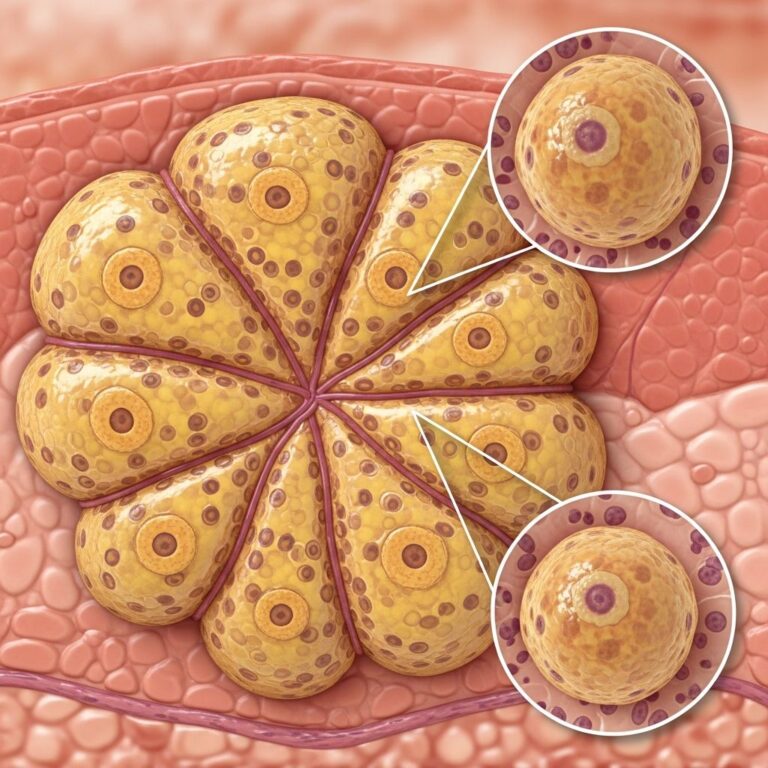
Vitamin A is a fat-soluble nutrient essential for numerous physiologic functions. It plays critical roles in maintaining healthy vision, supporting metabolism, promoting cell development, and sustaining immunity and reproductive system function. The body cannot synthesize vitamin A endogenously, necessitating dietary intake from food sources rich in this micronutrient.
Vitamin A functions as a crucial component of visual pigments necessary for proper retinal function, particularly in low-light conditions. It also maintains the integrity of mucosal membranes throughout the respiratory, gastrointestinal, and urinary tracts, and supports the synthesis and maintenance of epithelial tissues, including skin.
Causes of Vitamin A Deficiency
Vitamin A deficiency develops through several pathogenic mechanisms:
- Inadequate dietary intake: Insufficient consumption of vitamin A-rich foods represents the primary cause globally. This occurs particularly in regions where rice devoid of beta-carotene serves as the staple food source.
- Fat malabsorption: Since vitamin A is fat-soluble, conditions impairing fat absorption impede vitamin A uptake and utilization.
- Liver disorders: The liver serves as the primary storage organ for vitamin A; hepatic dysfunction compromises storage and transport mechanisms.
- Intestinal and biliary disorders: Conditions affecting intestinal absorption or bile production reduce vitamin A bioavailability.
- Protein malnutrition: Adequate protein is necessary for synthesis of retinol-binding proteins essential for vitamin A transport.
Risk Groups and Epidemiology
Certain populations face elevated vulnerability to vitamin A deficiency. The vulnerable groups include infants, school-aged children, pregnant women, and breastfeeding mothers. The severity of deficiency effects correlates inversely with patient age; younger individuals experience more severe manifestations. In children with severe vitamin A deficiency, mortality rates can exceed 50%, primarily due to increased susceptibility to infections and delayed growth.
While vitamin A deficiency remains rare in developed nations like the United States, it persists as a significant public health challenge in developing countries, particularly in Southeast Asia and Sub-Saharan Africa.
Clinical Manifestations of Vitamin A Deficiency
Ocular Manifestations
Vision-related symptoms represent the earliest and most characteristic signs of vitamin A deficiency. The progression of ocular findings follows a predictable sequence as deficiency severity increases:
- Night blindness (nyctalopia): Impaired dark adaptation constitutes an early symptom, reflecting inadequate regeneration of visual pigments in retinal rods. Patients report difficulty navigating in low-light environments.
- Conjunctival xerosis: Drying of the conjunctiva develops, presenting with conjunctival wrinkling and loss of normal glistening appearance.
- Bitot spots: Foamy, oval, triangular, or irregular patches composed of epithelial debris and secretions appear on the exposed bulbar conjunctiva, representing nearly pathognomonic signs of vitamin A deficiency.
- Xerophthalmia: Progressive keratinization leads to corneal drying and thickening. This advanced stage involves both corneal xerosis and conjunctival xerosis.
- Corneal ulceration and scarring: In untreated deficiency, the cornea becomes hazy and develops erosions, progressing to keratomalacia (corneal melting) in severe cases, ultimately resulting in permanent blindness.
- Retinal degeneration: Persistent deficiency causes rod degeneration and retinal damage, leading to true blindness independent of corneal involvement.
Related Stories



The timeline for developing severe ocular complications varies; some patients with acute deficiency related to infections such as measles may present with corneal xerosis and ulceration without preceding night blindness or Bitot spots.
Dermatological Manifestations
Vitamin A deficiency produces characteristic skin and hair alterations resulting from keratinization of epithelial tissues:
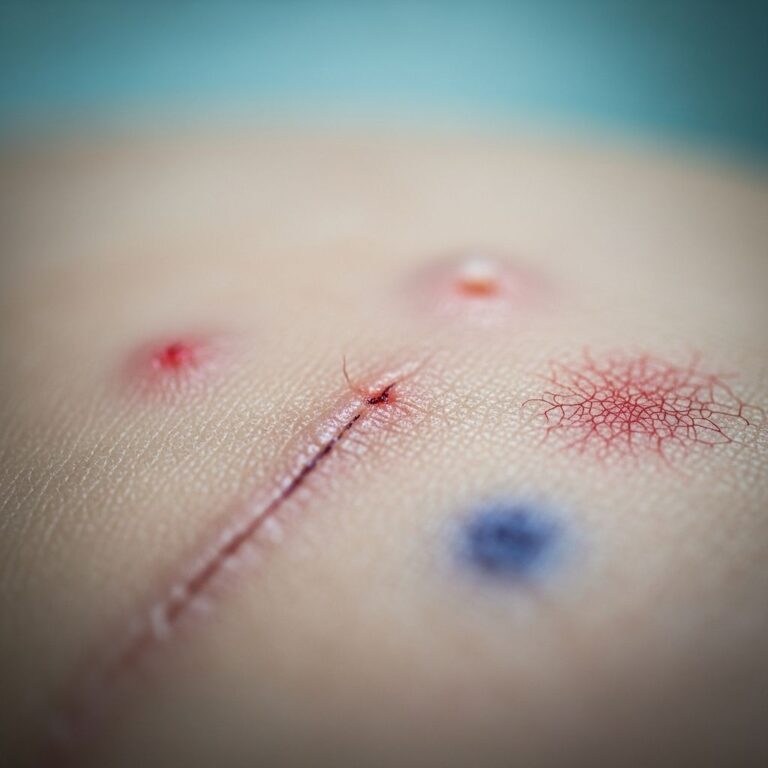
- Dry, scaling skin with reduced elasticity
- Follicular hyperkeratosis (phrynoderma), presenting as rough, bumpy texture
- Dry, brittle hair with potential hair loss
- Pruritus (itching) ranging from mild to severe
- Impaired wound healing
Systemic Manifestations
Beyond ocular and dermatological effects, vitamin A deficiency compromises multiple organ systems:
- Immune impairment: Vitamin A maintains mucosal membrane integrity essential for first-line immune defense. Deficiency predisposes to frequent infections, including respiratory tract infections, gastroenteritis, and throat infections.
- Growth and development: Children with vitamin A deficiency experience growth retardation and delayed bone development, demonstrable on long bone radiographs.
- Hematopoietic dysfunction: Deficiency contributes to anemia and impaired red blood cell production, partly through chronic inflammation.
- Reproductive impairment: Severe deficiency can cause infertility in both sexes.
- Respiratory complications: Keratinization of respiratory tract mucosa predisposes to infections and chronic cough.
Mild forms of vitamin A deficiency may produce no symptoms, though patients may report fatigue and nonspecific malaise.
Diagnosis of Vitamin A Deficiency
Diagnosis combines clinical assessment with biochemical confirmation:
Clinical Evaluation
Characteristic ocular findings—particularly night blindness, Bitot spots, and xerophthalmia—provide strong clinical indicators. A detailed dietary history identifying inadequate intake of vitamin A-rich foods supports the diagnosis. Assessment of risk factors such as liver disease, malabsorption syndromes, or recent measles infection informs clinical suspicion.
Laboratory Testing
Serum retinol concentration provides the standard biochemical marker for vitamin A status. Vitamin A supplementation demonstrates clinical benefit in patients with serum retinol concentrations below 20 micrograms/dL. Patients with concentrations exceeding 30 micrograms/dL receive no supplementation benefit and should follow recommended dietary allowances. Intermediate values between 20-30 micrograms/dL represent subclinical deficiency warranting monitoring.
Additional investigations may include bone age assessment via radiography and measures of immune function, though these prove less specific.
Treatment of Vitamin A Deficiency
Supplementation Protocols
Vitamin A supplementation represents the cornerstone of treatment. Standard protocols employ high-dose vitamin A supplementation:
- Initial phase: Vitamin A palmitate 60,000 international units (18,000 mcg RAE) administered orally daily for two consecutive days
- Maintenance phase: 4,500 IU orally daily continuation until clinical improvement and restoration of normal vitamin A levels
For patients with severe symptoms, vomiting, probable xerophthalmia, or documented malabsorption, intramuscular supplementation provides superior bioavailability. Dosing schedules vary by patient age for pediatric populations.
Vitamin A supplementation in measles-infected patients receives particular emphasis, as deficiency significantly increases measles severity. Vitamin A treatment shortens disease duration, reduces symptom severity, and decreases mortality risk in this population.
Dietary Management
Long-term prevention and treatment sustainment requires dietary modification incorporating vitamin A-rich foods:
- Liver and organ meats (highest concentration)
- Beef and poultry
- Oily fish including salmon
- Eggs
- Fortified milk and dairy products
- Orange and yellow vegetables: carrots, sweet potatoes, pumpkin
- Leafy green vegetables: spinach, kale, collard greens
- Mangoes and other orange-fleshed fruits
Treatment Expectations and Prognosis
Treatment response depends critically on disease severity at initiation. Patients with subclinical vitamin A deficiency demonstrate excellent prognosis without long-term sequelae when treated promptly. Improvement appears within one week of supplementation initiation.
Early ophthalmologic signs—night blindness, conjunctival xerosis, and Bitot spots—resolve completely within approximately two months of supplementation. However, corneal xerosis, ulceration, and scarring may result in permanent vision impairment despite treatment. Corneal scarring remains irreversible once established, emphasizing the critical importance of early intervention.
Complications of Vitamin A Deficiency
Untreated or severely advanced vitamin A deficiency produces serious complications:
- Vision loss and blindness (potentially permanent)
- Corneal scarring and opacification
- Recurrent respiratory and gastrointestinal infections
- Chronic skin changes including persistent dryness and pruritus
- Developmental delays and growth stunting in children
- Infertility
- Increased susceptibility to severe infectious diseases
Prevention of Vitamin A Deficiency
A balanced diet rich in vitamin A-containing foods represents the most effective prevention strategy. Public health initiatives in developing regions emphasize nutritional education and food fortification programs. Supplementation programs targeting vulnerable populations—particularly children under five and pregnant/lactating women—reduce deficiency prevalence and associated morbidity.
Excessive vitamin A consumption creates toxicity risk, manifesting as skin rashes, headaches, coarse hair, partial alopecia, and potential liver damage. Supplementation should follow clinical guidelines to avoid exceeding safe intake thresholds.
Frequently Asked Questions
Q: What is the first sign of vitamin A deficiency?
A: Night blindness (nyctalopia)—difficulty seeing in low-light conditions—represents the earliest symptom, reflecting impaired regeneration of visual pigments in retinal rods. It typically appears before other manifestations of deficiency become clinically apparent.
Q: How quickly does vitamin A deficiency develop?
A: The timeline varies depending on baseline vitamin A stores and intake. Mild deficiency may develop over weeks to months of inadequate intake, while severe manifestations require prolonged deficiency. Acute deficiency secondary to infections like measles can progress rapidly.
Q: Is vitamin A deficiency reversible?
A: Early-stage deficiency is completely reversible with supplementation. However, advanced stages with corneal scarring and retinal degeneration may produce permanent vision loss despite treatment. Early intervention is essential for optimal outcomes.
Q: Can vitamin A supplements cause side effects?
A: Excessive supplementation causes vitamin A toxicity with symptoms including skin rashes, headaches, alopecia, and hepatotoxicity. Treatment must follow clinical guidelines and serum retinol monitoring to avoid exceeding safe thresholds.
Q: Who is most at risk for vitamin A deficiency?
A: High-risk groups include infants, young children, pregnant and breastfeeding women, and individuals with liver disease, fat malabsorption disorders, or severe protein malnutrition. The condition is most prevalent in developing nations.
Q: How is vitamin A deficiency diagnosed?
A: Diagnosis combines clinical findings (night blindness, Bitot spots, xerophthalmia) with serum retinol measurement. Retinol concentrations below 20 micrograms/dL confirm deficiency warranting supplementation.
References
- Vitamin A Deficiency – Nutritional Disorders — Merck Manuals. 2024. https://www.merckmanuals.com/professional/nutritional-disorders/vitamin-deficiency-dependency-and-toxicity/vitamin-a-deficiency
- Vitamin A Deficiency — National Center for Biotechnology Information (NCBI) StatPearls. 2025. https://www.ncbi.nlm.nih.gov/books/NBK567744/
- Vitamin A Deficiency: Symptoms, Causes, and Treatment — Patient.info. 2024. https://patient.info/healthy-living/vitamin-a-deficiency-leaflet
- Vitamin A Deficiency — World Health Organization (WHO). 2024. https://www.who.int/data/nutrition/nlis/info/vitamin-a-deficiency
- Vitamin A: MedlinePlus Medical Encyclopedia — U.S. National Library of Medicine. 2024. https://medlineplus.gov/ency/article/002400.htm
- Vitamin A — Mayo Clinic. 2024. https://www.mayoclinic.org/drugs-supplements-vitamin-a/art-20365945
Similar Articles








Read full bio of Sneha Tete