Vitamin A Toxicity: Complete Guide To Symptoms & Prevention
Understanding the risks, symptoms, and management of excessive vitamin A intake in acute and chronic forms.

Vitamin A toxicity, also known as hypervitaminosis A, is a potentially serious condition resulting from excessive intake of vitamin A, primarily through supplements, high-dose medications like retinoids, or rarely from diet. Vitamin A (retinol) is fat-soluble and accumulates in the liver, leading to toxicity that manifests as acute (sudden, high-dose) or chronic (prolonged, lower-dose) forms. Acute toxicity often stems from accidental overdose, especially in children, while chronic cases link to megavitamin therapy or acne treatments like isotretinoin. Symptoms range from gastrointestinal distress and neurological effects to dermatological changes, bone abnormalities, and liver damage. It is highly teratogenic during pregnancy, causing irreversible birth defects.
What is vitamin A toxicity?
Vitamin A toxicity occurs when retinol or its derivatives exceed safe levels, stored excessively in the liver. Unlike water-soluble vitamins, fat-soluble vitamin A is not readily excreted, building up over time. The recommended dietary allowance (RDA) for adults is 700–900 mcg RAE (retinol activity equivalents) daily, with upper limits at 3,000 mcg. Toxicity thresholds: acute from >200,000 IU in adults or >100,000 IU in children; chronic from >10,000–25,000 IU/day over months. Sources include supplements, liver products, and synthetic retinoids (e.g., isotretinoin for acne). Merck Manuals note chronic intake >100,000 IU/day for months in adults or megadoses for skin disorders as common culprits.
Who gets vitamin A toxicity?
At-risk groups include:
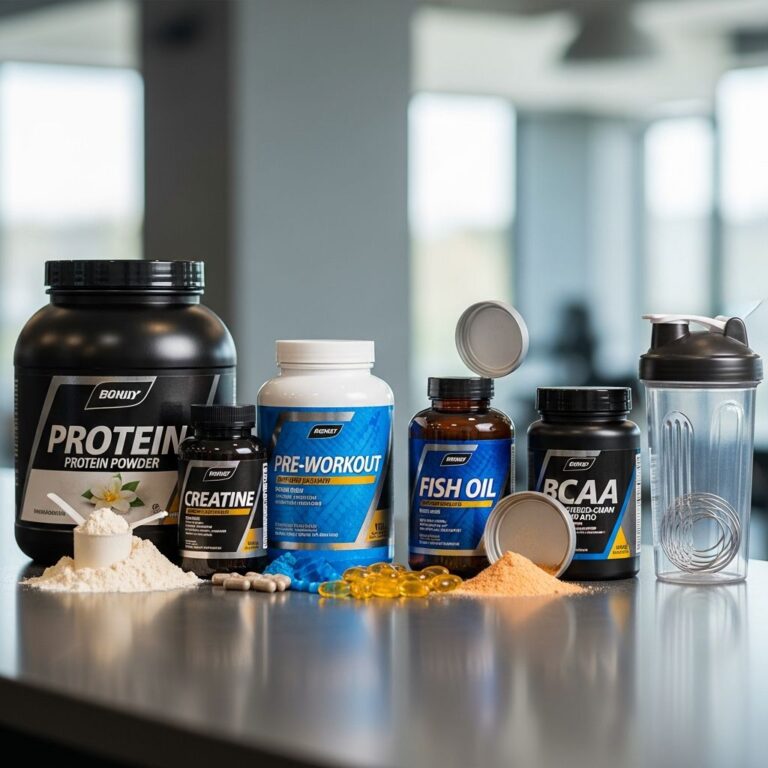
- Individuals on high-dose supplements for "megavitamin therapy" or unsubstantiated health claims.
- Patients treated with oral retinoids like isotretinoin (Accutane), acitretin, or bexarotene for acne, psoriasis, or cancer.
- Children via accidental ingestion of adult supplements or medications.
- Pregnant women exceeding 10,000 IU/day, risking fetal harm.
- Those consuming excessive liver (e.g., polar bear or seal liver in Arctic diets, historically).
Healthline reports most cases from supplements or acne drugs; children face acute risks from mishandling. DermNet emphasizes retinoid users and supplement enthusiasts.
What causes vitamin A toxicity?
Primary causes:
- Supplements: High-potency multivitamins or standalone retinol pills, often >10x RDA.
- Medications: Isotretinoin (up to 150,000–350,000 IU equivalents for acne), etretinate, etretinate for skin conditions.
- Diet: Rare; excessive beef/pate liver (one 100g serving ~7,000 mcg) or cod liver oil.
- Other: Industrial exposure or contaminated foods.
Acute: Single large dose (e.g., 200,000+ mcg). Chronic: Cumulative >25,000–100,000 IU/day over weeks/months. Mayo Clinic warns single doses >200,000 mcg or repeated large doses cause acute effects.
What are the signs and symptoms of vitamin A toxicity?
Symptoms differ by type:
Acute vitamin A toxicity
Onset within hours/days of massive intake:
- Gastrointestinal: nausea, vomiting, abdominal pain, anorexia.
- Neurological: drowsiness, irritability, dizziness, headache, increased intracranial pressure (pseudotumor cerebri).
- Dermatological: rash, desquamation (peeling skin).
- Other: Blurred vision, vertigo.
Merck: Increased ICP common, with nausea/vomiting; skin peeling follows. Healthline lists drowsiness, irritability top acute signs.
Chronic vitamin A toxicity
Develops over months:
- Skin/hair: Dry/rough/pruritic skin, cheilitis (cracked lips), alopecia (hair loss, esp. eyebrows), brittle nails, hyperpigmentation.
- Neurological: Headache, pseudotumor cerebri, fatigue, confusion.
- Musculoskeletal: Bone/joint pain, hyperostosis, fractures (esp. elderly).
- Gastrointestinal: Nausea, anorexia, weight loss, hepatomegaly.
- Ocular: Dry eyes, night blindness (paradoxical).
- Other: Jaundice, splenomegaly, hypocalcemia/recalcification, respiratory issues.
Cleveland Clinic notes subtle chronic symptoms like dry skin, bone pain. DermNet details skin changes prominently.
Related Stories



In children
Unique: Bulging fontanelle, failure to thrive, irritability, pruritus, cortical hyperostosis, anorexia.
Diagnosis of vitamin A toxicity
Clinical suspicion based on history (supplement/retinoid use) and symptoms. Confirm with:
- Serum retinol: >100 mcg/dL (toxic); normal 20–65 mcg/dL.
- Liver enzymes: Elevated in chronic cases.
- Imaging: Skull X-rays for hyperostosis; MRI for pseudotumor cerebri.
- Other: Hypercalcemia, proteinuria.
MedlinePlus: Blood tests measure vitamin A levels. Differentiate from hypothyroidism (carotenemia) or anorexia.
Treatment of vitamin A toxicity
Immediate cessation of vitamin A sources (supplements, retinoids, high-vitamin foods). Supportive:
- Hydration for GI symptoms.
- Acetazolamide or lumbar puncture for intracranial hypertension.
- Monitor liver/kidney function; low-calcium diet if hypercalcemia.
- Skin emollients for dryness.
Recovery: Acute within days; chronic 1–4 weeks. No antidote; severe cases may need hospitalization. MD Searchlight: Manage lipids if bexarotene-related.
What is the outcome for vitamin A toxicity?
Excellent with cessation: Symptoms resolve fully unless teratogenic damage. Chronic signs fade 1–4 weeks; bone changes longer. Irreversible: Pregnancy-related birth defects (craniofacial, cardiac, CNS). Merck: Complete recovery typical sans fetal issues.
Prevention of vitamin A toxicity
- Adhere to RDA; avoid megadoses.
- Monitor retinoid therapy.
- Pregnancy: <10,000 IU/day; avoid retinoids.
- Childproof supplements.
- Balanced diet over supplements.
| Group | RDA (mcg RAE/day) | Upper Limit (mcg/day) |
|---|---|---|
| Adult Men | 900 | 3,000 |
| Adult Women | 700 | 3,000 |
| Pregnant | 770 | 3,000 |
| Children (1–3y) | 300 | 600 |
Frequently asked questions
What foods cause vitamin A toxicity?
Rarely foods alone; beef liver (6,500 mcg/100g), cod liver oil high-risk if excessive.
Is vitamin A in skincare toxic?
Topical retinoids minimally absorbed; oral far riskier.
Can toxicity cause permanent damage?
Usually reversible; fetal effects permanent.
How to test for vitamin A levels?
Blood serum retinol test.
Safe during pregnancy?
<10,000 IU/day; no retinoids.
References
- Hypervitaminosis A: Causes, Symptoms, and Diagnosis — Healthline. 2023-05-15. https://www.healthline.com/health/hypervitaminosis-a
- Vitamin A Toxicity — Merck Manuals Professional Edition. 2024-01-10. https://www.merckmanuals.com/professional/nutritional-disorders/vitamin-deficiency-dependency-and-toxicity/vitamin-a-toxicity
- Vitamin A Toxicity — MD Searchlight. 2023-11-20. https://mdsearchlight.com/nutrition/vitamin-a-toxicity/
- Vitamin A Excess — MSD Manuals Consumer Version. 2024-02-01. https://www.msdmanuals.com/home/disorders-of-nutrition/vitamins/vitamin-a-excess
- Vitamin A Toxicity: How Much Vitamin A Is Too Much? — Cleveland Clinic. 2023-08-12. https://health.clevelandclinic.org/vitamin-a-toxicity
- Vitamin A toxicity — DermNet NZ. 2024-06-05. https://dermnetnz.org/topics/vitamin-a-toxicity
Similar Articles








Read full bio of Sneha Tete