Vitamin A: Benefits, Sources, Dosage, And Deficiency Guide
Essential fat-soluble vitamin for vision, immunity, skin health, and growth. Learn benefits, sources, deficiency risks, and safe dosage guidelines.
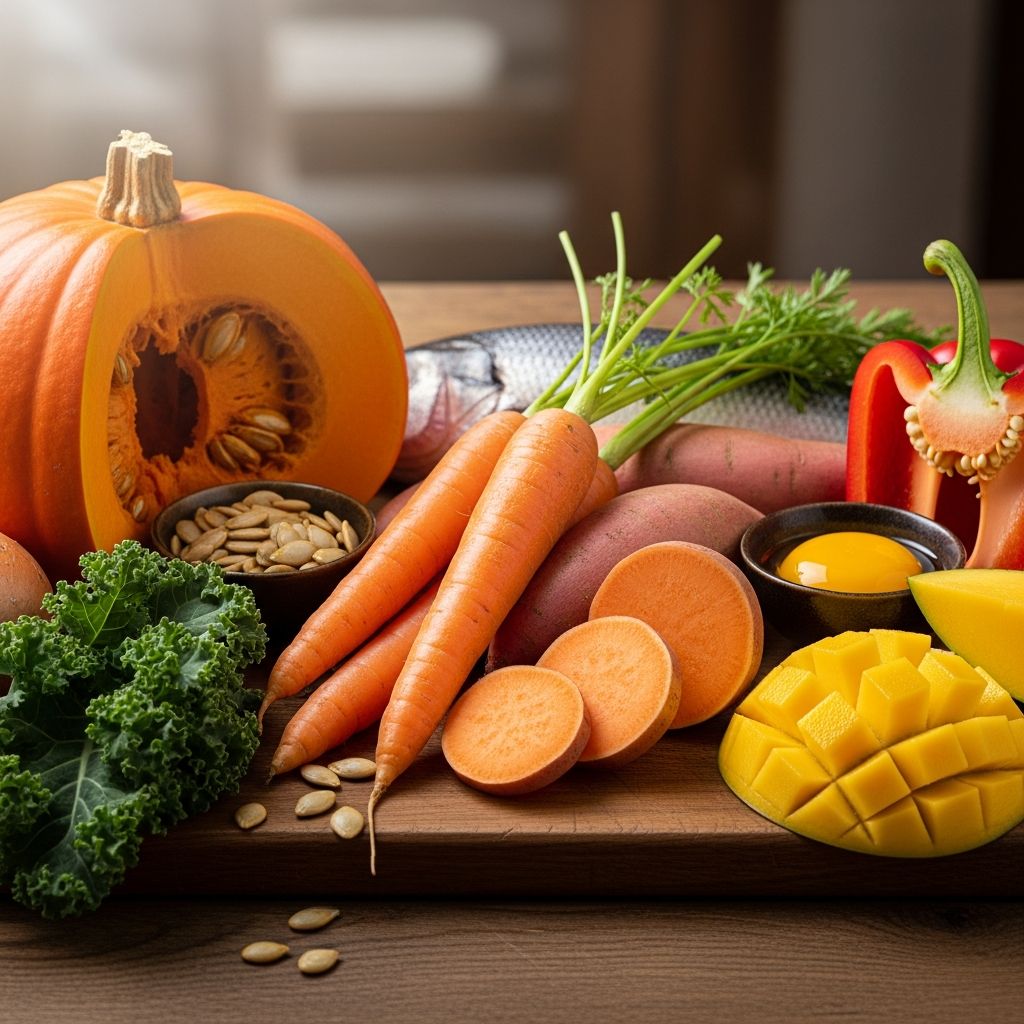
Vitamin A is a fat-soluble vitamin essential for vision, immune function, skin health, reproduction, and cell growth. It exists in preformed retinol from animal sources and provitamin A carotenoids like beta-carotene from plants, which the body converts as needed.
What is vitamin A?
Vitamin A, also known as retinol, is a fat-soluble nutrient the body cannot synthesize, requiring dietary intake. It supports vision through rhodopsin in the retina, maintains epithelial tissues for skin and mucous membranes, bolsters immunity, and aids reproduction and embryonic development.
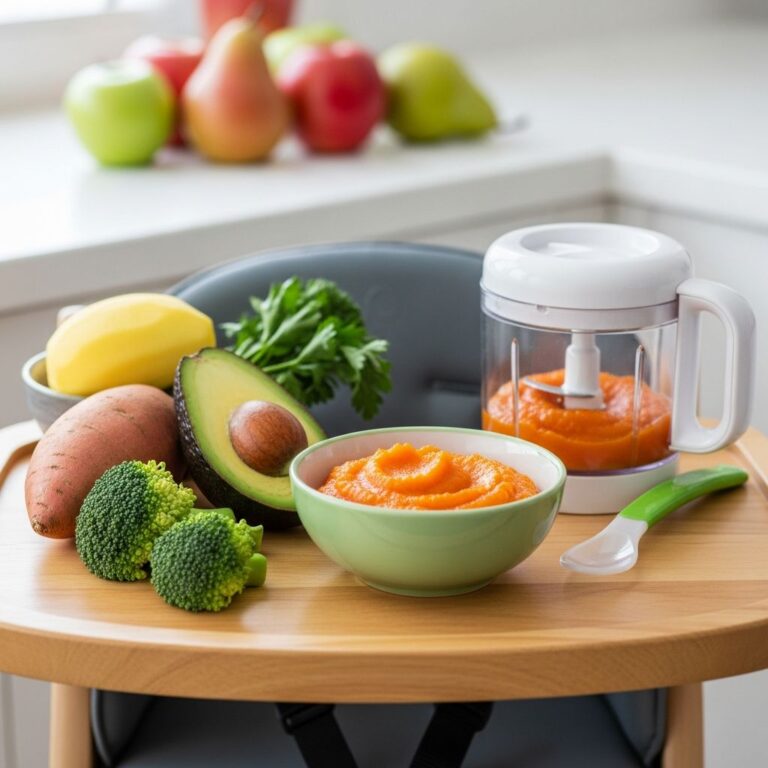
Preformed vitamin A (retinol and retinyl esters) comes from animal products like liver, dairy, eggs, and fish, directly usable by the body. Provitamin A carotenoids, mainly beta-carotene, are in colorful fruits and vegetables such as carrots, sweet potatoes, spinach, and mangoes; the intestine converts them via beta-carotene monooxygenase.
Absorption occurs in the small intestine with dietary fats enhancing uptake—adding avocado, nuts, or olive oil to meals optimizes it. Genetic variations affect conversion efficiency, making mixed diets ideal.
Vitamin A benefits
Vitamin A is vital for multiple bodily functions:
- Vision: Essential component of rhodopsin for low-light and color vision; prevents night blindness and supports corneal health.
- Immunity: Maintains skin and mucosal barriers, supports white blood cell function to fight infections.
- Cell growth and reproduction: Promotes differentiation in heart, lungs, eyes; crucial for ovarian/testicular cell division.
- Skin and epithelial health: Regulates keratinization, preventing dry skin and infections.
- Growth and development: Supports bone growth in children; treats measles complications in deficient patients.
In deficiency-prone areas, supplementation reduces child mortality from infections like diarrhea and measles.
What foods contain vitamin A?
Vitamin A sources divide into preformed (animal) and provitamin (plant):
| Type | Examples | Vitamin A Content (approx. per serving) |
|---|---|---|
| Preformed (Retinol) | Liver (beef/chicken) | 6,000–10,000 mcg RAE (exceeds weekly needs) |
| Eggs, dairy (milk, cheese) | 200–500 mcg RAE | |
| Oily fish, fish liver oils | 300–1,500 mcg RAE | |
| Provitamin A (Carotenoids) | Carrots, sweet potatoes | 500–1,000 mcg RAE |
| Leafy greens (spinach, kale) | 400–800 mcg RAE | |
| Mangoes, peppers, tomatoes | 200–600 mcg RAE |
Animal sources are more bioavailable; limit liver to once weekly to avoid excess. Vegans rely on plant sources, sufficient with varied intake.
How much vitamin A do I need?
Recommended Dietary Allowance (RDA) uses Retinol Activity Equivalents (RAE):
- Adult men: 900 mcg RAE/day (3,000 IU)
- Adult women: 700 mcg RAE/day (2,333 IU)
- Pregnant women: 770 mcg RAE/day
- Lactating women: 1,300 mcg RAE/day
- Children (1–3 years): 300 mcg RAE/day
A balanced diet meets needs; 1/2 cup carrots or a serving of liver suffices. Upper limit: 3,000 mcg RAE/day for adults to prevent toxicity.
Vitamin A deficiency
Deficiency arises from poor diet, malabsorption (cystic fibrosis, Crohn’s), or high needs (pregnancy, infections). Common in low-income countries, rare in developed ones except at-risk groups.
Symptoms
- Eye issues: Night blindness, xerophthalmia (dry eyes, Bitot’s spots, corneal ulceration leading to blindness).
- Skin/hair: Follicular hyperkeratosis, dry skin, hair loss.
- Infections: Increased respiratory/diarrheal illness severity.
- Children: Growth delay, bone issues visible on X-ray.
Related Stories



Severe cases cause death; subclinical deficiency impairs immunity.
Treatment for vitamin A deficiency
Mild cases: Increase dietary intake—liver, eggs, carrots, leafy greens, fortified milk.
Severe cases: Oral supplements (e.g., 200,000 IU for children in WHO protocols), high-dose for xerophthalmia or measles. Monitor cystic fibrosis patients with lifelong 750–3,000 mcg RAE/day.
Animal sources preferred for bioavailability; recovery typically quick without long-term damage if treated early.
Can vitamin A deficiency be prevented?
Yes, via regular vitamin A-rich foods. Diversify diet with animal products and colorful produce. Fortified foods/milk aid in deficient regions. Supplements unnecessary for healthy adults on balanced diets but safe in multivitamins.
Supplements and fortification
Multivitamins provide RDA amounts safely. Targeted for at-risk: malabsorption disorders, vegans with poor intake, developing countries. Avoid self-dosing high amounts. Breast milk supplies bioavailable vitamin A to infants.
Vitamin A deficiency in pregnancy
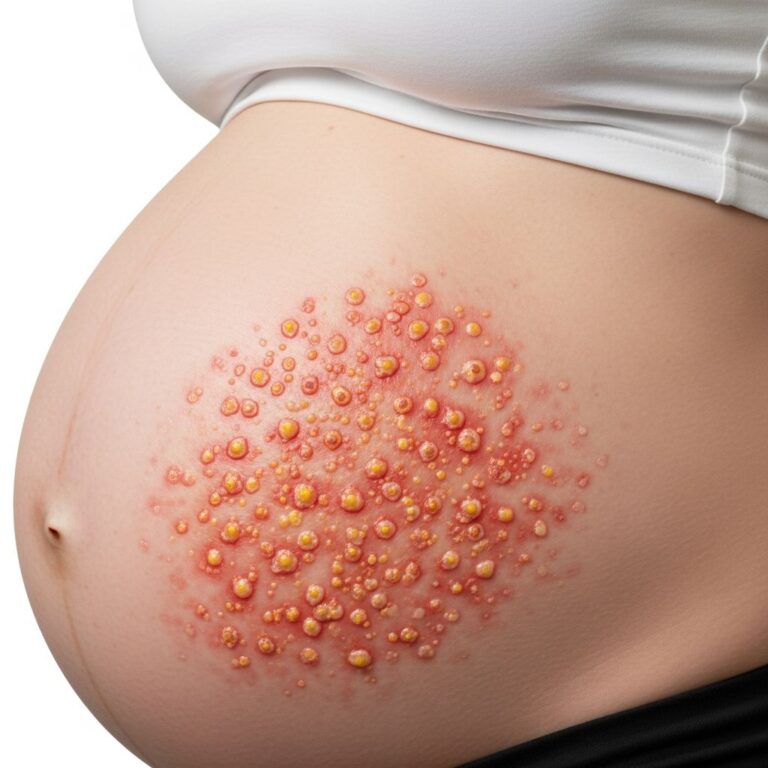
Increased needs but avoid excess preformed vitamin A (>3,000 mcg/day or liver), teratogenic causing birth defects. Beta-carotene safe; use pregnancy multivitamins without retinol excess. Deficiency risks fetal growth issues.
Can I take too much vitamin A?
Yes, hypervitaminosis A from chronic high-dose supplements or frequent liver. Acute: nausea, vertigo from massive intake. Chronic: headaches, dizziness, skin peeling, bone pain, liver damage, pseudotumor cerebri.[10]
Children at risk from accidental overdose. Toxicity persists post-cessation; reversible if mild. Upper limit strict, especially pregnancy.
Frequently Asked Questions (FAQs)
Q: Who needs vitamin A supplements?
A: Those with deficiency, malabsorption (e.g., cystic fibrosis), poor diet, or in high-risk regions. Healthy adults rarely need them.
Q: Is beta-carotene as good as retinol?
A: Body converts it, but efficiency varies (12:1 ratio for beta-carotene to retinol). Mixed sources optimal.
Q: Can vitamin A improve skin?
A: Yes, supports healthy skin; topical retinoids derived from it treat acne, but oral excess harms.
Q: Safe for vegans?
A: Yes, abundant in plants; ensure variety for conversion.
Q: Does cooking destroy vitamin A?
A: Fat-soluble, stable to heat; cooking may enhance carotenoid bioavailability.
References
- Vitamin A Deficiency — Patient.info. 2023. https://patient.info/healthy-living/vitamin-a-deficiency-leaflet
- What are the benefits of vitamin A? — Patient.info. 2023. https://patient.info/features/diet-and-nutrition/what-are-the-benefits-of-vitamin-a
- Vitamin A and Carotenoids – Health Professional Fact Sheet — Office of Dietary Supplements, NIH (.gov). 2023-10-05. https://ods.od.nih.gov/factsheets/VitaminA-HealthProfessional/
- Vitamin A Deficiency; Hypovitaminosis Information — Patient.info (Doctor). 2023. https://patient.info/doctor/nutrition/vitamin-a-deficiency
- Hypervitaminosis — Patient.info (Doctor). 2023. https://patient.info/doctor/nutrition/hypervitaminosis
- Vitamin A Toxicity — MSD Manuals (.com professional). 2024. https://www.msdmanuals.com/professional/nutritional-disorders/vitamin-deficiency-dependency-and-toxicity/vitamin-a-toxicity
Similar Articles








Read full bio of Sneha Tete