Vitamin B12 Benefits: 8 Key Ways It Boosts Energy, Brain, Heart
Discover the essential health benefits of vitamin B12, from boosting energy and brain health to supporting heart and bone wellness.
Vitamin B12, also known as cobalamin, is a water-soluble vitamin essential for red blood cell formation, neurological function, and DNA synthesis. It acts as a cofactor for enzymes like methionine synthase and L-methylmalonyl-CoA mutase, supporting critical metabolic processes.
What Is Vitamin B12?
Vitamin B12 is a vital nutrient that the human body cannot produce on its own, requiring intake through diet, fortified foods, or supplements. It plays key roles in manufacturing DNA, maintaining healthy nerve cells, and converting food into energy. Hydrochloric acid in the stomach releases B12 from food proteins, binding it to intrinsic factor for absorption in the small intestine.
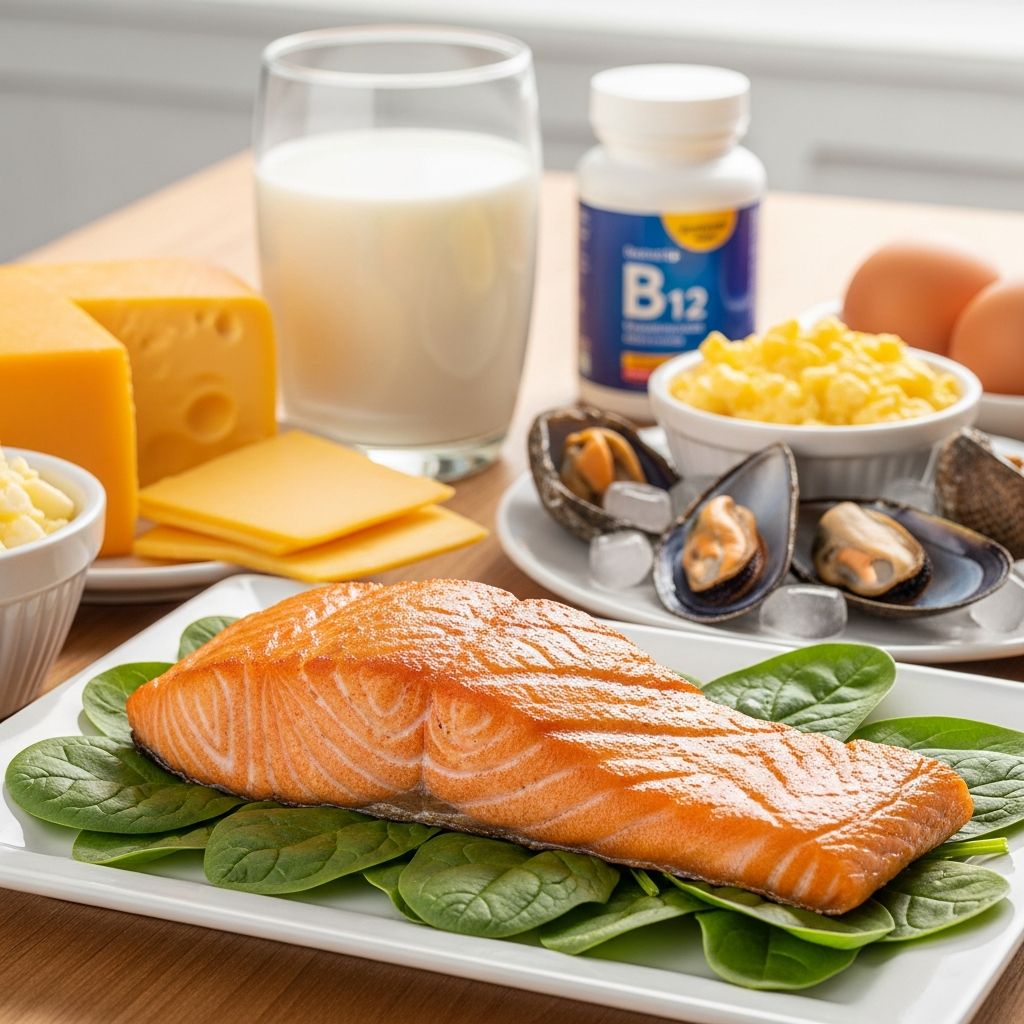
Found naturally in animal products like meat, fish, poultry, eggs, and dairy, B12 is also available in fortified plant-based milks and cereals. Vegans and vegetarians are at higher risk of deficiency due to limited natural sources.
Vitamin B12 Benefits
Adequate vitamin B12 intake supports multiple bodily functions. Deficiency can lead to fatigue, anemia, and neurological issues, while sufficient levels promote overall vitality. Key benefits include energy enhancement, cognitive protection, and disease prevention.
May Help Boost Energy Levels
Vitamin B12 aids in converting carbohydrates, fats, and proteins into usable energy, making it crucial for combating fatigue. Those with deficiency often experience weakness and tiredness, which supplementation can alleviate. Studies show B12 boosts energy only in deficient individuals, not enhancing performance in those with normal levels.
For individuals with major depressive disorder, B12 combined with antidepressants improved symptoms more effectively than antidepressants alone, highlighting its role in mood and energy regulation.
May Protect Against Macular Degeneration
Age-related macular degeneration (AMD) threatens central vision in older adults. Vitamin B12 helps lower homocysteine levels, an amino acid linked to AMD risk. Research indicates higher B vitamin intake, including B12, correlates with reduced AMD rates.
One study of 5,000 women over 40 found that B12, B6, and folic acid supplements reduced AMD cases by 34% over seven years compared to placebo. A 2022 study further linked high dietary B vitamins to lower advanced AMD risk.
May Improve Brain Health
B12 nourishes brain neurons and prevents atrophy associated with memory loss and dementia. Deficiency, even at low-normal levels, impairs memory and cognition. It supports myelin production, insulating nerve fibers for efficient signal transmission.
Low B12 is tied to cognitive decline, with one study showing supplementation slowed dementia progression in those with high omega-3 levels. More research is needed on supplementation’s preventive effects.
May Benefit Bone Health
Adequate B12 levels may reduce osteoporosis and fracture risk by supporting bone mineral density. Higher B12 correlated with slight fracture risk decreases in some studies, though results are mixed, often limited to specific populations.
A 2021 review noted links between low B12 and poor bone health, but clinical trials show inconsistent benefits from supplements for fracture prevention.
Supports Red Blood Cell Formation and Prevents Anemia
B12 is essential for healthy red blood cell production. Deficiency causes megaloblastic anemia, where cells become large and oval, reducing oxygen transport and causing fatigue.
Related Stories



It works with folate to form DNA, ensuring proper cell division. Without B12, red blood cells fail to mature, leading to pernicious anemia in severe cases.
May Improve Mood and Reduce Depression Risk
B12 aids production of serotonin and dopamine, mood-regulating neurotransmitters. Deficiency increases depression risk, with reviews showing lower B12 levels as a factor in depressive symptoms.
Supplementation improved mood in stressed individuals and enhanced antidepressant efficacy.
May Support Skin, Hair, and Nail Health
B12 deficiency can cause hyperpigmentation, vitiligo, nail discoloration, hair changes, and mouth sores. Maintaining levels promotes healthy skin tone, strong nails, and vibrant hair.
Supports Heart Health
By lowering homocysteine, B12 reduces cardiovascular disease risk, including heart attacks and strokes. High homocysteine damages arteries, but sufficient B12 keeps levels in check.
How Much Vitamin B12 Do You Need?
The Recommended Dietary Allowance (RDA) for adults is 2.4 micrograms (mcg) daily, increasing to 2.6 mcg for pregnant women and 2.8 mcg for lactating individuals.
| Life Stage | RDA (mcg/day) |
|---|---|
| Adults (19+) | 2.4 |
| Pregnant | 2.6 |
| Lactating | 2.8 |
Older adults may need supplements due to reduced absorption. Upper limits are not set as excess is excreted in urine.
Food Sources of Vitamin B12
- Clams: 84 mcg per 3 oz (3,500% DV)
- Beef liver: 70 mcg per 3 oz
- Salmon: 4.8 mcg per 3 oz
- Tuna: 2.5 mcg per 3 oz
- Fortified cereal: Varies, up to 6 mcg per serving
- Low-fat yogurt: 1.1 mcg per 8 oz
- Milk: 1.2 mcg per cup
- Eggs: 0.6 mcg per large egg
Plant-based eaters should choose fortified foods or supplements.
Signs and Symptoms of Vitamin B12 Deficiency
- Fatigue and weakness
- Pale or jaundiced skin
- Numbness or tingling in hands/feet
- Difficulty walking or balance issues
- Anemia and shortness of breath
- Glossitis (inflamed tongue)
- Mood changes, depression, memory problems
- Vision loss
Untreated deficiency can cause irreversible nerve damage.
Who Is at Risk for Vitamin B12 Deficiency?
- Vegans and strict vegetarians
- Older adults with atrophic gastritis
- People with pernicious anemia (lacking intrinsic factor)
- Those with gastrointestinal disorders (Crohn’s, celiac)
- Post-bariatric surgery patients
- Heavy alcohol users
- Individuals on certain medications (metformin, PPIs)
Risk groups should monitor levels via blood tests.
Vitamin B12 Supplements
Available as cyanocobalamin (stable, common) or methylcobalamin (active form). Doses range from 500-5,000 mcg for deficiency treatment. Injections are used for absorption issues. Consult a doctor before starting.
Bottom Line
Vitamin B12 is indispensable for energy, brain function, blood health, and disease prevention. Prioritize dietary sources, especially if at risk, to maintain optimal levels and support long-term wellness.
Frequently Asked Questions
Can vitamin B12 boost energy if I’m not deficient?
No, studies show no energy or performance boost in non-deficient individuals.
Is vitamin B12 safe in high doses?
Yes, as a water-soluble vitamin, excess is excreted, with no established upper limit.
How long does it take to correct a B12 deficiency?
Improvement in energy and blood counts can occur within weeks, but full recovery may take months.
Do vegans need B12 supplements?
Yes, due to lack of reliable plant sources; fortified foods or supplements are essential.
Can low B12 cause weight gain?
Indirectly, via fatigue reducing activity, but not directly.
References
- Vitamin B12 Benefits: Fight Fatigue, Memory Loss, and Boost Energy — WebMD. 2023. https://www.webmd.com/diet/health-benefits-vitamin-b12
- Benefits of Vitamin B12 — Texas Neuro Spine Institute. 2023. https://www.texasneurospine.com/blog/the-benefits-of-vitamin-b12/?bp=35453
- Health Benefits of Vitamin B12, Based on Science — Healthline. 2023. https://www.healthline.com/nutrition/vitamin-b12-benefits
- Vitamin B12 – Health Professional Fact Sheet — NIH Office of Dietary Supplements. 2024-04-10. https://ods.od.nih.gov/factsheets/VitaminB12-HealthProfessional/
- An essential vitamin, B12 available in many forms — UCLA Health. 2023. https://www.uclahealth.org/news/article/essential-vitamin-b12-available-many-forms
- Vitamin B-12 — Mayo Clinic. 2023. https://www.mayoclinic.org/drugs-supplements-vitamin-b12/art-20363663
- Vitamin B12 — Harvard T.H. Chan School of Public Health. 2023. https://nutritionsource.hsph.harvard.edu/vitamin-b12/
Similar Articles








Read full bio of Sneha Tete