Vitamin B12 and Folic Acid Reverse NAFLD
New research reveals how vitamin B12 and folic acid supplements can reverse nonalcoholic fatty liver disease, offering hope for millions affected worldwide.
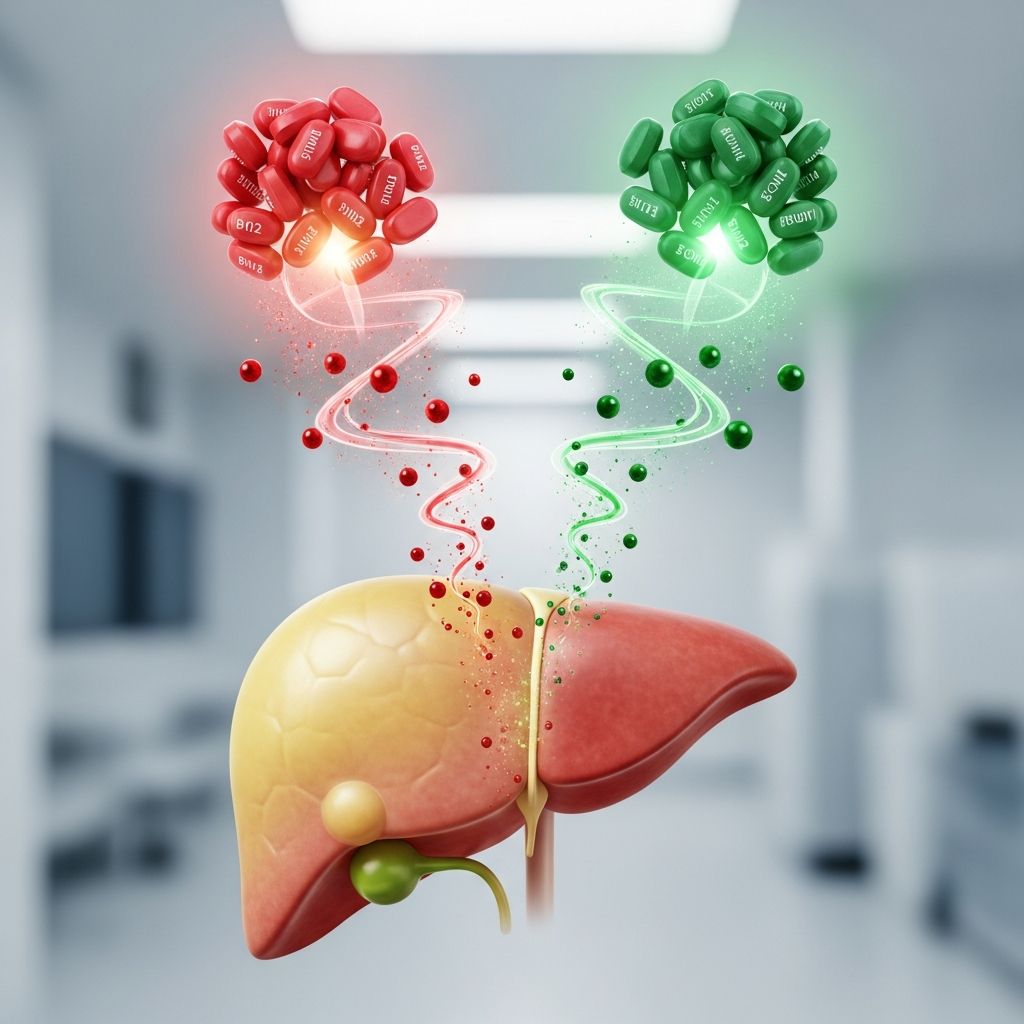
Emerging research from Duke-NUS Medical School demonstrates that vitamin B12 and folic acid supplements can reverse advanced nonalcoholic fatty liver disease (NAFLD), particularly its severe form, nonalcoholic steatohepatitis (NASH). This discovery targets elevated homocysteine levels, restoring autophagy and alleviating liver inflammation and fibrosis.
What Is Nonalcoholic Fatty Liver Disease?
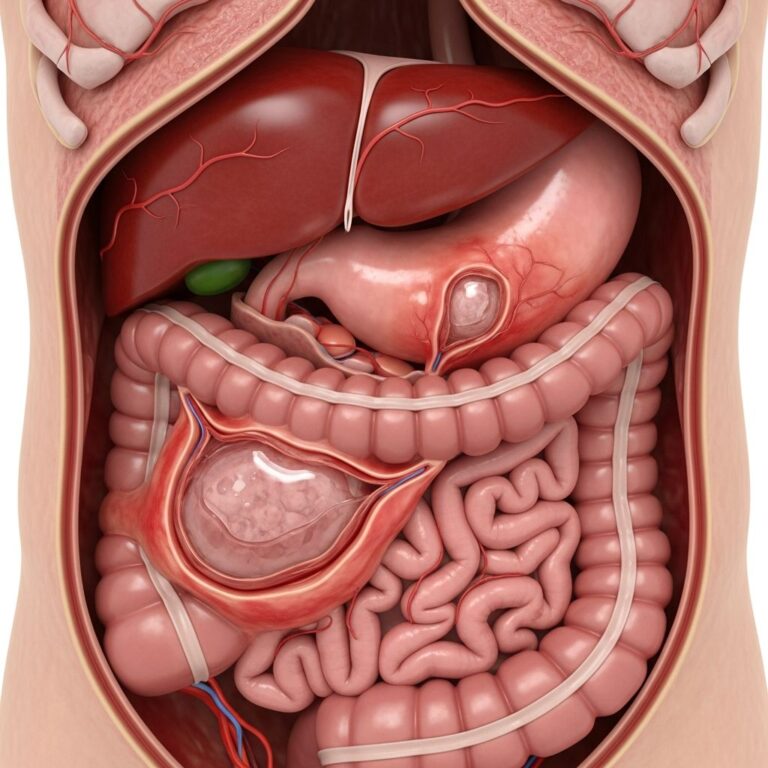
Nonalcoholic fatty liver disease (NAFLD) encompasses a spectrum of liver conditions characterized by excessive fat accumulation in the liver, unrelated to alcohol consumption. It affects approximately 25% of adults globally and up to 40% in regions like Singapore. Early-stage NAFLD, known as simple steatosis, involves reversible fat buildup. However, progression to NASH introduces inflammation, hepatocyte ballooning, and fibrosis, heightening risks for cirrhosis, liver failure, and hepatocellular carcinoma.
NAFLD prevalence is rising alongside obesity, type 2 diabetes, and metabolic syndrome. Without intervention, 20-30% of NAFLD cases advance to NASH, with 10-20% of those developing cirrhosis. Symptoms are often absent in early stages, making diagnosis challenging until advanced via imaging or biopsy.
- Key risk factors: Obesity, insulin resistance, dyslipidemia, hypertension.
- Diagnostic methods: Ultrasound, FibroScan, liver biopsy for NASH confirmation.
- Global burden: Projected to become the leading cause of liver transplants by 2030.
The Breakthrough Research on B Vitamins
Scientists at Duke-NUS identified hyperhomocysteinemia—elevated homocysteine levels—as a driver of NASH progression. Homocysteine, a methionine metabolite, accumulates due to deficiencies in vitamin B12 and folic acid, which are essential for its breakdown via the methionine cycle.
In preclinical models and human samples, high homocysteine homocysteinylates syntaxin 17 (STX17), a critical autophagy protein. This modification impairs STX17’s fusion of autophagosomes with lysosomes, disrupting cellular cleanup and exacerbating fat accumulation, inflammation, and fibrosis.
Supplementing with vitamin B12 (cyanocobalamin) and folic acid restored STX17 function, reactivated autophagy, slowed NASH progression, and reversed liver damage. Serum and hepatic homocysteine levels correlated with NASH severity, positioning them as potential biomarkers.
“Our findings suggest that a relatively inexpensive therapy, vitamin B12 and folic acid, could prevent and/or delay NASH progression.” — Dr. Brijesh Singh, study co-author.
Published in the Journal of Hepatology (2022), this study (DOI: 10.1016/j.jhep.2022.06.033) underscores B vitamins’ therapeutic potential, especially given their FDA-designated safety as supplements.
How Vitamin B12 and Folic Acid Work in the Liver
Vitamin B12 and folic acid converge in one-carbon (1C) metabolism, regulating homocysteine to methionine conversion. Folic acid, as 5-methyltetrahydrofolate, donates a methyl group to homocysteine via methionine synthase, which requires B12 as a cofactor.
In NAFLD, folate deficiency disrupts lipid metabolism, upregulating fatty acid synthesis genes and downregulating oxidation pathways, leading to steatosis. B vitamins mitigate this by:
- Lowering homocysteine, preventing protein homocysteinylation and autophagy inhibition.
- Enhancing mitochondrial function and reducing oxidative stress.
- Modulating inflammation via reduced pro-inflammatory cytokines.
- Promoting DNA methylation for gene expression balance in lipid homeostasis.
High-folate/B12 diets in mice reduced hepatic fatty acids and desaturase activity, while folate supplementation in high-fat diet models decreased liver lipids and inflammation. In NASH models, B vitamins specifically restored STX17-mediated autophagy.
Evidence from Preclinical and Human Studies
| Study Model | Intervention | Outcomes | Source |
|---|---|---|---|
| Mouse NASH models | B12 + Folic Acid supplementation | ↓ Homocysteine, ↑ STX17 autophagy, reversed inflammation/fibrosis | |
| Female mice (high-fat diet) | High folate/B12 diet | ↓ Fatty acid synthesis, ↓ desaturase activity | |
| Rat alcoholic liver model | Folate + B12 | ↓ Plasma homocysteine, ↓ MMP-2, prevented fibrosis | |
| Human NAFLD patients | Serum folate analysis | ↑ Folate linked to ↓ lipid accumulation genes |
Related Stories



Human data corroborate: Higher serum folate associates with lower advanced hepatic fibrosis risk. In alcoholic liver disease (ALD), B vitamins normalized homocysteine and reduced matrix metalloproteinase-2 (MMP-2), averting fibrosis.
Benefits Beyond NAFLD
B vitamins’ liver-protective effects extend to ALD and fibrosis. Alcohol impairs folate/B12 absorption and storage, elevating homocysteine and promoting injury. Supplementation improves enzyme function, curbs oxidative stress, and inhibits apoptosis.
- ALD: Folate/B12 combo alleviates injury via homocysteine normalization.
- Fibrosis: Targeting mitochondrial folate enhances 1C metabolism, regressing fibrosis.
- HCC prevention: Folate supports methionine cycle, protecting against lipid peroxidation.
Dietary Sources and Supplementation
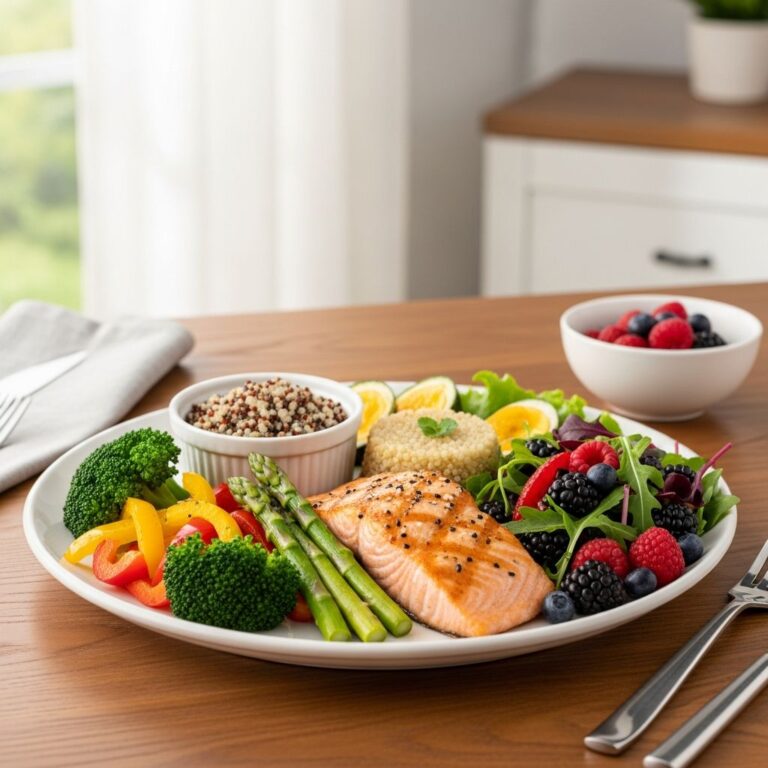
Incorporate B12 and folate through diet:
- Vitamin B12: Animal products (liver, salmon, eggs, dairy); fortified cereals for vegans.
- Folic Acid: Leafy greens (spinach), legumes, citrus, fortified grains.
Recommended intakes: Adults need 2.4 mcg B12 and 400 mcg folate daily. NAFLD patients may benefit from supplements under medical guidance, as deficiencies are common. High doses require caution to avoid imbalances like unmetabolized folic acid accumulation.
Practical Recommendations for NAFLD Management
- Assess levels: Test serum B12, folate, homocysteine.
- Supplement if deficient: 1000 mcg B12 + 400-800 mcg folate daily, per research doses.
- Lifestyle synergy: Weight loss (7-10% body weight), Mediterranean diet, exercise.
- Monitor progress: Repeat liver enzymes, imaging, homocysteine.
Consult healthcare providers, especially with medications affecting B12 absorption (e.g., metformin, PPIs).
Potential Risks and Considerations
B vitamins are safe at recommended doses, but excess B12 may mask folate deficiency, and high folic acid (>1000 mcg) could accelerate colorectal adenoma growth in some. No direct liver toxicity from standard supplementation, unlike excessive vitamin A.
Frequently Asked Questions (FAQs)
Q: Can vitamin B12 and folic acid cure NAFLD?
A: They show promise in reversing NASH in preclinical studies by restoring autophagy, but human trials are needed. Best as part of comprehensive management.
Q: Who is at risk for B vitamin deficiency in NAFLD?
A: Those with poor diet, obesity, diabetes, or malabsorption; common in 30-50% of NAFLD patients.
Q: How long to see benefits from supplementation?
A: Preclinical models showed effects in weeks; human response varies. Monitor homocysteine after 3-6 months.
Q: Are there food sources sufficient without supplements?
A: For non-vegans, yes; vegans often need B12 supplements. Folate from diet is ideal.
Q: Is this treatment approved for NASH?
A: Not yet; investigational. FDA recognizes B vitamins as safe supplements.
Future Directions
Ongoing trials will validate these findings in humans. Homocysteine as a NASH biomarker could enable early intervention, reducing the $100B+ annual NAFLD burden. Affordable B vitamins offer accessible therapy for global populations.
References
- Vitamin B12 and folate decrease inflammation and fibrosis in NASH by preventing Syntaxin 17 homocysteinylation — Tripathi M, et al. Journal of Hepatology. 2022-08-04. https://www.duke-nus.edu.sg/newshub/media-releases/b-vitamins-to-treat-advanced-non-alcoholic-fatty-liver-disease
- Role of Folate in Liver Diseases — PMC – NIH. 2024. https://pmc.ncbi.nlm.nih.gov/articles/PMC11206401/
- Folate and vitamin B12 improved alcohol-induced liver injury — PubMed. 2011. https://pubmed.ncbi.nlm.nih.gov/21353475/
Similar Articles








Read full bio of Sneha Tete