Vitamin B12 Injection: Uses, Dosage, and Side Effects
Complete guide to B12 injections: understand uses, dosage, effectiveness, and safety considerations.
Understanding Vitamin B12 Injections
Vitamin B12, medically known as cobalamin, is an essential water-soluble vitamin that plays a critical role in maintaining the health of your nervous system and producing red blood cells. Vitamin B12 (VAHY tuh min B12) prevents and treats low vitamin B12 levels in your body, and it is particularly important for people who cannot obtain sufficient B12 from their diet or whose digestive systems cannot adequately absorb this vital nutrient.
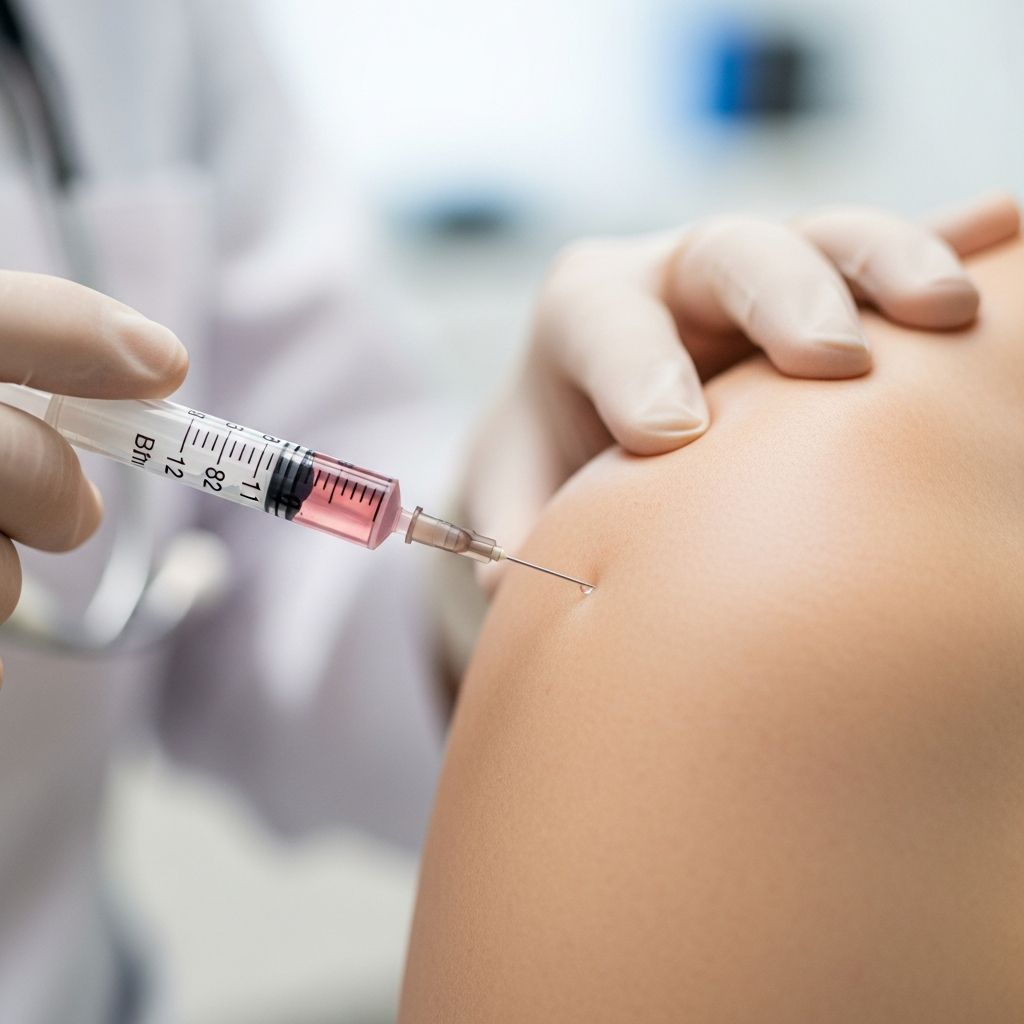
B12 injections are administered directly into muscle tissue or deeply under the skin, typically in areas such as the upper arm or thigh. This method of delivery bypasses the gastrointestinal system, making it an effective solution for individuals with absorption problems or severe deficiencies. Understanding when and how to use B12 injections can significantly improve health outcomes and quality of life.
What Is Vitamin B12 and Why Is It Important?
Vitamin B12 is a water-soluble vitamin that your body requires for numerous essential functions. Vitamin B12, or cobalamin, is a water-soluble vitamin that helps your body produce red blood cells and DNA. It’s also important for healthy brain function and keeping your energy levels high. This vitamin cannot be manufactured by your body, so it must be obtained through dietary sources or supplementation.
The body stores B12 primarily in the liver, and a typical person can maintain adequate stores for several years. However, when intake is insufficient or absorption is compromised, deficiency can develop relatively quickly, leading to various health complications if left untreated.
Indications for Vitamin B12 Injections
Vitamin B12 injections are recommended for specific medical conditions and situations where oral supplementation is insufficient. The primary indications include:
Low Dietary Intake
Individuals who do not consume adequate B12 from their diet, particularly strict vegetarians and vegans, may require supplementation. Since B12 is naturally found in animal products such as meat, fish, and dairy, those who restrict these foods face higher deficiency risk.
Absorption Difficulties
The most common reason for prescribing B12 injections is when the digestive tract cannot adequately absorb the vitamin. This may occur due to gastrointestinal conditions, surgical procedures, or age-related changes. As people age, they sometimes have trouble absorbing vitamin B12, even when taking pills by mouth. That’s when we think about vitamin B12 via injection.
Pernicious Anemia
Pernicious anemia occurs when the stomach cannot produce intrinsic factor, a protein necessary for B12 absorption. In this condition, injections are essential because oral supplements cannot be properly absorbed, no matter the dose.
Megaloblastic Anemia
Severe B12 deficiency can lead to megaloblastic anemia, characterized by the production of abnormally large, immature red blood cells. The patient was immediately started on vitamin B12 1,000 μg weekly by intramuscular injection. Several days after the start of treatment, repeat testing showed improving bone marrow recovery, with an increase in reticulocyte count and normalization of lactate dehydrogenase.
How Vitamin B12 Injections Work
B12 injections work by delivering the vitamin directly into the bloodstream through intramuscular or subcutaneous administration. This method circumvents the absorption issues that plague oral supplementation in individuals with certain medical conditions. Once administered, the B12 is distributed throughout the body and stored primarily in the liver for future use.
Related Stories



The effectiveness of B12 injections for treating deficiency symptoms is well-established. If you have low B12 or a true deficiency, these shots can work wonders. For individuals with confirmed deficiency, injections can rapidly restore normal B12 levels and reverse associated symptoms.
Dosage and Administration Schedule
B12 injection dosing varies depending on the severity of deficiency, the underlying cause, and individual patient factors. Initial treatment typically requires more frequent injections to restore depleted B12 stores.
Initial Treatment Phase
When beginning B12 therapy, injections are often administered daily or every other day. To start, you may need them every day or every other day. But as your B12 level rises, you’ll be able to get them more infrequently. The initial dose is typically quite substantial, often in the range of 500 to 1,000 micrograms.
Maintenance Phase
Once B12 levels are restored to normal ranges, the injection frequency decreases significantly. Maintenance doses typically range from 100 to 200 micrograms and are administered less frequently, often monthly or quarterly, depending on the individual’s ability to maintain levels through dietary sources or endogenous production.
Duration of Treatment
Depending on what’s causing your low B12 level, you may only need vitamin B injections until your level gets back to normal, though some people require them for the long term. Your healthcare provider will assess your specific situation and determine whether treatment is temporary or ongoing.
Administration Method
B12 injections are typically administered in a clinical setting by healthcare professionals. However, for some patients requiring long-term maintenance therapy, your care team may teach you how to inject yourself. This allows for greater convenience and independence in managing the condition.
The injection is administered intramuscularly, usually in the upper arm or thigh, or subcutaneously (under the skin). Your healthcare provider will determine the most appropriate route based on your individual needs and the specific formulation being used.
Effectiveness for Symptom Relief
For individuals with documented B12 deficiency, injections can effectively alleviate numerous symptoms. Getting vitamin B12 injections to raise your B12 level to where it should be often improves symptoms like fatigue, weakness, dizziness, blurred vision, confusion, and mood disturbances. If you have low B12 and are battling fatigue and/or depression, raising your B12 level back to normal can ease these symptoms and help you feel more energetic.
The improvement in symptoms typically begins within several days to weeks after starting treatment, with significant changes often observed within 2 weeks. In medical case studies, patients showed marked improvement in complete blood cell counts and mental status within this timeframe.
B12 Injections and Weight Loss Claims
A common misconception exists that B12 injections can promote weight loss, but the scientific evidence does not support this claim. There’s no solid proof that vitamin B-12 shots, also called injections, help you lose weight. Weight loss observed in some individuals receiving B12 injections is typically an indirect effect of increased energy levels and improved mood, which may lead to greater physical activity.
If your B12 level is found to be below normal, replacing that vitamin B12 is very important. Vitamin B12 shots or B12 pills will be essential for your health. However, if your B12 levels are normal, getting B12 injections isn’t going to do anything. High-dose B12 injections in individuals with normal B12 levels provide no additional benefits and represent unnecessary treatment.
Side Effects and Safety Considerations
B12 injections are generally considered safe and well-tolerated. Most individuals experience minimal side effects, and serious adverse reactions are rare. However, awareness of potential side effects is important for informed decision-making.
Common Side Effects
Side effects that usually do not require medical attention include mild localized reactions at the injection site, such as slight pain, redness, or swelling. Some individuals may experience minor systemic symptoms that typically resolve quickly without intervention.
Serious Side Effects Requiring Medical Attention
Although uncommon, certain side effects warrant immediate communication with your healthcare provider. These may include allergic reactions, severe injection site reactions, or other unexpected symptoms. It is crucial to report any concerning symptoms promptly.
Safety in Special Populations
Before beginning B12 injection therapy, inform your healthcare provider of any existing medical conditions, medications, or allergies. They need to know if you have any of these conditions, as certain situations may require special considerations or precautions.
Drug Interactions
Vitamin B-12 may affect how well some drugs work. And some drugs can affect vitamin B-12 levels. So if you want to get vitamin B-12 shots, tell your health care provider first. Always maintain a complete medication list and discuss potential interactions with your healthcare provider.
Toxicity and Overdose Concerns
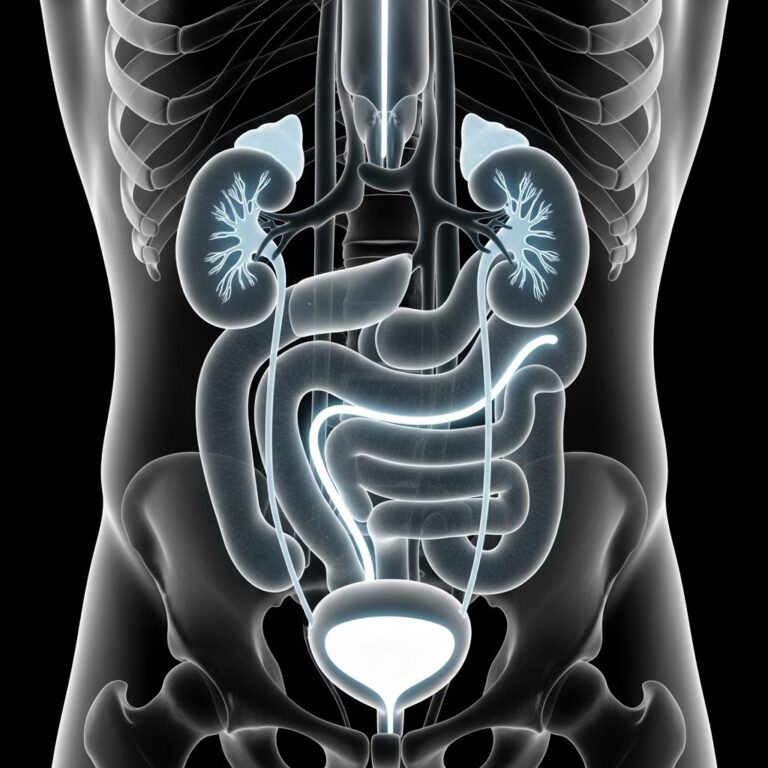
One of the advantages of B12 injections is their excellent safety profile regarding overdose. Taking in too much vitamin B12 usually won’t harm you. It takes extremely high doses for this vitamin to cause toxic effects. Unlike many vitamins, excess B12 is water-soluble and is excreted through the kidneys and digestive system.
Your body can’t absorb all the B12 in your food all at once. It gets rid of the excess B12 that it doesn’t absorb through either your poop or your pee. This mechanism provides a natural safety buffer against toxicity from excessive B12 intake.
Alternatives to B12 Injections
While injections are highly effective for treating B12 deficiency, alternative supplementation methods exist. If your healthcare provider may first try over-the-counter supplementation like a dissolvable B12 capsule or tablet or a B12 nasal spray. These oral and intranasal options may be attempted initially, particularly for mild deficiencies or when absorption is not severely compromised.
However, for individuals with significant absorption issues or severe deficiencies, injections remain the gold standard treatment. They ensure reliable delivery of B12 and faster correction of deficiency states.
Importance of Medical Supervision
While B12 injections are available without significant restriction, medical supervision is important for optimal outcomes. Your healthcare provider will assess your B12 levels through blood testing and determine the appropriate dosing regimen based on laboratory results, age, dietary intake, and overall health status. Your healthcare provider will make recommendations based on your B12 level, age, diet and overall health.
Regular monitoring ensures that treatment is effective and that dosing schedules are adjusted appropriately as your condition improves. This personalized approach leads to better outcomes and minimizes unnecessary treatment.
Lifestyle Considerations During B12 Treatment
To maximize the benefits of B12 injection therapy, certain lifestyle modifications may be recommended. You may need to follow a special diet. Talk to your care team. Limit your alcohol intake and avoid smoking to get the best benefit. Alcohol consumption can interfere with B12 absorption and utilization, while smoking may have similar effects on overall nutritional status.
Dietary modifications may include increasing intake of B12-containing foods when possible, or adopting a diet that supports overall nutritional health and digestive function. These complementary approaches enhance the effectiveness of B12 injections.
Long-Term Outcomes and Prognosis
For individuals with treatable causes of B12 deficiency, injections offer excellent long-term outcomes. If left untreated, vitamin B12 deficiency can lead to severe problems, including neurological (nervous system) damage that can’t be reversed. Prompt treatment with B12 injections can prevent these serious complications.
Many patients can eventually transition to maintenance therapy or dietary management, while others require lifelong supplementation. The specific prognosis depends on the underlying cause of deficiency and individual response to treatment.
Frequently Asked Questions About B12 Injections
Q: How quickly do B12 injections start working?
A: Many individuals experience symptom improvement within several days to one week of starting injections. Significant improvement in blood counts and mental status typically occurs within 2 weeks of initiating treatment.
Q: Can I overdose on B12 injections?
A: It is extremely difficult to overdose on B12 injections due to the vitamin’s water-soluble nature. Excess B12 is naturally excreted through urine and feces. However, extremely high doses administered over extended periods could theoretically cause symptoms.
Q: Will B12 injections help me lose weight if my levels are normal?
A: No. B12 injections provide no weight loss benefit if your B12 levels are already normal. Weight loss claims associated with B12 injections are not supported by scientific evidence and represent marketing hype rather than actual therapeutic benefit.
Q: How often will I need B12 injections?
A: Initially, you may need injections daily or every other day. As your B12 levels normalize, the frequency decreases to weekly, monthly, or quarterly maintenance injections. Your healthcare provider will determine the appropriate schedule for your specific situation.
Q: Can I self-administer B12 injections at home?
A: Yes, if your healthcare provider determines it is appropriate and provides training. Many patients receiving long-term maintenance therapy learn to self-inject at home for greater convenience.
Q: Are there any foods that can improve B12 levels?
A: While dietary sources of B12 include meat, fish, dairy products, and fortified cereals, individuals with absorption issues may not benefit sufficiently from diet alone. Your healthcare provider may recommend specific dietary modifications as part of comprehensive treatment.
Q: What conditions make B12 injections necessary rather than oral supplements?
A: Injections become necessary when the digestive tract cannot adequately absorb B12, such as in pernicious anemia, after gastrointestinal surgery, or with certain medical conditions affecting absorption. Age-related absorption difficulties may also warrant injection therapy.
References
- Vitamin B12 Injection — Cleveland Clinic. 2025. https://my.clevelandclinic.org/health/drugs/17995-vitamin-b12-injection
- Vitamin B12 Injections: What They Can and Can’t Do — Cleveland Clinic Health. 2024. https://health.clevelandclinic.org/can-b12-shots-boost-energy-help-lose-weight
- Megaloblastic Anemia Due to Severe Vitamin B12 Deficiency — Cleveland Clinic Journal of Medicine, Vol. 89, No. 1. 2022. https://www.ccjm.org/content/89/1/8
- Vitamin B-12 Injections for Weight Loss: Do They Work? — Mayo Clinic. 2024. https://www.mayoclinic.org/healthy-lifestyle/weight-loss/expert-answers/vitamin-b12-injections/faq-20058145
- High B12 Level Symptoms & Causes — Cleveland Clinic. 2025. https://my.clevelandclinic.org/health/diseases/high-b12-levels
- The Myths and Truths of Vitamin B12 — WebMD. 2023. https://www.webmd.com/diet/features/b12-truths-myths
Similar Articles








Read full bio of Sneha Tete