Vitamin B12 Sources: Complete A-List Guide
Complete guide to vitamin B12 sources: foods, supplements, and recommended daily intake.
Vitamin B12, scientifically known as cobalamin, is an essential nutrient that plays crucial roles in maintaining your health and vitality. This water-soluble vitamin is fundamental to numerous bodily functions, including the formation of red blood cells, the synthesis of DNA, and the proper development and functioning of brain and nerve cells. Despite its importance, many people remain unaware of adequate B12 intake or the variety of sources available. This comprehensive guide will help you understand vitamin B12, identify the best food sources, and determine if supplementation is necessary for your individual needs.
Understanding Vitamin B12: What You Need to Know
Vitamin B12 is a unique nutrient that your body cannot produce on its own. Unlike some vitamins that can be synthesized internally, B12 must be obtained entirely from external sources—either through food consumption or dietary supplements. This nutrient performs essential functions at the cellular level, supporting energy metabolism, immune function, and neurological health. One of its most critical roles involves working with folate to help maintain homocysteine levels within a healthy range, which is important for cardiovascular health.
The vitamin also supports the myelin sheath that surrounds nerve fibers, facilitating proper nerve signal transmission. This makes adequate B12 levels particularly important for cognitive function, memory, and overall mental clarity. Additionally, B12 works synergistically with other B vitamins to convert food into usable energy, which is why deficiency can often manifest as fatigue and low energy levels.
Recommended Daily Intake of Vitamin B12
The Recommended Dietary Allowance (RDA) for vitamin B12 is standardized across most healthy adults. Men and women ages 14 years and older require 2.4 micrograms (mcg) of vitamin B12 daily. This small amount is generally easy to obtain from a balanced diet that includes animal products.
However, requirements increase during specific life stages. Pregnant women need 2.6 mcg daily to support fetal development and maintain their own health, while lactating women require 2.8 mcg daily to ensure adequate B12 in breast milk for their infants. These increased amounts reflect the higher metabolic demands and the need to transfer B12 to offspring during these critical periods.
Top Food Sources of Vitamin B12
The most reliable and abundant sources of natural vitamin B12 come from animal-based foods. Understanding which foods contain the highest concentrations allows you to plan meals that easily meet your daily requirements.
Animal-Based Sources
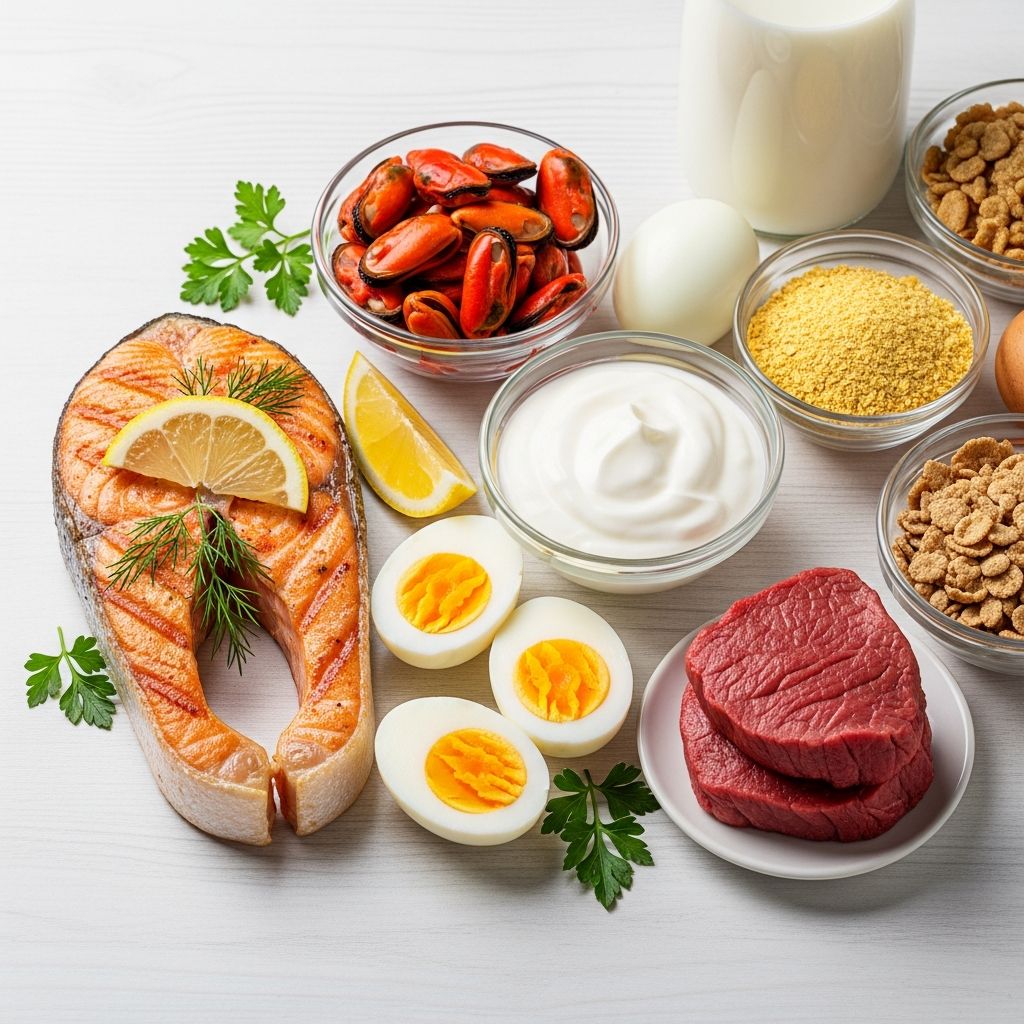
Fish and Shellfish: These seafood options are among the richest natural sources of vitamin B12. Clams are particularly impressive, containing exceptionally high concentrations of B12 per serving. Salmon, tuna, and other fatty fish also provide substantial amounts of this nutrient alongside other important omega-3 fatty acids and minerals. Just three ounces of tuna can provide your entire daily B12 requirement.
Liver: Organ meats, particularly beef liver, contain some of the highest concentrations of naturally occurring B12 found in any food. A small portion of liver can provide multiple days’ worth of B12, making it an exceptionally nutrient-dense option for those who enjoy it.
Red Meat: Beef, lamb, and other red meats are dependable B12 sources, providing the nutrient along with iron, zinc, and high-quality protein. Regular consumption of lean red meat can contribute significantly to meeting B12 needs.
Poultry: Chicken and turkey contain moderate amounts of vitamin B12, making them accessible options for those preferring lighter meat sources.
Eggs: A simple and versatile source, eggs contain B12 along with numerous other essential nutrients. Two eggs provide approximately half of the recommended daily B12 amount, making them an excellent choice for breakfast or inclusion in various dishes.
Related Stories



Dairy Products: Milk, cheese, and yogurt all contain vitamin B12. Greek yogurt, in particular, is recommended by nutritionists for its combination of B12, other B vitamins, and beneficial probiotics that support gut health and mental wellness.
Fortified and Enhanced Sources
Fortified Breakfast Cereals: Many commercial breakfast cereals are fortified with B12, making them convenient options for quick meals. The amount varies by brand, so reading labels is important to identify products with substantial B12 content.
Fortified Nutritional Yeast: An important note: nutritional yeast does not naturally contain vitamin B12. The nutrient is only present if the yeast has been specifically fortified during production. Not all brands contain B12, so careful label reading is essential. When properly fortified, nutritional yeast provides a valuable plant-based option.
Enriched Soy and Rice Milk: Plant-based milk alternatives often have B12 added during fortification, making them suitable options for vegans and those avoiding dairy products.
How Your Body Absorbs Vitamin B12
Understanding the absorption process is crucial for identifying potential deficiency risks and determining appropriate supplementation strategies. Vitamin B12 absorption is more complex than many other nutrients and involves multiple steps.
When you consume B12-containing foods, the vitamin is bound to protein within that food. In the stomach, hydrochloric acid and enzymes work together to release the B12 into its free form. Subsequently, the freed B12 combines with a protein called intrinsic factor, which acts as a transporter—a “taxicab” that carries B12 through the small intestine to the ileum (the final portion of the small intestine) where actual absorption occurs.
This multi-step absorption process means that disruptions at any stage can result in deficiency. This is why certain conditions and medications that affect stomach acid production or intestinal health can impair B12 absorption even when intake appears adequate.
Supplements and fortified foods contain B12 in its free form, bypassing the initial protein-binding step. This allows them to be absorbed more readily without requiring stomach acid or intrinsic factor. While some manufacturers claim that certain supplement forms—such as sublingual tablets or liquids placed under the tongue—are absorbed more effectively than traditional tablets, scientific studies have not demonstrated significant absorption differences between these forms.
Risk Factors for Vitamin B12 Deficiency
Certain populations face elevated risks of vitamin B12 deficiency and should consider monitoring their intake or supplementing proactively.
Dietary Restrictions
Vegetarians and Vegans: People who avoid animal products face the greatest risk of B12 deficiency, since this vitamin is found naturally only in animal-derived foods. Research has shown that vegetarians commonly have low vitamin B12 blood levels. Those following vegetarian or vegan diets should include B12-fortified foods or supplements as non-negotiable dietary components.
Age-Related Absorption Issues
An estimated 10-30% of adults over age 50 experience difficulty absorbing vitamin B12 from food sources. This age-related decline in absorption capacity occurs due to reduced stomach acid production and decreased intrinsic factor availability. For this reason, adults over 50 are advised to obtain B12 from fortified foods or supplements, as these forms bypass the stomach acid requirement and absorb more readily.
Medication Interactions
People who regularly take medications that suppress stomach acid—including proton-pump inhibitors, H2 blockers, and antacids used for gastroesophageal reflux disease (GERD) or peptic ulcer disease—may experience impaired B12 absorption. These medications reduce the hydrochloric acid needed to release B12 from food proteins. If you take these medications chronically, discuss B12 status with your healthcare provider.
Gastrointestinal Conditions and Surgeries
Intestinal surgeries or digestive disorders affecting the stomach (where intrinsic factor is produced) or the ileum (where B12 is absorbed) increase deficiency risk. Conditions like Crohn’s disease and celiac disease impair nutrient absorption, while gastric bypass surgery and other GI procedures can remove or damage the tissues necessary for B12 absorption. People with these conditions require close monitoring and often benefit from supplementation.
Important Caution Regarding Plant Sources
Some plant-based foods are promoted as B12 sources but prove unreliable. Nori (purple laver), the dried seaweed used in sushi rolls, contains small amounts of B12, though the amount varies significantly between types, with some containing none. It is not considered a reliable food source. Similarly, nutritional yeast should only be counted toward B12 intake when explicitly fortified, as the nutrient does not occur naturally in yeast.
Vitamin B12 Supplementation Options
Various supplementation approaches exist, allowing individuals to choose options that align with their preferences and needs.
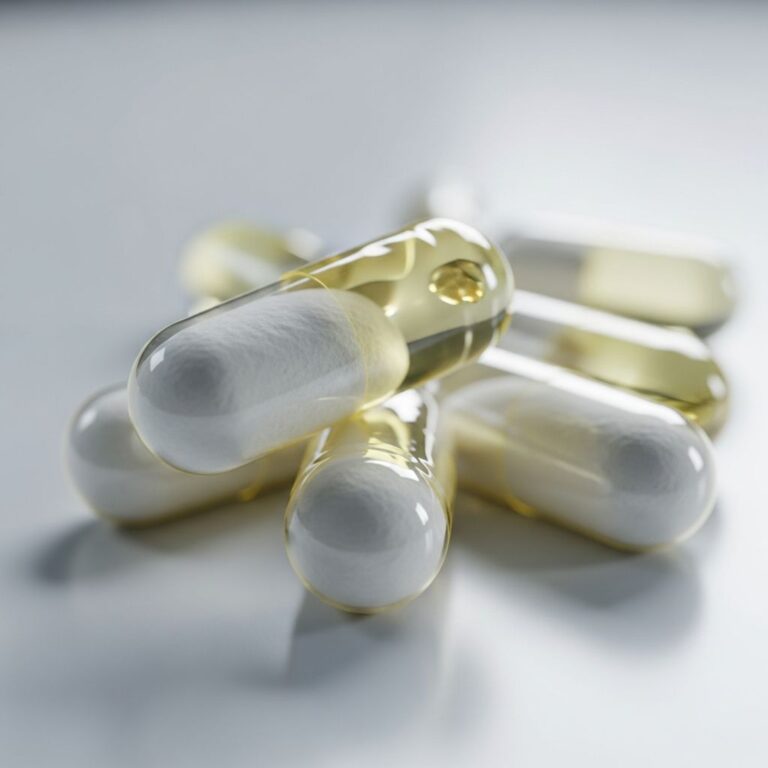
Oral supplements include traditional tablets, sublingual tablets, and liquid formulations. While sublingual forms are marketed as superior, research has not substantiated claims of meaningful absorption advantages. Intramuscular injections represent another option, particularly for those with severe deficiency or significant absorption issues. Some individuals benefit from nasal gels or sprays, though these are less commonly used.
For most people without absorption issues, well-chosen oral supplements or increased intake of fortified foods prove sufficient. However, those with diagnosed deficiency or absorption disorders should work with healthcare providers to determine appropriate supplementation dosages and routes.
Signs of B12 Deficiency
Recognizing deficiency symptoms allows for early intervention. Common signs include fatigue, weakness, numbness or tingling in the extremities, difficulty walking, memory problems, confusion, and depression. Some individuals experience mouth sores or a swollen tongue. Untreated deficiency can progress to serious neurological complications.
If you experience any of these symptoms, particularly if you belong to a higher-risk group, consult your healthcare provider for B12 level testing rather than self-diagnosing.
Practical Guidance for Optimal B12 Status
For most healthy adults consuming adequate animal products, meeting B12 requirements through food alone is straightforward. A simple approach involves incorporating one or more reliable B12 sources into regular meals: eggs for breakfast, yogurt as a snack, fish or poultry for dinner, or dairy products throughout the day.
Vegetarians and vegans should intentionally include fortified foods daily—such as B12-fortified plant-based milks or breakfast cereals—or take a regular B12 supplement. Those over 50 should discuss B12 status with their healthcare providers and consider supplementation or increased fortified food consumption. Individuals taking medications affecting acid production or those with gastrointestinal conditions should similarly consult their providers about appropriate B12 strategies.
As one Harvard nutritionist advises: “Test, not guess.” If you have concerns about your B12 status, consult your doctor rather than guessing or self-treating.
Frequently Asked Questions About Vitamin B12
Q: How much vitamin B12 do I need daily?
A: Adults ages 14 and older need 2.4 micrograms daily. Pregnant women require 2.6 mcg daily, and lactating women need 2.8 mcg daily.
Q: Can I get too much vitamin B12?
A: Vitamin B12 is water-soluble and excess amounts are excreted through urine, making toxicity extremely rare. However, megadoses are not beneficial and supplementation should follow professional guidance.
Q: Is nutritional yeast a reliable B12 source for vegans?
A: Only if fortified. Natural yeast does not contain B12, so check product labels carefully. Not all brands are fortified.
Q: Are sublingual B12 supplements better than tablets?
A: Despite marketing claims, scientific studies have not shown meaningful absorption differences between sublingual tablets and traditional oral supplements.
Q: Who is at highest risk for B12 deficiency?
A: Vegans and vegetarians, adults over 50, those taking acid-suppressing medications, and people with gastrointestinal disorders or surgeries face elevated deficiency risk.
Q: Is seaweed a good plant-based B12 source?
A: Nori contains only small, variable amounts of B12 and is not considered a reliable source. Better plant-based options include fortified foods and supplements.
References
- Vitamin B12 — Harvard T.H. Chan School of Public Health. 2024. https://nutritionsource.hsph.harvard.edu/vitamin-b12/
- The Myths and Truths of Vitamin B12 — WebMD. Updated 2024. https://www.webmd.com/diet/features/b12-truths-myths
- Harvard Nutritionist Shares the No. 1 Vitamin That Keeps Her Brain Young and Healthy — Live in Home Care. 2024. https://www.liveinhomecare.com/harvard-nutritionist-shares-the-no-1-vitamin-that-keeps-her-brain-young-and-healthy-and-foods-she-eats-every-day/
- Vitamin B12: A Comprehensive Review of Natural vs Synthetic Forms of Consumption and Supplementation — Cureus. 2024. https://www.cureus.com/articles/403180-vitamin-b12-a-comprehensive-review-of-natural-vs-synthetic-forms-of-consumption-and-supplementation
- Long-term Intake of Folate, Vitamin B6, and Vitamin B12 and the Risk of Parkinson’s Disease — National Institutes of Health. 2024. https://pmc.ncbi.nlm.nih.gov/articles/PMC12380053/
Similar Articles








Read full bio of medha deb