Vitamin B6 Deficiency Symptoms: 9 Signs You Shouldn’t Ignore
Recognize the signs of vitamin B6 deficiency early, from skin rashes to neurological issues, and learn prevention strategies.

Vitamin B6, also known as pyridoxine, is essential for protein metabolism, red blood cell production, and neurotransmitter synthesis. Deficiency, though uncommon in balanced diets, leads to diverse symptoms affecting skin, nerves, mood, and energy levels. Early recognition prevents severe complications like seizures or anemia.
What Is Vitamin B6?
Vitamin B6 exists in three forms: pyridoxine, pyridoxal, and pyridoxamine, converting to pyridoxal 5′-phosphate (PLP), the active coenzyme. It supports over 100 enzymatic reactions, including amino acid metabolism, glycogen breakdown, and heme synthesis for hemoglobin. The recommended daily intake is 1.3–1.7 mg for adults, higher during pregnancy (1.9 mg) or lactation (2.0 mg).
Found in poultry, fish, potatoes, bananas, and fortified cereals, B6 absorption occurs in the jejunum. Most people meet needs through diet, but certain conditions impair utilization.
Vitamin B6 Deficiency Symptoms
Symptoms emerge gradually, starting with subtle signs like fatigue before progressing to dermatitis or neuropathy. Severity depends on duration and underlying causes.
Skin Rashes (Seborrheic Dermatitis)
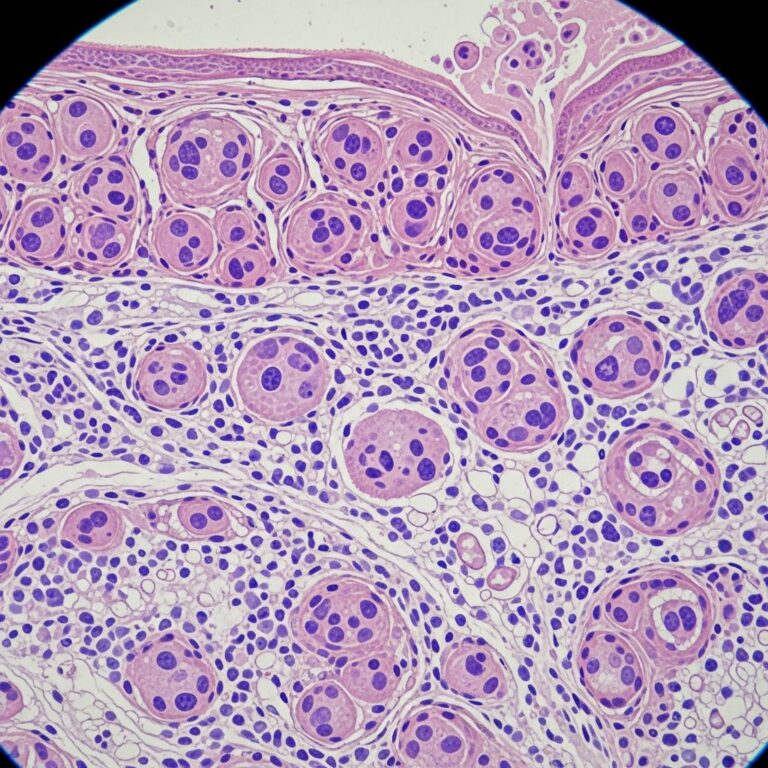
A hallmark sign is seborrheic dermatitis: red, greasy, scaly rash on the scalp, face, neck, or chest. It appears oily and flaky, sometimes with swelling or white patches. B6 aids collagen synthesis for skin integrity; deficiency disrupts this, causing inflammation.
Studies show B6 supplementation or topical creams resolve rashes quickly in deficient individuals.
Cracked, Sore Lips (Cheilosis)
Cheilosis features sore, red, swollen lips with cracks at mouth corners that may bleed or infect. Pain hinders eating and speaking. While B6 deficiency contributes, riboflavin, folate, or iron shortfalls can mimic it.
Sore, Glossy Tongue (Glossitis)
Glossitis causes a swollen, inflamed, smooth, red tongue due to papillae loss. It impairs chewing, swallowing, and talking. B6 replenishment treats it if deficiency is primary; folate or B12 issues may coexist.
Mood Changes
Irritability, confusion, anxiety, or depression arise as B6 is crucial for serotonin, dopamine, and GABA production. Adults may experience cognitive fog; research links supplementation to PMS mood relief and autism behavioral improvements.
Fatigue and Low Energy
Tiredness stems from anemia: B6 deficiency impairs hemoglobin production, reducing oxygen transport. Cells starve, causing weakness and sluggishness.
Peripheral Neuropathy
Numbness, tingling, or burning pain in hands and feet signals nerve damage. Pins-and-needles sensations progress if untreated.
Anemia
Normocytic, microcytic, or sideroblastic anemia develops, with small, pale red blood cells.
Seizures
Severe cases, especially in infants, cause refractory seizures unresponsive to standard drugs. Adults rarely experience them.
High Homocysteine Levels
B6, with B12 and folate, metabolizes homocysteine. Elevated levels damage vessels and nerves, raising heart disease risk.
Who Is at Risk for Vitamin B6 Deficiency?
Primary deficiency from diet is rare, but secondary causes prevail:
- Medications: Isoniazid (TB treatment), anticonvulsants, theophylline inactivate B6.
- Medical Conditions: Malabsorption (celiac, IBD), kidney disease, autoimmune disorders.
- Lifestyle: Alcoholism increases loss; protein-rich diets demand more B6.
- Life Stages: Elderly (poor absorption), pregnant/breastfeeding women, infants on prolonged exclusive breastfeeding.
- Dietary: Vegan/vegetarian diets low in B6 sources.
Related Stories



How Is Vitamin B6 Deficiency Diagnosed?
Diagnosis is clinical, relying on symptoms and history. No single lab test is definitive; plasma PLP <20 nmol/L suggests deficiency, but functional tests like erythrocyte transaminase activation are more accurate. Elevated homocysteine or unsaturation of enzymes support it. Rule out similar deficiencies (B12, folate).
Treatment for Vitamin B6 Deficiency
Treatment targets cause and replenishes stores:
- Diet: Increase B6-rich foods: chicken (0.5 mg/3oz), salmon (0.6 mg/3oz), potatoes (0.3 mg/medium), bananas (0.4 mg/each).
- Supplements: Oral pyridoxine 10–100 mg/day for moderate cases; higher for severe. IV for malabsorption. Monitor to avoid toxicity (nerve damage >200 mg/day).
- Address Cause: Stop offending drugs, treat malabsorption.
Improvement occurs within days for skin/mood; weeks for neuropathy.
Prevention of Vitamin B6 Deficiency
- Eat varied diet with B6 sources.
- At-risk groups: consider supplements under medical advice.
- Alcoholics/pregnant women: monitor levels.
- Medication users: prophylactic B6.
When to See a Doctor
Seek care for persistent rash, neuropathy, glossitis, fatigue, or mood changes. Infants with irritability/seizures need urgent evaluation.
Frequently Asked Questions (FAQs)
Can vitamin B6 deficiency cause depression?
Yes, due to impaired neurotransmitter synthesis; supplementation may alleviate symptoms.
Is vitamin B6 deficiency common?
Rare in the U.S. from diet alone, but secondary cases occur with medications or conditions.
How long to recover from B6 deficiency?
Skin/mood improve in days; full recovery 1–4 weeks with treatment.
Can too much B6 cause symptoms?
Which foods highest in B6?
Poultry, fish, organ meats, fortified cereals, starchy vegetables.
Nutritional Comparison Table
| Food (3oz serving unless noted) | Vitamin B6 (mg) | % Daily Value* |
|---|---|---|
| Chicken breast | 0.5 | 29% |
| Tuna | 0.9 | 53% |
| Salmon | 0.6 | 35% |
| Potato (medium baked) | 0.3 | 18% |
| Banana (medium) | 0.4 | 24% |
| *Based on 1.7 mg RDA for adults | ||
Vitamin B6 deficiency disrupts multiple systems but is preventable and treatable. Consult healthcare providers for personalized advice.
References
- Vitamin B6 Deficiency — Merck Manuals. 2023. https://www.merckmanuals.com/home/disorders-of-nutrition/vitamins/vitamin-b6-deficiency
- Vitamin B6 Deficiency: Signs, Symptoms, and Solutions — Apollo Diagnostics. 2024. https://apollodiagnostics.in/blogs/vitamin-b6-deficiency-signs-symptoms-and-solutions
- Vitamin B6 Deficiency and Dependency — MSD Manuals Professional. 2024. https://www.msdmanuals.com/professional/nutritional-disorders/vitamin-deficiency-dependency-and-toxicity/vitamin-b6-deficiency-and-dependency
- 9 Signs and Symptoms of Vitamin B6 Deficiency — Healthline. 2023. https://www.healthline.com/nutrition/vitamin-b6-deficiency-symptoms
- Vitamin B6 — MedlinePlus Medical Encyclopedia. 2024. https://medlineplus.gov/ency/article/002402.htm
- Signs You’re Not Getting Enough Vitamin B6 — WebMD. 2023. https://www.webmd.com/vitamins-and-supplements/ss/slideshow-vitamins-vitamin-b6-deficiency
- Vitamin B-6 — Mayo Clinic. 2024. https://www.mayoclinic.org/drugs-supplements-vitamin-b6/art-20363468
Similar Articles








Read full bio of Sneha Tete