Vitamin C And Gut Health: 5 Key Benefits For Microbiome Balance
Discover how vitamin C supports gut health by boosting beneficial bacteria like Bifidobacterium and promoting microbiome diversity.
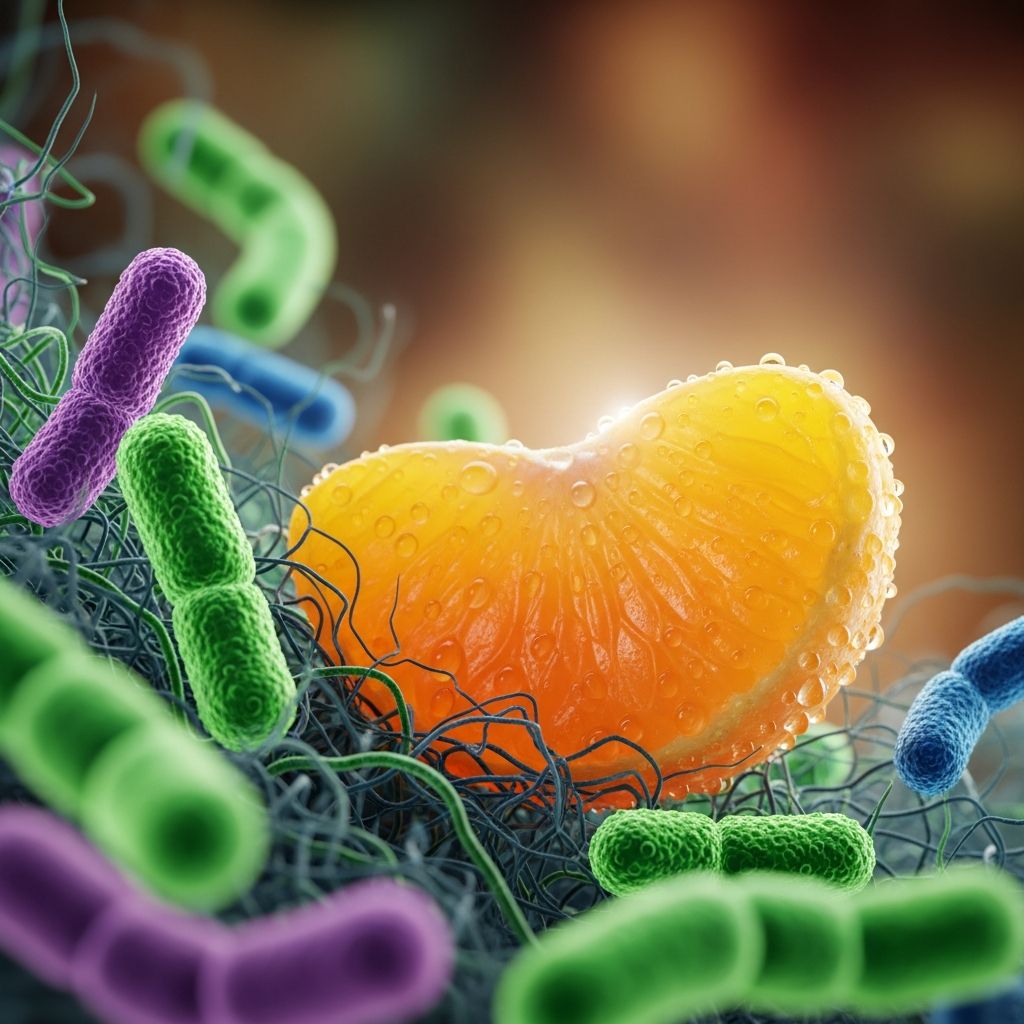
Vitamin C, also known as ascorbic acid, is a water-soluble antioxidant essential for immune function, collagen synthesis, and iron absorption. Emerging research reveals its profound impact on gut health by modulating the gut microbiome—the trillions of bacteria, fungi, and other microbes in the digestive tract that influence digestion, immunity, and even mental health. Studies show vitamin C supplementation increases beneficial bacteria like Bifidobacterium, enhances microbial diversity, and supports short-chain fatty acid production, all crucial for optimal gut function.
What Is the Gut Microbiome?
The gut microbiome comprises over 100 trillion microorganisms residing primarily in the large intestine. These microbes aid digestion, produce vitamins, regulate immune responses, and protect against pathogens. A balanced microbiome features diverse species, including beneficial Firmicutes and Bacteroidetes phyla.
Disruptions, or dysbiosis, from poor diet, antibiotics, or stress, link to conditions like irritable bowel syndrome (IBS), inflammatory bowel disease (IBD), obesity, and weakened immunity. Factors like fiber-rich diets and probiotics promote health, and recent evidence positions vitamin C as a key modulator.
- Diversity: Higher alpha-diversity correlates with better health outcomes.
- Beneficial genera: Bifidobacterium, Lactobacillus, Faecalibacterium produce anti-inflammatory compounds.
- Pathobionts: Overgrowth of harmful species like certain Bacteroides can exacerbate inflammation.
How Does Vitamin C Affect the Gut Microbiome?
Vitamin C influences the gut indirectly via its antioxidant properties and direct effects in the colon. High doses exceed small intestine absorption (70-90% at 30-180 mg/day, dropping below 50% at 1000 mg), delivering unabsorbed ascorbic acid to lower gut microbes.
As a redox modulator, vitamin C alters the gut’s oxidative environment, favoring strict anaerobes like Lachnospiraceae over aerotolerant species. It reduces fecal redox potential, promoting butyrate-producers linked to gut barrier integrity.
| Effect | Bacterial Change | Health Benefit |
|---|---|---|
| Increase | Bifidobacterium (4-fold in some studies) | Anti-inflammatory, infection resistance |
| Increase | Blautia, Lachnospiraceae | Short-chain fatty acid production |
| Decrease | Bacteroidetes, Enterococci | Reduces inflammation risk |
These shifts enhance alpha-diversity and short-chain fatty acids (SCFAs) like butyrate, fueling colonocytes and reducing inflammation.
Key Studies on Vitamin C and Gut Bacteria
PMC Study: Vitamin C Boosts Bifidobacterium
A 2022 observational study analyzed stool from 23 individuals before and after physician-prescribed vitamin C supplementation. Next-generation sequencing showed significant Bifidobacterium abundance increase (p=0.0001), with trends in Lachnospiraceae rises and Bacteroides declines. This suggests vitamin C restores beneficial flora, potentially aiding infection outcomes.
Variations existed; some subjects showed opposite trends, highlighting individual responses influenced by baseline microbiome or health status.
Otten et al. Pilot: High-Dose Effects in Healthy Adults
In a 2021 pilot, 22 healthy volunteers took 1000 mg vitamin C daily for two weeks. 16S rRNA sequencing revealed over fourfold Bifidobacterium increase, Blautia uptrends, and decreases in Bacteroidetes and Gemmiger formicilis. No overall diversity change, but targeted beneficial shifts suggest anti-inflammatory potential for IBD or metabolic diseases.
Colon-Targeted Delivery Trial
ClinicalTrials.gov NCT05598619 found colon-delivered vitamin C most distinctly increased alpha-diversity and fecal SCFAs versus B2 or D vitamins, underscoring direct colonic effects.
Benefits of Vitamin C for Gut Health
- Enhanced Immunity: Bifidobacterium fights pathogens; vitamin C synergy may improve COVID-19 or infection resilience.
- Improved Digestion: SCFAs from modulated bacteria aid motility and reduce bloating.
- Anti-Inflammatory: Butyrate from Lachnospiraceae suppresses cytokines in IBD.
- Liver Protection: In MASLD, vitamin C raised adiponectin and microbiota diversity, aiding recovery.
- Gastroprotection: Attenuates NSAID-induced damage; deficiency worsens upper GI bleeds.
Related Stories



Recommended Vitamin C Intake for Gut Health
Recommended Dietary Allowance (RDA): 75-90 mg/day for adults (smokers +35 mg). For microbiome benefits, studies used 500-1000 mg/day, safe up to 2000 mg (upper limit).
| Group | RDA (mg/day) | Gut Study Dose (mg/day) |
|---|---|---|
| Adult Women | 75 | 500-1000 |
| Adult Men | 90 | 500-1000 |
| Pregnant | 85 | Consult physician |
| Smokers | 110-125 | 1000+ |
Exceeding 2000 mg may cause diarrhea; start low and monitor.
Best Dietary Sources of Vitamin C
Whole foods provide bioavailable vitamin C with fiber for microbiome support.
- Bell peppers: 190 mg/cup red
- Broccoli: 81 mg/cup cooked
- Kiwi: 71 mg/fruit
- Strawberries: 98 mg/cup
- Oranges: 70 mg/fruit
Aim for 2-3 servings daily; cooking reduces content, so favor raw or lightly steamed.
Supplements: Forms and Considerations
Ascorbic acid is standard; buffered (calcium/magnesium ascorbate) gentler on stomach. Liposomal forms claim better absorption but lack microbiome-specific data. Take with meals; high doses split to minimize GI upset.
Consult doctor if on medications or with conditions like hemochromatosis (iron overload risk).
Potential Risks and Side Effects
Generally safe; high doses (>2000 mg) cause osmotic diarrhea, mimicking laxative effect—beneficial for constipation but monitor. Rare oxalate kidney stones in predisposed. No toxicity from food sources.
Who Benefits Most from Vitamin C for Gut Health?
- Antibiotic users: Restores depleted Bifidobacterium.
- Low-diet diversity: Boosts SCFA production.
- Stress/smokers: Higher oxidative stress harms anaerobes.
- GI disorder patients: IBD, IBS, MASLD.
Frequently Asked Questions (FAQs)
How quickly does vitamin C affect gut bacteria?
Studies show shifts in 2 weeks at 1000 mg/day.
Can vitamin C cause gut issues?
High doses may loosen stools; rare otherwise.
Is vitamin C better than probiotics for gut health?
Complementary; vitamin C boosts native Bifidobacterium.
Does cooking destroy vitamin C?
Yes, heat-sensitive; eat raw when possible.
Can vitamin C help IBS?
Promising via diversity and inflammation reduction; more trials needed.
Practical Tips to Boost Gut Health with Vitamin C
- Start day with citrus-kale smoothie.
- Supplement 500 mg post-meals.
- Pair with prebiotic fibers (onions, garlic).
- Track symptoms via journal.
- Re-test microbiome after 1 month if advanced.
Integrating vitamin C supports a resilient microbiome, foundational to health.
References
- Vitamin C improves gut Bifidobacteria in humans — von S Hazan et al. 2022-10-01. https://pmc.ncbi.nlm.nih.gov/articles/PMC12153399/
- Vitamin C Supplementation in Healthy Individuals Leads to … — AT Otten et al. 2021-08-01. https://pmc.ncbi.nlm.nih.gov/articles/PMC8389205/
- Exploring the Role of Vitamin C in Gastrointestinal Function … — M Shneyderman. 2025-03-01. https://practicalgastro.com/wp-content/uploads/2025/03/Nutrition-February-2025.pdf
- Effect of Colon Delivered Vitamin C on Gut Microbiota and … — ClinicalTrials.gov. 2022. https://clinicaltrials.gov/study/NCT05598619
Similar Articles








Read full bio of medha deb