Vitamin C Benefits: 9 Essential Science-Backed Advantages
Discover the essential health benefits of vitamin C, from immune support to disease prevention and collagen production.
Vitamin C, also known as ascorbic acid, is an essential water-soluble vitamin that the body cannot produce or store, requiring daily intake through diet or supplements. It serves as a potent antioxidant, supports immune function, aids collagen synthesis, and enhances iron absorption, playing critical roles in preventing chronic diseases like scurvy, cancer, and cardiovascular issues.
What Is Vitamin C?
Vitamin C is a vital nutrient found in many fruits and vegetables, functioning as an antioxidant to protect cells from free radical damage caused by pollution, UV light, aging, and food metabolism. Unlike fat-soluble vitamins, it dissolves in water and excess is excreted in urine, necessitating consistent consumption. The body relies on it for biosynthetic processes, including collagen production essential for skin, bones, cartilage, tendons, ligaments, and blood vessels.
Discovered in the early 20th century, vitamin C deficiency leads to scurvy, characterized by fatigue, gum inflammation, joint pain, poor wound healing, and connective tissue weakness. Modern deficiencies are common, ranking as the fourth leading micronutrient shortfall in the U.S., often due to limited diets or factors like smoking.
9 Science-Backed Benefits of Vitamin C
Research highlights numerous benefits of vitamin C, supported by clinical studies and health authorities. Here are the primary evidence-based advantages:
- Strong Antioxidant That Enhances Immune Cell Function: Vitamin C regenerates other antioxidants like vitamin E, protects white blood cells, and boosts their production and mobility to fight infections. Daily intake of 100-200 mg strengthens immunity, potentially shortening cold duration by 10%.
- Helps Lower High Blood Pressure: It improves endothelial function, nitric oxide production, and vasodilation, reducing blood pressure. Studies show reductions of 3.8 mmHg systolic and 1.5 mmHg diastolic in hypertensives.
- Boosts Collagen Production for Healthier Skin: Essential for collagen synthesis, vitamin C maintains skin elasticity, repairs wounds, and protects against UV damage. Deficiency impairs healing and accelerates aging.
- May Help Prevent Heart Disease: By limiting LDL oxidation, reducing monocyte adherence, and stabilizing plaques, higher intakes (dietary >86 mg/day) correlate with 25-42% lower risks of coronary heart disease and stroke.
- Supports Brain Health, Possibly Reducing Risk of Alzheimer’s: As an antioxidant, it combats oxidative stress in the brain. Observational studies link high plasma levels to lower dementia risk, though supplements show mixed results.
- May Reduce Gout Attacks by Lowering Uric Acid Levels: Doses of 500 mg/day decrease serum uric acid by 0.5 mg/dL, reducing gout flares by 15% in some trials.
- Improves Iron Absorption, Helpful for Those with Anemia: Enhances non-heme iron uptake from plants by up to 67%, beneficial for vegetarians and those with iron deficiency.
- Boosts Mood and May Reduce Depression Symptoms: Low levels associate with depression; supplementation (500-3000 mg) improves mood and reduces symptoms in deficient individuals.
- Potentially Protective Against Certain Cancers: Limits carcinogen formation, modulates immunity, and attenuates oxidative damage. Cohorts with >80-110 mg/day show lower risks, especially from dietary sources.
Vitamin C and Eye Health
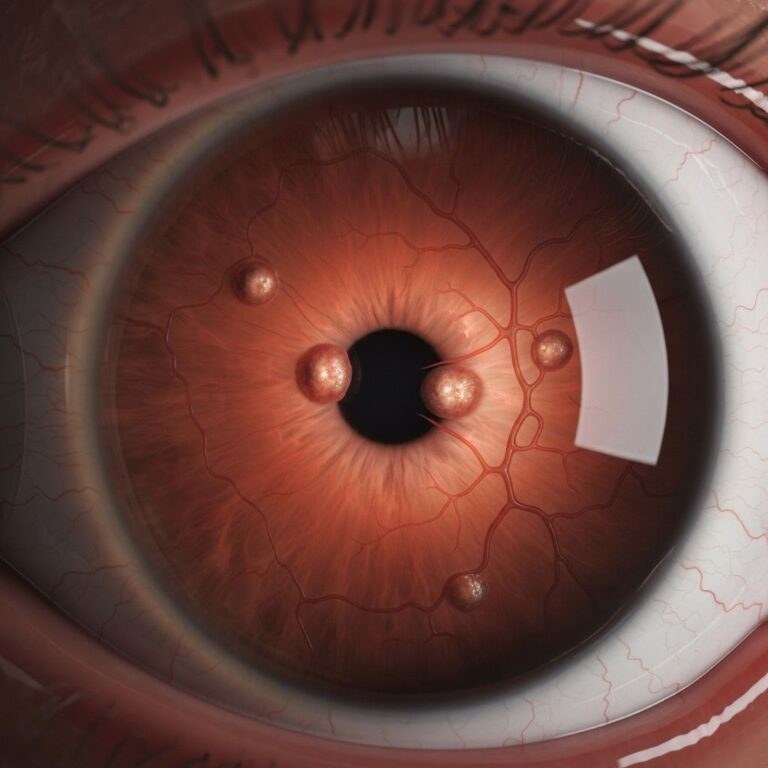
Vitamin C supports eye health by reducing cataract risk and slowing age-related macular degeneration (AMD). Dietary intakes >300 mg/day cut cataract risk by 70-75%; higher plasma levels link to lower incidence in large cohorts. Combined with other antioxidants, it prevents AMD progression.
Who Might Need More Vitamin C?
Certain groups require higher amounts due to increased needs or losses:
- Smokers/exposed to secondhand smoke (add 35 mg/day)
- Pregnant/lactating women (85-120 mg/day)
- Those with chronic diseases (cancer, kidney issues)
- Individuals with limited diets or malabsorption
- Infants fed boiled/sterilized milk
Smokers have 25-40% lower plasma levels; severe deficiency risks scurvy below 10 mg/day.
Vitamin C Dosage
Recommended Dietary Allowances (RDAs) vary:
| Age/Life Stage | Males (mg/day) | Females (mg/day) |
|---|---|---|
| 1-3 years | 15 | 15 |
| 4-8 years | 25 | 25 |
| 9-13 years | 45 | 45 |
| 14-18 years | 75 | 65 |
| 19+ years | 90 | 75 |
| Pregnancy | – | 85 |
| Lactation | – | 120 |
Upper limit: 2000 mg/day for adults to avoid GI upset. Smokers add 35 mg.
Sources of Vitamin C
Best from foods for synergy with other nutrients:
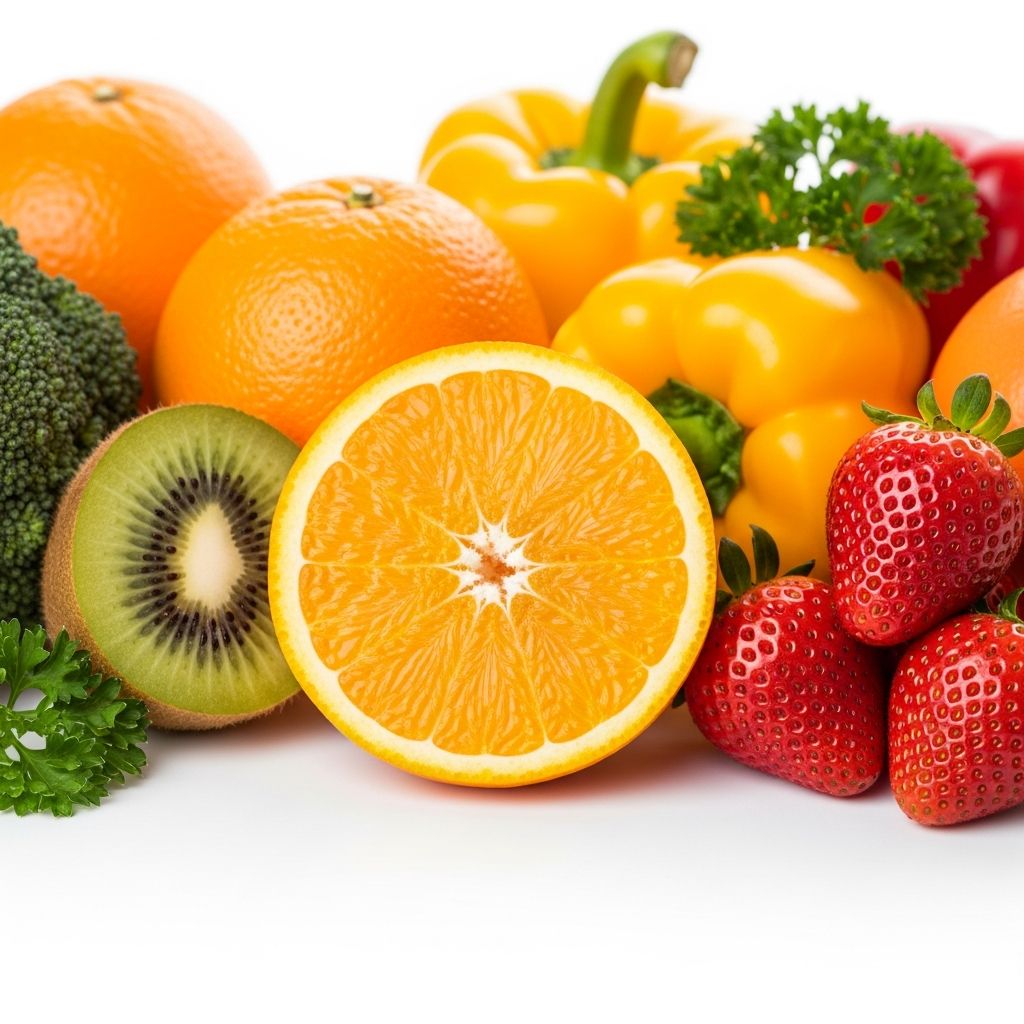
- Guava (228 mg/cup)
- Kakadu plum (up to 5300 mg/100g)
- Bell peppers (190 mg/cup red)
- Broccoli (81 mg/cup)
- Kiwi (71 mg each)
- Strawberries (98 mg/cup)
- Oranges (70 mg each)
Cooking reduces content; raw/consuming with iron-rich foods maximizes benefits. Supplements suit deficiencies but food preferred.
Vitamin C Deficiency
Rare in developed nations but risks scurvy (<10 mg/day): fatigue, bleeding gums, petechiae, joint pain, slow healing. Infants: irritability, failure to thrive. Reversible with supplementation.
Related Stories



Vitamin C Side Effects
Generally safe; high doses (>2000 mg) cause diarrhea, nausea, cramps. Those with hemochromatosis risk iron overload. Enhances kidney stone risk in predisposed via oxalate.
Was this page helpful?
We value your feedback to improve content accuracy and relevance.
Frequently Asked Questions (FAQs)
Does vitamin C prevent colds?
It doesn’t prevent colds but may shorten duration by 8-14% and reduce severity with regular 200 mg/day intake.
Can vitamin C supplements replace fruits/veggies?
No; whole foods provide fiber, phytochemicals for broader benefits.
Is too much vitamin C harmful?
Best time to take vitamin C?
Anytime; with iron meals for absorption.
Vegetarian iron absorption and vitamin C?
Boosts non-heme iron by 2-3x; pair citrus with beans/leafy greens.
References
- Vitamin C: Why you need it and how to get it — UCLA Health. 2023-10-12. https://www.uclahealth.org/news/article/vitamin-c-why-you-need-it-and-how-get-it
- Vitamin C – Health Professional Fact Sheet — Office of Dietary Supplements, NIH. 2024-07-10. https://ods.od.nih.gov/factsheets/VitaminC-HealthProfessional/
- Vitamin C — Mayo Clinic. 2023-11-15. https://www.mayoclinic.org/drugs-supplements-vitamin-c/art-20363932
Similar Articles








Read full bio of medha deb