Vitamin C Chewable Tablets: Uses, Benefits & Side Effects
Complete guide to ascorbic acid chewable tablets: benefits, usage, and safety information.
What Are Vitamin C Chewable Tablets?
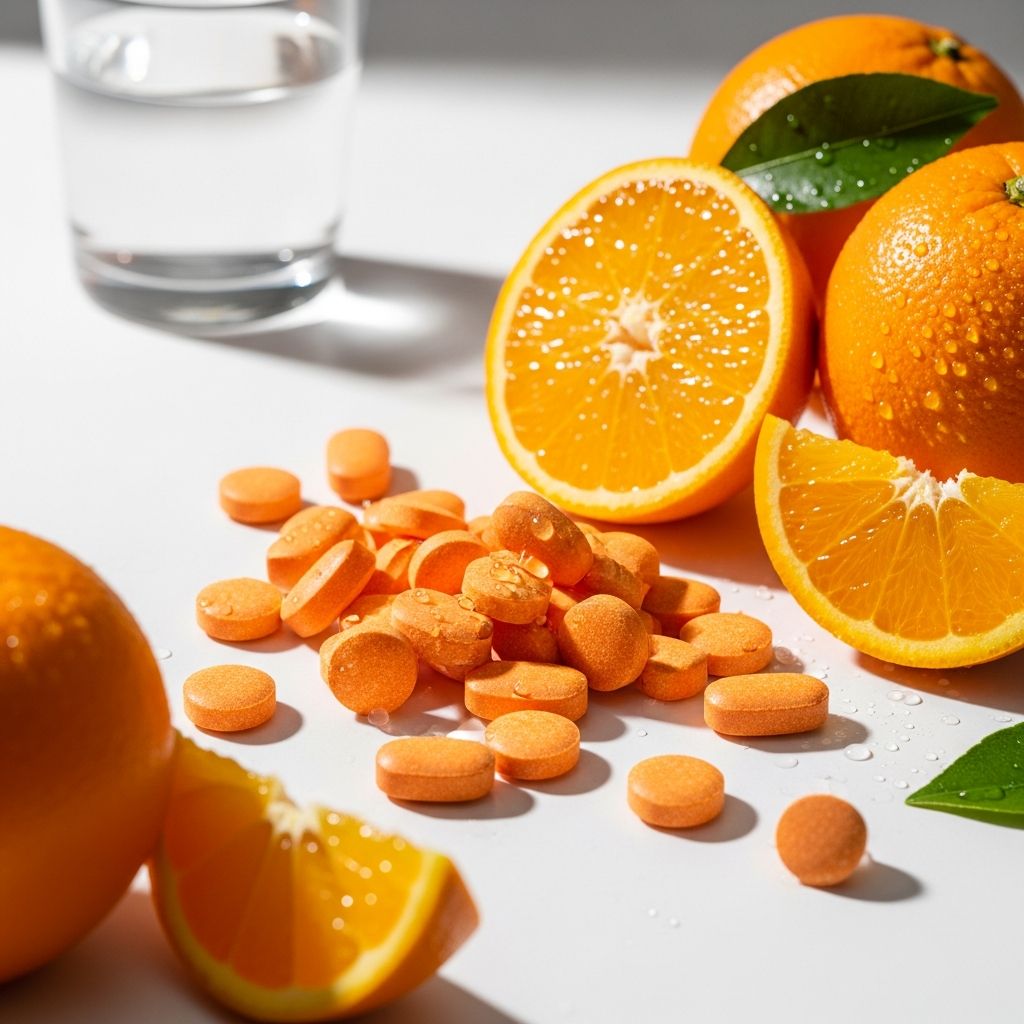
Vitamin C chewable tablets, also known as ascorbic acid, are over-the-counter nutritional supplements designed to prevent and treat vitamin C deficiency in the body. These tablets come in a convenient chewable form, making them easier to consume than traditional swallowed tablets or capsules. Ascorbic acid is an essential antioxidant medication that plays a crucial role in maintaining various bodily functions and protecting cellular health.
The chewable format of vitamin C tablets offers a practical alternative for individuals who have difficulty swallowing traditional pills or who prefer the taste and ease of chewing supplements. Common brand names for vitamin C chewable tablets include Acerola C® and Airborne® Immune Support, both of which are widely available in pharmacies and health stores.
Key Uses and Benefits of Vitamin C Chewable Tablets
Vitamin C chewable tablets serve multiple important functions in maintaining overall health and wellness. Understanding these uses can help individuals determine whether this supplement is appropriate for their specific health needs.
Preventing and Treating Vitamin C Deficiency
The primary purpose of vitamin C chewable tablets is to prevent and treat low vitamin C levels in the body. Vitamin C deficiency can lead to serious health complications if left untreated, making supplementation an important health consideration for those at risk.
Supporting Immune System Health
Vitamin C plays a vital role in maintaining the health of your immune system. As an antioxidant, it helps protect your cells from damage and supports the body’s natural defense mechanisms against infections and illnesses. This immune-boosting property makes vitamin C particularly valuable during cold and flu season.
Maintaining Blood Vessel, Bone, and Cellular Health
Beyond immune support, ascorbic acid helps maintain the structural integrity and health of your blood vessels and bones. It is essential for collagen production, which provides strength and elasticity to these tissues. Additionally, vitamin C protects cells from oxidative stress and free radical damage.
Promoting Wound Healing
Vitamin C plays a crucial role in the wound healing process. It facilitates collagen synthesis, which is essential for forming new tissue and closing wounds effectively. This makes vitamin C supplementation particularly beneficial for individuals recovering from injuries or surgery.
How to Take Vitamin C Chewable Tablets
Proper usage of vitamin C chewable tablets ensures maximum effectiveness and minimizes the risk of adverse effects. Follow these guidelines for optimal results:
Administration Instructions
Take vitamin C chewable tablets by mouth, ensuring that you chew each tablet completely before swallowing. Follow the directions on the package or prescription label carefully, as dosage recommendations may vary based on individual needs and health conditions. You may take this medication with or without food, though if it upsets your stomach, consuming it with a meal can help minimize discomfort.
Related Stories



Regular Dosing Schedule
Take your medication at regular intervals as directed. Do not take your medication more often than the label recommends, as excessive intake can lead to adverse effects and potential toxicity. If you miss a dose, take it as soon as you remember. However, if it is almost time for your next scheduled dose, skip the missed dose and resume your regular dosing schedule. Never take double or extra doses to compensate for a missed dose.
Important Dental Precautions
Due to the acidic nature of vitamin C, rinse or brush your teeth after using chewable tablets to avoid causing tooth cavities and dental erosion. This simple step helps protect your tooth enamel from acid damage over time.
Precautions and Special Considerations
Before taking vitamin C chewable tablets, inform your healthcare provider about any existing medical conditions or medications you are currently taking. Certain conditions require special attention when using ascorbic acid supplements.
Diabetes Considerations
If you are diabetic, very high doses of ascorbic acid can interfere with tests for sugar in the urine. If you regularly check your urine glucose levels, consult with your healthcare team about appropriate vitamin C dosing to ensure accurate test results.
Medication Interactions
Vitamin C can interact with various medications, herbs, non-prescription drugs, and dietary supplements. Give your healthcare provider a complete list of all substances you use, including over-the-counter products, supplements, and any tobacco, alcohol, or illicit drugs. Some items may interact with vitamin C and affect its efficacy or increase the risk of side effects.
Use in Children
While vitamin C chewable tablets may be prescribed for selected conditions in children, precautions apply. Talk to your care team about the appropriate use of this medication in pediatric patients, as dosage requirements differ significantly from adult recommendations.
Not for Sharing
This medicine is only for you. Do not share this medicine with others, as their individual health conditions and medication interactions may differ from yours. Sharing medication can be unsafe and potentially harmful.
Nutritional Supplementation and Dietary Considerations
While vitamin C chewable tablets provide valuable supplementation, they should not replace a balanced diet. Taking a vitamin supplement does not eliminate the need for proper nutrition through food sources. Instead, supplements should complement a healthy eating plan.
Natural Sources of Vitamin C
Many foods naturally contain vitamin C and should be incorporated into your daily diet. Some excellent natural sources include:
- Citrus fruits (oranges, lemons, limes, grapefruits)
- Green peppers
- Broccoli
- Cabbage
- Tomatoes
By consuming these foods regularly, you can maintain adequate vitamin C levels while also benefiting from other essential nutrients and dietary fiber.
Potential Side Effects
While vitamin C chewable tablets are generally well-tolerated, some individuals may experience side effects. Understanding these potential effects helps you determine when to seek medical attention.
Common Side Effects
Most side effects associated with vitamin C supplementation are mild and do not require medical attention. These may include minor gastrointestinal discomfort. If these side effects persist or become bothersome, report them to your healthcare provider.
Serious Side Effects Requiring Medical Attention
While rare, some individuals may experience more serious side effects that require immediate medical attention. Contact your healthcare provider as soon as possible if you experience any unusual or concerning symptoms after taking this medication.
Overdosage
If you think you have taken too much of this medicine, contact a poison control center or visit an emergency room at once. Overdosage can lead to serious complications and requires immediate professional medical evaluation.
Storage and Safety Guidelines
Proper storage of vitamin C chewable tablets ensures their safety and effectiveness over time.
Storage Instructions
Store your vitamin C chewable tablets at room temperature between 15 and 30 degrees Celsius (59 and 86 degrees Fahrenheit) or as directed on the package label. Keep the medication in a cool, dry place and protect it from excessive heat and moisture, which can degrade the product. Throw away any unused medication after the expiration date to ensure safety and efficacy.
Keeping Medication Safe
Keep vitamin C chewable tablets out of the reach of children to prevent accidental ingestion. Store your medication in its original container with the label intact for easy identification and proper dosage information.
Frequently Asked Questions
Q: Can vitamin C chewable tablets be taken with other medications?
A: Vitamin C can interact with certain medications. Always inform your healthcare provider of all medications, supplements, and herbs you take. Your doctor can assess potential interactions and adjust your regimen if necessary.
Q: Is vitamin C supplementation necessary if I eat a healthy diet?
A: Most people can obtain adequate vitamin C through a balanced diet rich in fruits and vegetables. However, supplementation may be recommended for those at risk of deficiency or with specific health conditions. Consult your healthcare provider for personalized recommendations.
Q: How long does it take to see benefits from vitamin C supplementation?
A: The timeline for experiencing benefits varies depending on individual factors, existing deficiency levels, and health status. Some individuals notice improvements in immune function within weeks, while others may require longer periods of consistent supplementation.
Q: Are there any age restrictions for taking vitamin C chewable tablets?
A: While vitamin C is generally safe for various age groups, dosage requirements differ significantly. Children should only take this medication under medical supervision with appropriate dosing. Consult your healthcare provider about age-appropriate recommendations.
Q: Can I take vitamin C chewable tablets if I have kidney stones?
A: High doses of vitamin C can increase kidney stone risk in susceptible individuals. If you have a history of kidney stones, discuss vitamin C supplementation with your healthcare provider before starting any supplement regimen.
Q: What should I do if I experience tooth sensitivity from chewable vitamin C tablets?
A: Rinse or brush your teeth after taking chewable vitamin C tablets to minimize tooth enamel exposure to acidic content. If tooth sensitivity persists, consult your dentist and discuss alternative vitamin C delivery methods with your healthcare provider.
Important Information for Healthcare Providers
Healthcare providers should note that this medication information is a summary and may not cover all possible information about vitamin C chewable tablets. Patients with specific questions about this medication should contact their doctor, pharmacist, or other healthcare provider for comprehensive guidance and personalized recommendations based on individual health status and medical history.
References
- Ascorbic Acid (Vitamin C) Chewable Tablets: Uses & Side Effects — Cleveland Clinic. 2025. https://my.clevelandclinic.org/health/drugs/19266-vitamin-c-chewable-tablets
Similar Articles








Read full bio of Sneha Tete