Vitamin C Myths and Truths: What Science Really Says
Separate fact from fiction about vitamin C: Discover what research reveals about supplements, health benefits, and daily requirements.
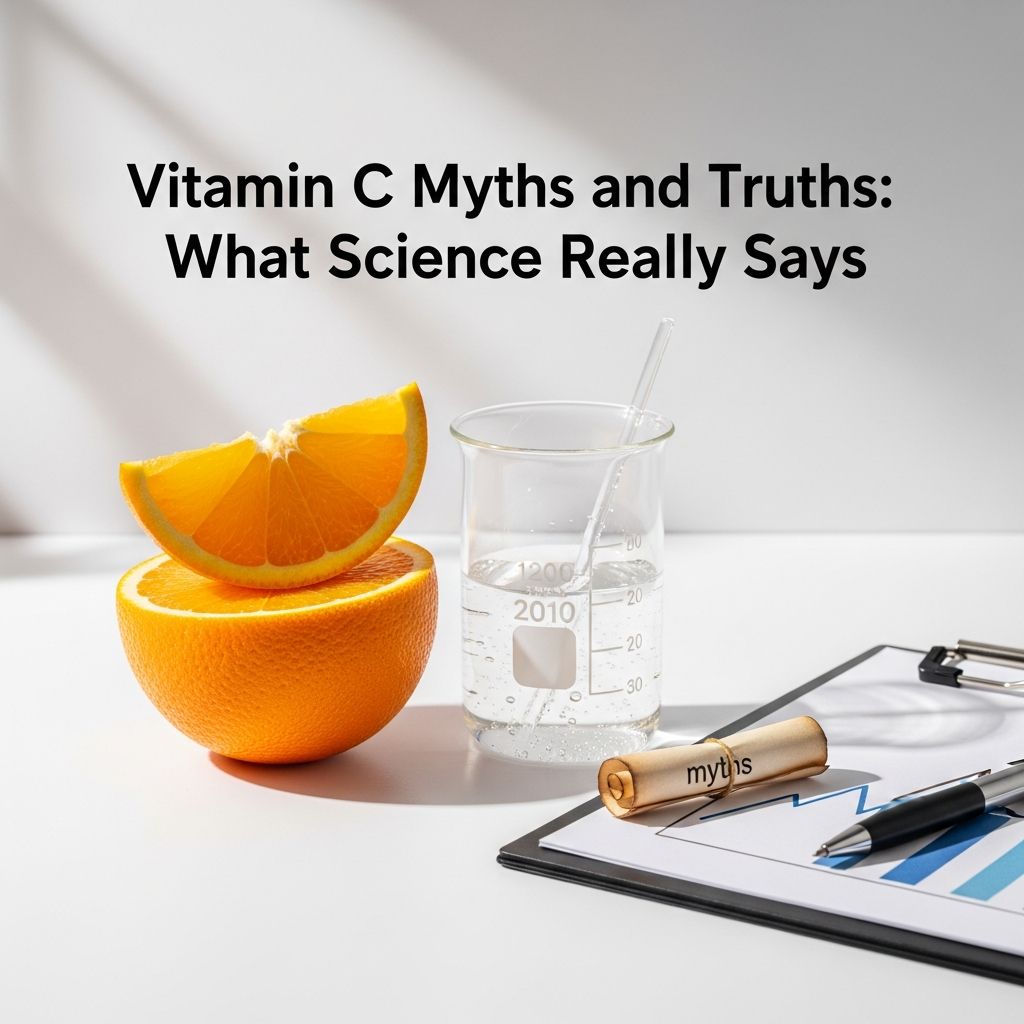
Vitamin C, also known as ascorbic acid, has long been surrounded by claims and misconceptions about its role in health and disease prevention. From preventing the common cold to fighting cancer, vitamin C has become one of the most talked-about nutrients in popular health discourse. However, separating myth from reality requires examining the scientific evidence carefully. Understanding what vitamin C actually does—and doesn’t do—can help you make informed decisions about your nutrition and supplementation habits.
Understanding Vitamin C: The Basics
Vitamin C is a water-soluble vitamin, which means it dissolves in water and is delivered to the body’s tissues but is not stored well by the body. This characteristic makes it essential to obtain vitamin C daily through food sources or supplements. The history of vitamin C is remarkable: even before its official discovery in 1932, nutrition experts recognized that something in citrus fruits could prevent scurvy, a devastating disease that killed as many as two million sailors between 1500 and 1800.
In the body, vitamin C plays several critical roles. It controls infections and aids in wound healing, functioning as a powerful antioxidant that can neutralize harmful free radicals. Vitamin C is also essential for producing collagen, a fibrous protein found in connective tissue throughout the body, including the nervous, immune, bone, cartilage, and blood systems. Additionally, the vitamin helps create several hormones and chemical messengers used in the brain and nerves.
Myth #1: More Vitamin C Always Means Better Health
One of the most pervasive myths about vitamin C is that megadoses—significantly larger amounts than the recommended dietary allowance—offer superior health benefits. Many people believe that if some vitamin C is good, then more must be better. However, scientific evidence suggests otherwise.
The effects of very high doses of vitamin C well beyond the recommended daily allowance (RDA) remain unclear and can lead to increased risk of kidney stones and digestive upset. In generally healthy adults, megadoses of vitamin C are not technically toxic because once the body’s tissues become saturated with vitamin C, absorption decreases and excess amounts are excreted. However, this does not mean that megadoses are beneficial. The body simply cannot utilize unlimited amounts of this nutrient.
Myth #2: Vitamin C Supplements Prevent the Common Cold
Perhaps one of the most famous claims about vitamin C is its ability to prevent or quickly cure the common cold. This belief became especially popular after Nobel laureate Linus Pauling championed the idea in the 1970s. Despite decades of research and widespread supplementation, the scientific evidence does not support this claim.
Reviews of multiple studies demonstrate that megadoses (greater than 500 mg daily) of supplemental vitamin C have no significant effect on the incidence of the common cold in the general population. However, there is a small glimmer of evidence: megadoses may provide a moderate benefit in decreasing the duration and severity of colds in certain specific groups, such as people exposed to extreme physical stress. Additionally, small trials suggest that the amount of vitamin C in a typical multivitamin taken at the start of a cold might ease symptoms, but for the average person, there is no evidence that megadoses make a difference or that they prevent colds altogether.
Related Stories



Myth #3: Vitamin C Supplements Prevent Chronic Diseases
Another widespread belief is that vitamin C supplements can protect against major chronic diseases, including cardiovascular disease and cancer. The reasoning seems logical: since vitamin C is an antioxidant that can neutralize harmful free radicals, and since free radical damage is implicated in disease development, vitamin C should help prevent these conditions.
While some epidemiological studies that follow large groups of people over time have found a protective effect of higher intakes of vitamin C from food or supplements against cardiovascular disease and certain cancers, other studies have not. Importantly, when researchers conduct randomized controlled trials—the gold standard of scientific evidence—they have not found a benefit of vitamin C supplements on the prevalence of cardiovascular disease or cancer. The inconsistency of the data overall prevents the establishment of a specific vitamin C recommendation above the RDA for these conditions. This suggests that while vitamin C is important for overall health, relying on high-dose supplements to prevent these serious diseases is not supported by evidence.
Myth #4: Vitamin C Supplements Protect Vision
Vitamin C has been theorized to protect from age-related eye diseases like cataracts and macular degeneration. Given its antioxidant properties, this hypothesis seemed reasonable to researchers and health professionals. However, human studies using vitamin C supplements have not shown consistent benefits for preventing these conditions.
Interestingly, there does appear to be a strong association between a high daily intake of fruits and vegetables—not isolated vitamin C supplements—and decreased risk of cataracts. This finding suggests that the protective benefits may come from consuming whole foods rich in vitamin C and other nutrients, rather than from supplementation alone. The complex mix of vitamins, minerals, and phytonutrients in whole foods may work synergistically in ways that isolated supplements cannot replicate.
Truth #1: Vitamin C Is Important for Multiple Body Functions
Despite the myths surrounding vitamin C supplementation, the truth is that this nutrient plays genuinely important roles in the body. Vitamin C is involved in the body’s immune system by stimulating the activity of white blood cells, which are crucial for fighting infections. It is essential for collagen synthesis, supporting the structure and function of connective tissues throughout the body. Without adequate vitamin C, the body cannot properly heal wounds or maintain healthy skin, bones, and blood vessels.
Truth #2: Gout Risk May Be Reduced with Vitamin C
One area where vitamin C supplementation shows promise is in gout prevention. The Physicians’ Health Study II, a randomized, double-blind, placebo-controlled trial involving more than 14,000 male physicians, found a modestly reduced risk of new gout cases in men who took vitamin C supplements of 500 mg daily for up to 10 years. Other short-term trials have found that vitamin C may lower blood levels of uric acid, a substance that can accumulate and lead to gout if present in excess. While this is not a spectacular effect, it represents one of the clearer benefits of vitamin C supplementation supported by rigorous research.
Truth #3: Vitamin C Deficiency Is Rare but Serious
While vitamin C deficiency is rare in developed countries, it does occur and can be serious. Deficiency may develop with a limited diet providing less than 10 mg daily for one month or longer. In developed countries, situations at greatest risk for deficiency include eating a diet restricted in fruits and vegetables, smoking or long-term exposure to secondhand smoke, and drug and alcohol abuse.
Common signs of vitamin C deficiency include fatigue and malaise. More seriously, deficiency can lead to iron-deficiency anemia due to decreased absorption of non-heme iron, the type of iron found in plant foods such as leafy greens. This illustrates an important truth: vitamin C plays a crucial role in nutrient absorption and utilization.
Maximizing Vitamin C Intake from Food
Since vitamin C is not stored well in the body and must be obtained daily, understanding how to maximize intake from food sources is important. Several practical strategies can help:
Preservation During Cooking: Vitamin C can be destroyed by heat and light. High-heat cooking temperatures or prolonged cooking times can break down the vitamin. Because vitamin C is water-soluble, it can also seep into cooking liquid and be lost if those liquids are not consumed. Quick heating methods or using as little water as possible when cooking—such as stir-frying or blanching—can preserve the vitamin. Foods at peak ripeness eaten raw contain the most vitamin C.
Enhancing Iron Absorption: Vitamin C improves the absorption of non-heme iron, the type of iron found in plant foods such as leafy greens. Drinking a small glass of 100% fruit juice or including a vitamin-C-rich food with meals can help boost iron absorption, making this strategy particularly valuable for vegetarians and vegans.
Topical Vitamin C: Myth or Truth?
Vitamin C serums and skin creams have become increasingly popular in cosmetic and skincare products. These products are marketed based on the fact that normal skin typically contains high concentrations of vitamin C, which stimulates collagen production and protects against damage from UV sunlight. However, research suggests that topical vitamin C may have limited benefits. Very little vitamin C can penetrate the skin’s surface, and topical application will not produce additional benefit if a person obtains adequate vitamin C through food or supplements. This means that while skin health benefits from adequate vitamin C intake, expensive serums may not deliver the promised results.
Frequently Asked Questions
Q: How much vitamin C do I need daily?
A: The recommended dietary allowance (RDA) for vitamin C is 90 mg daily for adult men and 75 mg daily for adult women, with additional amounts recommended for pregnant women and smokers. Most people can meet these needs through a diet rich in fruits and vegetables.
Q: Should I take vitamin C supplements?
A: For most people eating a varied diet with adequate fruits and vegetables, supplements are unnecessary. However, those with limited access to fresh produce, smokers, and people with certain medical conditions may benefit from supplementation. Consult a healthcare provider for personalized advice.
Q: Can too much vitamin C be harmful?
A: While megadoses are not typically toxic in healthy people, they can increase the risk of kidney stones and digestive upset. It is best to obtain vitamin C from food sources when possible.
Q: Which foods are the best sources of vitamin C?
A: Citrus fruits, berries, kiwis, peppers, broccoli, and leafy greens are excellent sources of vitamin C. Eating these foods raw or cooked quickly with minimal water preserves the most vitamin content.
Q: Does vitamin C really help with colds?
A: For most people, megadoses do not prevent colds. They may modestly reduce cold duration in certain high-stress populations, but the evidence is not strong enough to recommend high-dose supplementation for cold prevention.
References
- Vitamin C — The Nutrition Source — Harvard T.H. Chan School of Public Health. 2024. https://nutritionsource.hsph.harvard.edu/vitamin-c/
Similar Articles








Read full bio of medha deb