Vitamin D And K2: What You Need To Know For Bone And Heart
Discover why pairing vitamin D and K2 boosts bone health, heart protection, and overall wellness more effectively than alone.

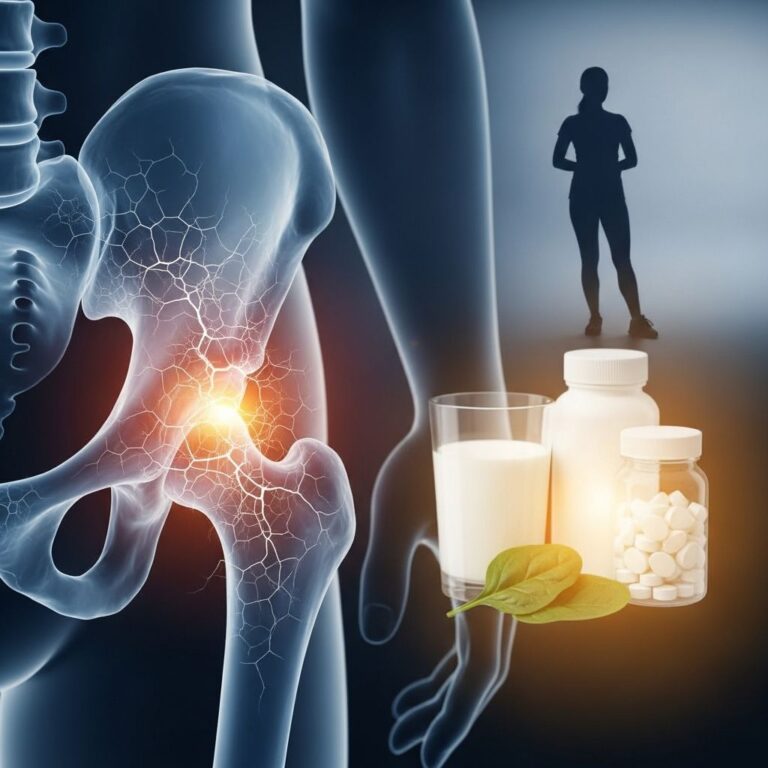
Vitamin D and vitamin K2 work synergistically to optimize calcium use in the body, directing it to bones and teeth while preventing buildup in arteries and soft tissues. This combination supports bone health, cardiovascular function, and overall vitality more effectively than either nutrient alone.
What Is Vitamin D?
Vitamin D is a fat-soluble vitamin essential for calcium absorption in the intestines, maintaining bone mineralization, and supporting immune function. It exists in two main forms: D2 (ergocalciferol) from plants and D3 (cholecalciferol) from animal sources and sunlight exposure, with D3 being more effective at raising blood levels.
Benefits of Vitamin D
- Bone health: Promotes calcium absorption to build strong bones and reduce osteoporosis risk.
- Immune support: Regulates immune responses and may lower infection risks.
- Mood regulation: Linked to reduced depression and seasonal affective disorder.
- Muscle function: Improves strength and balance to prevent falls.
- Inflammation control: Modulates inflammatory processes.
- Heart health: Emerging evidence suggests cardiovascular benefits, though ongoing research is needed.
Vitamin D Sources and Deficiency Risks
The body produces vitamin D from UVB sunlight exposure, but factors like limited sun, dark skin, obesity, and aging increase deficiency risks. Food sources include fatty fish, egg yolks, and fortified dairy. Deficiency affects over 40% of adults globally, leading to weakened bones and heightened disease risk.
What Is Vitamin K2?
Vitamin K2 (menaquinone) is a fat-soluble vitamin crucial for activating proteins that regulate calcium distribution. Unlike vitamin K1 (phylloquinone) from greens for clotting, K2 focuses on bone and vascular health, found in fermented foods and animal products.
Benefits of Vitamin K2
- Bone mineralization: Activates osteocalcin to bind calcium to bones, boosting density and reducing fractures, especially in postmenopausal women.
- Cardiovascular protection: Activates matrix Gla protein (MGP) to inhibit arterial calcification and stiffness.
- Blood clotting: Supports coagulation proteins.
- Cognitive health: Preliminary research indicates brain health benefits in aging.
Vitamin K2 Sources
Natural sources include natto (highest), cheese, egg yolks, and grass-fed butter. Deficiency risks rise with gut disorders like celiac or colitis, impairing absorption.
Why Take Vitamin D and K2 Together?
Vitamin D increases calcium absorption and produces vitamin K-dependent proteins like osteocalcin and MGP, which require K2 for activation. Without sufficient K2, excess calcium from high D intake may deposit in arteries, potentially harming vascular health. Combined supplementation ensures calcium goes to bones, enhancing synergy for bone and heart protection.
Research shows vitamin D boosts K-dependent protein production, but K2 carboxylates them for function. Animal and human studies confirm joint use improves bone mineral density and reduces soft tissue calcification more than solo use.
Evidence from Studies
- Postmenopausal women taking D3 + K2 for over a year saw greater bone density gains than with either alone.
- In CKD patients, D + K2 slowed carotid intima-media thickness progression vs. D alone.
- Overweight diabetics with heart disease benefited from D + K + calcium in insulin markers and artery health.
- Low D and K status jointly raises blood pressure and hypertension risk.
A review in the International Journal of Endocrinology concludes combined D and K outperform singles for bone and cardiovascular outcomes.
Related Stories



Recommended Dosages
General guidelines: 1,000–4,000 IU D3 daily, paired with 100–200 mcg K2 (MK-7 form preferred for bioavailability). A common ratio is 100 mcg K2 per 1,000 IU D3. Optimal vitamin D levels: 40–80 ng/mL blood.
| Vitamin | Daily Dose | Notes |
|---|---|---|
| Vitamin D3 | 1,000–5,000 IU | Adjust based on blood tests; sunlight equivalent varies. |
| Vitamin K2 (MK-7) | 100–200 mcg | Ratio: 100 mcg per 1,000 IU D3 for balance. |
Consult professionals for personalized dosing, especially with medications or conditions.
Food Sources of Vitamin D and K2
- Vitamin D: Salmon (570 IU/3oz), mackerel, sardines, egg yolks (40 IU each), fortified milk/orange juice.
- Vitamin K2: Natto (1,100 mcg/100g), gouda cheese (50 mcg/oz), edamame, chicken, beef liver.
Fermented dairy and grass-fed meats provide bioavailable K2. Combine with fats for absorption.
Supplements: What to Look For
Choose D3 (cholecalciferol) over D2, and K2 as MK-7 for longer activity. Liposomal or oil-based for better uptake. Brands offering combined D3/K2 simplify regimens. Test levels first; avoid mega-doses without monitoring.
Who Benefits Most?
- Postmenopausal women for bone loss prevention.
- Older adults for osteoporosis and fall risk.
- Those with low sun exposure or dark skin.
- Heart disease or hypertension patients.
- Dental implant patients for bone regeneration.
- Individuals on high-calcium/D supplements.
Potential Risks and Side Effects
Both are safe at recommended doses. Excess D (>10,000 IU/day) risks hypercalcemia; K2 lacks upper limit but interacts with blood thinners like warfarin. Monitor with blood tests. Vitamin K antagonists may reduce K2 efficacy.
Frequently Asked Questions (FAQs)
What are the benefits of taking vitamin D3 and K2 together?
Vitamin D3 absorbs calcium, while K2 directs it to bones and away from arteries, synergistically boosting bone density, heart health, and preventing calcification.
Can vitamin D cause calcium buildup without K2?
Yes, high D without K2 may leave proteins uncarboxylated, risking vascular deposits. Balance is key.
What is the best ratio of D3 to K2?
100 mcg K2 per 1,000 IU D3 supports optimal calcium handling.
Are there food sources rich in both?
Fatty fish and egg yolks offer D3; pair with natto or cheese for K2.
Should everyone supplement D3 and K2?
Those deficient or at risk (e.g., elderly, low sun) benefit most; test levels and consult doctors.
Conclusion
Pairing vitamin D and K2 maximizes calcium benefits for stronger bones and healthier arteries. Backed by clinical evidence, this duo offers longevity support—prioritize testing, quality sources, and professional advice for best results.
References
- What Are the Benefits of D3 and K2? Everything You Need to Know — JoinMidi Health. 2024. https://www.joinmidi.com/post/benefits-of-d3-and-k2
- Study of the Month, May 2025: Vitamin D & K2 in Implantology — Swiss Dental Solutions. 2025-05-01. https://www.swissdentalsolutions.com/us/blog/study-of-the-month-may-2025-vitamin-d-k2-implantology
- The Synergistic Interplay between Vitamins D and K for Bone and Cardiovascular Health — National Center for Biotechnology Information (PMC). 2017-09-06. https://pmc.ncbi.nlm.nih.gov/articles/PMC5613455/
- Joint Association of Low Vitamin D and Vitamin K Status With Blood Pressure — American Heart Association Journals. 2017. https://www.ahajournals.org/doi/10.1161/HYPERTENSIONAHA.116.08869
Similar Articles








Read full bio of medha deb