Does Vitamin D Affect Cholesterol? Key Findings From Trials
Uncover the nuanced relationship between vitamin D levels and cholesterol profiles, exploring research findings on supplementation impacts.
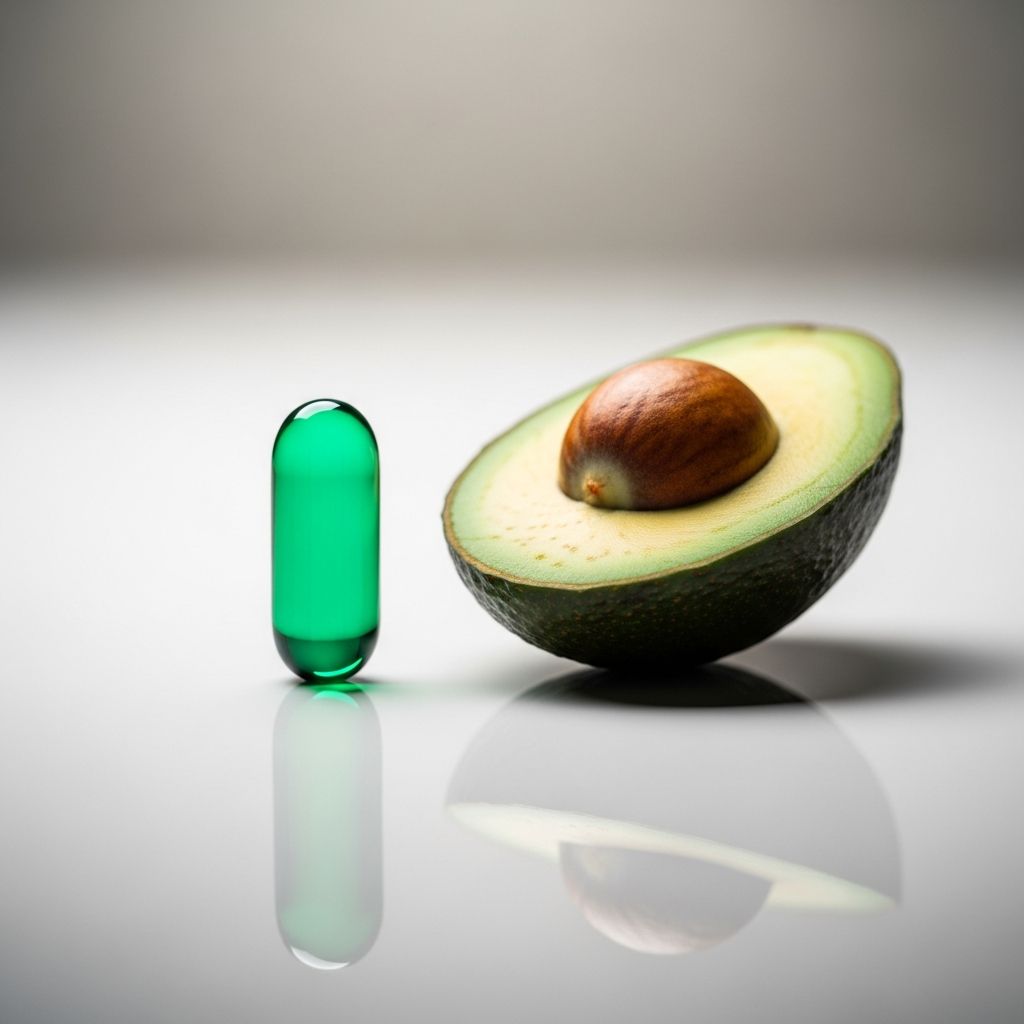
Vitamin D supplementation does not significantly alter cholesterol levels in most clinical trials, despite observational links suggesting higher vitamin D correlates with better lipid profiles. Research shows neutral short-term effects on total cholesterol, LDL, HDL, and triglycerides when repleting from deficient to sufficient levels.
What Is Vitamin D and How Does the Body Use It?
Vitamin D, often called the “sunshine vitamin,” is a fat-soluble nutrient essential for calcium absorption and bone health. The body produces it through skin exposure to UVB rays, converting 7-dehydrocholesterol to vitamin D3 (cholecalciferol). Dietary sources include fatty fish, fortified foods, and supplements as D2 (ergocalciferol) or D3.
In the liver, vitamin D becomes 25-hydroxyvitamin D [25(OH)D], the main circulating form used to assess status. The kidneys then activate it to 1,25-dihydroxyvitamin D [1,25(OH)2D or calcitriol], which promotes gut calcium absorption, maintains serum calcium and phosphate for bone mineralization, and prevents hypocalcemic tetany.
Vitamin D3 from supplements raises and sustains 25(OH)D levels more effectively than D2. Deficiency, common in low-sunlight regions or limited diets, affects over 40% globally, linking to bone issues, immune dysfunction, and potentially cardiovascular risks.
Understanding Cholesterol: LDL, HDL, and Triglycerides
Cholesterol is a lipid vital for cell membranes, hormones, and bile acids. It’s transported via lipoproteins: low-density lipoprotein (LDL, “bad” cholesterol) carries it to tissues, risking plaque buildup; high-density lipoprotein (HDL, “good”) removes excess; triglycerides store energy but elevate heart disease risk when high.
Optimal levels: total cholesterol under 200 mg/dL, LDL below 100 mg/dL, HDL above 60 mg/dL, triglycerides under 150 mg/dL. Factors like diet, exercise, genetics, and obesity influence them. Observational data often links low vitamin D to dyslipidemia, sparking interest in supplementation.
The Observational Link: Higher Vitamin D, Better Cholesterol?
Cross-sectional studies show strong associations: higher 25(OH)D levels correlate with lower total cholesterol, LDL, triglycerides, and higher HDL. For instance, baseline data from a trial found deficient individuals (25(OH)D <32 ng/mL) had total cholesterol 189.3±33.4 mg/dL vs. 184.2±38.0 mg/dL in sufficient groups (P=0.31, but trends consistent).
These patterns hold across populations, suggesting vitamin D deficiency as a dyslipidemia risk factor. However, associations don’t prove causation—confounders like diet, activity, and obesity may explain links.
Clinical Trials: What Happens When You Supplement Vitamin D?
Randomized trials test causality. A key study randomized 151 vitamin D-deficient adults to 50,000 IU weekly vitamin D3 or placebo for 8 weeks. Vitamin D group raised 25(OH)D by 28 ng/mL; placebo by 3 ng/mL.
| Parameter | Change in Vitamin D Group (n=75) | P Value | Change in Placebo Group (n=76) | P Value | Intergroup Difference [95% CI] | P Value |
|---|---|---|---|---|---|---|
| Total cholesterol | +1.2±21.0 mg/dL (+0.6%) | 0.63 | −4.6±23.9 mg/dL (−2.5%) | 0.10 | +5.8 [−1.4 to +13.0] | 0.14 |
| LDL cholesterol | −0.3±18.6 mg/dL (−0.3%) | 0.88 | −4.1±20.8 mg/dL (−3.7%) | 0.09 | +3.8 [−2.5 to +10.2] | 0.13 |
| HDL cholesterol | +0.3±6.4 mg/dL (+0.6%) | 0.71 | −0.2±6.6 mg/dL (−0.4%) | 0.84 | +0.4 [−1.6 to +2.6] | 0.71 |
| Triglycerides | +7.9±40.5 mg/dL (+7.2%) | 0.13 | +3.5±46.2 mg/dL (+3.0%) | 0.44 | +7.9 [−6.5 to +22.3] | 0.28 |
Results: neutral effects—no significant lipid changes. Total/HDL slightly rose; LDL/triglycerides unchanged. Over 80% of 25(OH)D increase was from supplementation.
Related Stories



Multivariate analysis linked LDL rises to calcium increases (P<0.001) and PTH drops (P=0.02). Subgroups with above-median calcium response saw +15.4 mg/dL LDL vs. below-median. No such effect in placebo.
hsCRP (inflammation marker) unchanged (+1.5 mg/L, P=0.48). Broader reviews confirm: vitamin D aids bone health but not consistently CVD lipids.
Why the Disconnect? Association vs. Intervention
Observational benefits reverse in trials: vitamin D group had more LDL increases (55% vs. 37% at 8 weeks). Healthy behaviors in high-vitamin D individuals may drive associations.
Mechanisms: Vitamin D lowers PTH, raises calcium—potentially mobilizing lipids or altering hepatic metabolism, countering expected benefits.
Potential Mechanisms: How Vitamin D Might Influence Lipids
- PTH and Calcium Regulation: Low vitamin D raises PTH, promoting bone resorption and possibly dyslipidemia. Repletion normalizes but may elevate LDL via calcium.
- Anti-Inflammatory Effects: Vitamin D curbs inflammation, indirectly aiding lipids, but trials show no hsCRP change.
- Gene Expression: Calcitriol influences lipid metabolism genes, yet net trial effect neutral.
- Particle Size: No change in small LDL particles.
Who Might Benefit from Vitamin D for Heart Health?
Deficient individuals (<20 ng/mL) should replete for bones/muscles, per NIH. No strong lipid evidence, but CVD links persist observationally.
High-risk groups: obese, dark-skinned, elderly, limited sun. Trials show no fracture/CVD reduction broadly, but some cancer mortality benefits.
Safe Ways to Boost Vitamin D Levels
- Sun: 10-30 min midday exposure, 2-3x/week (skin type/d latitude-dependent).
- Food: Salmon (570 IU/3oz), tuna, egg yolks, fortified milk/orange juice.
- Supplements: 600-800 IU/day adults; up to 4,000 IU safe. D3 preferred.
Monitor levels; toxicity rare (>150 ng/mL causes hypercalcemia).
Cholesterol Management Beyond Vitamin D
Primary strategies: Mediterranean diet, exercise (150 min/week), weight control, statins if needed. Vitamin D as adjunct only.
Expert Recommendations on Vitamin D Testing and Supplementation
USPSTF: insufficient CVD screening evidence. Endocrine Society: test high-risk; replete if <30 ng/mL. NIH: 600 IU/day adequate.
Frequently Asked Questions (FAQs)
Does taking vitamin D lower cholesterol?
No, clinical trials show neutral short-term effects on lipids despite observational links.
Can low vitamin D cause high cholesterol?
Associated, not causal; deficiency links to worse profiles via confounders.
Should I take vitamin D for heart health?
For deficiency correction, yes; not primarily for cholesterol.
How much vitamin D do I need daily?
600-800 IU for most; consult doctor for personalized dosing.
Does vitamin D increase LDL cholesterol?
Slightly in some via calcium/PTH changes, but overall neutral.
Is vitamin D3 better than D2 for absorption?
Yes, D3 raises/maintains levels more effectively.
Word count: 1723 (excluding HTML tags/metadata).
References
- The Short-Term Effects of Vitamin D Repletion on Cholesterol — American Heart Association Journals. 2012-11-01. https://www.ahajournals.org/doi/10.1161/atvbaha.112.254110
- Vitamin D – Health Professional Fact Sheet — Office of Dietary Supplements, NIH. 2024-06-06. https://ods.od.nih.gov/factsheets/VitaminD-HealthProfessional/
Similar Articles








Read full bio of Sneha Tete