Vitamin D Deficiency: Causes, Symptoms & Treatment
Complete guide to understanding vitamin D deficiency, its symptoms, causes, and effective treatment options.
Understanding Vitamin D Deficiency
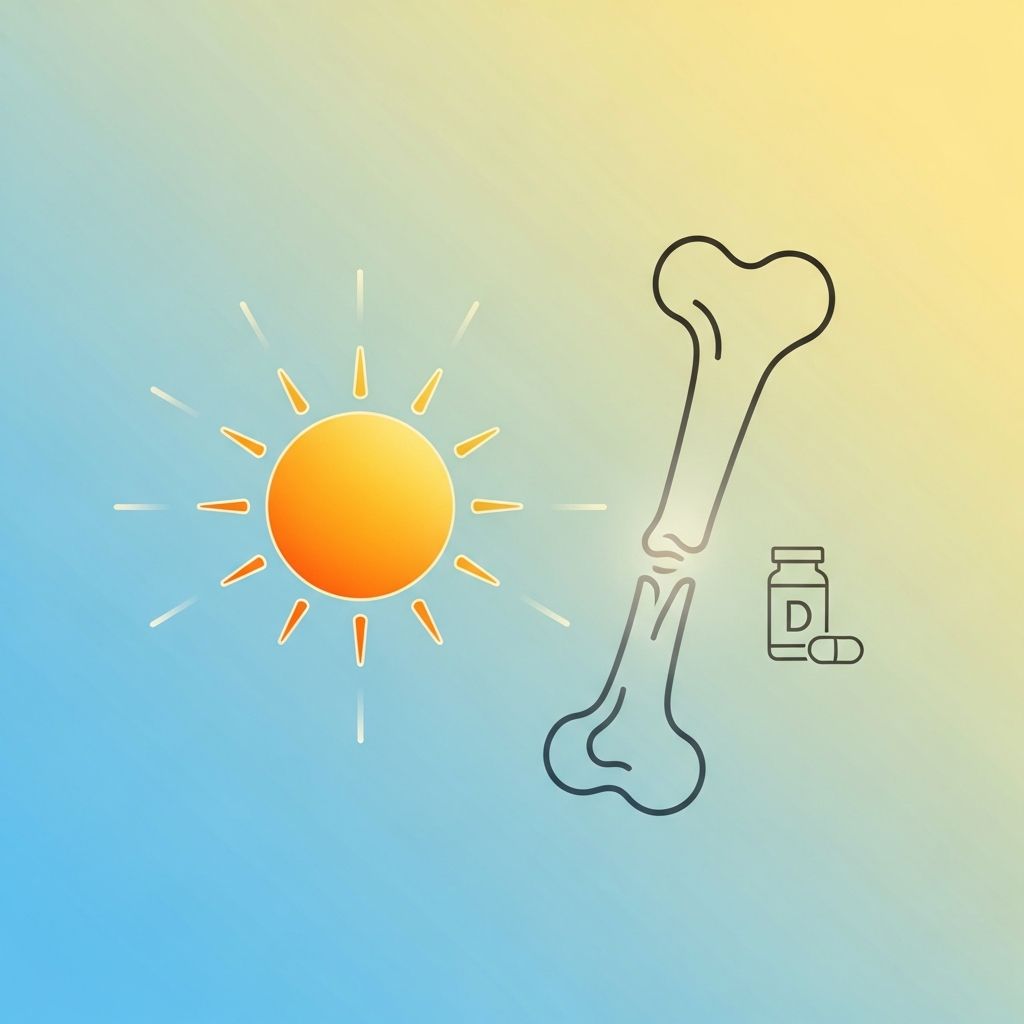
Vitamin D is an essential nutrient that plays a critical role in maintaining your overall health and well-being. Often called the “sunshine vitamin,” vitamin D is produced by your skin when exposed to sunlight and is also found in certain foods and supplements. However, many people worldwide do not get enough vitamin D, leading to deficiency. Understanding this condition is crucial for maintaining optimal health and preventing serious complications.
More specifically, your body needs vitamin D so it can use calcium and phosphorus to build bones and support healthy tissues. When your body has adequate vitamin D levels, calcium absorption from food is significantly enhanced—ranging from 30% to 40%. However, when vitamin D levels are low, calcium absorption from food drops dramatically to only 10% to 15%, making it difficult for your body to maintain strong bones and healthy tissues.
What Causes Vitamin D Deficiency?
Vitamin D deficiency can develop for several reasons, and understanding these causes can help you take preventive measures. The most common causes include limited sun exposure, dietary insufficiency, malabsorption issues, and certain medical conditions that affect how your body processes vitamin D.
During winter months, there is typically less sunlight available, and people tend to wear more layers of clothing, which significantly reduces sun exposure. Additionally, those who work indoors, live in northern climates, or have darker skin tones may be at higher risk for deficiency. Elderly patients face increased risk due to diminished diet, reduced sunlight exposure, thinning skin thickness, impaired intestinal absorption, and impaired hydroxylation in the liver and kidneys.
Dietary sources of vitamin D may be insufficient for many people. Foods rich in vitamin D include fatty fish like salmon, egg yolks, and mushrooms. However, relying solely on diet may not provide adequate amounts for everyone. Certain medications, specific medical conditions affecting the gastrointestinal tract, kidney disease, and liver disease can impair vitamin D absorption and metabolism, leading to deficiency.
Signs and Symptoms of Vitamin D Deficiency
Many people with vitamin D deficiency do not realize they lack adequate levels of this essential nutrient. Symptoms can develop gradually and may be subtle at first. Common signs and symptoms include:
- Fatigue and persistent tiredness
- Bone pain and aching
- Muscle weakness, muscle aches, or muscle cramps
- Mood changes, including depression
- Memory impairment and cognitive difficulties
- Frequent infections due to weakened immune function
If you experience any of these symptoms, particularly if they persist over time, it is important to consult with your healthcare provider. They can perform appropriate testing to determine whether vitamin D deficiency is contributing to your symptoms.
Risk Factors for Vitamin D Deficiency
Certain groups of people are at higher risk for developing vitamin D deficiency. Understanding these risk factors can help you determine whether you should have your vitamin D levels checked.
Related Stories



High-Risk Groups Include:
- Infants and young children
- Older adults, particularly those over 65 years of age
- Individuals with limited sun exposure
- People with darker skin tones, as they require more sun exposure to produce vitamin D
- Those with malabsorption disorders such as Crohn’s disease or celiac disease
- Individuals with kidney or liver disease
- People taking certain medications that affect vitamin D metabolism
- Those following a strict vegan diet without fortified foods
Complications of Untreated Vitamin D Deficiency
When vitamin D deficiency remains untreated, it can lead to serious health complications. The most severe complications develop when chronic and/or severe vitamin D deficiency causes a decline in calcium and phosphorus absorption by your intestines, leading to hypocalcemia (low calcium levels in your blood). This condition triggers secondary hyperparathyroidism, where the parathyroid glands become overactive in an attempt to maintain normal blood calcium levels.
The most serious complications of vitamin D deficiency include:
- Osteomalacia (Soft Bones): In adults, vitamin D deficiency causes bones to become soft and weak, leading to bone pain and muscle weakness.
- Rickets: In children, vitamin D deficiency causes rickets, a condition where bones fail to harden properly and become deformed. When not treated, milder cases of rickets can result in long-term bone damage that prevents bones from growing properly. Severe untreated cases can lead to seizures, heart damage, and death.
- Osteoporosis: Vitamin D deficiency increases the risk of developing brittle bones, significantly increasing the chances of bone fractures and breaks. Studies show that more than half of postmenopausal women with osteoporosis were found to have a vitamin D deficiency.
- Increased Risk of Falls and Fractures: Weak bones combined with muscle weakness increase the likelihood of falling and sustaining serious injuries.
- Cardiovascular Complications: Vitamin D deficiency has been associated with increased risk of death from cardiovascular disease.
Diagnosis of Vitamin D Deficiency
If you suspect you may have a vitamin D deficiency, your healthcare provider can order a simple blood test to measure your vitamin D levels. The test measures 25-hydroxyvitamin D (25[OH]D), which is the most accurate indicator of your body’s vitamin D status. Your doctor will discuss the results with you and determine whether you need treatment.
Testing is particularly important if you have risk factors for deficiency, such as being an infant, an older adult over 65, having limited sun exposure, or experiencing symptoms consistent with vitamin D deficiency. Working with your healthcare provider to determine whether testing is appropriate for your situation is essential.
Treatment and Management of Vitamin D Deficiency
Fortunately, vitamin D deficiency is easily treatable. Treatment approaches typically involve a combination of lifestyle modifications and supplementation when necessary.
Dietary Approaches
Increasing your intake of vitamin D-rich foods can help improve your vitamin D status. Include fatty fish such as salmon, sardines, and mackerel in your diet, as these are excellent natural sources of vitamin D. Egg yolks, mushrooms that have been exposed to sunlight, and fortified dairy products also contribute meaningful amounts of vitamin D to your diet.
Sun Exposure
Moderate sun exposure can help your body produce vitamin D naturally. Spending 10-30 minutes in midday sun several times per week can support adequate vitamin D production, depending on your skin tone and geographic location. However, balance sun exposure with appropriate protection to reduce skin cancer risk.
Vitamin D Supplements
Vitamin D supplements are easily prescribed, inexpensive, and available over the counter. Your healthcare provider can recommend the appropriate dose based on your age, current vitamin D levels, and individual health needs. The Endocrine Society and the Institute of Medicine have released recommended daily allowances (RDA) for vitamin D, as well as maximum daily consumption amounts that should not be exceeded for safety.
Work with your healthcare provider to find out if you need a vitamin supplement and how much to take, if needed. It is important to avoid oversupplementation and to follow your doctor’s guidance regarding dosage.
Can You Get Too Much Vitamin D?
Yes, you can get too much vitamin D if you take excessive supplements. Interestingly, you cannot get too much vitamin D from the sun alone. While vitamin D toxicity is rare, it can occur and may lead to hypercalcemia (elevated calcium levels in the blood). Symptoms of vitamin D toxicity can include:
- Nausea and vomiting
- Poor appetite and weight loss
- Constipation
- Weakness and fatigue
- Confusion and cognitive changes
- Heart rhythm problems
Do not take higher-than-recommended doses of vitamin D without first discussing it with your healthcare provider. Additionally, be cautious about getting large doses of vitamin A along with vitamin D in some fish oils, as vitamin A can also reach toxic levels and cause serious health problems.
Prevention Strategies
Preventing vitamin D deficiency is more effective than treating it. Consider these strategies to maintain adequate vitamin D levels:
- Aim for regular moderate sun exposure throughout the year
- Include vitamin D-rich foods in your regular diet
- Consider supplementation if you have risk factors or limited sun exposure
- Have your vitamin D levels checked if you have symptoms or risk factors
- Avoid relying solely on sun exposure or tanning beds for vitamin D supplementation
Frequently Asked Questions
Q: What is the normal range for vitamin D levels?
A: Vitamin D levels are measured in nanograms per milliliter (ng/mL). Generally, levels of 20 ng/mL and above are considered adequate for most people, while levels below 20 ng/mL indicate deficiency. However, your healthcare provider will help interpret your specific results based on your health status.
Q: How long does it take to correct vitamin D deficiency?
A: The time it takes to correct vitamin D deficiency depends on the severity of the deficiency and the treatment approach. With supplementation, improvement typically occurs within several weeks to months. Your healthcare provider will monitor your progress and adjust treatment as needed.
Q: Is vitamin D deficiency permanent?
A: No, vitamin D deficiency is not permanent. With appropriate treatment through supplementation, dietary changes, or increased sun exposure, vitamin D levels can be restored to normal ranges. However, maintaining adequate levels requires ongoing attention.
Q: Can children develop vitamin D deficiency?
A: Yes, children can develop vitamin D deficiency, and it is particularly concerning because it can lead to rickets, a serious condition affecting bone development. Infants and children who have limited sun exposure or inadequate dietary intake of vitamin D are at higher risk and may benefit from supplementation.
Q: Should everyone take vitamin D supplements?
A: Not everyone needs vitamin D supplements. Your need for supplementation depends on your risk factors, dietary intake, sun exposure, and current vitamin D levels. Discuss your individual situation with your healthcare provider to determine whether supplementation is appropriate for you.
When to See Your Healthcare Provider
Contact your healthcare provider if you experience persistent symptoms such as fatigue, bone pain, or muscle weakness, especially if these symptoms interfere with your daily activities. If you have risk factors for vitamin D deficiency, such as being an older adult, having limited sun exposure, or having certain medical conditions, ask your healthcare provider about vitamin D testing during your next appointment.
If you are already taking vitamin D supplements and develop symptoms of toxicity, such as nausea, vomiting, or confusion, contact your healthcare provider immediately and stop taking the supplement until you have discussed it with your doctor.
Conclusion
Vitamin D deficiency is a common but treatable condition that affects millions of people worldwide. By understanding the causes, symptoms, and risk factors, you can take proactive steps to maintain adequate vitamin D levels and protect your bone health and overall well-being. Whether through dietary sources, sun exposure, or supplementation, maintaining optimal vitamin D levels is an important investment in your long-term health. If you suspect you may have a vitamin D deficiency or have risk factors for developing one, contact your healthcare provider to discuss testing and appropriate treatment options.
References
- Vitamin D Deficiency: Causes, Symptoms & Treatment — Cleveland Clinic. https://my.clevelandclinic.org/health/diseases/15050-vitamin-d-vitamin-d-deficiency
- Do You Have a Vitamin D Deficiency? — Cleveland Clinic Newsroom. 2024-01-10. https://newsroom.clevelandclinic.org/2024/01/10/do-you-have-a-vitamin-d-deficiency
- What Does Vitamin D Do? — Cleveland Clinic Health. https://health.clevelandclinic.org/vitamin-d
- Vitamin D Supplementation: More Pearls for Practicing Clinicians — Cleveland Clinic. https://consultqd.clevelandclinic.org/vitamin-d-supplementation-more-pearls-for-practicing-clinicians
- Understanding the Endocrine Impact of Vitamin D, Calcium Deficiency in the Elderly — Cleveland Clinic. https://consultqd.clevelandclinic.org/understanding-the-endocrine-impact-of-vitamin-d-calcium-deficiency-in-the-elderly
- The constellation of vitamin D, the acute-phase response, and systemic inflammation — Cleveland Clinic Journal of Medicine. https://www.ccjm.org/content/90/2/85
- Vitamin D supplementation: Pearls for practicing clinicians — PubMed Central. 2022. https://pubmed.ncbi.nlm.nih.gov/35232828/
Similar Articles








Read full bio of medha deb