Vitamin D Supplements For Adults: Safe Dosage Guide
Discover essential facts on vitamin D supplementation for adults, including benefits, safe dosages, risks of excess intake, and key precautions for optimal health.
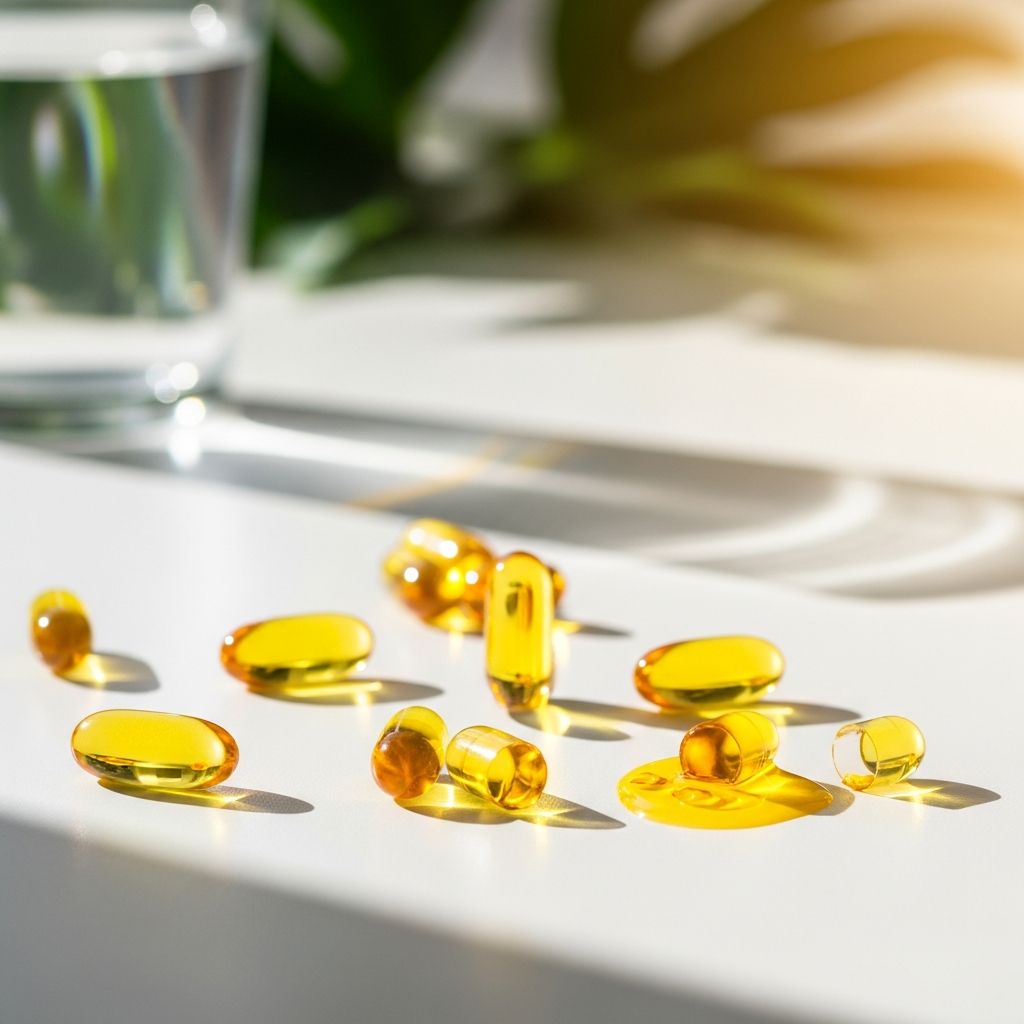
Vitamin D supplements play a vital role in maintaining bone strength, immune function, and overall wellness for adults, particularly those with limited sun exposure or dietary shortfalls. Proper use ensures benefits without the dangers of overconsumption, which can lead to serious health issues like elevated blood calcium levels.
The Importance of Vitamin D in Adult Health
Vitamin D, often called the “sunshine vitamin,” is crucial for adults because it aids calcium absorption, supports muscle function, and modulates immune responses. Many adults fail to get enough through sunlight or food alone, especially in regions with long winters or indoor lifestyles. Deficiency can contribute to weakened bones, increased fracture risk, and compromised immunity.
Adults over 50 are particularly at risk due to reduced skin synthesis of vitamin D and age-related absorption challenges. Supplementation bridges this gap, helping prevent conditions like osteomalacia, where bones soften from inadequate mineralization.
Key Benefits Supported by Evidence
- Bone and Muscle Support: Vitamin D works with calcium to maintain bone density and reduce osteomalacia risk in adults.
- Immune System Boost: Adequate levels may lower infection risks and support autoimmune health, though more research is needed for specifics like multiple sclerosis prevention.
- Heart Health Potential: Some evidence suggests it reduces heart failure risk in certain groups, but results vary for those with existing conditions.
- Parathyroid Regulation: In hyperparathyroidism, vitamin D3 can lower parathyroid hormone and slow bone loss.
However, benefits like fracture prevention in non-osteoporotic older adults or blood pressure reduction are not consistently proven, highlighting the need for personalized approaches.
Recommended Dosages and Sources
For most adults, 600-800 IU (15-20 mcg) daily meets needs, but those at risk of deficiency may require up to 2,000 IU. The safe upper limit is generally 4,000 IU per day to avoid toxicity.
| Group | Recommended Daily Intake (IU) | Upper Limit (IU) |
|---|---|---|
| Adults 19-70 years | 600 | 4,000 |
| Adults over 70 | 800 | 4,000 |
| Deficient individuals (under medical supervision) | 1,000-4,000 | 10,000 (short-term) |
Food sources include fatty fish, fortified dairy, and egg yolks, but supplements like D3 (cholecalciferol) are more effective for raising blood levels than D2. Always choose reputable brands to avoid mislabeled products.
Risks of Excessive Intake: Understanding Toxicity
Taking more than 4,000 IU daily long-term risks vitamin D toxicity (hypervitaminosis D), where blood levels exceed 150 ng/mL, leading to fat-stored excess that lingers for months. This is rare from diet or sun but common with unsupervised high-dose supplements.
Primary issue: hypercalcemia (high blood calcium), impairing organs and causing symptoms like nausea, vomiting, weakness, and confusion.
Common Symptoms of Overdose
- Nausea, vomiting, and appetite loss
- Muscle weakness and fatigue
- Excessive thirst, urination, and dehydration
- Stomach pain, constipation, or diarrhea
- Confusion, memory issues, or slow thinking
- Kidney stones or damage
- Heart rhythm abnormalities in severe cases
Related Stories



Case studies show extreme doses (e.g., 186,900 IU daily) causing hospitalization with levels at 476 ng/mL, resolving only after cessation and treatment.
Health Conditions Requiring Caution
Certain conditions amplify risks, as vitamin D raises calcium absorption:
- Kidney Disease: Increases artery hardening and damage risk; monitor levels closely.
- Hyperparathyroidism or High Calcium: Worsens calcium buildup.
- Sarcoidosis, Tuberculosis, Histoplasmosis, Lymphoma: Elevates calcium, risking kidney stones.
- Atherosclerosis: May exacerbate, especially with kidney issues.
Consult a doctor before supplementing if you have these.
Testing and Monitoring Levels
Blood tests measure 25-hydroxyvitamin D: 30-80 ng/mL is optimal; below 20 ng/mL indicates deficiency. Regular monitoring prevents overdose, especially on high doses. Symptoms alone aren’t reliable—test proactively.
Interactions with Medications and Lifestyle
Vitamin D can interact with steroids, weight-loss drugs, cholesterol meds (e.g., cholestyramine), and seizure treatments, reducing absorption. Orlistat and certain antacids also interfere. Fat-soluble, it absorbs better with meals containing fats. Lifestyle factors like obesity reduce availability, as it’s stored in fat.
Choosing Quality Supplements
Opt for USP-verified D3 drops, capsules, or tablets from trusted makers. Liquid forms suit those with swallowing issues. Store away from heat/moisture.
When to See a Doctor
Seek care for overdose symptoms or before starting high doses. Treatment involves stopping supplements, hydration, and meds like corticosteroids for severe hypercalcemia. Most recover fully with prompt action.
Frequently Asked Questions (FAQs)
Is 5,000 IU of vitamin D daily safe?
Possibly short-term under supervision, but exceeds the 4,000 IU upper limit long-term, risking toxicity. Test levels first.
Can vitamin D cause weight gain?
No direct link; toxicity may cause appetite changes leading to weight loss.
Do I need vitamin D if I get sun exposure?
Depends on duration/location; many adults still need supplements. Test to confirm.
How long until supplements raise levels?
Weeks to months; consistent intake key.
Are vitamin D gummies effective?
Yes, if dosed correctly, but check labels for accuracy.
Practical Tips for Safe Supplementation
- Start low (1,000-2,000 IU) if deficient.
- Pair with vitamin K2 and magnesium for bone synergy.
- Retest blood levels every 3-6 months on therapy.
- Avoid mega-doses without medical advice.
- Combine with diet/sun for best results.
References
- Vitamin D – Mayo Clinic — Mayo Clinic. 2023-10-15. https://www.mayoclinic.org/drugs-supplements-vitamin-d/art-20363792
- Vitamin D – Uses, Side Effects, and More — WebMD. 2024-01-20. https://www.webmd.com/vitamins/ai/ingredientmono-929/vitamin-d
- 6 Potential Side Effects of Taking Too Much Vitamin D — Vinmec. 2023-05-10. https://www.vinmec.com/eng/blog/6-side-effects-if-you-take-too-much-vitamin-d-en
- Vitamin D – NHS — NHS. 2024-02-01. https://www.nhs.uk/conditions/vitamins-and-minerals/vitamin-d/
- Vitamin D – Health Professional Fact Sheet — NIH Office of Dietary Supplements. 2024-06-05. https://ods.od.nih.gov/factsheets/VitaminD-HealthProfessional/
Similar Articles








Read full bio of Sneha Tete