Vitamin D Vs Vitamin C For Immunity: Evidence-Based Guide
Comparing vitamin D and vitamin C: Which nutrient offers superior immune support, and how do they complement each other for optimal health?
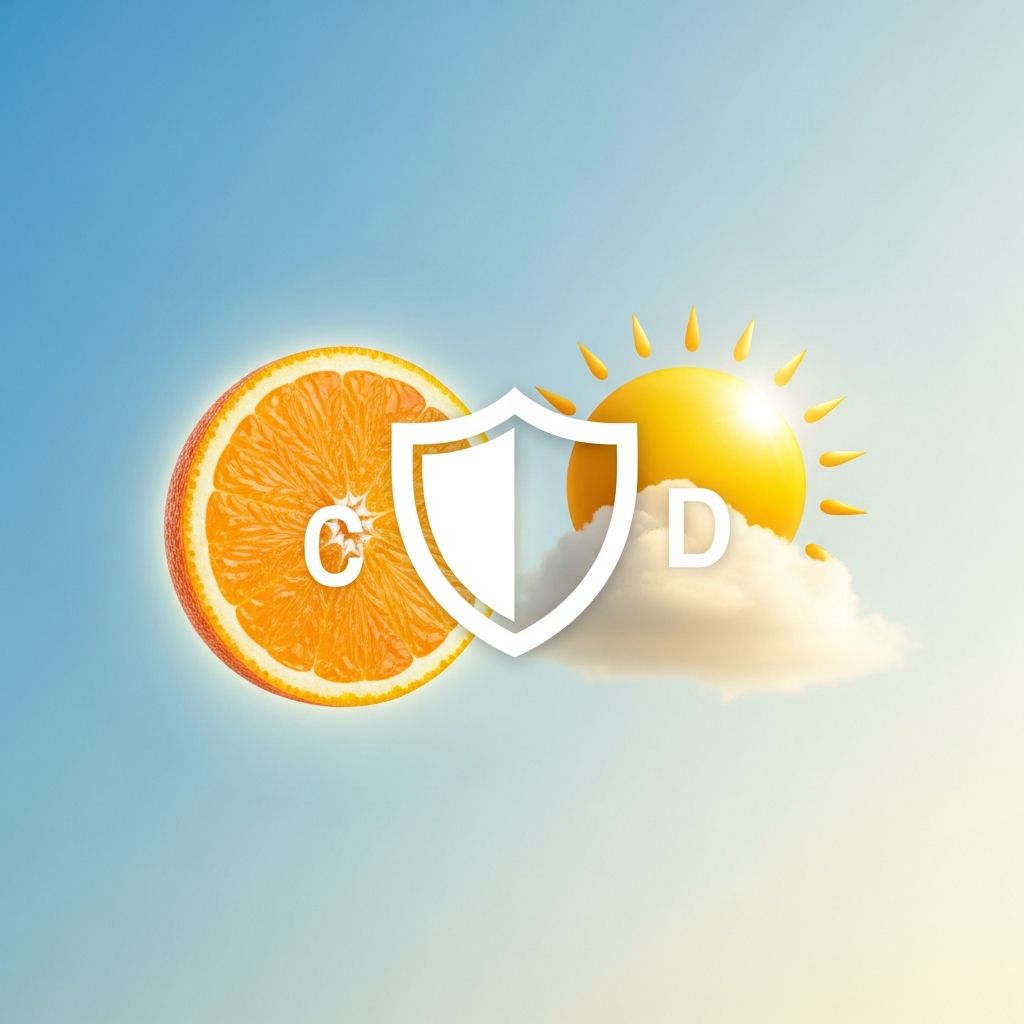
Vitamin D and vitamin C both play crucial roles in supporting the immune system, but they function in distinct ways. Vitamin D primarily regulates broad immune responses and helps prevent respiratory infections, while vitamin C provides antioxidant protection and aids in reducing cold duration.
Research indicates vitamin D deficiency increases the risk of acute respiratory infections by up to 36%, and supplementation can reduce this risk, particularly in deficient individuals. Vitamin C, meanwhile, shortens cold duration by 8-18% in adults and children.
How Vitamin C and Vitamin D Support Immunity
The immune system relies on multiple nutrients for optimal function. Vitamin C and D target different aspects: vitamin C enhances white blood cell activity and combats oxidative stress during infections, while vitamin D modulates immune cell production and activates antiviral defenses.
Immune cells like macrophages, T lymphocytes, and B lymphocytes express vitamin D receptors, allowing it to stimulate antimicrobial proteins such as defensins, which protect the respiratory tract. Vitamin C supports interferon production, an antiviral compound, and suppresses viral gene activation.
Vitamin C for Immunity: Benefits and Mechanisms
Vitamin C, or ascorbic acid, is a potent water-soluble antioxidant essential for immune health. It accumulates in phagocytes, enhancing their ability to destroy pathogens, and promotes lymphocyte proliferation.
- Antiviral effects: Inhibits replication of viruses like influenza and herpes simplex.
- Reduces cold severity: Meta-analyses of over 11,300 participants show vitamin C shortens colds by 8% in adults and 18% in children taking 1-2g daily.
- Supports wound healing and iron absorption: Deficiency impairs collagen synthesis and immune response.
During infections, vitamin C levels drop rapidly, necessitating higher intakes to maintain efficacy.
Vitamin D for Immunity: Benefits and Mechanisms
Vitamin D, often called the “sunshine vitamin,” is a fat-soluble nutrient that acts as a hormone in immune regulation. It enhances innate immunity by boosting cathelicidin and defensin production, which directly kill pathogens.
- Respiratory protection: Low levels increase common cold risk by 36%; supplementation reduces respiratory infections by 33%.
- COVID-19 association: 82% of hospitalized COVID-19 patients in one study had vitamin D deficiency vs. 47% in the general population.
- Anti-inflammatory: Reduces cytokine storms and promotes balanced immune responses.
Vitamin D3 (cholecalciferol) is more effective than D2 for raising blood levels and supporting immunity.
Vitamin C vs. Vitamin D: Key Differences
| Aspect | Vitamin C | Vitamin D |
|---|---|---|
| Primary Role | Antioxidant, supports white blood cells, shortens infections | Immune modulator, activates antimicrobial peptides, prevents infections |
| Deficiency Risk | Scurvy, weakened immunity, poor wound healing | Rickets, increased respiratory infections, bone issues |
| Best For | Acute cold symptom relief (200-2000mg/day) | Long-term prevention (20-50mcg/day) |
| Synergy | Boosts absorption of vitamin D, iron, zinc | Works with C to enhance pathogen combat |
Studies suggest vitamin D outperforms vitamin C in preventing infections, but they synergize effectively when combined.
Do You Need More Vitamin C or Vitamin D?
Most people benefit from both, but needs vary. Those with limited sun exposure or dark skin may require more vitamin D, while smokers or those under stress need extra vitamin C.
Related Stories



Test blood levels: Aim for 25(OH)D above 30 ng/mL for vitamin D. Daily diets often fall short, especially in winter.
Food Sources of Vitamin C and Vitamin D
Vitamin C sources: Abundant in fruits and vegetables.
- Bell peppers (190mg per cup)
- Oranges (70mg per fruit)
- Strawberries (98mg per cup)
- Broccoli (81mg per cup)
- Kiwifruit (71mg per fruit)
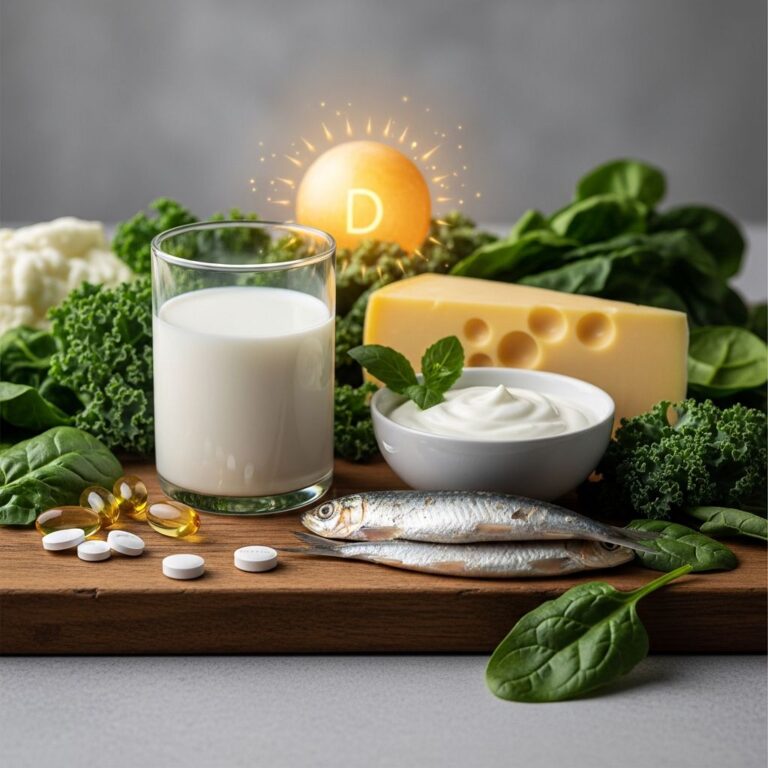
Vitamin D sources: Limited in foods; sunlight is primary.
- Fatty fish like salmon (570 IU per 3oz)
- Cod liver oil (1,360 IU per tbsp)
- Fortified milk (120 IU per cup)
- Egg yolks (41 IU each)
- Mushrooms exposed to UV (400 IU per cup)
Vitamin C and D Supplement Recommendations
For immunity:
- Vitamin C: 500-1000mg/day; up to 2g during colds. Time-release forms reduce GI upset.
- Vitamin D: 20-50mcg (800-2000 IU) daily; higher for deficiency. Prefer D3.
- Combination: Many products pair them with zinc for enhanced effects.
Consult a doctor for personalized dosing, especially if pregnant or with conditions.
Can You Take Too Much Vitamin C or D?
Vitamin C excess causes diarrhea (tolerable upper limit 2000mg/day). Vitamin D overdose (>100mcg/day long-term) risks hypercalcemia, nausea, kidney issues.
Safe when following guidelines; monitor with blood tests.
Which Is Better for Your Immune System: Vitamin C or D?
Neither is “better” alone—vitamin D excels in prevention, vitamin C in symptom management. Together, they provide comprehensive support, with evidence favoring vitamin D for respiratory health.
Deficiencies in either weaken defenses; prioritize testing and balanced intake.
Frequently Asked Questions (FAQs)
Is vitamin D or C better for colds?
Vitamin D prevents colds better (reduces risk by 33%), while vitamin C shortens duration by 8-18%.
How much vitamin D for immunity?
20-50mcg (800-2000 IU) daily, higher for those over 50 or deficient.
Does vitamin C prevent colds?
No, but regular intake reduces severity, especially in stressed individuals.
Can I get enough vitamin D from food?
Rarely; supplements are often needed alongside sun exposure.
Are vitamin C and D supplements safe together?
Yes, they complement each other without known interactions at recommended doses.
References
- The impact of vitamin D, vitamin C, and zinc supplements on immunity — NIH/PMC. 2023-10-25. https://pmc.ncbi.nlm.nih.gov/articles/PMC10652433/
- How vitamins C and D help with colds — Healthspan. 2023. https://www.healthspan.co.uk/guides/how-vitamins-c-and-d-help-with-colds/
- Self-Care for Common Colds: The Pivotal Role of Vitamin D — NIH/PMC. 2018-06-08. https://pmc.ncbi.nlm.nih.gov/articles/PMC5949172/
- Vitamin D vs. Vitamin C: What Are the Benefits? — Wellements. 2023. https://wellements.com/blogs/the-well/vitamin-d-vs-vitamin-c-what-are-the-benefits
- Vitamin D Versus Vitamin C: The Match Up — NBPure. 2023. https://nbpure.com/blogs/news/vitamin-d-versus-vitamin-c-the-match-up
- Vitamin C and D Supplements Aren’t a Magical Remedy — Cedars-Sinai/CNBC. 2023. https://www.cedars-sinai.org/newsroom/cnbccom-vitamin-c-and-d-supplements-arent-a-magical-remedy-doctor-says-use-these-5-tried-and-true-immuno-boosters/
Similar Articles








Read full bio of medha deb