Vitamin D2 vs. D3: Key Differences and Benefits
Discover the differences between vitamin D2 and D3, their sources, effectiveness, and which one is best for your health needs.
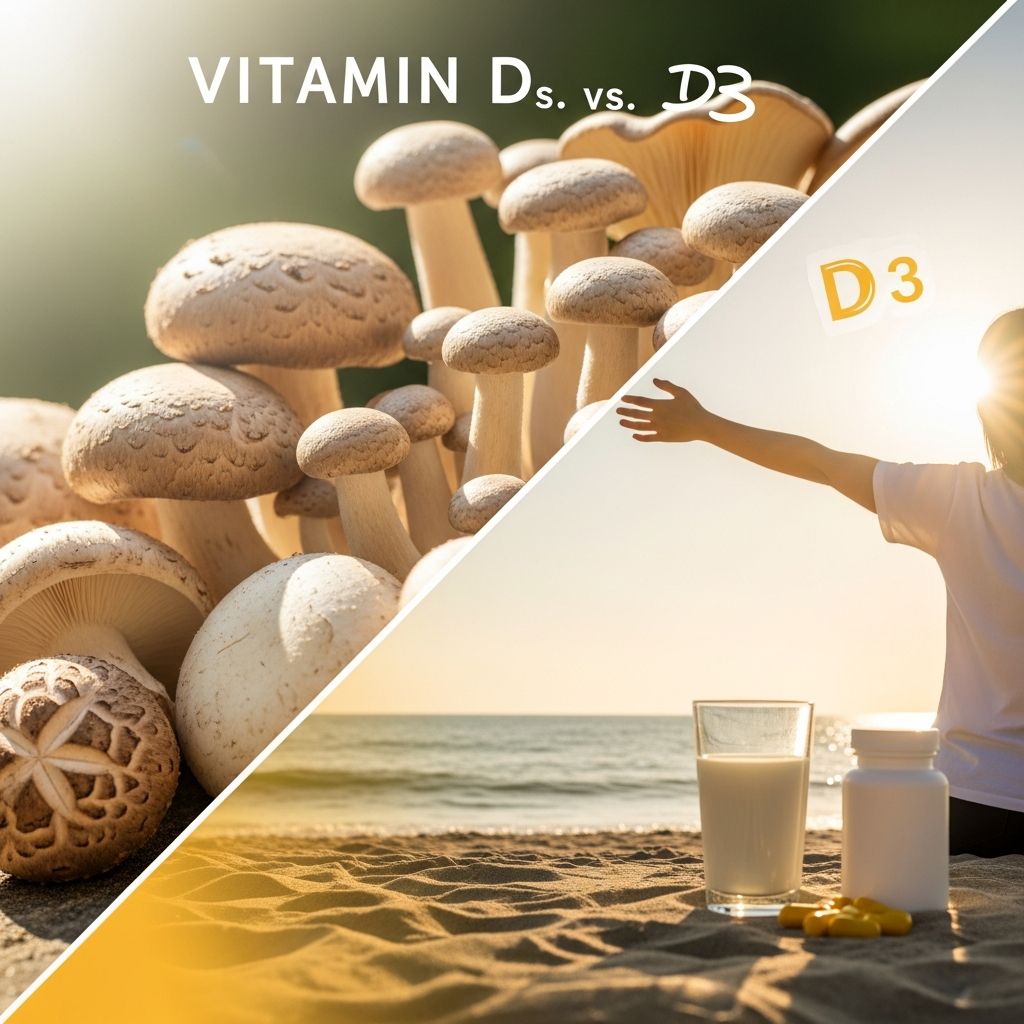
Vitamin D2 (ergocalciferol) and vitamin D3 (cholecalciferol) are the two primary forms of vitamin D used in supplements and fortified foods, both essential for calcium absorption, bone health, and immune function. While they share similar roles,
vitamin D3 is generally more effective at raising and maintaining blood vitamin D levels
due to superior bioavailability and longer half-life in the body.What Are Vitamins D2 and D3?
Vitamin D is a fat-soluble vitamin crucial for maintaining healthy bones, supporting immune function, and regulating calcium and phosphorus levels. It exists in two main forms: D2 and D3.
- Vitamin D2 (ergocalciferol): Derived from plant sources like yeast and fungi, often used in fortified foods and vegan supplements. It is produced by irradiating ergosterol from mushrooms or yeast.
- Vitamin D3 (cholecalciferol): Naturally produced in human skin upon exposure to UVB sunlight and found in animal products like fatty fish, egg yolks, and liver. It is the preferred form in most over-the-counter supplements.
Both forms are converted in the liver to 25-hydroxyvitamin D (calcifediol), the main circulating form measured in blood tests, and then to active 1,25-dihydroxyvitamin D (calcitriol) in the kidneys.
Main Differences Between Vitamin D2 and D3
The primary distinctions lie in their origins, structure, absorption, and efficacy. Here’s a comparison:
| Aspect | Vitamin D2 | Vitamin D3 |
|---|---|---|
| Source | Plants (yeast, fungi, mushrooms) | Animals (fish, eggs, lanolin), sunlight |
| Chemical Structure | Ergocalciferol (plant sterol derivative) | Cholecalciferol (animal sterol derivative) |
| Bioavailability | Lower; shorter half-life | Higher; longer half-life (up to 2x more effective) |
| Efficacy in Raising 25(OH)D | Less potent, especially long-term | More effective, even at equal doses |
**Vitamin D3 binds more effectively to vitamin D-binding protein (DBP) in the blood, leading to better retention and conversion to active forms.** A 2025 study found D3 induced faster calcium absorption gene expression compared to D2. Similarly, a 2024 meta-analysis showed D3 produced higher overall vitamin D increases with daily dosing.
Sources of Vitamin D2 and D3
Natural Food Sources
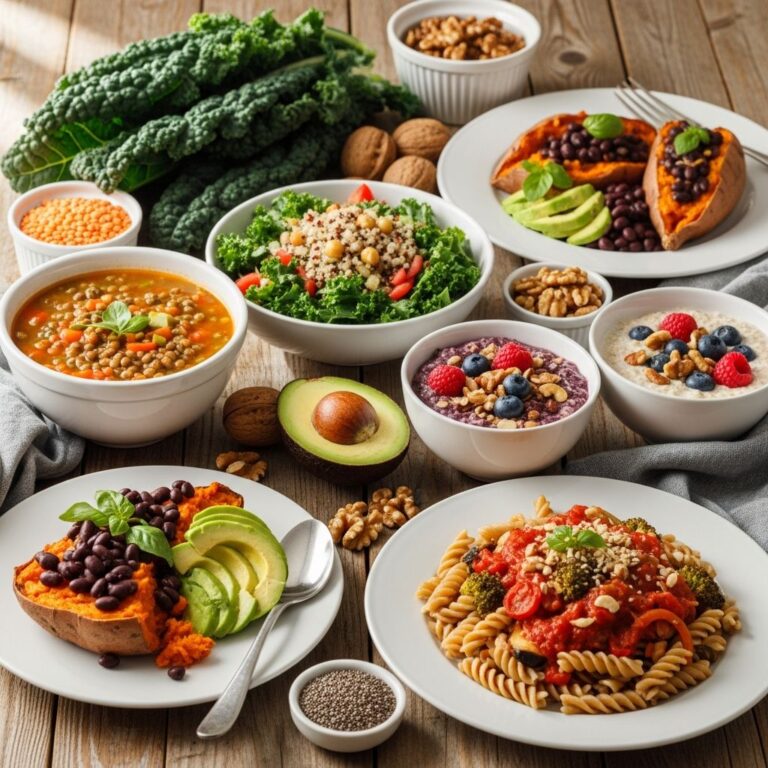
- D2-rich foods: Mushrooms exposed to UV light (e.g., maitake, chanterelle), fortified plant milks, cereals.
- D3-rich foods: Fatty fish (salmon, mackerel, sardines: 400-1000 IU per serving), cod liver oil, egg yolks, beef liver.
Supplements and Fortified Foods
D2 is common in vegan supplements and fortified orange juice, cereals. D3 dominates prescription and OTC supplements, often derived from lanolin or lichen (vegan D3 options available). Sun exposure (10-30 minutes midday, depending on skin type and location) primarily produces D3.
Which Is Better Absorbed: D2 or D3?
**Vitamin D3 is superior in absorption and bioavailability.** Both are absorbed in the small intestine with fats, but D3 raises serum 25(OH)D levels more effectively and sustains them longer. A meta-analysis of RCTs confirmed D3’s significant advantage (P=0.001), especially in bolus doses.
In a study of severe deficiency, injectable D3 increased serum levels by 6.1 ng/ml vs. 3.2 ng/ml for D2, even when D2 was dosed at double the molar units. D3’s potency is attributed to its closer resemblance to endogenous human vitamin D, better DBP affinity, and slower metabolism.
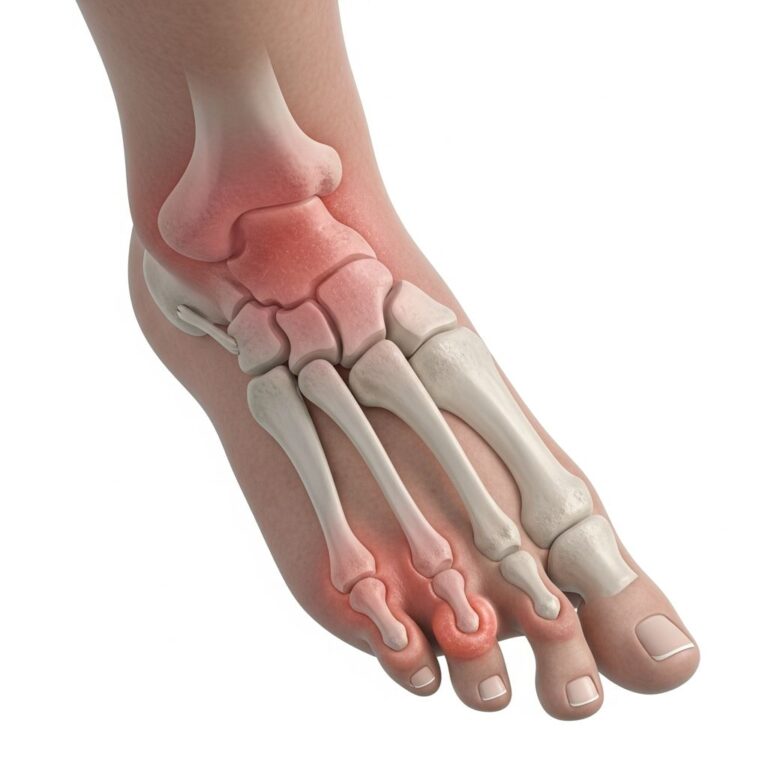
For older adults or those with malabsorption (e.g., arthritis patients), D3 provides quicker benefits for inflammation and joint health.
Related Stories



Health Benefits of Vitamin D2 vs. D3
Both support bone mineralization, but differences emerge in specific outcomes:
- Bone Health: Prevent rickets in children, osteomalacia/osteoporosis in adults. D3 excels in calcium transport to bones.
- Immune Support: Modulates inflammation; D3 may be better for autoimmune conditions.
- Muscle and Joint Health: D3 reduces arthritis pain and improves mobility more effectively.
- Other Benefits: Cardiovascular health, mood regulation, cancer risk reduction (observational data).
A PMC study highlighted D3’s edge in treating deficiency, recommending it for primary care.
Vitamin D Deficiency: Symptoms and Risks
Affecting ~40% globally, deficiency (<20 ng/ml 25(OH)D) risks bone softening, fractures, muscle weakness, fatigue, depression. High-risk groups: limited sun exposure, dark skin, obesity, malabsorption, elderly.
- Symptoms: Bone pain, frequent infections, hair loss, slow wound healing.
- Complications: Rickets (kids), osteoporosis (adults).
How Much Vitamin D Do You Need?
RDA (adults): 600-800 IU/day; upper limit 4,000 IU. For deficiency, 1,000-5,000 IU D3 daily or 50,000 IU weekly (prescription).
| Group | Recommended Daily Intake (IU) |
|---|---|
| Children (1-13 yrs) | 600 |
| Adults (19-70 yrs) | 600 |
| Adults >70 yrs | 800 |
| Pregnant/Lactating | 600 |
Test levels via bloodwork; aim for 30-50 ng/ml.
Vitamin D2 vs. D3 Supplements: Which Should You Take?
**Opt for D3 unless vegan (then UV-mushrooms or lichen D3).** Studies consistently favor D3 for efficacy. Pair with meals containing fat for best absorption. Consult a doctor for high doses.
Who Might Benefit from Each?
- D2: Vegans, fortified food consumers.
- D3: General population, deficiency treatment, bone/joint issues.
Potential Side Effects and Precautions
Overdose risks hypercalcemia (nausea, kidney stones). D2 may be less stable at high doses. Monitor levels; avoid if hyperparathyroidism.
Frequently Asked Questions (FAQs)
Is vitamin D3 better than D2?
Yes, D3 is more effective at raising and sustaining vitamin D levels, per multiple meta-analyses and RCTs.
Can vegetarians take vitamin D3?
Yes, lichen-derived vegan D3 exists; otherwise, D2 from mushrooms.
How long does it take for vitamin D supplements to work?
2-3 months for noticeable changes; retest after 12 weeks.
Does vitamin D help with immunity?
Both forms support immunity, but D3 may offer stronger modulation.
What’s the best time to take vitamin D?
With fatty meals, anytime; consistency matters.
References
- Vitamin D2 vs. D3: Differences, benefits, sources — Medical News Today. 2025. https://www.medicalnewstoday.com/articles/vitamin-d2-vs-d3
- Vitamin D vs. D3 — Arthritis Knee Pain Centers. 2024. https://arthritiskneepain.com/wellness-blog/vitamin-d-vs-d3/
- Effectiveness of vitamin D2 compared with vitamin D3 replacement — PMC (NCBI). 2022-08-01. https://pmc.ncbi.nlm.nih.gov/articles/PMC9372493/
- Comparison of vitamin D2 and D3 supplementation — PubMed. 2012-05-08. https://pubmed.ncbi.nlm.nih.gov/22552031/
- Vitamin D2 vs. D3: What’s the Difference? — Healthline. 2024. https://www.healthline.com/nutrition/vitamin-d2-vs-d3
Similar Articles








Read full bio of Sneha Tete