Vitamin Deficiencies That Make You Feel Cold
Discover which vitamin deficiencies can leave you feeling chilly all the time and how to address them effectively.
Do you find yourself bundling up even on mild days, shivering when others are comfortable, or pressing cold hands against warm surfaces for relief? Constantly feeling cold—known as cold intolerance—can signal more than just a chilly environment. It might point to underlying nutrient shortfalls, particularly vitamin deficiencies that impair your body’s ability to regulate temperature and produce heat.
While factors like hypothyroidism, anemia, poor circulation, or low body weight can contribute, specific vitamin deficiencies disrupt metabolic processes essential for thermoregulation. Health experts emphasize that addressing these gaps through diet, supplements, or medical intervention can restore warmth and vitality. This comprehensive guide explores the key vitamin deficiencies linked to feeling cold, their mechanisms, symptoms, diagnosis, and remedies, drawing from authoritative medical insights.
Why Do Vitamin Deficiencies Cause Cold Intolerance?
Your body generates heat primarily through metabolism, where vitamins act as co-factors in energy production pathways. Deficiencies impair these processes, reducing basal metabolic rate (BMR) and heat output. For instance, vitamins involved in red blood cell formation ensure oxygen delivery to tissues for efficient energy conversion—disruptions lead to poor circulation and cold extremities.
According to the National Institutes of Health (NIH), micronutrient deficiencies affect over 2 billion people globally, with symptoms often subtle like persistent coldness. Cold intolerance arises when:
- Vitamins for hemoglobin synthesis are lacking, causing anemia and reduced oxygen transport.
- Energy metabolism falters, slowing thyroid function and heat generation.
- Nerve signaling for vasoconstriction (narrowing blood vessels to conserve heat) is compromised.
Women, vegetarians, older adults, and those with absorption issues (e.g., pernicious anemia) are at higher risk. Early detection via blood tests prevents escalation to fatigue, neuropathy, or cognitive issues.
Vitamin B12 Deficiency
Vitamin B12 (cobalamin) is a frontrunner in causing cold sensitivity due to its role in red blood cell production and nerve health. Deficiency leads to megaloblastic anemia, where oversized, inefficient red cells starve tissues of oxygen, resulting in cold hands and feet from poor peripheral circulation.
Symptoms extend beyond chills: fatigue, pale skin, numbness, memory fog, and balance problems. Risk factors include vegan diets (B12 is mainly in animal products), gastrointestinal disorders like Crohn’s or celiac disease, and medications like metformin or proton pump inhibitors that hinder absorption.
The NIH reports that up to 20% of adults over 60 may have low B12 levels due to reduced stomach acid. Diagnosis involves serum B12 tests (<200 pg/mL indicates deficiency), methylmalonic acid (MMA), and homocysteine levels. Treatment: Intramuscular injections for severe cases (1,000 mcg weekly), then oral supplements (1,000-2,000 mcg daily). Food sources: fortified cereals, meat, eggs, dairy. Recovery of warmth can occur within weeks as oxygen delivery improves.
Related Stories



Iron Deficiency (Often Tied to Vitamin-Related Anemia)
Though iron is a mineral, its deficiency mimics vitamin issues by causing iron-deficiency anemia (IDA), a top culprit for cold intolerance. Iron is vital for hemoglobin, and shortages reduce oxygen-carrying capacity, chilling extremities as blood flow prioritizes core organs.
IDA affects 25% of the global population, per WHO, with women of childbearing age most impacted due to menstruation. Symptoms: fatigue, shortness of breath, restless legs, pica (craving non-foods), and brittle nails alongside coldness. Vitamin C enhances iron absorption, linking the two.
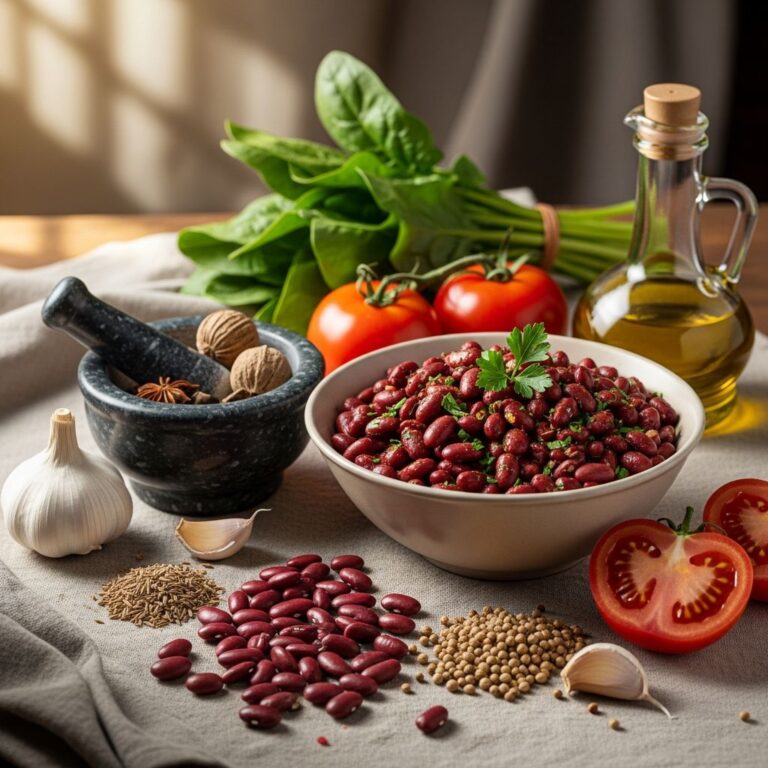
Diagnosis: Ferritin (<30 ng/mL), serum iron, total iron-binding capacity (TIBC), and hemoglobin tests. Treatment: Oral ferrous sulfate (325 mg daily with vitamin C-rich foods), avoiding tea/coffee that inhibit uptake. Severe cases need IV iron. Dietary boosts: spinach, lentils, red meat, paired with vitamin C from citrus. Warmth returns as anemia resolves in 1-3 months.
Vitamin B9 (Folate) Deficiency
Folate (vitamin B9) works synergistically with B12 in DNA synthesis and red blood cell maturation. Deficiency causes macrocytic anemia similar to B12 shortfall, impairing thermoregulation via reduced oxygen delivery and elevated homocysteine, which damages vessels.
Common in pregnancy, alcoholism, malabsorption (e.g., IBD), and low-leafy green intake. Symptoms overlap B12: cold extremities, weakness, glossitis (sore tongue), irritability. Per CDC data, 10-15% of U.S. adults have suboptimal folate despite fortification.
Test with serum folate (<3 ng/mL) and RBC folate. Treatment: 400-1,000 mcg folic acid daily; foods like asparagus, broccoli, beans. Caution: Folate masks B12 deficiency, so test both. Heat sensitivity improves with normalized hematopoiesis.
Vitamin D Deficiency
Vitamin D receptors in nearly every cell influence immune function, muscle performance, and vascular health. Low levels correlate with cold intolerance by disrupting calcium signaling for vasoconstriction and reducing muscle efficiency in heat production.
A 2023 Endocrine Society review notes 40% of Americans are deficient (<20 ng/mL), worsened by limited sun, obesity, dark skin. Symptoms: bone pain, frequent illness, depression, chronic coldness. Linked to autoimmune thyroiditis, compounding chills.
Diagnosis: 25-hydroxyvitamin D blood test. Treatment: 1,000-4,000 IU D3 daily, sunlight 15 min/day, fatty fish, fortified milk. Repletion over 8-12 weeks restores vascular tone and warmth.
Other Contributing Factors and Vitamins
Vitamin B1 (Thiamine)
Thiamine fuels carbohydrate metabolism for ATP production, essential for heat. Deficiency (beriberi) in alcoholics or poor diets causes cold, wet limbs from vasodilation. Rare in developed nations; treat with 100 mg IM then oral.
Vitamin C
Supports collagen for vessel integrity and iron absorption. Scurvy leads to perifollicular hemorrhages and coldness. RDA 75-90 mg; citrus, peppers suffice.
Magnesium and Others
Magnesium aids energy pathways; low levels chill via muscle cramps. Though not a vitamin, its interplay with D/B vitamins matters.
How to Diagnose and Test for Deficiencies
Consult a doctor for bloodwork: CBC for anemia, specific vitamin panels. Rule out thyroid (TSH), kidney function. At-home kits exist but verify lab accuracy. Track diet/symptoms in a journal.
Treatments and Prevention Strategies
- Diet First: Balanced intake: meats, greens, fortified foods.
- Supplements: Under guidance to avoid toxicity (e.g., excess A/D).
- Lifestyle: Exercise boosts circulation; layer clothing; warm baths.
- Monitor: Retest after 3 months.
| Vitamin | Daily Needs | Food Sources | Supplement Dose |
|---|---|---|---|
| B12 | 2.4 mcg | Clams, beef liver, salmon | 1,000 mcg |
| Iron | 8-18 mg | Beef, spinach, quinoa | 18-65 mg |
| Folate | 400 mcg | Lentils, avocado, spinach | 400 mcg |
| D | 600 IU | Salmon, egg yolks, sunlight | 2,000 IU |
Frequently Asked Questions (FAQs)
Can vitamin deficiencies cause cold hands and feet only?
Yes, peripheral coldness is common first sign due to poor circulation from anemia or neuropathy before systemic symptoms appear.
How long to feel warmer after fixing a deficiency?
1-4 weeks for B12/iron; up to 3 months for full repletion. Consistency key.
Are supplements safe for everyone?
No—over-supplementation risks toxicity (e.g., hypervitaminosis D). Always test and consult MD.
Can stress or age worsen these deficiencies?
Yes, stress depletes B vitamins; aging reduces absorption, amplifying cold intolerance.
Is feeling cold always a deficiency?
No—consider hypothyroidism, Raynaud’s, or heart issues. Comprehensive eval needed.
Persistent coldness warrants professional assessment. Correcting deficiencies not only warms you but boosts energy and immunity. Prioritize nutrient-rich eating and routine check-ups for optimal health.
References
- Vitamin B12 Deficiency — National Institutes of Health, Office of Dietary Supplements. 2024-07-30. https://ods.od.nih.gov/factsheets/VitaminB12-HealthProfessional/
- Iron Deficiency Anemia — World Health Organization. 2023-11-15. https://www.who.int/news-room/fact-sheets/detail/anaemia
- Vitamin D Fact Sheet — National Institutes of Health, Office of Dietary Supplements. 2024-09-12. https://ods.od.nih.gov/factsheets/VitaminD-HealthProfessional/
- Folate Fact Sheet — National Institutes of Health, Office of Dietary Supplements. 2024-05-20. https://ods.od.nih.gov/factsheets/Folate-HealthProfessional/
- Micronutrient Deficiencies — Centers for Disease Control and Prevention. 2023-02-14. https://www.cdc.gov/nutrition/micronutrient-malnutrition/index.html
Similar Articles








Read full bio of Sneha Tete