Vitamin Deficiency: Types, Symptoms & Treatment
Understanding vitamin deficiencies: causes, symptoms, diagnosis, and effective treatment options.
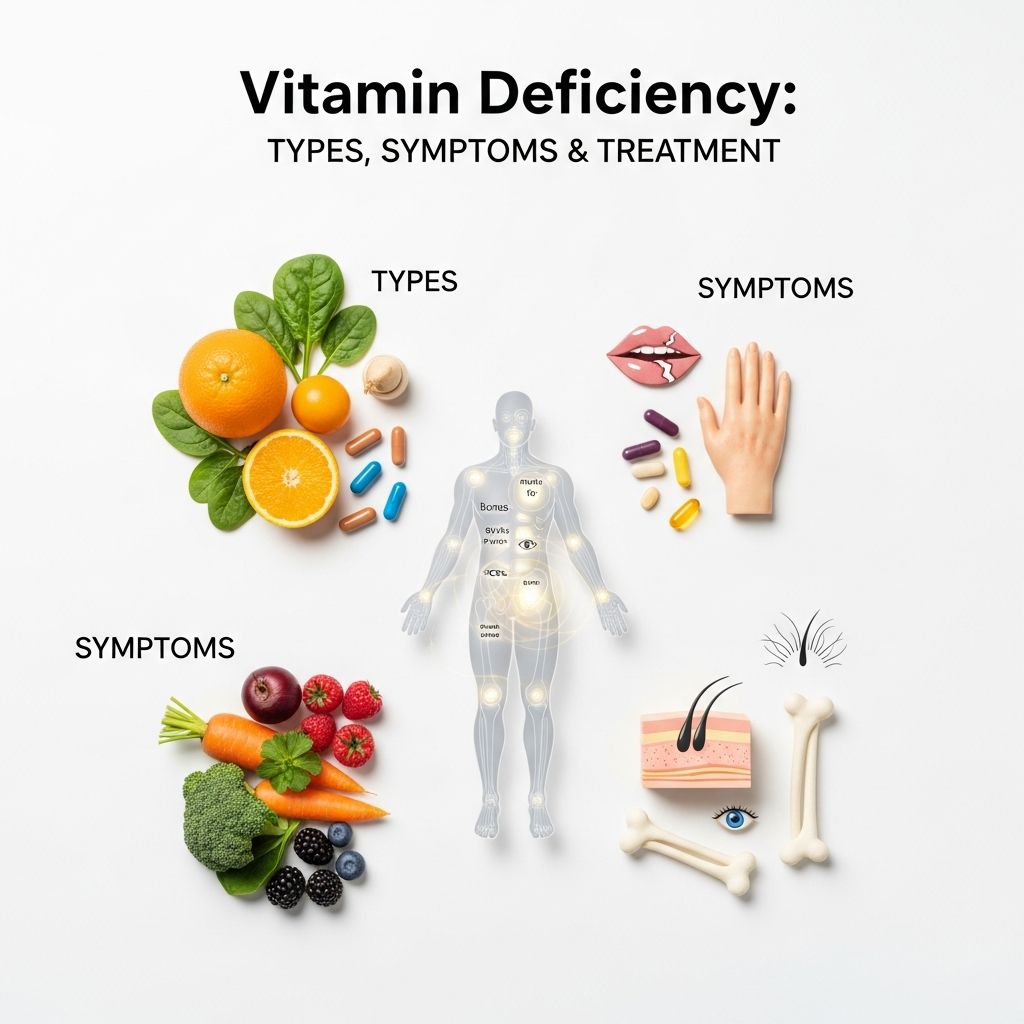
Understanding Vitamin Deficiency
Vitamin deficiencies occur when your body doesn’t get enough of certain essential micronutrients needed for proper functioning. The term “micro” in micronutrient refers to the fact that your body requires these nutrients in small amounts, yet they play crucial roles in maintaining health and preventing disease. When vitamin levels become too low, your body cannot perform essential functions, leading to various symptoms and health complications. Understanding what causes vitamin deficiencies, recognizing the warning signs, and knowing how to treat them is vital for maintaining optimal health.
What Are Vitamins and Why Are They Important?
Vitamins are organic compounds that your body needs to function properly. They support immune function, energy production, bone health, wound healing, and cellular repair. Your body cannot produce most vitamins on its own, so you must obtain them through diet, supplements, or sunlight exposure in the case of vitamin D. Each vitamin plays a distinct role in your body’s processes, and deficiencies in any one vitamin can lead to specific health problems.
Most Common Vitamin Deficiencies
Certain vitamin deficiencies are more prevalent than others, particularly in specific geographic regions and populations. Understanding which deficiencies are most common can help you identify potential risks and take preventive measures.
Vitamin D Deficiency
Vitamin D deficiency is one of the most common nutritional deficiencies, especially in regions with limited sunlight exposure. This deficiency primarily affects bone and muscle health. Your skin produces vitamin D when exposed to sunlight, but many people don’t get enough sun exposure, particularly during winter months in northern climates. Vitamin D is essential for calcium absorption, bone mineralization, and immune function.
Vitamin B12 Deficiency
Vitamin B12 deficiency, also called cobalamin deficiency, occurs when your body either isn’t getting enough B12 or has difficulty absorbing it from food. This deficiency is common across all age groups and can lead to serious neurological complications if left untreated. B12 is crucial for red blood cell formation, DNA synthesis, and nervous system function.
Folate (Vitamin B9) Deficiency
Folate deficiency, also known as vitamin B9 deficiency, affects your body’s ability to produce healthy red blood cells. This can lead to anemia and other complications. Folate is particularly important for pregnant women, as deficiency during pregnancy can cause birth defects.
Vitamin A Deficiency
Vitamin A deficiency can cause vision problems, including night blindness and potentially blindness if severe. This vitamin is essential for eye health, immune function, and skin health. It’s more common in developing countries but can occur in developed nations among those with certain conditions or poor dietary intake.
Vitamin C Deficiency
While rare in developed countries, vitamin C deficiency can occur in individuals with poor nutrition, those who abuse alcohol, or those with certain medical conditions. Severe deficiency leads to scurvy, a condition characterized by bleeding gums, joint pain, and wound healing problems.
Other Common Deficiencies
Additional common deficiencies include iron, calcium, vitamin B6, vitamin B3 (niacin), vitamin B2 (riboflavin), magnesium, and zinc. Each plays important roles in energy metabolism, immune function, bone health, and cellular processes.
Related Stories



Symptoms of Vitamin Deficiency
Vitamin deficiency symptoms vary depending on which vitamin is lacking and the severity of the deficiency. Symptoms may develop gradually over months or years and can be subtle at first. Common signs include fatigue, weakness, mood changes, bone or muscle pain, and various dermatological manifestations.
General Symptoms
Many vitamin deficiencies share common symptoms:
– Persistent fatigue and weakness- Difficulty concentrating and memory problems- Mood changes including depression and anxiety- Muscle or bone pain- Slow wound healing- Frequent infections- Hair loss or brittle nails- Skin problems or rashes- Numbness or tingling in extremities
Specific Symptoms by Vitamin Type
Different vitamins produce distinctive symptoms when deficient. B12 deficiency often causes neurological symptoms like numbness and cognitive changes. Vitamin D deficiency typically manifests as bone pain and muscle weakness. Vitamin A deficiency causes night blindness and eye problems. Vitamin C deficiency leads to bleeding gums and poor wound healing.
Causes and Risk Factors
Vitamin deficiencies develop for various reasons, including inadequate dietary intake, absorption problems, increased nutrient demands, and certain medical conditions.
Dietary Factors
Consuming an unbalanced diet lacking nutrient-rich foods is the primary cause of many vitamin deficiencies. Restrictive diets, veganism or vegetarianism without proper planning, and processed food-heavy diets increase deficiency risk. Limited access to fresh fruits, vegetables, and fortified foods in food deserts also contributes to nutritional gaps.
Absorption Issues
Your body’s ability to absorb vitamins depends on digestive health. Conditions affecting the gastrointestinal tract, such as celiac disease, Crohn’s disease, ulcerative colitis, and irritable bowel syndrome, reduce nutrient absorption. Surgical removal of portions of the digestive tract also impairs absorption. Additionally, certain medications interfere with vitamin absorption or metabolism.
Medical Conditions
Various health conditions increase your risk of developing deficiencies. Pernicious anemia specifically affects B12 absorption. Kidney disease impairs vitamin D activation. Liver disease affects multiple nutrient processes. Diabetes and certain thyroid conditions also increase deficiency risk.
Lifestyle and Demographic Factors
Older adults have increased nutritional needs and often consume less food. Alcoholism depletes multiple vitamins and damages the digestive system. Smoking and stress increase vitamin C requirements. Pregnancy and breastfeeding dramatically increase nutrient demands. People with limited sun exposure are at higher risk for vitamin D deficiency. Socioeconomic factors affecting food access also play a role.
Diagnosis of Vitamin Deficiency
Proper diagnosis requires blood tests ordered by your healthcare provider. Blood tests measure specific vitamin levels and help determine the severity of deficiency. Standard blood work can detect vitamin D, B12, folate, and iron levels. Your provider may order additional specialized tests if pernicious anemia or other underlying conditions are suspected.
Diagnostic Tests
Common tests include serum 25-hydroxyvitamin D for vitamin D assessment, serum B12 and methylmalonic acid for B12 deficiency, folate levels for B9 deficiency, and various tests for other micronutrients. Your healthcare provider will evaluate symptoms, medical history, dietary habits, and any absorption issues when interpreting results.
Treatment Options
Treatment focuses on restoring adequate vitamin levels through supplements, dietary changes, and addressing underlying causes. Your healthcare provider determines the appropriate dosage, formulation, and duration based on your specific deficiency and health status.
Supplementation Methods
Vitamins can be supplemented through multiple routes. Oral supplements in tablet, capsule, or liquid form are most common and convenient. For absorption problems or severe deficiencies, intramuscular injections provide direct vitamin delivery. Intravenous (IV) infusions deliver nutrients directly into the bloodstream, useful for hospitalized patients or those with severe malabsorption.
Dietary Modifications
Increasing consumption of vitamin-rich foods supports treatment and prevents recurrence. B12-rich foods include meat, fish, poultry, eggs, dairy products, and fortified cereals. Folate sources include leafy greens, legumes, asparagus, and Brussels sprouts. Vitamin D comes from fatty fish, egg yolks, and fortified dairy products, plus sun exposure. Vitamin C-rich foods include citrus fruits, berries, and bell peppers. Vitamin A sources include carrots, sweet potatoes, spinach, and kale.
Managing Underlying Conditions
If a medical condition caused the deficiency, treating that condition is essential. Managing digestive disorders, adjusting medications that interfere with absorption, or treating pernicious anemia ensures long-term success. Your provider may recommend continued supplementation to prevent recurrence if an underlying condition persists.
Complications of Untreated Deficiency
While most vitamin deficiencies respond well to treatment when caught early, untreated deficiencies can cause serious complications. Severe B12 deficiency leads to irreversible neurological damage, including permanent numbness and cognitive decline. Untreated folate deficiency during pregnancy increases birth defect risk. Severe vitamin D deficiency causes osteoporosis and increased fracture risk. Vitamin A deficiency causes permanent blindness. These complications emphasize the importance of early diagnosis and treatment.
Prevention Strategies
Preventing vitamin deficiency is far easier than treating complications. A balanced diet containing diverse food groups ensures adequate micronutrient intake. Eating plenty of fruits, vegetables, whole grains, lean proteins, and dairy products provides most necessary vitamins. People with dietary restrictions should plan carefully to ensure nutrient adequacy or use appropriate supplements.
Lifestyle Recommendations
Regular sun exposure, typically 10-30 minutes several times per week, supports vitamin D production. Limiting alcohol consumption protects multiple vitamins from depletion. Quitting smoking reduces vitamin C depletion. Regular health check-ups and blood work help detect deficiencies early, particularly for high-risk individuals.
Frequently Asked Questions
Q: How do I know if I have a vitamin deficiency?
A: Symptoms vary but commonly include fatigue, weakness, mood changes, and bone or muscle pain. The only way to confirm deficiency is through blood tests ordered by your healthcare provider. If you experience persistent symptoms, contact your doctor for evaluation.
Q: Can I get all necessary vitamins from food alone?
A: Most people can meet their vitamin needs through a balanced diet containing diverse foods. However, certain populations may benefit from supplements, including pregnant women, older adults, those with digestive disorders, strict vegetarians/vegans, and people with limited sun exposure.
Q: How long does vitamin deficiency treatment take?
A: Treatment duration varies depending on the vitamin, severity of deficiency, and underlying causes. Some deficiencies resolve in weeks to months with supplementation. If an underlying condition caused the deficiency, long-term treatment may be necessary to prevent recurrence.
Q: Are vitamin supplements safe to take?
A: When taken as directed, vitamin supplements are generally safe. However, excessive intake of certain fat-soluble vitamins (A, D, E, K) can cause toxicity. Always follow your healthcare provider’s recommendations and inform them about all supplements you take.
Q: Can vitamin deficiency cause anemia?
A: Yes, deficiencies in B12 and folate specifically cause vitamin deficiency anemia, a condition where your body doesn’t produce enough healthy red blood cells. Vitamin E and C deficiencies can also contribute to anemia under certain circumstances.
Q: Who is most at risk for vitamin deficiency?
A: High-risk groups include older adults, pregnant and breastfeeding women, people with digestive disorders, vegetarians and vegans without proper planning, those with limited sun exposure, individuals with certain medical conditions, and people in low socioeconomic situations with limited food access.
Q: Can I prevent vitamin deficiency?
A: Yes, eating a balanced diet with diverse nutrient-rich foods, getting adequate sun exposure, limiting alcohol, not smoking, and regular health check-ups help prevent deficiencies. People with risk factors should work with their healthcare provider to determine if supplements are appropriate.
References
- Vitamin Deficiency Anemia: Symptoms & Causes — Cleveland Clinic. 2024. https://my.clevelandclinic.org/health/diseases/17732-vitamin-deficiency-anemia
- Vitamin D Deficiency: Causes, Symptoms & Treatment — Cleveland Clinic. 2024. https://my.clevelandclinic.org/health/diseases/15050-vitamin-d-vitamin-d-deficiency
- Vitamin B12 Deficiency: Symptoms, Causes & Treatment — Cleveland Clinic. 2024. https://my.clevelandclinic.org/health/diseases/22831-vitamin-b12-deficiency
- Vitamin A Deficiency: Causes, Symptoms, Treatment & Prevention — Cleveland Clinic. 2024. https://my.clevelandclinic.org/health/diseases/23107-vitamin-a-deficiency
- Skin findings associated with nutritional deficiencies — Cleveland Clinic Journal of Medicine, Vol. 89, No. 5. 2022. https://www.ccjm.org/content/89/3/154
- All About Vitamin Deficiencies with Dr. Kelly Raj — Cleveland Clinic Health Essentials Podcast. 2024. https://my.clevelandclinic.org/podcasts/health-essentials/all-about-vitamin-deficiencies-with-dr-kelly-raj
- Vitamins & Minerals — Cleveland Clinic. 2024. https://my.clevelandclinic.org/health/articles/vitamins-minerals
Similar Articles








Read full bio of Sneha Tete