Vitamin E: Benefits, Foods, And RDA 15 Mg Explained
Complete guide to vitamin E: benefits, sources, dosage, and why your body needs this essential antioxidant.
What Is Vitamin E?
Vitamin E is a fat-soluble vitamin and powerful antioxidant that your body needs to stay healthy and function properly. Unlike water-soluble vitamins that your body excretes when in excess, fat-soluble vitamins like vitamin E are stored in your body’s fatty tissues and liver, meaning your body can draw on these reserves when needed. As an antioxidant, vitamin E plays a critical protective role by helping to shield your cells from damage caused by free radicals—harmful molecules that can weaken your cells over time by stealing tiny parts from them. These free radicals are generated during normal metabolic processes and can also come from external sources like tobacco smoke and radiation exposure.
The connection between free radicals and cellular damage extends to serious health conditions. Free radicals have been implicated in various diseases including cancer and Alzheimer’s disease, as well as the visible signs of aging in your skin. By working as a protective shield, vitamin E and other antioxidants help prevent free radicals from causing the harm that leads to these conditions and accelerated aging.
Forms of Vitamin E
Vitamin E exists in eight different chemical forms, which can seem confusing when reading supplement labels or researching the nutrient. These eight forms are distinguished by their chemical structure and begin with alpha-, beta-, gamma-, or delta-, followed by either tocopherol or tocotrienol. When shopping for vitamin E supplements or reading ingredient lists, you may encounter any of these variations.
However, not all forms of vitamin E are equal in terms of what your body can actually use. Alpha-tocopherol is the only form that meets your body’s nutritional needs and is recognized by your system as the active form of vitamin E. This is why healthcare providers typically recommend alpha-tocopherol when discussing vitamin E supplementation, and why the recommended dietary allowance is measured specifically in terms of alpha-tocopherol content.
Health Benefits of Vitamin E
Vitamin E supports multiple critical functions throughout your body, contributing to overall health and disease prevention in several important ways.
Eye Health and Vision
Vitamin E plays a protective role for the delicate cells in your eyes. Research indicates that getting adequate amounts of this nutrient could help lower your risk of age-related macular degeneration (AMD) and cataracts, two common vision problems that develop as people age. The antioxidant properties of vitamin E help protect the sensitive tissues in your eyes from oxidative stress and damage that can contribute to these conditions.
Immune System Function
A healthy immune system is essential for fighting off everything from common colds to serious illnesses like cancer. Vitamin E plays a vital role in maintaining your body’s internal defense system. Research has shown that vitamin E is found in high amounts in certain immune cells, indicating its importance to immune function. When your body doesn’t have enough vitamin E, your immune system cannot perform its job effectively, leaving you more vulnerable to infections and illness.
Blood, Brain, and Skin Health
Beyond its protective antioxidant role, vitamin E is essential for maintaining the health of your blood cells, brain, and skin. It supports the function of red blood cells, white blood cells, and platelets, which are critical for oxygen transport, fighting infections, and blood clotting respectively. In your brain, vitamin E helps protect neurons from oxidative damage. For your skin, vitamin E contributes to maintaining cellular integrity and may help protect against sun damage by absorbing some UVB rays and reducing inflammatory responses in the skin.
Cancer Risk Reduction Potential
As an antioxidant, vitamin E may help ward off cancer-causing cell damage. Some evidence suggests that low levels of vitamin E and selenium (an essential mineral) may increase your risk of breast cancer and lung cancer. However, it’s important to understand that vitamin E supplements have not been definitively shown to prevent cancer. If you want to lower your cancer risk, eating a variety of whole foods rich in vitamin E and other antioxidants is your best approach rather than relying on supplements.
Recommended Daily Allowance
Your body’s vitamin E needs vary based on your age and life stage. The recommended daily allowance (RDA) for vitamin E is 15 milligrams per day for most adults. However, individual requirements may differ based on age group and whether you are breastfeeding. Because the RDA is relatively modest, most people can meet their vitamin E needs through a healthy diet without requiring supplementation.
Age-Based Guidelines
| Life Stage | Recommended Daily Amount |
|---|---|
| Adult men and women | 15 milligrams per day |
| Breastfeeding women | May require adjusted amounts |
| Children | Lower amounts based on age |
Food Sources of Vitamin E
The easiest and most effective way to get enough vitamin E is through your diet. Many common foods are naturally rich in this essential nutrient, making it relatively simple to meet your daily requirements without supplements.
High-quality food sources of vitamin E include:
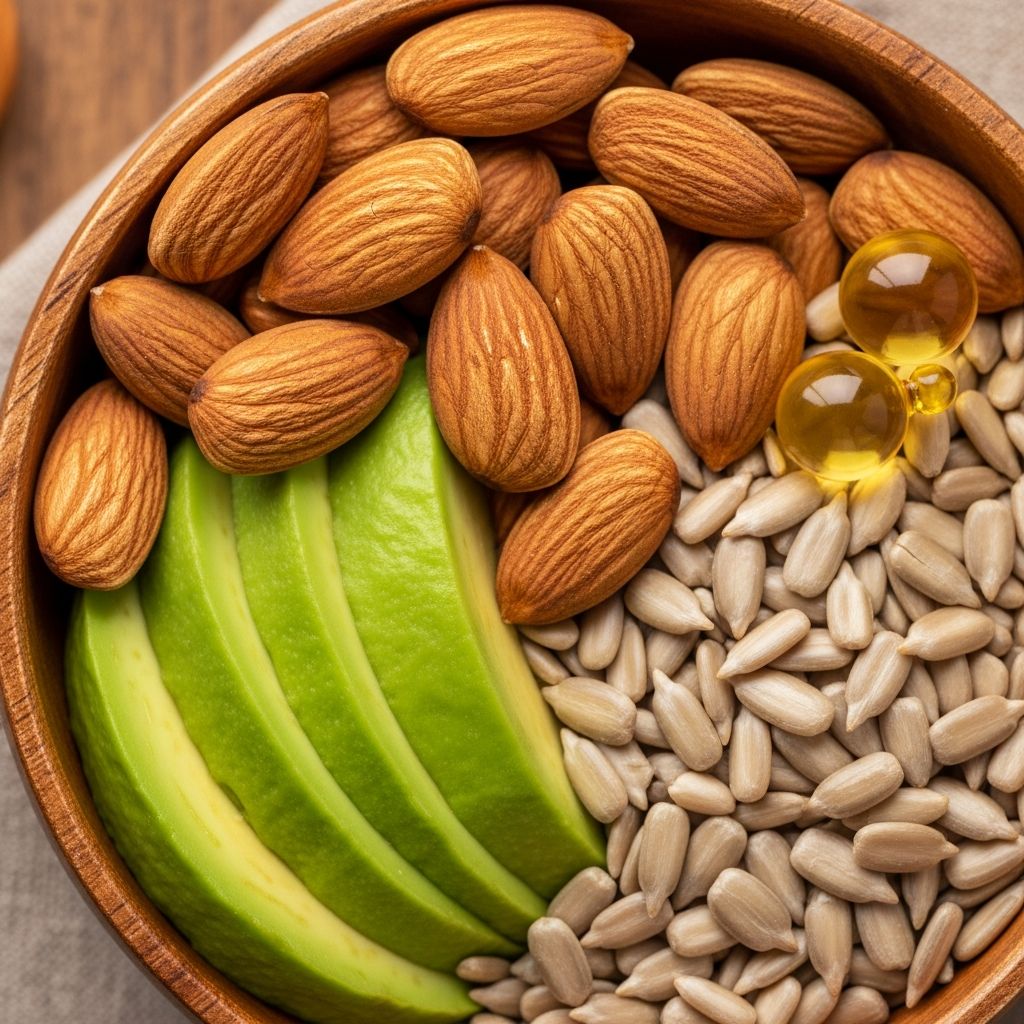
– Vegetable oils such as canola and olive oil- Nuts including almonds, hazelnuts, and pine nuts- Seeds like sunflower seeds and sesame seeds- Leafy green vegetables such as spinach and kale- Meats and poultry- Dairy products- Fortified cereals
By incorporating these foods regularly into your meals, you can easily obtain the 15 milligrams of vitamin E your body needs each day. A handful of almonds, a salad with olive oil dressing, or a serving of fortified cereal can all contribute meaningfully to your daily intake.
Vitamin E Supplements
While whole foods should be your primary source of vitamin E, supplements are available in capsule, tablet, and liquid drop forms that you can take by mouth. However, because the RDA for vitamin E is relatively low and most people can achieve this through diet alone, most people do not need to take a vitamin E supplement.
When You Might Need a Supplement
There are specific exceptions where vitamin E supplementation may be beneficial. People who have conditions that interfere with fat absorption can sometimes become deficient in vitamin E and may benefit from supplementation. These conditions include celiac disease, Crohn’s disease, and ulcerative colitis. If you have any of these digestive conditions, you should talk to your healthcare provider about whether a vitamin E supplement is appropriate for you.
Dosage Considerations
If you do take a vitamin E supplement, healthcare providers recommend that adults stick to the recommended dietary allowance of 15 milligrams per day. It’s important to avoid overdoing vitamin E supplementation because excess vitamin E is stored in your body’s fat tissue and can potentially build up to toxic levels over time. Before starting any new dietary supplement, including vitamin E, you should consult with your healthcare provider to determine whether supplementation is appropriate for your individual situation.
Vitamin E for Skin Health
Vitamin E is a popular ingredient in skincare products and is widely used in moisturizers and other topical treatments. As an ingredient in moisturizers, vitamin E can help hydrate and protect your skin. The evidence for vitamin E’s role in skin protection is evolving, but some research suggests it may help reduce sun damage by absorbing UVB rays and reducing your skin’s inflammatory response.
Important Limitations
However, it’s crucial to understand that vitamin E should not replace sunscreen in your daily skin protection routine. While vitamin E can absorb some UVB light, it cannot absorb all of it. Additionally, vitamin E does not protect against ultraviolet A (UVA) light, which can lead to sunburns and skin cancer. Multiple scientific studies have proven that vitamin E does not prevent or help treat skin cancers. Therefore, it’s essential to maintain your daily routine of applying broad-spectrum sunscreen as your primary defense against sun damage.
Internal and External Vitamin E
To support overall skin health, you need to get enough vitamin E in your diet, ideally through food sources, though supplements are also an option. Research is beginning to show that internal antioxidants, including dietary vitamin E, may help protect your skin from external threats like sun damage. This suggests that a comprehensive approach combining adequate dietary vitamin E intake with proper external sun protection offers the best protection for your skin health.
Vitamin E Deficiency
Vitamin E deficiency occurs when your body doesn’t have enough of this essential nutrient. A deficiency means your body isn’t getting and absorbing the amount of vitamin E it needs to function properly. When you’re deficient in vitamin E, your body cannot carry out its critical protective and regulatory functions effectively.
Symptoms of Deficiency
Vitamin E deficiency can cause several symptoms that indicate your body is struggling without adequate amounts of this nutrient. Common symptoms include muscle weakness, numbness, and fatigue. More specifically, a severe deficiency can develop nerve issues that cause numbness and problems with body movement, a condition called neuropathy. Additionally, vitamin E deficiency can damage the retina of your eye, a condition called retinopathy that can lead to vision loss.
Prevention and Treatment
You can usually prevent vitamin E deficiency by eating enough foods that naturally contain this vitamin. By maintaining a diet rich in nuts, seeds, vegetable oils, and leafy greens, you can ensure your body has an adequate supply. If you suspect you may be deficient, your healthcare provider may recommend taking a supplement, but you should always consult with your provider before starting any new dietary supplements.
Important Interactions and Precautions
While vitamin E is generally safe for most people at recommended levels, there are some important drug interactions and precautions to be aware of. Taking vitamin E with certain cholesterol-lowering medicines called statins and niacin could interfere with niacin’s effectiveness in raising HDL (good cholesterol). Additionally, if you are taking medications affected by the enzyme cytochrome P450 3A4 (CYP3A4 substrates), such as omeprazole, you should use caution when combining them with vitamin E.
Research has also shown that in some cases, high-dose vitamin E supplements may interfere with the beneficial effects of lipid-lowering medications and other treatments. Always inform your healthcare provider about any supplements you’re taking so they can monitor for potential interactions with your medications.
Research on Specific Conditions
Scientists continue to study vitamin E’s potential effects on various health conditions. Research has shown mixed results for some conditions. For Alzheimer’s disease, some research suggests that high-dose vitamin E might slow mild to moderate disease progression, while other studies show no effect. For mild cognitive impairment, vitamin E supplements appear to have no effect on whether people progress to Alzheimer’s disease. In liver disease, studies indicate that vitamin E might improve symptoms of metabolic dysfunction-associated steatotic liver disease.
Frequently Asked Questions
Q: How much vitamin E do I need daily?
A: The recommended daily allowance for vitamin E is 15 milligrams per day for most adults. Your specific needs may vary based on age and life stage, so it’s best to discuss your individual requirements with your healthcare provider.
Q: Can I get enough vitamin E from food alone?
A: Yes, most people can meet their vitamin E needs through a healthy diet that includes nuts, seeds, vegetable oils, and leafy greens. Supplementation is typically only necessary for people with conditions that impair fat absorption.
Q: Is vitamin E safe at high doses?
A: Excess vitamin E is stored in your body’s fat tissue and can build up to toxic levels over time. It’s important to stick to the recommended dietary allowance and consult your healthcare provider before taking high-dose supplements.
Q: Does vitamin E prevent cancer?
A: While vitamin E has antioxidant properties and low levels may be associated with increased risk of certain cancers, vitamin E supplements have not been definitively shown to prevent cancer. Eating a variety of whole foods rich in vitamin E and other antioxidants is the recommended approach.
Q: Can vitamin E replace sunscreen?
A: No. While vitamin E may offer some sun protection by absorbing UVB rays, it doesn’t protect against UVA light and doesn’t prevent skin cancer. You should continue using broad-spectrum sunscreen as your primary sun protection.
Q: What foods are highest in vitamin E?
A: Foods high in vitamin E include vegetable oils (olive, canola), nuts (almonds, hazelnuts), seeds (sunflower, sesame), leafy greens, and fortified cereals.
Q: What happens if I don’t get enough vitamin E?
A: Vitamin E deficiency can cause muscle weakness, numbness, fatigue, nerve pain (neuropathy), and vision problems including retinopathy that could lead to vision loss.
Q: Does vitamin E interact with medications?
A: Yes, vitamin E can interact with certain medications, particularly statins, niacin, and drugs affected by the CYP3A4 enzyme. Always inform your healthcare provider about supplements you’re taking.
References
- Vitamin E Capsules: Uses & Side Effects — Cleveland Clinic. 2025-05-14. https://my.clevelandclinic.org/health/drugs/18794-vitamin-e-capsules-or-tablets
- Vitamin E: Benefits & How Much You Need — Cleveland Clinic. 2025-05-14. https://my.clevelandclinic.org/health/drugs/vitamin-e
- Vitamin E — Mayo Clinic. https://www.mayoclinic.org/drugs-supplements-vitamin-e/art-20364144
- Vitamin E for Skin: What Does It Do? — Cleveland Clinic Health. https://health.clevelandclinic.org/vitamin-e-for-skin-health
- Vitamin E: Uses and Benefits — Cleveland Clinic Health. https://health.clevelandclinic.org/vitamin-e
- Vitamin E Deficiency: Symptoms & Causes — Cleveland Clinic. 2025-10-03. https://my.clevelandclinic.org/health/diseases/vitamin-e-deficiency
Similar Articles


Read full bio of Sneha Tete