Vitamin E Capsules: Uses, Dosage & Side Effects
Complete guide to vitamin E supplements: usage, benefits, side effects, and safety considerations.
What Are Vitamin E Capsules?
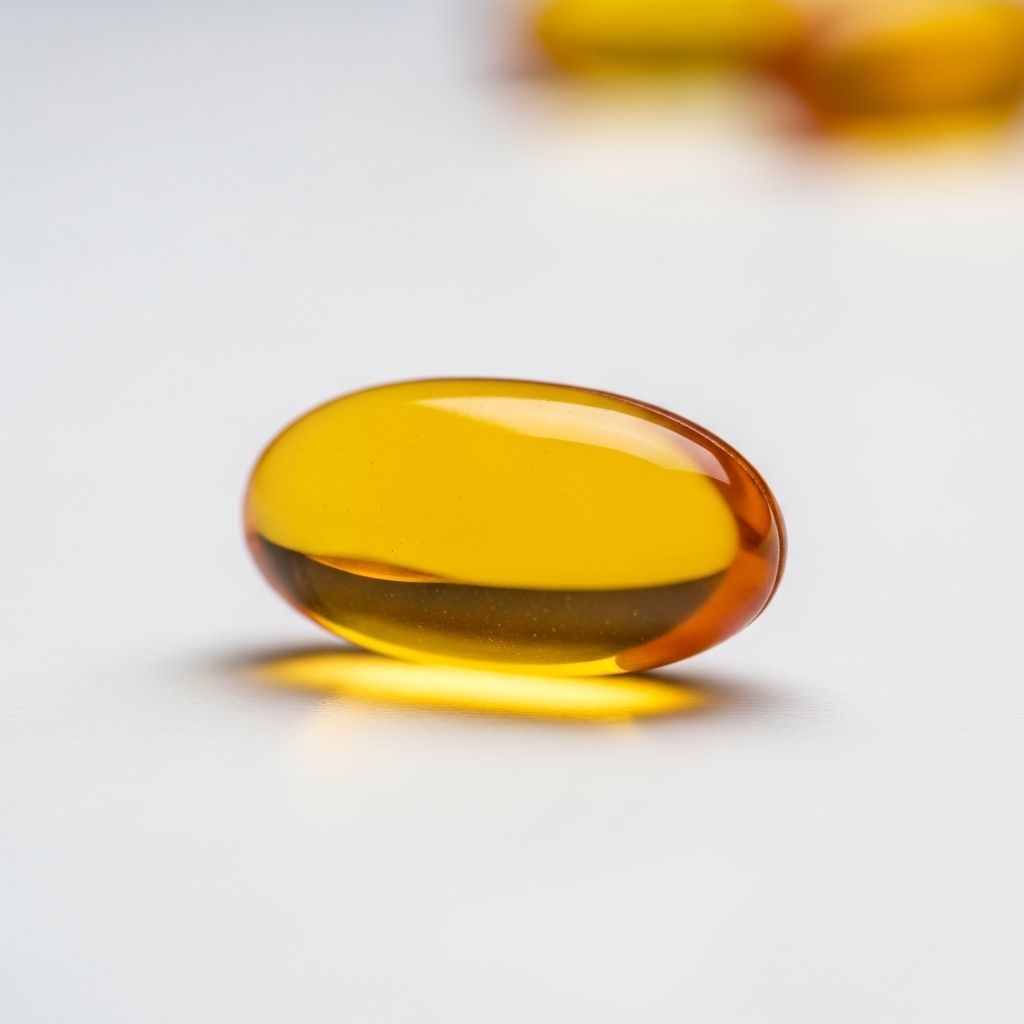
Vitamin E capsules are oral supplements designed to prevent and treat low levels of vitamin E in your body. Vitamin E is a fat-soluble vitamin and a powerful antioxidant that plays a crucial role in protecting your cells from damage caused by free radicals. Free radicals are harmful molecules that can damage your cells by stealing tiny parts from them, which over time can make your cells weaker and contribute to various health problems.
This essential nutrient is responsible for maintaining the health of your blood cells, brain, eyes, and skin. While most people can obtain adequate amounts of vitamin E through a balanced diet, some individuals may require supplementation due to certain medical conditions or dietary restrictions. Vitamin E capsules come under common brand names such as Alph-E-Mixed and are available over-the-counter at most pharmacies and health retailers.
Understanding Vitamin E as an Antioxidant
As an antioxidant, vitamin E serves as a protective shield for your body’s cells. Antioxidants work by neutralizing free radicals before they can cause oxidative damage to your cellular structures. This protective mechanism is fundamental to maintaining overall health and potentially reducing the risk of various chronic conditions. The vitamin’s ability to protect cells makes it valuable for maintaining organ function and supporting various bodily systems.
How to Take Vitamin E Capsules
Dosage Instructions
Taking vitamin E capsules correctly is essential for maximizing their benefits and minimizing potential risks. You should take this medication by mouth with a glass of water, following the directions on the package label. For best results, take this medication with food, as vitamin E is a fat-soluble vitamin and absorbs better when consumed with dietary fats.
It is important to take your medication at regular intervals as directed. Do not take your medication more often than directed, as this could lead to excessive intake. The recommended daily amount of vitamin E for adults is 15 milligrams per day. However, to avoid dangerous bleeding and other serious side effects, adults should not take more than 1,000 milligrams (mg) of vitamin E supplements.
If You Miss a Dose
If you miss a dose of vitamin E, take it as soon as you can. However, if it is almost time for your next scheduled dose, skip the missed dose and take only the next dose. Never take double or extra doses to make up for a missed dose, as this increases the risk of side effects and toxicity.
Important Precautions Before Taking Vitamin E
Before starting vitamin E supplementation, inform your healthcare provider if you have any of the following conditions, as special care may be needed:
- Conditions that interfere with fat absorption, such as celiac disease, Crohn’s disease, or ulcerative colitis
- History of heart disease or previous heart attack or stroke
- Bleeding disorders or history of blood clots
- Scheduled medical or dental procedures
- Liver disease or metabolic dysfunction
- Prostate cancer risk factors
- Current chemotherapy or radiation therapy
Related Stories



Additionally, if you are scheduled for any medical or dental procedure, inform your healthcare team that you are taking vitamin E. You may need to stop taking it before the procedure to prevent complications.
Drug Interactions and Medications to Avoid
Vitamin E can interact with various medications and supplements, potentially reducing their effectiveness or increasing the risk of side effects. It is critical to provide your healthcare provider with a complete list of all medicines, herbs, non-prescription drugs, and dietary supplements you use.
You should avoid taking vitamin E supplements if you are taking:
- Blood-thinning medications, such as warfarin (Coumadin) or aspirin
- Statins and niacin (cholesterol-lowering medicines)
- Cytochrome P450 3A4 substrates, including omeprazole (Prilosec, Zegerid OTC)
- Other anticoagulant or antiplatelet medications
It is also best to not take vitamin E supplements if you are undergoing chemotherapy or radiation therapy, as the dosage may interfere with the effectiveness of cancer treatments. Additionally, inform your healthcare provider if you smoke, drink alcohol, or use illegal drugs, as these can affect how vitamin E works in your body.
Vitamin E and a Balanced Diet
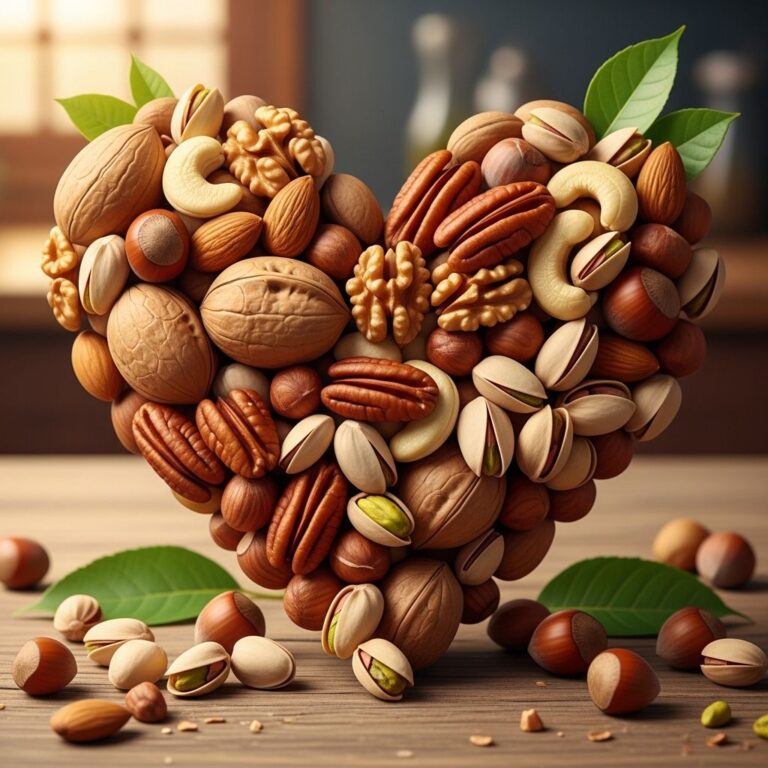
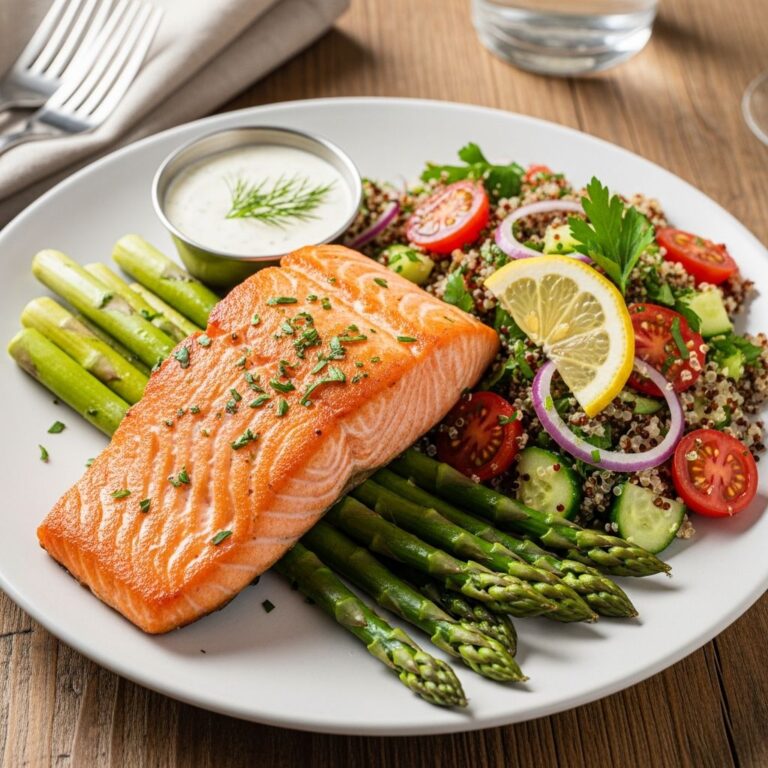
While vitamin E supplements can help address deficiency, they should not replace a balanced diet. Following a good diet is essential for overall health and wellness. Many foods naturally contain vitamin E, including:
- Vegetable oils, such as canola and olive oil
- Nuts and seeds
- Cereal grains and wheat germ oil
- Fruits and green leafy vegetables
- Meats and dairy products
- Fortified cereals
For most individuals, consuming a variety of these foods provides sufficient vitamin E without the need for supplementation. It is nearly impossible to get dangerously high doses of vitamin E through food alone, making dietary sources a safer option for maintaining adequate levels.
Side Effects of Vitamin E Capsules
Serious Side Effects
While vitamin E is generally well-tolerated, serious side effects can occur, particularly at high doses. You should report the following side effects to your healthcare team as soon as possible:
- Brain bleeds or signs of bleeding in the brain
- Excessive bleeding or bruising
- Allergic reactions, including rash or hives
- Severe headaches or dizziness
- Chest pain or difficulty breathing
- Increased risk of heart failure or stroke
- Vision changes or eye problems
Common Side Effects
Side effects that usually do not require medical attention but should be reported to your healthcare team if they continue or are bothersome include:
- Mild nausea or stomach upset
- Headache
- Fatigue or weakness
- Diarrhea or constipation
- Muscle weakness
Safety Concerns and Overdose
Too much vitamin E can be unsafe for your health. The upper limit for vitamin E supplementation has been established to protect against serious adverse effects. To avoid dangerous bleeding and brain bleeds, adults should not take more than 1,000 milligrams (mg) of vitamin E supplements daily.
If your supplement lists vitamin E in international units (IU) rather than milligrams, the conversion is important:
- For natural vitamin E (d-alpha-tocopherol): 1,000 mg equals approximately 1,500 IU
- For synthetic vitamin E (dl-alpha-tocopherol): 1,000 mg equals approximately 1,100 IU
If you think you have taken too much vitamin E, contact a poison control center or emergency room at once. Overdosage can lead to serious complications, including bleeding disorders and neurological damage.
Special Considerations for Specific Populations
Use in Children
Talk to your healthcare team about the use of vitamin E medication in children. Special care may be needed for pediatric patients, as the safety and appropriate dosing for children differ from adults. Keep vitamin E capsules out of the reach of children to prevent accidental overdose.
Important Note on Personal Use
This medicine is only for you. Do not share this medicine with others, even if they have similar symptoms or conditions. Sharing prescription or over-the-counter vitamin E supplements can be dangerous, as individual health needs and contraindications vary significantly.
When Most People Don’t Need Vitamin E Supplements
Healthcare professionals note that most people get enough vitamin E from a balanced diet, making supplementation unnecessary for the general population. The recommended daily allowance (RDA) for vitamin E is significantly lower than the amount found in most supplements available on the market.
Research has shown that vitamin E supplements have not been proven to prevent cancer, despite some historical claims. If you want to lower your risk of cancer, eating a variety of whole foods rich in vitamin E and other antioxidants is your best approach rather than relying on supplements.
Who May Benefit From Vitamin E Supplements
While most people don’t need vitamin E supplements, certain individuals may benefit from them. People who have conditions that interfere with fat absorption can sometimes be deficient in vitamin E. If you have a condition that affects your intestines, such as celiac disease, Crohn’s disease, or ulcerative colitis, talk to your healthcare provider about whether a vitamin E supplement is appropriate for you.
Additionally, some research suggests that high-dose vitamin E might slow mild to moderate Alzheimer’s disease progression. If you’ve been diagnosed with this condition, consult your healthcare provider about whether vitamin E therapy might help slow the worsening of the disease.
Potential Health Benefits of Vitamin E
Eye Health
Vitamin E has a protective effect on the cells in your eyes. Getting enough of this nutrient could lower your risk of age-related macular degeneration (AMD) and cataracts. Too little vitamin E can cause damage to the retina, called retinopathy, which can cause vision loss.
Blood Clot Prevention
Vitamin E is a natural blood thinner that may help prevent the formation of blood clots that could cause a heart attack. However, you should not start taking vitamin E supplements instead of prescribed blood-thinning medications. Research has not confirmed that vitamin E supplements are a safe way to lower your risk of clots, and this nutrient can interact dangerously with blood-thinning medications.
Immune System Support
Research shows that vitamin E is one of the most effective nutrients for your immune function. That’s because it helps keep your T-cells working at peak performance, which are essential components of your body’s immune response system.
Frequently Asked Questions
Q: Can I take vitamin E supplements for cancer prevention?
A: No. Vitamin E supplements have not been shown to prevent cancer. In fact, taking vitamin E by mouth might raise the risk of prostate cancer. If you want to lower your cancer risk, focus on eating a variety of whole foods rich in vitamin E and other antioxidants instead of relying on supplements.
Q: Is it safe to take vitamin E if I’m on blood thinners?
A: No. You should avoid taking vitamin E supplements if you are taking blood-thinning medications such as warfarin or aspirin, as the combination can increase the risk of dangerous bleeding. Always inform your healthcare provider about all medications and supplements you are taking.
Q: What are the signs of vitamin E toxicity?
A: Serious signs of vitamin E toxicity include excessive bleeding or bruising, brain bleeds, severe headaches, chest pain, difficulty breathing, and vision changes. If you experience any of these symptoms, seek emergency medical attention immediately.
Q: Can I get too much vitamin E from food?
A: No. It is nearly impossible to get dangerously high doses of vitamin E through food alone. The concern regarding excessive vitamin E intake primarily focuses on taking supplements at high doses.
Q: Should I take vitamin E if I have been diagnosed with Alzheimer’s disease?
A: Some research suggests that high-dose vitamin E might slow mild to moderate Alzheimer’s disease progression. However, other studies don’t show this benefit. Consult your healthcare provider to determine if vitamin E therapy might be appropriate for your specific situation.
Q: What should I do if I miss a dose of vitamin E?
A: If you miss a dose, take it as soon as you can. However, if it is almost time for your next dose, skip the missed dose and take only the next one. Never take double or extra doses.
Q: Can children take vitamin E supplements?
A: Talk to your healthcare team about the use of vitamin E supplements in children. Special care may be needed for pediatric patients, and dosing requirements differ significantly from adults.
References
- Vitamin E Capsules: Uses & Side Effects — Cleveland Clinic. 2025. https://my.clevelandclinic.org/health/drugs/18794-vitamin-e-capsules-or-tablets
- Vitamin E: Uses and Benefits — Cleveland Clinic Health. 2025. https://health.clevelandclinic.org/vitamin-e
- Vitamin E — Mayo Clinic. 2024. https://www.mayoclinic.org/drugs-supplements-vitamin-e/art-20364144
- Vitamin E: Benefits & How Much You Need — Cleveland Clinic. 2025. https://my.clevelandclinic.org/health/drugs/vitamin-e
- The 7 Best Vitamins and Minerals for Your Immune System — Cleveland Clinic Health. 2025. https://health.clevelandclinic.org/vitamins-best-boosting-immunity
Similar Articles








Read full bio of Sneha Tete