Vitamin E Deficiency: Symptoms, Causes & Treatment
Learn about vitamin E deficiency, its symptoms, causes, and how to prevent and treat it effectively.
What Is Vitamin E Deficiency?
Vitamin E deficiency means your body does not have enough vitamin E to function properly. Vitamin E is a fat-soluble nutrient that acts as an antioxidant, protecting your cells from damage caused by free radicals. It also supports a healthy immune system and helps maintain the health of your red blood cells, white blood cells, and platelets.
Why Is Vitamin E Important?
Vitamin E plays several crucial roles in the body:
- Protects cells from oxidative stress and free radical damage.
- Supports immune system function.
- Maintains healthy vision, skin, and blood.
- Helps prevent nerve damage and supports proper muscle function.
Symptoms of Vitamin E Deficiency
Vitamin E deficiency symptoms mostly affect the nervous system. Common symptoms include:
- Muscle weakness
- Numbness or tingling in the arms and legs
- Fatigue
- Difficulty with coordination and body movement
- Vision problems
- Blindness (in severe cases)
Other less common symptoms may include:
- Increased susceptibility to infections
- Anemia (especially in children with cystic fibrosis)
- Impaired immune response
Causes of Vitamin E Deficiency
Vitamin E deficiency is rare in healthy individuals who eat a balanced diet. However, certain conditions and factors can increase the risk of deficiency:
- Fat absorption disorders: Conditions such as celiac disease, Crohn’s disease, ulcerative colitis, and short bowel syndrome can impair the body’s ability to absorb vitamin E.
- Genetic disorders: Rare genetic conditions like abetalipoproteinemia and ataxia with vitamin E deficiency (AVED) can lead to vitamin E deficiency.
- Low dietary intake: In countries with high rates of food insecurity, a lack of vitamin E in the diet is a common cause.
- Very low-fat diets: Since vitamin E is fat-soluble, a very low-fat diet can reduce its absorption.
Who Is at Risk?
While vitamin E deficiency is uncommon, certain groups are at higher risk:
- People with fat absorption disorders
- Individuals with genetic disorders affecting vitamin E metabolism
- Children with severe malnutrition
- Those following very low-fat diets
Diagnosis of Vitamin E Deficiency
Vitamin E deficiency is diagnosed through a combination of clinical symptoms and laboratory tests. Blood tests can measure the level of vitamin E in the body. A circulating α-tocopherol concentration below 12 μmol/L is often indicative of deficiency or inadequacy.
Treatment of Vitamin E Deficiency
Treatment for vitamin E deficiency typically involves supplementation with vitamin E. The dosage and form of supplementation depend on the severity of the deficiency and the underlying cause. In most cases, oral vitamin E supplements are effective. For individuals with fat absorption disorders, higher doses or intravenous supplementation may be necessary.
With proper treatment, symptoms of vitamin E deficiency usually improve quickly. However, if left untreated, the symptoms can worsen and become difficult to reverse, significantly affecting quality of life.
Prevention of Vitamin E Deficiency
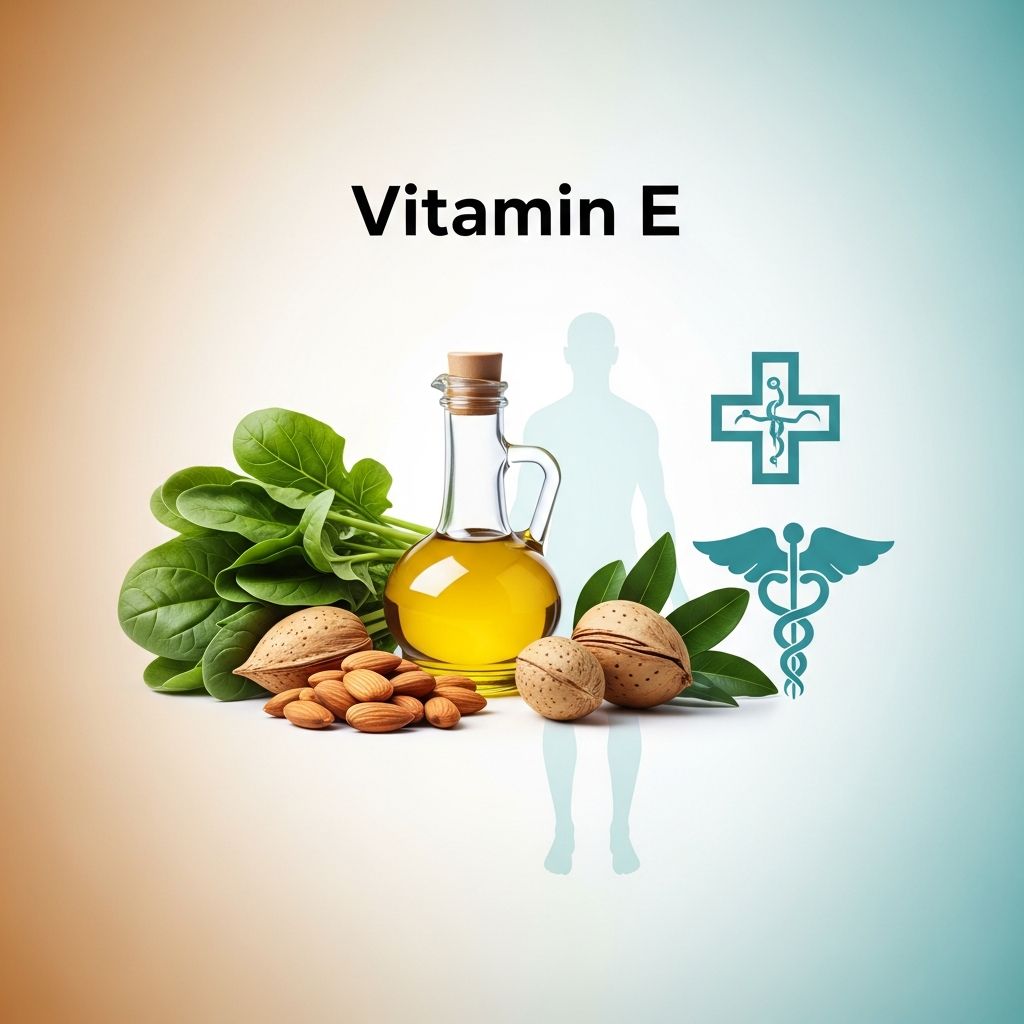
Most people can prevent vitamin E deficiency by eating a balanced diet rich in vitamin E. Foods high in vitamin E include:
- Nuts and seeds (almonds, sunflower seeds)
- Vegetable oils (sunflower, safflower, corn oil)
- Green leafy vegetables (spinach, broccoli)
- Fruits (mango, kiwi)
- Fortified cereals
For individuals with conditions that affect fat absorption, a healthcare provider may recommend vitamin E supplements.
When to See a Healthcare Provider
Related Stories



If you experience symptoms of vitamin E deficiency, such as muscle weakness, numbness, or vision problems, it is important to see a healthcare provider. Early diagnosis and treatment can prevent complications and improve outcomes.
Frequently Asked Questions (FAQs)
Q: What are the main symptoms of vitamin E deficiency?
A: The main symptoms include muscle weakness, numbness, fatigue, difficulty with coordination, vision problems, and in severe cases, blindness.
Q: Can vitamin E deficiency be reversed?
A: Yes, with proper treatment, symptoms of vitamin E deficiency can be reversed. However, if left untreated, the symptoms can become difficult to reverse.
Q: Who is most at risk for vitamin E deficiency?
A: People with fat absorption disorders, genetic disorders, severe malnutrition, or those following very low-fat diets are at higher risk.
Q: How is vitamin E deficiency diagnosed?
A: Vitamin E deficiency is diagnosed through clinical symptoms and blood tests that measure vitamin E levels.
Q: What foods are high in vitamin E?
A: Foods high in vitamin E include nuts, seeds, vegetable oils, green leafy vegetables, fruits, and fortified cereals.
References
- Vitamin E Inadequacy in Humans: Causes and Consequences — PMC. 2014. https://pmc.ncbi.nlm.nih.gov/articles/PMC4188222/
- Vitamin E Deficiency: Symptoms & Causes — Cleveland Clinic. 2025. https://my.clevelandclinic.org/health/diseases/vitamin-e-deficiency
- Vitamin E: Uses and Benefits — Health Cleveland Clinic. 2025. https://health.clevelandclinic.org/vitamin-e
Similar Articles








Read full bio of Sneha Tete