Vitamin K Benefits: 4 Key Ways It Supports Health
Discover the essential health benefits of vitamin K, from blood clotting and bone strength to potential heart protection and more.
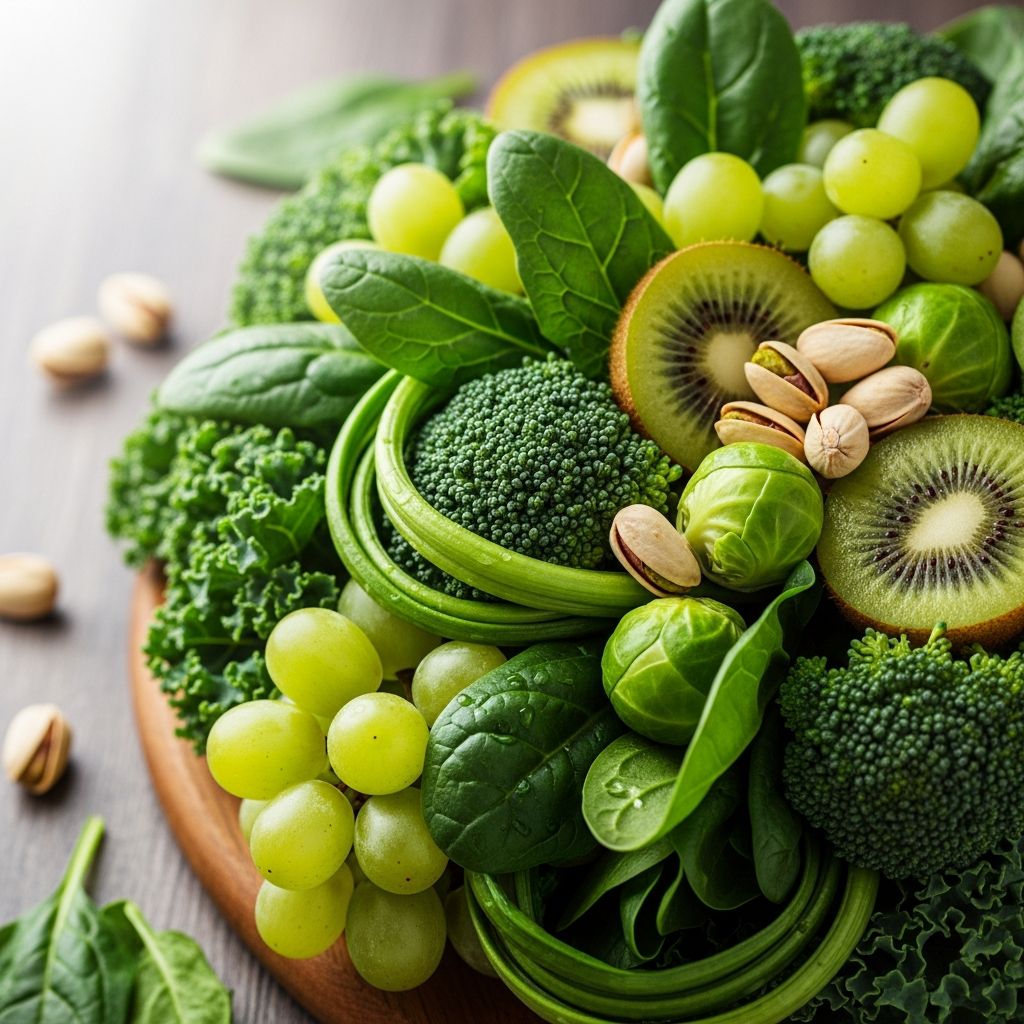
Vitamin K is a fat-soluble nutrient essential for blood clotting, bone metabolism, and potentially heart health. It exists primarily in two forms: K1 (phylloquinone) from plants and K2 (menaquinones) from animal products and fermented foods, supporting various proteins throughout the body including the liver, bones, and arteries.
What Is Vitamin K?
Vitamin K is vital for synthesizing proteins involved in coagulation and bone formation. It activates prothrombin for clotting and osteocalcin for bone mineralization. Found in the liver, brain, heart, pancreas, and bones, it metabolizes quickly and excretes via urine or stool, minimizing toxicity risks even at high intakes.
There are two main types: vitamin K1, abundant in leafy greens, and vitamin K2, produced by gut bacteria or sourced from fermented foods and meats. K2 subtypes like MK-4 and MK-7 have longer half-lives and higher bioavailability.
Blood Clotting
Vitamin K enables production of four clotting proteins (II, VII, IX, X) that prevent excessive bleeding from wounds. Deficiency prolongs prothrombin time (PT), increasing bruising, bleeding, or hemorrhage risks.
Those on anticoagulants like warfarin must maintain consistent vitamin K intake, as fluctuations can alter PT and medication efficacy. Healthcare providers often advise steady consumption of K-rich foods rather than avoidance.
Bone Health
Vitamin K carboxylates osteocalcin, anchoring calcium in bones to maintain density and strength. Higher intakes correlate with reduced hip fracture risk; the Nurses’ Health Study found women consuming ≥110 mcg/day had 30% lower hip fracture odds versus lower intakes.
The Framingham Heart Study linked high vitamin K to better bone mineral density (BMD) in women and lower fracture risk in both sexes. Observational data show low vitamin K levels associate with osteopenia and osteoporosis.
However, clinical trials yield mixed results. A meta-analysis of 80,982 participants found highest K1 intakes reduced fracture risk by 22%, strongest in long-term studies. Supplementation increased lumbar spine BMD by 1.27% but not always femoral neck BMD or fractures universally.
Vitamin K2 (MK-4, MK-7) shows promise; Japan approves MK-4 for osteoporosis. It regulates osteoblast transcription, suppresses resorption, and activates SXR for bone formation. A trial in osteopenic women found 5 mg/day K1 reduced vertebral fractures.
Heart Health
Vitamin K activates matrix Gla protein (MGP), inhibiting arterial calcification—a heart disease factor. Limited studies suggest benefits, but more research is needed to recommend intakes beyond standards.
Other Potential Benefits
Emerging evidence points to vitamin K2 improving insulin sensitivity, glucose levels, and lipid profiles. It may reduce inflammation, oxidative stress, and apoptosis in bones, with in vitro effects on osteoblast/osteoclast activity.
Vitamin K Foods
- Leafy greens: Kale (1 cup cooked: 1062 mcg K1), spinach (1 cup cooked: 889 mcg), collards (1 cup cooked: 836 mcg), Swiss chard (1 cup cooked: 573 mcg), parsley (1 sprig: 164 mcg).
- Other vegetables: Broccoli (1 cup cooked: 220 mcg), Brussels sprouts (1 cup cooked: 219 mcg), cabbage (1 cup cooked: 136 mcg).
- Vitamin K2 sources: Natto (fermented soy: high MK-7), cheese, egg yolks, liver, meat.
Related Stories



A daily serving of greens like lettuce halves hip fracture risk compared to weekly intake.
How Much Vitamin K Do You Need?
Adequate Intakes (AIs) as no RDA exists:
| Age/Group | Males (mcg/day) | Females (mcg/day) | Pregnant (mcg/day) | Lactating (mcg/day) |
|---|---|---|---|---|
| 0-6 months | 2.0 | 2.0 | – | – |
| 7-12 months | 2.5 | 2.5 | – | – |
| 1-3 years | 30 | 30 | – | – |
| 4-8 years | 55 | 55 | – | – |
| 9-13 years | 60 | 60 | – | – |
| 14-18 years | 75 | 75 | 75 | 75 |
| 19+ years | 120 | 90 | 90 | 90 |
Most diets exceed these via greens. Upper limits unset due to low toxicity.
Vitamin K Deficiency
Rare in healthy adults, but risks include malabsorption, antibiotics disrupting gut bacteria, or prolonged warfarin use. Newborns receive injections to prevent hemorrhagic disease.
Symptoms: easy bruising, bleeding gums, nosebleeds, blood in urine/stool, heavy periods. Low levels link to low BMD.
- Prolonged PT
- Bleeding/hemorrhaging
- Osteopenia/osteoporosis
Vitamin K Supplements
Available as K1, MK-4, MK-7. K2 may offer superior bone/heart benefits due to longer activity. Doses: 45-360 mcg K1; 1.5-45 mg MK-4; 100-200 mcg MK-7. Rare side effects: minor GI/skin issues.
Not for everyone; consult doctors on warfarin. Trials support bone benefits but not conclusively for fractures.
Who Should Take Vitamin K?
- Osteoporosis/osteopenia risk: Postmenopausal women, elderly.
- Anticoagulant users: Consistent intake advised.
- Malabsorption: Celiac, IBD, bariatric patients.
- Low dietary greens: Vegans/vegetarians may need monitoring.
Combine with calcium/D for bones.
Bottom Line
Vitamin K is indispensable for clotting and bones, with promising heart roles. Eat greens daily; supplement judiciously under guidance, especially with medications. Observational benefits outpace some trials, warranting more research.
Frequently Asked Questions (FAQs)
Is vitamin K in multivitamins?
Some include it, but amounts vary. Check labels; greens often suffice.
Does vitamin K interact with medications?
Yes, counteracts warfarin. Maintain steady intake; inform providers.
Can you get too much vitamin K?
Unlikely; no UL due to rapid clearance. Rare GI issues from high-dose K2.
Is vitamin K good for bones?
Yes, activates osteocalcin; higher intakes link to fewer fractures, better BMD.
What’s the best source of vitamin K?
Leafy greens for K1; natto/cheese for K2. Daily greens optimal.
References
- Vitamin K – The Nutrition Source — Harvard T.H. Chan School of Public Health. 2023-10-15. https://nutritionsource.hsph.harvard.edu/vitamin-k/
- Vitamin K and Bone Health: A Review on the Effects of Vitamin K on Bone Health — National Institutes of Health (PMC). 2019-10-10. https://pmc.ncbi.nlm.nih.gov/articles/PMC6955144/
- Vitamin K — MedlinePlus (U.S. National Library of Medicine). 2024-05-01. https://medlineplus.gov/ency/article/002407.htm
Similar Articles








Read full bio of Sneha Tete