Vitamin K2 Benefits: A Dietitian’s Science-Backed Guide
What a dietitian says about this under-the-radar nutrient for bone, heart and overall health.
What a dietitian says about this under-the-radar nutrient for bone, heart and overall health.
Vitamin K2, a lesser-known form of vitamin K, plays a crucial role in directing calcium to the right places in the body, supporting bone strength, cardiovascular health, dental integrity, and metabolic function. Unlike vitamin K1, which primarily aids blood clotting, K2 activates proteins like osteocalcin and matrix GLA protein to bind calcium to bones and teeth while preventing arterial calcification.
What Is Vitamin K2?
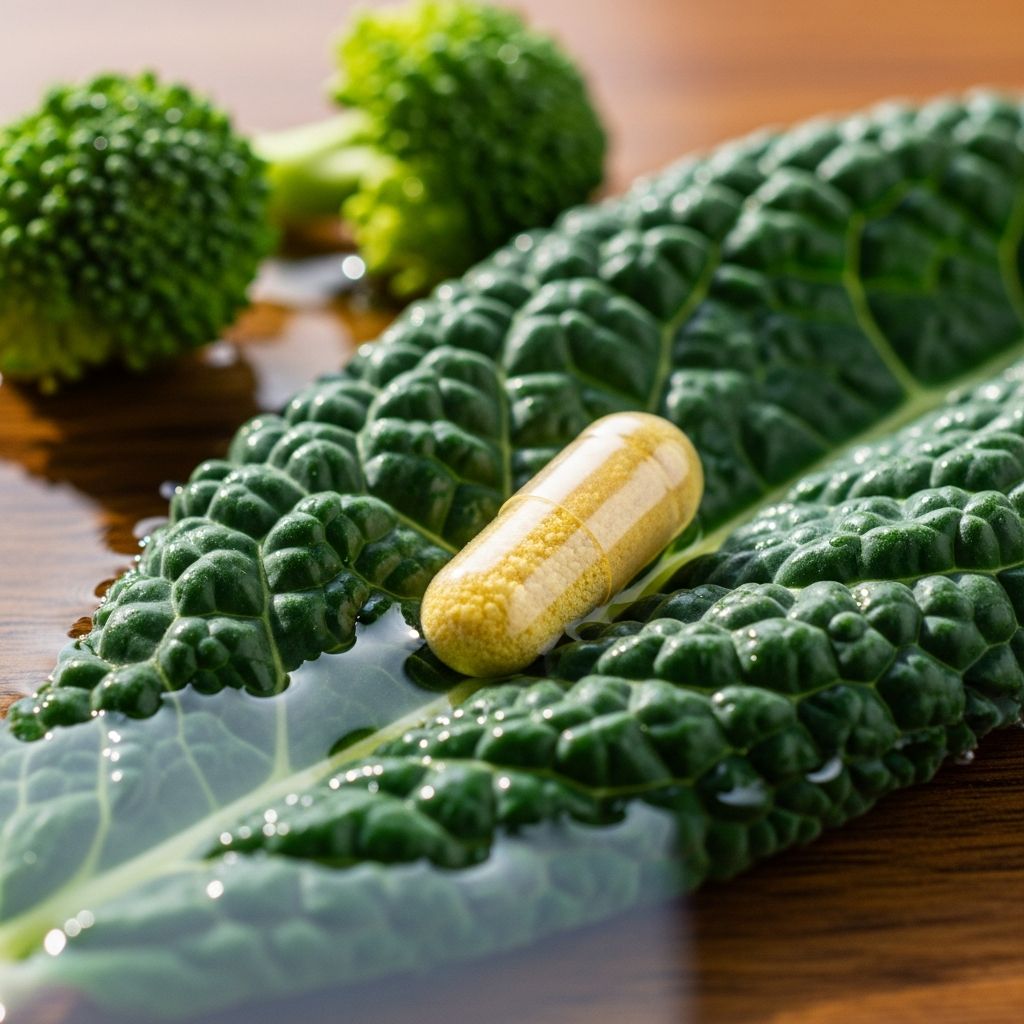
Vitamin K exists in two main forms: K1 (phylloquinone), found in leafy greens, and K2 (menaquinone), produced by bacteria during fermentation or synthesized by gut microbes from K1. K2 subtypes include MK-4 from animal products and longer-chain MK-7 from fermented soy like natto. K2 excels at regulating calcium metabolism, shuttling it away from arteries and soft tissues toward bones and teeth, addressing the ‘calcium paradox’ where high calcium intake strengthens bones but risks heart disease without K2.
Research highlights K2’s superior bioavailability; MK-7 remains active in the body longer than MK-4 or K1. A 2019 study in the International Journal of Molecular Sciences notes K2’s roles in nutrient assimilation, growth, fertility, brain function, and skeletal health.
Vitamin K2 Benefits
K2 offers multifaceted health advantages, backed by clinical studies and meta-analyses.
Supports Bone Health
Vitamin K2 activates osteocalcin, a protein that integrates calcium into bone matrix, enhancing mineralization and density. A 2022 meta-analysis of 16 studies with 6,425 postmenopausal women showed K2 supplements improved bone mineralization and strength, reducing osteoporosis risk. Another 2015 meta-analysis confirmed K2 maintains vertebral bone mineral density and prevents fractures in osteoporotic women.
Clinical trials demonstrate 180 mcg daily MK-7 increases bone mineral density and prevents loss in postmenopausal women, while 45 mcg MK-7 over two years boosts density in children aged 6-10. Animal and human studies link K2 to reduced bone loss rates, increased mass, and lower hip/vertebral fracture risks in older adults.
Promotes Cardiovascular Health
By activating matrix GLA protein, K2 inhibits calcium deposits in arteries, reducing stiffness and atherosclerosis. A study found men with highest K2 intake had 51% lower heart disease mortality and 26% lower all-cause mortality. Women consuming 10 mcg more K2 daily saw 9% reduced cardiovascular event risk.
A 9-year trial of 4,800 people linked daily K2 to lower coronary heart disease, all-cause mortality, and severe aortic calcification. Intake of at least 32 mcg/day cut artery-related heart death risk by 50%. A 2017 study reported 12% higher cardiac output with K2, improving function via mitochondrial ATP production.
Supports Dental Health
K2 directs calcium to teeth, maintaining enamel and jawbone connection. Deficiency leads to brittle teeth, enamel loss, and poor healing. Like bones, teeth benefit from osteocalcin activation for mineralization.
Enhances Metabolic Health
K2 regulates insulin sensitivity and glucose metabolism via osteocalcin and anti-inflammatory pathways, potentially lowering type 2 diabetes risk.
Other Potential Benefits
Emerging research suggests K2 reduces certain cancer risks, like prostate, through metabolic stress and autophagy in cancer cells. It may prevent kidney stones by averting calcium buildup and support brain function.
How Much Vitamin K2 Do You Need?
No official Recommended Dietary Allowance (RDA) exists solely for K2; total vitamin K RDA is 90 mcg for women and 120 mcg for men daily. Studies show benefits from 32-180 mcg K2, especially MK-7. Postmenopausal women benefit from 180 mcg MK-7; general heart/bone support from 100-200 mcg.
Related Stories



Aim for food sources first, as they provide synergistic nutrients. Supplements may help if diet lacks fermented/animal products, but consult professionals, especially on blood thinners.
Food Sources of Vitamin K2
Top sources include fermented and animal foods:
- Natto (fermented soy): Highest at 1,000 mcg/100g MK-7.
- Cheese (esp. Gouda, Jarlsberg): 50-75 mcg/100g MK-8/MK-9.
- Egg yolks: 15-30 mcg/100g MK-4.
- Beef liver: 10-20 mcg/100g.
- Dark chicken meat: 10-15 mcg/100g.
- Butter from grass-fed cows: 15 mcg/100g.
Raw, full-fat fermented dairy maximizes benefits over processed forms.
Vitamin K2 Deficiency
Common in Western diets low in fermented foods, leading to undercarboxylated proteins and risks like osteoporosis, fractures, arterial calcification, tooth decay, kidney stones, diabetes, and hormonal issues. Symptoms include easy bruising, bleeding, bone loss. Low K2 plus vitamin D heightens kidney disease risk.
Populations with natto intake show lower deficiency and better outcomes.
Vitamin K2 Supplements
MK-7 supplements (45-180 mcg) show strong evidence for bone density and arterial health. MK-4 used in Japan for osteoporosis. Pair with vitamin D for synergy. Safe for most, but warfarin users monitor intake as K antagonizes it.
Choose third-party tested products. Food sources preferred for bioavailability.
Bottom Line
Incorporate K2-rich foods like natto, cheese, and organ meats for optimal bone, heart, and metabolic health. Supplements fill gaps, supported by studies showing reduced disease risks. Prioritize diet for comprehensive benefits.
Frequently Asked Questions (FAQs)
What is the main difference between vitamin K1 and K2?
Vitamin K1 supports blood clotting; K2 regulates calcium for bones, heart, and teeth.
Can vitamin K2 supplements help with osteoporosis?
Yes, studies show improved bone density and fracture reduction, especially in postmenopausal women.
Is vitamin K2 safe with blood thinners?
Consult a doctor; consistent intake matters more than amount for warfarin users.
What are the best food sources for vitamin K2?
Natto, aged cheeses, egg yolks, liver, and grass-fed butter.
How much vitamin K2 should I take daily?
90-120 mcg total K; 100-180 mcg K2 for benefits per research.
References
- Top Foods High in Vitamin K2: The Ultimate Guide — Athens Lab. 2023. https://athenslab.gr/en/blog/nutrition/top-foods-high-in-vitamin-k2-the-ultimate-guide
- Vitamin K2 Foods, Benefits, Dosage and Deficiency — DrAxe.com. 2023. https://draxe.com/nutrition/vitamin-k2/
- Everything You Need to Know About Vitamin K2 — Healthline. 2023. https://www.healthline.com/nutrition/vitamin-k2
- Vitamin K2 Benefits a Dietitian Wants You to Know — Prevention. 2024-10-21. https://www.prevention.com/food-nutrition/a69545414/vitamin-k2-benefit/
- Vitamin K2: the complete guide — Lesaffre. 2023. https://www.lesaffre.com/trends-mag/vitamin-k2-a-super-vitamin-with-lifelong-benefits/
- What To Know About Vitamin K2 and Its Health Benefits — Cleveland Clinic. 2023. https://health.clevelandclinic.org/vitamin-k2
- Vitamin K2: Benefits, Sources, Risks, Supplements, and More — Healthgrades. 2023. https://resources.healthgrades.com/right-care/food-nutrition-and-diet/vitamin-k2
Similar Articles








Read full bio of medha deb