Vitamin Needs Of Athletes: Complete Guide For Peak Performance
Discover essential vitamins and minerals that support athletic performance, recovery, and overall health for optimal training results.
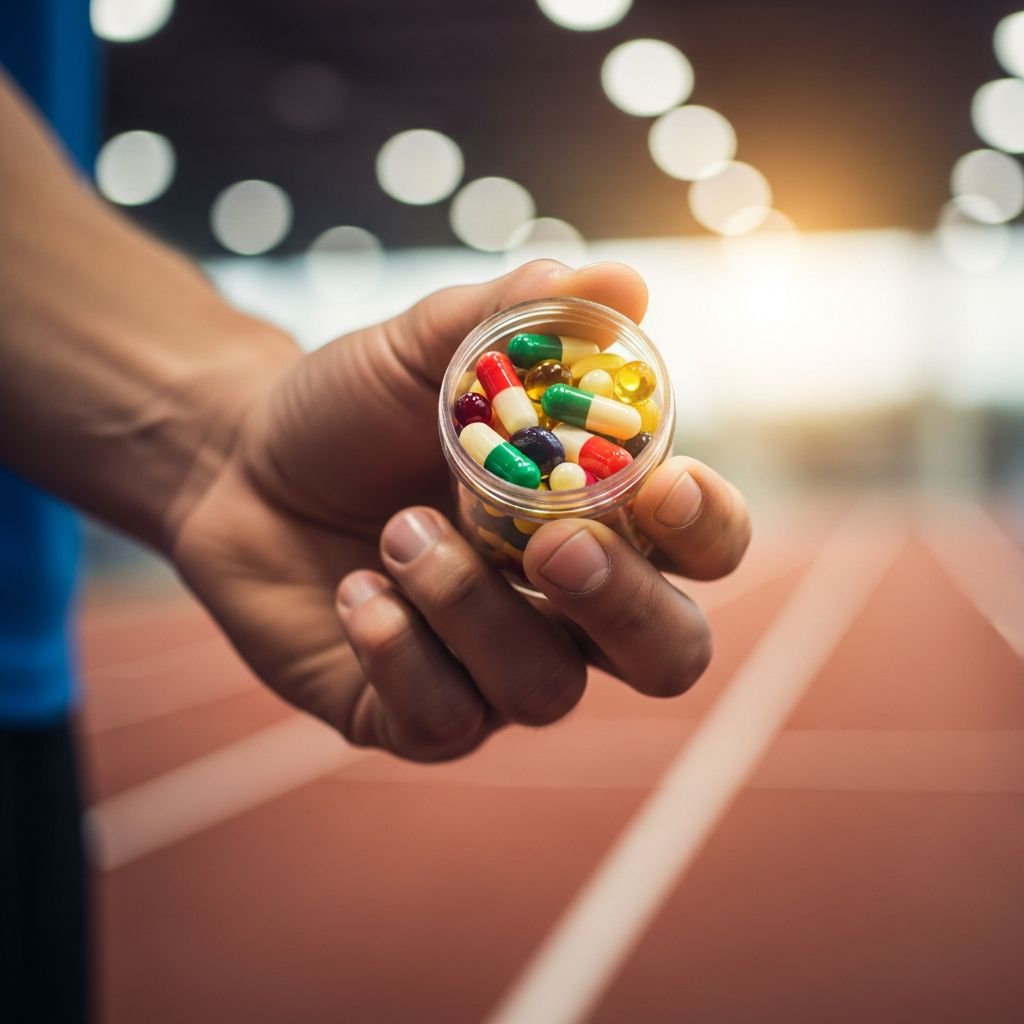
Athletes often have heightened nutritional demands due to intense training, which stresses muscles, bones, and metabolic pathways. While a balanced diet should provide most needs, certain vitamins and minerals are critical for performance, recovery, and health. This article examines key nutrients frequently supplemented or emphasized in athletic diets, focusing on food sources to avoid risks associated with excess intake.
Niacin
**Niacin**, also known as vitamin B3, plays a vital role in energy metabolism by helping convert food into usable fuel. Athletes may consider it for performance enhancement, but both deficiency and excess can cause serious side effects like diarrhea, rashes, dementia, or liver damage. Experts strongly recommend obtaining niacin from food rather than supplements to stay within safe limits.
Good dietary sources include:
- Poultry (chicken, turkey)
- Peanuts and nuts
- Fish (tuna, salmon)
- Brown rice
- Enriched grains and cereals
Intense exercise increases B-vitamin needs, including niacin, as they support carbohydrate, fat, and protein breakdown for energy. Research indicates athletes training at high volumes benefit from consistent intake to prevent fatigue and support endurance.
Vitamin B6
**Vitamin B6** (pyridoxine) is involved in nearly 100 metabolic pathways, essential for breaking down carbohydrates, proteins, and fats into energy. It also aids neurotransmitter production and hemoglobin formation, crucial for oxygen transport during workouts. Athletes on restricted diets or with high protein intake may need more, but food sources are preferred.
Rich sources are:
- Poultry
- Pistachios
- Chickpeas and lentils
- Pork
- Bananas
- Tuna
B vitamins like B6 are water-soluble and not stored long-term, so daily intake is key. Deficiencies can lead to fatigue, anemia, and poor recovery, particularly in endurance athletes.
Iron
**Iron** is vital for oxygen transportation in the blood via hemoglobin and myoglobin. Insufficient iron causes fatigue, reduced endurance, and impaired performance, as exercise increases losses through sweat, urine, and foot-strike hemolysis in runners. Female athletes, vegetarians, and endurance sports participants are at higher risk.
Top food sources include:
- Oysters
- Fortified breakfast cereals
- Beef and red meat
- Beans and lentils
- Spinach and dark leafy greens
Pair plant-based iron with vitamin C for better absorption. Regular screening is advised, especially if symptoms like persistent tiredness appear.
Vitamin A
**Vitamin A** supports vision, immune function, and acts as an antioxidant, potentially reducing exercise-induced oxidative stress. While beneficial, excess from supplements can be toxic, causing nausea, dizziness, or liver issues. Athletes should consult providers before supplementing and prioritize beta-carotene-rich foods, which convert safely.
Excellent sources:
- Sweet potatoes
- Carrots
- Pumpkin
- Collard greens
- Spinach
- Ricotta cheese
Vitamin A aids tissue repair and immune health, important for athletes facing frequent training stress.
Bone Health
High-impact sports like running, jumping, and acrobatics stress bones and joints, increasing fracture risk.
Vitamin D
andcalcium
are cornerstone nutrients for bone density, muscle function, and injury prevention.Related Stories



Vitamin D
**Vitamin D** regulates calcium absorption, supports muscle function, and bolsters immunity. Sunlight synthesis varies by location, season, skin color, and coverage, leading to widespread deficiencies in athletes—over 50% in some studies. Low levels link to reduced VO2 max, poor recovery, and higher infection risk.
Doses of 1000-2000 IU/day may correct deficiencies without toxicity. Food sources:
- Fortified milk and soymilk
- Cod-liver oil
- Fatty fish (salmon, mackerel)
- UV-exposed mushrooms
Test levels annually, especially in winter or indoor athletes.
Calcium
**Calcium** builds bone health, aids nerve signaling, muscle contraction, and hormone release. Athletes in weight-bearing sports need ample amounts to counter training stress.
Key sources:
- Milk and dairy (cheese, yogurt)
- Fortified 100% fruit juices and soymilk
- Collard greens
- Almonds and tofu
Combine with vitamin D and K2 for optimal absorption and bone mineralization.
Additional Considerations for Athletes
Beyond these,
B vitamins
(including B12 and folate) support energy metabolism and red blood cell production. Female and vegan athletes risk B12 deficiency, impacting energy and recovery.Vitamin C
combats oxidative stress, aids collagen for tendons/ligaments, and enhances iron uptake—daily intake is ideal as it’s water-soluble.Vitamin E
protects cells during heavy training.A varied diet with fruits, vegetables, lean proteins, and whole grains meets most needs. Multivitamins can fill gaps but aren’t performance enhancers. Hydration and macronutrients remain foundational.
| Vitamin/Mineral | Primary Role | Top Food Sources |
|---|---|---|
| Niacin (B3) | Energy metabolism | Poultry, peanuts, fish |
| Vitamin B6 | Protein/fat breakdown | Chickpeas, bananas, tuna |
| Iron | Oxygen transport | Beef, spinach, oysters |
| Vitamin A | Antioxidant, vision | Sweet potato, carrots |
| Vitamin D | Bone/muscle health | Fatty fish, fortified milk |
| Calcium | Bone strength | Milk, greens, fortified juice |
Frequently Asked Questions (FAQs)
Should athletes take vitamin supplements?
Most needs are met through diet, but test for deficiencies in vitamin D, iron, or others. Supplements complement, not replace, food.
How much vitamin D do athletes need?
1000-2000 IU/day is a common starting point for deficiency correction; consult a professional for blood tests.
Are female athletes at higher risk for iron deficiency?
Yes, due to menstruation, higher training loads, and lower intake in some diets.
Can excess vitamins harm performance?
Yes, fat-soluble vitamins like A and D can be toxic; niacin excess causes side effects.
What role does vitamin C play for athletes?
It supports immunity, collagen, and iron absorption, depleted faster during exercise.
References
- Essential Vitamins for Athletes to Increase Performance — Nutrition X. 2023. https://www.nutritionx.co.uk/nutrition-hub/nutrition/essential-vitamins-for-athletes-to-increase-performance/
- Vitamin Needs of Athletes — Academy of Nutrition and Dietetics. 2023-10-01. https://www.eatright.org/fitness/sports-and-athletic-performance/advanced/vitamin-needs-of-athletes
- Vitamins and Supplements For Athletes — NASM Blog. 2024. https://blog.nasm.org/vitamins-supplements-for-athletes
- Dietary Supplements for Exercise and Athletic Performance — NIH Office of Dietary Supplements (.gov). 2025-01-15. https://ods.od.nih.gov/factsheets/ExerciseAndAthleticPerformance-HealthProfessional/
- Sports and Nutrition: What Athletes Need to Know — Mass General Brigham. 2024. https://www.massgeneralbrigham.org/en/about/newsroom/articles/sports-and-nutrition
- Essential Nutrients for Athletes: A Nutrition Counselor’s Guide — Adrenaline Sports Therapy. 2023. https://adrenalinespt.com/nutrition-for-athletes/
Similar Articles








Read full bio of medha deb