Vitamins And AMD Protection: 5 Key Nutrients In AREDS2
Discover how specific vitamin formulas may slow age-related macular degeneration and protect your vision based on clinical evidence.
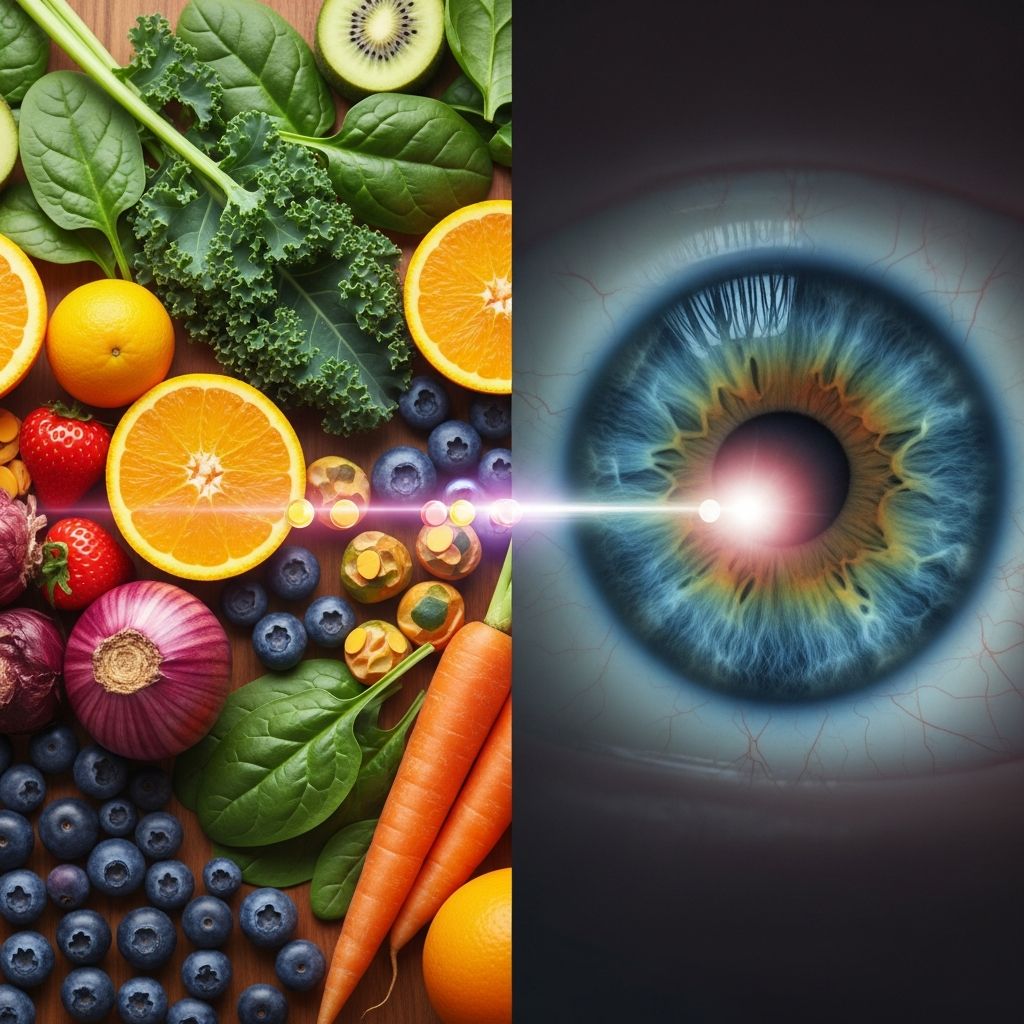
Age-related macular degeneration (AMD) stands as a primary reason for vision impairment in older adults, but targeted vitamin supplementation has demonstrated potential to reduce its advancement in certain cases. High-quality studies reveal that specific combinations, notably the AREDS2 formula, can lower the risk of severe vision loss by approximately 25% among those with intermediate AMD.
Understanding Age-Related Macular Degeneration
AMD impacts the macula, the central region of the retina accountable for sharp, detailed vision needed for activities like reading and driving. It progresses in two forms: dry AMD, which involves drusen buildup and retinal thinning, and wet AMD, characterized by abnormal blood vessel growth beneath the retina leading to leakage and scarring. Risk factors encompass advancing age, family history, smoking, and oxidative stress from light exposure and poor nutrition. Early detection via comprehensive eye exams remains crucial, as symptoms like distorted central vision or blind spots may emerge subtly.
The Breakthrough of AREDS Research
The Age-Related Eye Disease Study (AREDS), conducted by the National Eye Institute, established the foundation for nutritional intervention in AMD. Launched in 1992, this landmark trial tested high-dose antioxidants and minerals. Findings indicated a 25% decrease in progression to advanced AMD for participants with intermediate disease or advanced in one eye. The original formula comprised 500 mg vitamin C, 400 IU vitamin E, 15 mg beta-carotene, 80 mg zinc oxide, and 2 mg cupric oxide daily.
Building on this, AREDS2 addressed safety issues, particularly lung cancer risks from beta-carotene in smokers, by substituting it with 10 mg lutein and 2 mg zeaxanthin—carotenoids abundant in the macula. This refined formula proved equally effective without the hazards, confirming lutein and zeaxanthin as superior antioxidants for retinal protection.
Key Components of the AREDS2 Formula
The AREDS2 formulation targets oxidative damage, a key driver of AMD pathology. Here’s a breakdown:
- Vitamin C (500 mg): A water-soluble antioxidant that regenerates other antioxidants and supports collagen in blood vessels.
- Vitamin E (400 IU): A fat-soluble protector of cell membranes, particularly vulnerable retinal cells.
- Lutein (10 mg) and Zeaxanthin (2 mg): Macular pigments that filter harmful blue light and neutralize free radicals.
- Zinc (80 mg as zinc oxide): Essential for retinal enzyme function; higher intake correlates with slower AMD progression.
- Copper (2 mg as cupric oxide): Prevents zinc-induced copper deficiency.
These nutrients work synergistically, with bioavailability enhanced when taken with food containing fats.
Who Benefits from AMD Supplements?
Not everyone requires AREDS2 supplements. They prove most beneficial for individuals with intermediate AMD in one or both eyes, or advanced AMD in one eye. Those with early AMD or no disease derive minimal advantage and face potential risks from excessive intake. Ophthalmologists recommend formulations only after dilated eye exams confirm eligibility. Self-prescribing healthy individuals may encounter adverse effects without proportional gains.
| AMD Stage | Recommended Action | Evidence Level |
|---|---|---|
| Early AMD | Dietary focus; monitor | Low benefit |
| Intermediate AMD | AREDS2 daily | High benefit (25% risk reduction) |
| Advanced in one eye | AREDS2; treat other eye | High benefit |
| No AMD | Balanced diet | No supplement need |
Related Stories



Dietary Sources Over Supplements
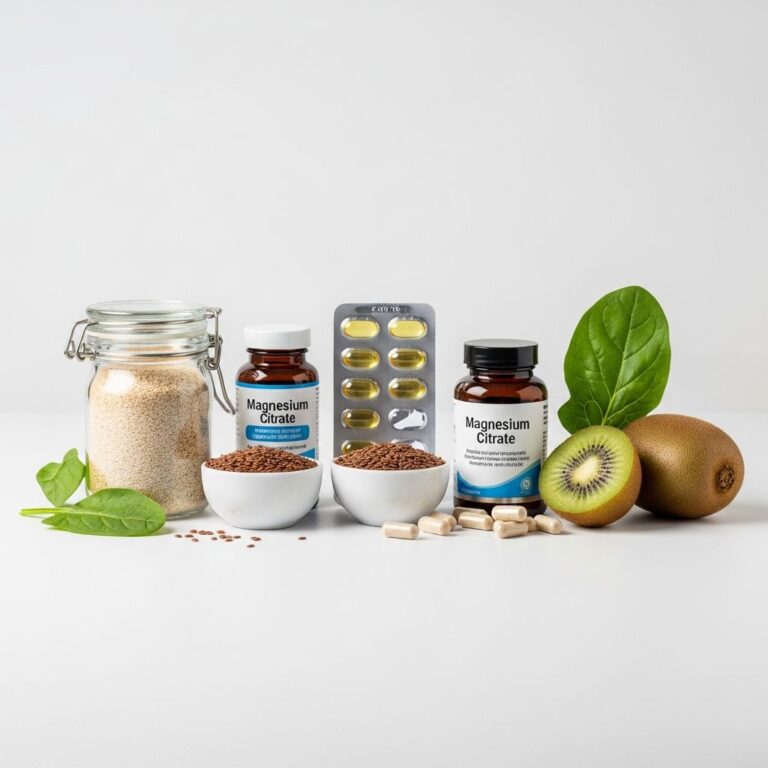
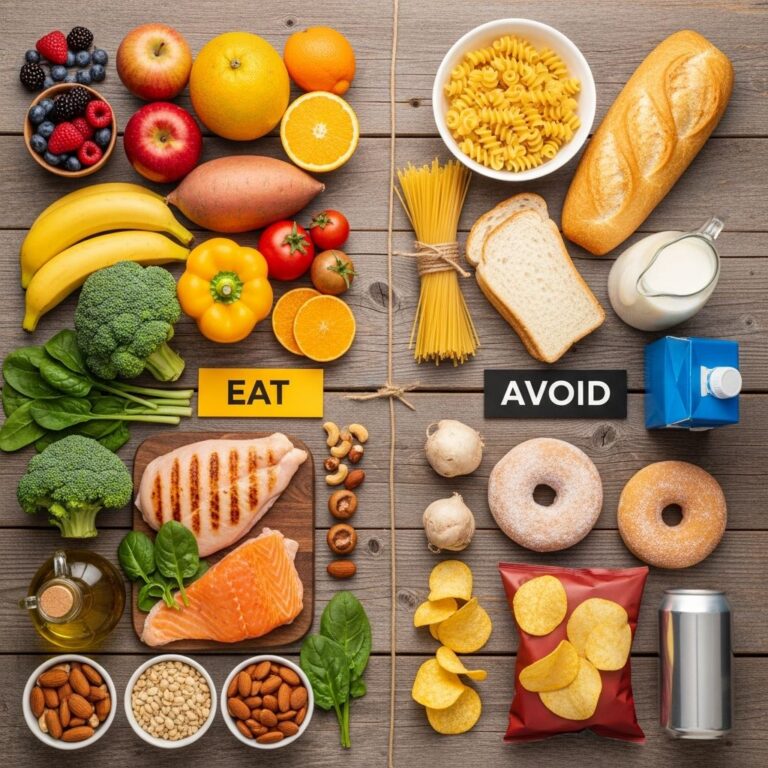
Whole foods often surpass pills for nutrient delivery due to synergistic compounds. Prioritize leafy greens like spinach and kale for lutein/zeaxanthin; citrus fruits and bell peppers for vitamin C; nuts, seeds, and vegetable oils for vitamin E; oysters, beef, and fortified cereals for zinc. A Mediterranean-style diet rich in fish, vegetables, and olive oil associates with 40% lower AMD risk. Aim for variety to meet needs without megadoses.
Potential Risks and Side Effects
High-dose supplements carry caveats. Beta-carotene elevates lung cancer odds in smokers by 18-28%; AREDS2 avoids this. Excessive zinc may cause nausea, urinary issues, or copper imbalance; vitamin E over 400 IU links to increased mortality in some meta-analyses. Interactions occur with warfarin (vitamin E) or antibiotics (zinc). Pregnant individuals or those with kidney disease should consult providers. Always source from USP-verified brands to ensure purity.
Latest Clinical Evidence and Updates
Post-AREDS2 trials affirm the formula’s efficacy. A 2023 review in peer-reviewed journals notes consistent risk reduction across diverse populations, though omega-3 fatty acids failed to add benefits. Emerging research explores higher lutein doses and genetic factors influencing response. Long-term data shows sustained protection over 10 years with adherence. However, supplements do not reverse damage or cure AMD; they complement laser therapy, injections, or lifestyle changes.
Lifestyle Strategies to Complement Vitamins
Supplements enhance, but do not replace, holistic approaches:
- Quit smoking to halve AMD risk.
- Wear UV-blocking sunglasses outdoors.
- Maintain healthy weight and blood pressure.
- Exercise regularly to improve circulation.
- Get annual eye exams post-50 or sooner with risks.
Combining these with nutrition yields optimal outcomes.
Common Myths About Eye Vitamins
Misconceptions abound. Multivitamins do not substitute AREDS2; their doses fall short. Vision insurance often covers approved formulas. Carrots provide beta-carotene but lack lutein potency. Supplements cannot fix genetic predispositions alone.
FAQs on Vitamins for AMD
What is the best vitamin formula for AMD?
AREDS2, prescribed for intermediate/advanced cases, outperforms generics.
Can I take AREDS2 if I smoke?
Yes, AREDS2 is safe for smokers unlike original AREDS.
How long until I notice benefits?
Protection builds over 5+ years; it’s preventive, not restorative.
Are there plant-based AREDS2 options?
Yes, vegan capsules exist without animal-derived components.
Do eye vitamins help dry eyes?
No direct evidence; omega-3s may aid more for that symptom.
Consult your eye doctor before starting any regimen to tailor to your health profile.
References
- Nutritional Deficiencies and Ophthalmologic Diseases — PMC/NCBI. 2022-12-01. https://pmc.ncbi.nlm.nih.gov/articles/PMC9710417/
- Vitamin Deficiency Anemia – Symptoms & Causes — Mayo Clinic. 2023-08-15. https://www.mayoclinic.org/diseases-conditions/vitamin-deficiency-anemia/symptoms-causes/syc-20355025
- Vitamin Deficiency: Signs, Symptoms, Diagnosis — Medical News Today. 2024-01-10. https://www.medicalnewstoday.com/articles/signs-of-vitamin-deficiency
- Vitamin Deficiency Types, Symptoms, Diagnosis — Cleveland Clinic. 2023-11-20. https://my.clevelandclinic.org/health/diseases/vitamin-deficiency
- 4 Common Vitamin and Mineral Deficiencies — UNC Health Talk. 2022-05-05. https://healthtalk.unchealthcare.org/4-common-vitamin-and-mineral-deficiencies-and-what-to-do-about-them/
Similar Articles








Read full bio of Sneha Tete