Vitamins For Hair Growth: 8 Essential Nutrients For Strong Hair
Discover the best vitamins and nutrients proven to support hair growth and combat hair loss effectively.
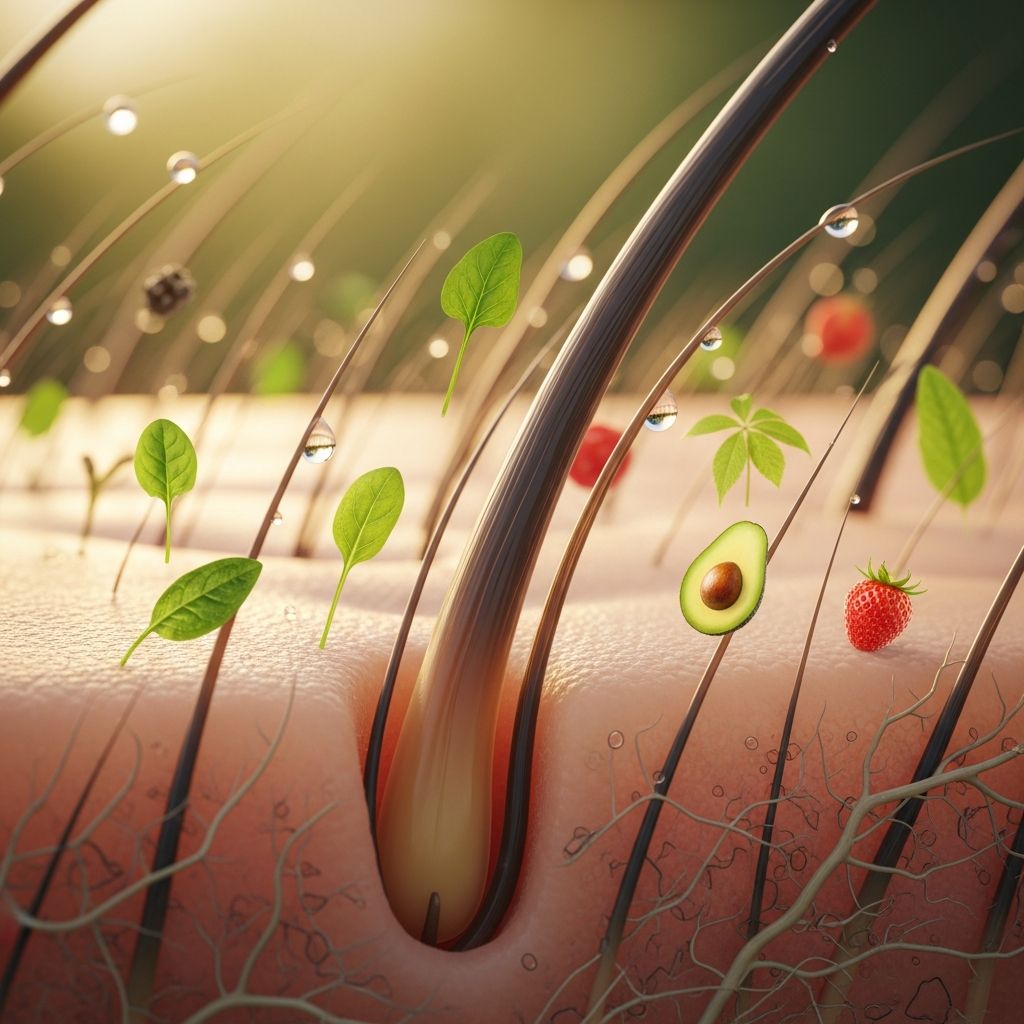
Hair growth relies on a complex interplay of nutrients, genetics, hormones, and overall health. While no single vitamin guarantees lush locks, certain deficiencies can trigger hair thinning or loss. This article examines key vitamins and minerals linked to hair health, drawing from scientific evidence on their roles, deficiency risks, food sources, and supplementation guidelines.
Maintaining a balanced diet typically provides sufficient nutrients for hair follicle function. However, conditions like restrictive dieting, malabsorption disorders, or increased demands (e.g., pregnancy) may necessitate targeted supplementation. Always consult a healthcare provider before starting supplements, as excess intake can paradoxically cause hair loss.
Key Vitamins and Minerals for Hair Health
Research highlights several nutrients essential for the hair growth cycle, which includes anagen (growth), catagen (transition), and telogen (resting) phases. Deficiencies disrupt this cycle, leading to conditions like telogen effluvium (diffuse shedding) or alopecia areata (patchy loss).
Biotin (Vitamin B7)
**Biotin** is a water-soluble B-vitamin crucial for keratin production, the primary protein in hair. Deficiency, though rare, manifests as brittle hair, alopecia, and skin rashes. Studies show biotin supplementation resolves hair loss in deficient individuals, such as an infant with patchy alopecia who improved after oral doses.
In isolated sheep hair follicles, biotin increased DNA concentration and protein synthesis, supporting its role in follicle proliferation. However, most people get adequate biotin from diet; over-supplementation offers no proven benefit for non-deficient individuals and may interfere with lab tests.
- Food sources: Eggs, nuts (almonds, peanuts), salmon, avocados, sweet potatoes.
- Recommended daily intake (RDI): 30 mcg for adults.
- Supplement caution: Doses above 10,000 mcg/day unproven for hair growth.
Vitamin D
Vitamin D receptors in hair follicles regulate the anagen phase. Low levels correlate with alopecia areata, female pattern hair loss, and telogen effluvium. Animal studies link vitamin D-dependent rickets to hair loss, while human data shows deficient patients benefit from supplementation.
Sun exposure, fortified foods, and fatty fish provide vitamin D. Deficiency is common in winter months or with limited sun exposure. Testing serum 25-hydroxyvitamin D levels guides supplementation; aim for 30-50 ng/mL.
- Food sources: Fatty fish (salmon, mackerel), egg yolks, mushrooms, fortified milk.
- RDI: 600-800 IU; up to 4,000 IU safe for most adults.
- Evidence level: Strong association with deficiency-related loss; supplementation aids recovery.
Iron
Iron deficiency is a leading cause of hair loss, especially in women. Ferritin (iron storage protein) below 40-70 ng/mL links to telogen effluvium. Iron delivers oxygen to follicles via hemoglobin; low levels shorten the growth phase.
Vegetarians, menstruating women, and those with gastrointestinal issues are at risk. Pair iron-rich foods with vitamin C for absorption; avoid tea/coffee near meals.
Related Stories



- Food sources: Red meat, spinach, lentils, quinoa, pumpkin seeds.
- RDI: 18 mg for women (8 mg men); supplements only if deficient.
- Caution: Excess iron toxic; monitor with blood tests.
Zinc
Zinc supports hair follicle recovery and immune function. Studies of 312 patients with alopecia areata, male/female pattern loss, or telogen effluvium found lower serum zinc vs. controls. Supplementation reversed loss in deficient alopecia areata cases.
However, benefits in non-deficient individuals are limited, and excess zinc causes toxicity (nausea, immune suppression). Vegans and those with gut disorders may need more.
- Food sources: Oysters, beef, chickpeas, cashews, yogurt.
- RDI: 8-11 mg; upper limit 40 mg.
- Evidence: Therapeutic in deficiency; monitor levels.
Vitamin C
As an antioxidant, vitamin C aids collagen synthesis for follicle structure and enhances iron absorption. Deficiency (scurvy) causes corkscrew hairs and loss. Topical and oral forms may reduce oxidative stress in pattern baldness.
- Food sources: Citrus fruits, bell peppers, strawberries, broccoli.
- RDI: 75-90 mg.
Vitamin E
Vitamin E’s antioxidant properties protect follicles from damage. A study of 21 volunteers taking 100 mg mixed tocotrienols daily showed increased hair count vs. placebo. Deficiency is rare but linked to dry scalp.
Excess (e.g., 600 IU/day) may harm hair growth and thyroid function.
- Food sources: Sunflower seeds, almonds, spinach, olive oil.
- RDI: 15 mg.
Vitamin A
Vitamin A regulates stem cell differentiation in follicles but excess causes telogen effluvium. Hypervitaminosis A from supplements links to diffuse loss. Deficiency rare in developed countries.
- Food sources: Carrots, sweet potatoes, liver (in moderation).
- Caution: Upper limit 3,000 mcg RAE/day.
Omega-3 Fatty Acids
These reduce inflammation and may inhibit 5α-reductase like finasteride. Topical safflower oil (high linoleic acid) grew hair in one deficiency case. Limited trial data on supplements.
- Food sources: Salmon, flaxseeds, walnuts, chia seeds.
Nutrient Deficiency vs. Over-Supplementation Risks
While deficiencies impair hair growth, over-supplementation harms. Excess selenium, vitamin A, and E directly link to loss. Popular hair supplements often contain these at risky doses. Physicians recommend testing before supplementing.
| Nutrient | Deficiency Effect on Hair | Excess Effect on Hair |
|---|---|---|
| Biotin | Alopecia, brittle hair | None proven |
| Vitamin D | Alopecia areata, thinning | Rare toxicity |
| Iron | Telogen effluvium | Toxicity unrelated to hair |
| Zinc | Reversible loss | Toxicity, potential loss |
| Vitamin A | Rare | Diffuse shedding |
| Vitamin E | Dry scalp | Hair loss at high doses |
How to Get These Nutrients
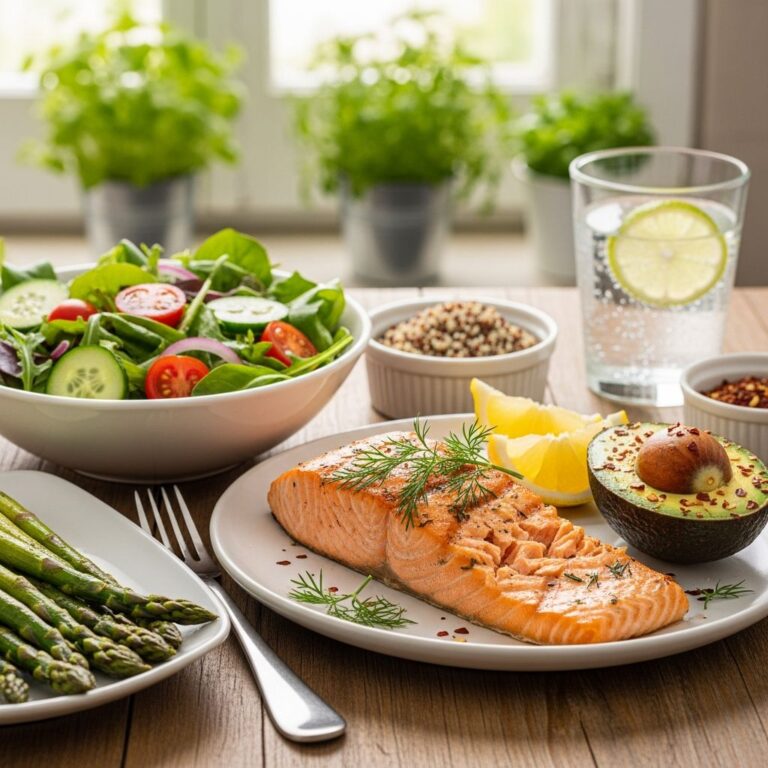
Prioritize whole foods:
- Protein-rich: Eggs, fish, lean meats for biotin, zinc, iron.
- Fruits/Veggies: For vitamins A, C, E.
- Fats: Nuts, seeds, fish for omegas, E.
Supplements: Multivitamins or targeted (e.g., iron + C) if deficient. Avoid “hair miracle” blends without evidence.
Who Benefits Most from Supplementation?
- Those with confirmed deficiencies via bloodwork.
- Pregnant/breastfeeding women.
- Vegans/vegetarians (B12, iron, zinc).
- Post-surgery or crash dieters.
Frequently Asked Questions (FAQs)
Can vitamins stop genetic hair loss?
Vitamins address deficiencies exacerbating pattern baldness but don’t alter genetics. Combine with minoxidil or finasteride if prescribed.
How long until supplements work?
3-6 months for noticeable regrowth, as hair grows ~0.5 inches/month.
Are gummy vitamins effective?
They provide lower doses; check labels for bioavailability.
Does stress cause nutrient deficiencies?
Chronic stress elevates cortisol, impairing absorption; manage with diet/sleep.
Should men take prenatal vitamins for hair?
No; excess iron unnecessary and risky for men.
Individual results vary. Persistent hair loss warrants dermatologist evaluation for underlying causes like thyroid issues or PCOS.
References
- Diet and hair loss: effects of nutrient deficiency and supplement use — Almohanna HM, Ahmed AA, Tsatalas MD, Tosti A. Dermatology and Therapy (PMC). 2019-01-19. https://pmc.ncbi.nlm.nih.gov/articles/PMC5315033/
- Vitamin D and the Pathogenesis of Alopecia Areata — Institute of Medicine (via NIH). 2023-08-15. https://ods.od.nih.gov/factsheets/VitaminD-HealthProfessional/
- Zinc in Human Health and Infectious Diseases — National Institutes of Health (NIH). 2024-05-10. https://ods.od.nih.gov/factsheets/Zinc-HealthProfessional/
- Iron Fact Sheet for Health Professionals — Office of Dietary Supplements, NIH. 2025-02-20. https://ods.od.nih.gov/factsheets/Iron-HealthProfessional/
- Biotin Overview — National Institutes of Health (NIH). 2024-11-05. https://ods.od.nih.gov/factsheets/Biotin-HealthProfessional/
Similar Articles








Read full bio of Sneha Tete