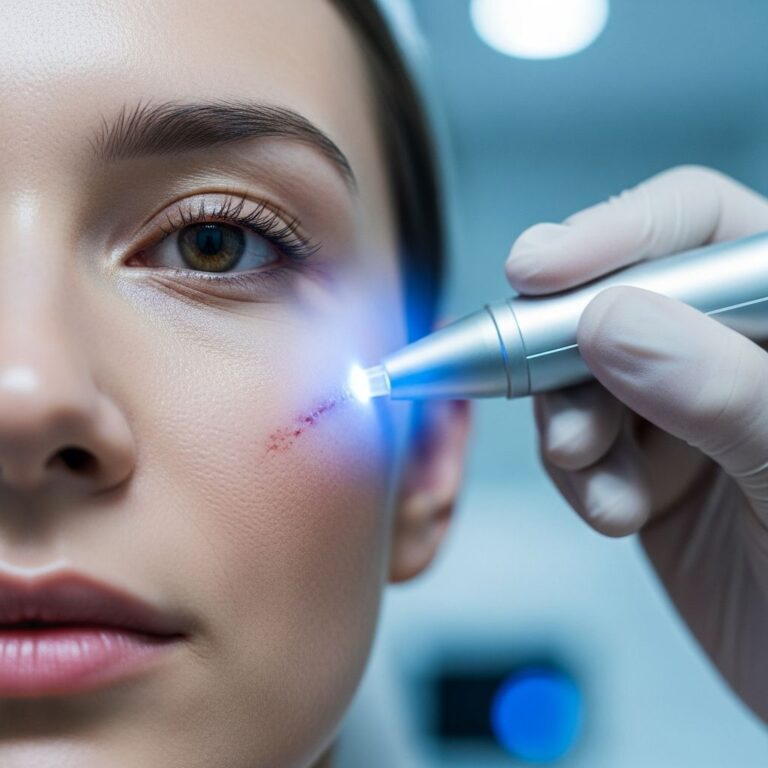
Vitamins Good For Your Skin: 14 Top Skin-Boosting Nutrients
Discover the best vitamins and nutrients that promote healthy, glowing skin from the inside out.
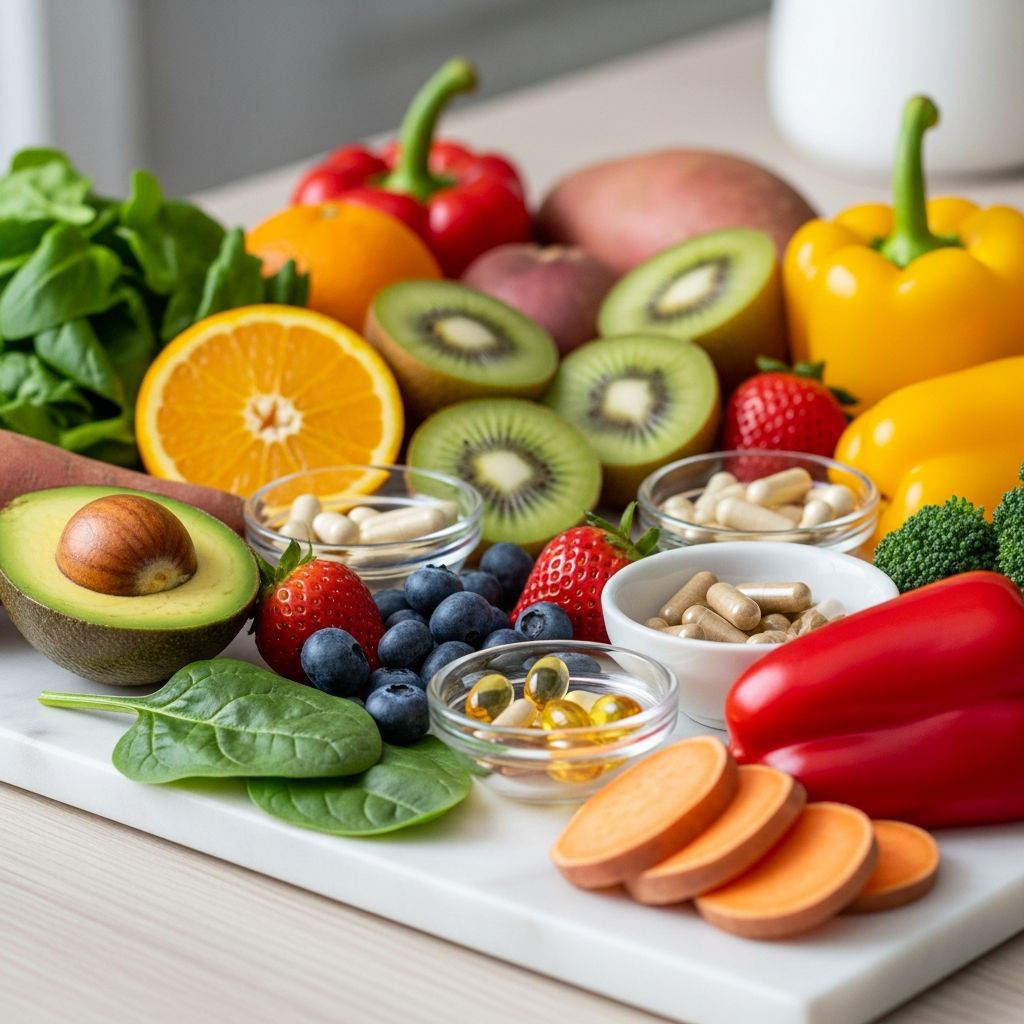
Your skin is your body’s largest organ, and nourishing it from within can make a significant difference in its appearance and health. Vitamins and key nutrients play crucial roles in collagen production, UV protection, wound healing, and combating signs of aging. This article explores the top vitamins good for your skin, backed by scientific insights, and how to incorporate them into your routine for optimal results.
How Vitamins Support Skin Health
Vitamins act as antioxidants, support cellular repair, and maintain the skin’s barrier function. For instance, normal healthy skin contains high concentrations of
vitamin C
(L-ascorbic acid), which aids in antioxidant defense against UV-induced photodamage and induces collagen biosynthesis, particularly types I and III that decline with age. Similarly, deficiencies in vitamins like A and D are linked to impaired immune responses and inflammatory skin conditions such as atopic dermatitis or psoriasis.Nutritional supplements can positively influence skin inflammatory diseases and provide photoprotective effects, potentially aiding during chemotherapy or preventing melanoma development. However, further research is needed on optimal doses. Incorporating these into your diet or as supplements can enhance skin elasticity, reduce wrinkles, and promote regeneration.
Vitamin A: The Skin Regenerator
**Vitamin A**, a lipid-soluble nutrient, is essential for modulating immune responses and maintaining epithelial tissue homeostasis through its metabolite, retinoic acid. This acid controls gene expression via skin receptors, supporting target genes for skin health. Deficiency increases susceptibility to skin infections and inflammation.
Vitamin A stimulates collagen fiber regeneration and cellular repair, making it ideal for mature skin showing early wrinkles, oily, or acne-prone skin due to its antibacterial and exfoliating properties. It’s available in creams, serums, and oral supplements with antioxidant effects that benefit skin, hair, and nails.
- Benefits: Improves elasticity, reduces acne, prevents infections.
- Sources: Liver, carrots, sweet potatoes, supplements.
- Caution: Excessive intake can cause toxicity; consult a doctor.
Vitamin C: Collagen Booster and UV Protector
**Vitamin C** is a powerhouse for skin, promoting collagen formation and providing antioxidant protection against UVA/UVB rays. It inhibits melanogenesis (pigmentation) and accelerates wound healing. Despite its benefits, it poorly penetrates the skin’s stratum corneum, so topical or stabilized forms like squalene vitamin C are more effective, increasing epidermal thickness and collagen III production.
Oral supplements support immunity but also maintain healthy skin through these properties. Studies show it enhances glycosaminoglycan production for better hydration and firmness.
- Key Roles: Photoprotection, anti-aging, brightening.
- Food Sources: Citrus fruits, bell peppers, strawberries.
- Daily Needs: 75-90 mg for adults; higher for skin benefits.
Vitamin D: Barrier Strengthener
**Vitamin D** works synergistically with others for skin health. In studies on atopic dermatitis, combining vitamins D and E showed significant improvements in SCORAD index scores after 60 days, outperforming individual use. It supports skin barrier stabilization and reduces inflammation.
- Benefits: Anti-inflammatory, improves eczema symptoms.
- Sources: Sunlight exposure, fatty fish, fortified foods, supplements.
Related Stories



Vitamin E: Photoprotective Antioxidant
**Vitamin E** offers antitumorigenic, photoprotective, and skin barrier-stabilizing properties. Paired with vitamin D, it yields the most improvement in skin conditions like atopic dermatitis. It neutralizes free radicals from UV exposure, preventing premature aging.
- Advantages: Heals wounds, reduces UV damage.
- Sources: Nuts, seeds, spinach, supplements.
Beyond Vitamins: Powerful Supplements for Skin
Other nutraceuticals show promising skin benefits.
Curcumin
Derived from turmeric, curcumin has potent anti-inflammatory and antioxidant effects, beneficial for psoriasis and wound healing.
Chlorella
This algae supports detoxification and improves skin hydration and elasticity.
Omega-3 Fatty Acids
Reduce inflammation, hydrate skin, and protect against sun damage. Found in fish oil.
Biotin
Strengthens skin, hair, and nails; combats dryness and brittleness.
Polypodium Leucotomos
Fern extract with strong UV-protective properties, used for photoprotection.
Simmondsia Chinensis (Jojoba)
Moisturizes and mimics skin’s natural oils.
Gamma Oryzanol
Rice bran derivative with antioxidant effects for anti-aging.
Olive Leaf Extract
Antimicrobial and anti-inflammatory for clearer skin.
Spirulina
Promotes fibroblast and keratinocyte proliferation, collagen formation, and anti-aging. Ideal for oily/acne-prone or mature skin.
Astaxanthin
Super-antioxidant from algae, excels in UV protection and wrinkle reduction.
| Supplement | Main Skin Benefit | Best For |
|---|---|---|
| Curcumin | Anti-inflammatory | Psoriasis, acne |
| Omega-3 | Hydration, anti-inflammatory | Dry skin, eczema |
| Spirulina | Collagen boost, anti-aging | Mature, acne-prone |
| Astaxanthin | UV protection | Photoaging |
Combining Vitamins for Maximum Effect
Synergistic pairs like vitamins C + E or D + E amplify benefits. For example, vitamin C enhances vitamin E’s photoprotection. A balanced approach with diet and supplements yields the best results. Always prioritize food sources before supplements.
Potential Risks and Dosage Guidelines
While beneficial, overdosing fat-soluble vitamins (A, D, E) can lead to toxicity. Water-soluble ones like C are safer but high doses may cause digestive issues. Consult healthcare providers, especially if pregnant or on medications.
- General Advice: Start low, monitor skin response.
- Testing: Blood tests for deficiencies.
Frequently Asked Questions (FAQs)
Which vitamin is best for glowing skin?
Vitamin C tops the list for collagen production and brightening, but combine with E for enhanced glow.
Can supplements replace a skincare routine?
No, they complement topical care; internal nutrition supports external efforts.
Are these vitamins safe for daily use?
Yes, at recommended doses from credible sources, but consult a doctor for personalized advice.
How long until I see skin improvements?
Typically 4-12 weeks with consistent use and diet.
Do vegans have access to these skin vitamins?
Yes, plant-based sources like spirulina, astaxanthin, and fortified foods abound.
Practical Tips for Skin-Nourishing Nutrition
- Eat a rainbow of fruits and veggies for diverse vitamins.
- Stay hydrated to aid nutrient absorption.
- Protect skin with sunscreen alongside oral antioxidants.
- Consider quality supplements from reputable brands.
By prioritizing these vitamins and supplements, you can achieve healthier, more resilient skin. Research continues to uncover optimal protocols, but current evidence supports their role in dermatological wellness.
References
- Nutritional Supplements for Skin Health—A Review of What Should Be Chosen? — Nutrients (PMC). 2024-01-28. https://pmc.ncbi.nlm.nih.gov/articles/PMC10820017/
- Vitamin C in dermatology. — Indian Dermatology Online Journal. 2013-04-01. https://pmc.ncbi.nlm.nih.gov/articles/PMC3673383/
- Vitamins and photoaging: do scientific data support their use? — PubMed (European Journal of Dermatology). 2010-10-22. https://pubmed.ncbi.nlm.nih.gov/20123589/
- Effects of Vitamin D on Atopic Dermatitis. — National Institutes of Health (PMC). 2023-05-15. https://pmc.ncbi.nlm.nih.gov/articles/PMC10222118/
- Antioxidant effects of topical vitamin E. — NIH (PubMed). 1999-01-01. https://pubmed.ncbi.nlm.nih.gov/10507590/
Similar Articles








Read full bio of medha deb