Vitamins, Minerals and Hair Loss: Is There a Connection?
Explore the scientific link between nutritional deficiencies and hair loss, and discover which vitamins and minerals matter most.
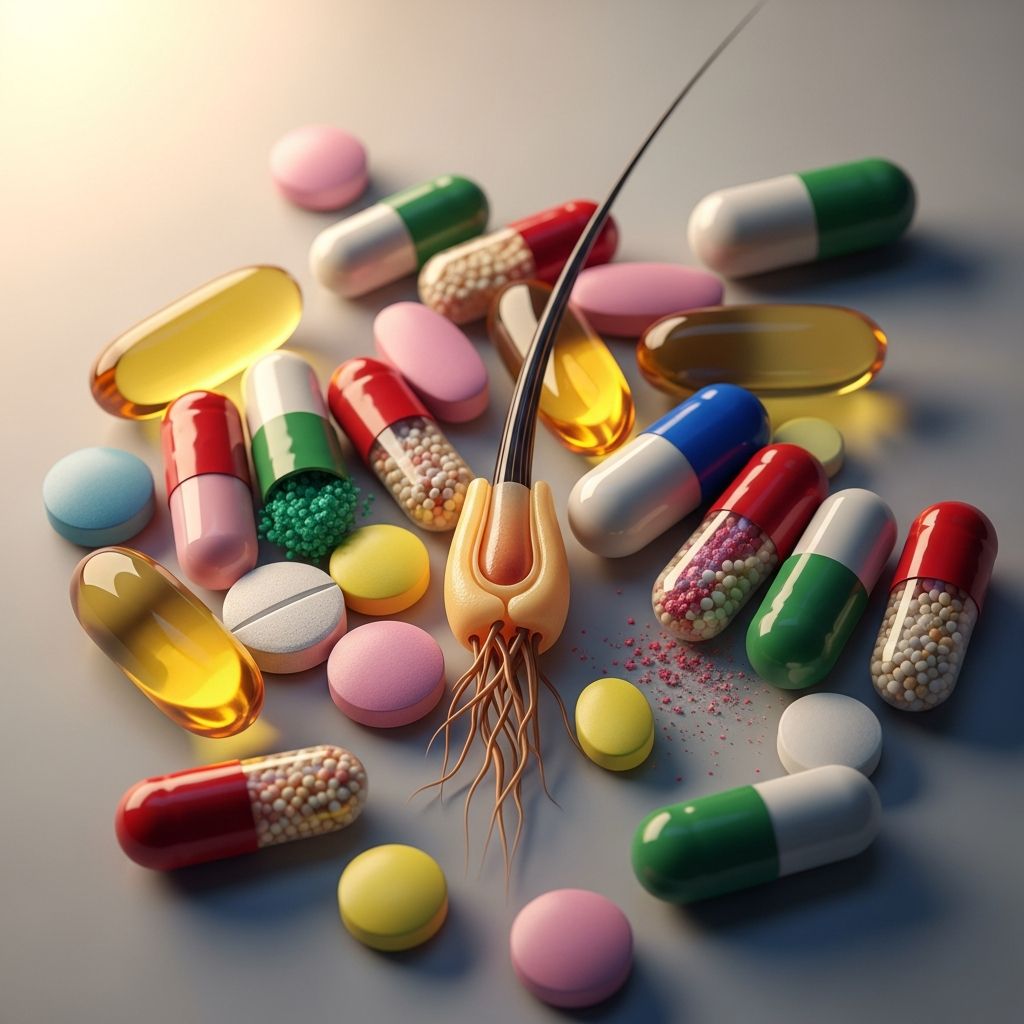
Hair loss affects millions of people worldwide and can result from various causes, including genetics, stress, medical conditions, and nutritional deficiencies. While many focus on external treatments and medications, an increasingly recognized factor in hair health is nutrition. Micronutrients—vitamins and minerals—play crucial roles in hair follicle development, growth cycles, and immune function. When these essential nutrients are lacking, hair loss may occur or worsen. Understanding the connection between specific vitamins, minerals, and hair loss can help individuals address one of the most modifiable risk factors associated with alopecia.
The Role of Micronutrients in Hair Growth
Hair is among the fastest-growing tissues in the human body, with hair follicles undergoing continuous cycles of growth, rest, and shedding. This rapid cellular turnover demands substantial nutritional support. Micronutrients serve as essential cofactors and coenzymes for the cellular processes that maintain healthy hair follicles. They support the proliferation of matrix cells in the follicle bulb, regulate immune responses that protect hair follicles, and facilitate the synthesis of structural proteins like collagen and keratin.
When micronutrient deficiencies occur, these fundamental processes become compromised. The result can manifest as various forms of hair loss, including telogen effluvium (sudden shedding), androgenetic alopecia (pattern hair loss), and alopecia areata (autoimmune-related hair loss). Research suggests that correcting nutritional deficiencies may represent a modifiable intervention for preventing and treating non-scarring alopecia, making it an important area of investigation for both patients and healthcare providers.
Key Vitamins and Hair Health
Vitamin A
Vitamin A is essential for sebum production, which maintains scalp health and conditions hair. It also plays a vital role in cell growth and differentiation within the hair follicle. However, balance is critical—excessive vitamin A can paradoxically trigger hair loss. The key is maintaining optimal levels through diet or supplementation under professional guidance. Foods rich in vitamin A include sweet potatoes, carrots, spinach, and kale, making it easy to obtain adequate amounts through a balanced diet.
B Vitamins
The B vitamin complex, including folate and vitamin B12, plays a fundamental role in nucleic acid production and cell division—processes essential for rapidly proliferating hair follicles. B vitamins support the production of red blood cells that carry oxygen to hair follicles, directly influencing hair growth and strength. Despite the theoretical importance of B vitamins in hair health, relatively few studies have directly examined the relationship between B vitamin deficiency and hair loss. However, individuals with documented B vitamin deficiencies, particularly vegetarians and vegans who may struggle to obtain B12 from dietary sources, often report improvements in hair loss after supplementation.
Vitamin C
Vitamin C, or ascorbic acid, functions as a potent antioxidant that protects cells from oxidative damage caused by free radicals. Beyond its antioxidant properties, vitamin C plays an indispensable role in collagen synthesis by facilitating the hydroxylation of lysine and proline—critical steps in forming stable collagen fibers that provide structural support to hair follicles. Equally important, vitamin C enhances iron absorption in the intestines through its chelating and reducing effects, helping mobilize dietary iron and facilitate its uptake. This connection makes vitamin C particularly valuable for individuals experiencing hair loss associated with iron deficiency. Citrus fruits, berries, bell peppers, and leafy greens are excellent dietary sources of this essential vitamin.
Related Stories



Vitamin D
Vitamin D deficiency has emerged as one of the most studied nutritional factors in hair loss research. Numerous studies have demonstrated correlations between low vitamin D levels and various forms of alopecia, particularly alopecia areata. Vitamin D receptors are present on hair follicles, suggesting direct effects on hair growth cycles. Additionally, vitamin D modulates immune responses, which is particularly relevant for autoimmune forms of hair loss. Some research indicates that vitamin D supplements or topical vitamin D analogues should be considered for patients with alopecia areata who also have vitamin D deficiency. However, the relationship between vitamin D and hair loss remains complex—some large prospective studies have found no significant association between dietary or supplemental vitamin D intake and the development of alopecia areata, indicating that while vitamin D deficiency may contribute to hair loss in some individuals, it is not a universal causative factor.
Vitamin E
Like vitamin C, vitamin E functions as an antioxidant, protecting hair follicles and scalp tissue from oxidative stress and free radical damage. It supports scalp circulation and promotes overall skin health, which translates to a healthier environment for hair growth. Vitamin E is found in nuts, seeds, vegetable oils, and leafy greens, making it accessible through most balanced diets. While direct evidence linking vitamin E deficiency specifically to hair loss is limited, its antioxidant properties make it a valuable component of comprehensive nutritional support for hair health.
Essential Minerals for Hair
Iron
Iron deficiency represents one of the most well-established nutritional causes of hair loss, particularly in women of reproductive age. Iron is essential for producing hemoglobin, which carries oxygen to hair follicles and all other tissues in the body. Without adequate oxygen delivery, hair follicles cannot function optimally, leading to increased shedding and slowed hair growth. Research has demonstrated that iron supplementation in individuals with documented iron deficiency can reverse hair loss and induce new hair growth. Women who experience heavy menstrual bleeding, follow vegetarian or vegan diets, or have conditions affecting iron absorption should be especially vigilant about maintaining adequate iron levels. Conversely, excessive iron supplementation in those without deficiency should be avoided, as iron accumulation can cause oxidative damage.
Zinc
Zinc is a trace mineral with multiple roles in hair health. It supports protein synthesis, immune function, and wound healing—all critical for maintaining healthy hair follicles. Studies have shown strong correlations between zinc deficiency (serum levels below 70 µg/dL) and hair loss, with some research indicating particularly strong associations with the severity and chronicity of alopecia areata. Zinc helps regulate sebaceous glands and supports the structural integrity of hair. However, conflicting research from different geographic regions suggests that while zinc deficiency can contribute to hair loss, the relationship is not universal across all populations. Shellfish, beef, legumes, and seeds are rich dietary sources of zinc.
Selenium
Selenium serves as a cofactor for selenoproteins, including glutathione peroxidase, which protects cells from oxidative damage. Additionally, selenium is essential for the proper functioning of the thyroid gland, which regulates metabolism and influences hair growth cycles. Thyroid disorders frequently cause hair loss, and adequate selenium ensures optimal thyroid function. Brazil nuts, fish, and whole grains are excellent sources of selenium, though care should be taken not to exceed recommended intake levels, as excess selenium can become toxic.
Copper
Copper plays a critical role in melanin synthesis—the pigment responsible for hair color—and in maintaining the structural integrity of hair through its involvement in collagen cross-linking. Low copper levels have been associated with premature graying of hair, potentially contributing more significantly to hair pigmentation loss than genetic factors alone in some cases. Additionally, copper deficiency can impair iron metabolism and absorption, indirectly affecting hair health through its effects on iron availability. Shellfish, nuts, seeds, and whole grains provide dietary copper.
Nutritional Factors Beyond Individual Nutrients
Overall Diet Quality
While individual vitamins and minerals matter, the overall quality of one’s diet significantly influences hair health. Research has shown that androgenetic alopecia is associated with higher dietary inflammatory index scores and lower antioxidant index scores. In contrast, antioxidant-rich diets that emphasize anti-inflammatory foods appear to protect against hair loss. Mediterranean-style diets, which emphasize vegetables, fruits, healthy fats, whole grains, and fish, have demonstrated beneficial effects on hair health. Foods that fight inflammation and support hair growth include fatty fish rich in omega-3 fatty acids, leafy greens, berries, nuts, and colorful vegetables packed with antioxidants.
Gut Health and Nutrient Absorption
Even with optimal nutritional intake, hair health depends on proper nutrient absorption. Gut microbiota balance plays a crucial role in nutrient absorption, hormone regulation, and inflammation control—all critical for promoting a thriving environment for hair follicles. Disruptions in gut microbiota can compromise the body’s natural ability to nourish and sustain healthy hair growth. Conditions affecting the gastrointestinal tract, such as celiac disease, inflammatory bowel disease, or dysbiosis, can impair nutrient absorption and contribute to hair loss even when dietary intake appears adequate. Supporting gut health through adequate fiber, fermented foods, and potentially probiotic supplementation may enhance nutrient bioavailability and support hair health.
Premature Graying and Nutritional Deficiency
Premature graying of hair, occurring before age 20 or 25 depending on ethnicity, may have less to do with genetics than commonly assumed. Research has identified associations between premature graying and deficiencies in several nutrients, particularly vitamin B12 and copper. Studies conducted in populations with high rates of premature graying have also identified roles for vitamin D3, calcium, and iron levels in hair pigmentation. While genetic factors certainly influence hair color and the aging process, nutritional status appears to modulate the expression of these genetic predispositions. For individuals experiencing unexpectedly early graying, assessing micronutrient status—particularly B12, copper, iron, and vitamin D—may reveal modifiable contributing factors.
Supplementation vs. Dietary Sources
The optimal approach to obtaining vitamins and minerals is through a well-balanced, nutrient-dense diet. Whole foods provide micronutrients in forms that are often more bioavailable than supplements, along with beneficial compounds like fiber and phytonutrients not present in isolated supplements. However, over the past six decades, there has been a documented decline in the nutritional quality of commonly consumed foods due to shifts in agricultural practices, soil depletion, and crop selection prioritizing yield over nutritional density. This reality means that meeting all nutritional needs through diet alone has become increasingly challenging for many individuals.
Supplements and vitamins can play an important role in filling nutritional gaps. When used strategically to address documented deficiencies, supplementation can support hair health and help reverse hair loss associated with micronutrient insufficiency. However, supplementation should ideally be guided by testing and professional assessment rather than undertaken haphazardly, as excessive intake of certain nutrients can cause adverse effects or interfere with the absorption of other nutrients.
The State of Research and Future Directions
While substantial evidence supports relationships between specific micronutrient deficiencies and hair loss, the research landscape remains incomplete. Many studies are limited by small sample sizes, geographic variations in populations studied, and lack of standardized definitions for micronutrient deficiency levels. Large double-blind placebo-controlled trials are required to definitively establish the effects of specific micronutrient supplementation on hair growth in individuals with both documented deficiency and non-scarring alopecia. Additionally, most research focuses on individual micronutrients in isolation, while in reality, nutrients work synergistically, and comprehensive nutritional assessment may be more relevant than testing for single nutrients.
Future research should address the complex interactions between multiple micronutrients, investigate the role of gut health and nutrient absorption in hair loss, explore how nutritional interventions might be optimized for different types of alopecia, and clarify the distinction between deficiency-induced hair loss and hair loss in individuals with adequate micronutrient status but other underlying causes.
Frequently Asked Questions
Q: Can vitamins and minerals alone stop all hair loss?
A: No. While nutritional deficiencies can cause or worsen hair loss, they are not the only cause. Hair loss can result from genetics, hormonal changes, medical conditions, medications, stress, and other factors. Addressing nutritional deficiencies is one component of a comprehensive approach to hair health, but may not completely resolve hair loss with other underlying causes.
Q: How long does it take to see improvement in hair loss after starting supplementation?
A: Since the hair growth cycle typically lasts several months, improvements in hair loss from nutritional supplementation usually require 3-6 months of consistent treatment. Hair growth is a slow process, and patience is essential when addressing nutrition-related hair loss.
Q: Should I get blood tests before starting vitamin supplements?
A: Yes, testing is advisable when possible. Blood tests can identify specific nutritional deficiencies, allowing for targeted supplementation. This approach is more effective and economical than taking broad-spectrum supplements without knowing whether deficiencies actually exist.
Q: Can taking too many supplements harm my hair?
A: Yes. Excessive intake of certain nutrients, particularly vitamin A, iron, and selenium, can be toxic and may actually trigger hair loss. More is not always better with supplements; aim for optimal levels rather than excessive amounts.
Q: Is it better to get nutrients from food or supplements?
A: Food is generally preferable when adequate intake is achievable, as whole foods provide micronutrients in highly bioavailable forms along with complementary compounds. However, given modern agricultural practices and individual dietary restrictions, supplements often play a necessary complementary role in meeting nutritional needs.
Q: Can vitamin D alone treat alopecia areata?
A: While vitamin D deficiency may contribute to alopecia areata in some individuals, vitamin D supplementation alone is unlikely to completely treat autoimmune alopecia areata. It may be a helpful component of comprehensive treatment, particularly for those with documented deficiency, but typically requires other medical interventions.
References
- The Role of Vitamins and Minerals in Hair Loss: A Review — National Center for Biotechnology Information (NCBI). 2019. https://pmc.ncbi.nlm.nih.gov/articles/PMC6380979/
- Micronutrient Deficiencies and Hair Loss — U.S. National Library of Medicine. Accessed December 2025. https://www.nlm.nih.gov/
- Nutritional Factors in Hair and Scalp Health — Harvard Health Publishing. Accessed December 2025. https://www.health.harvard.edu/
- The Role of Diet in Hair Loss and Premature Graying — PubMed Central. 2023. https://pubmed.ncbi.nlm.nih.gov/
- Selenium and Hair Health: Thyroid Function and Oxidative Stress — National Institutes of Health Office of Dietary Supplements. 2024. https://ods.od.nih.gov/
- Iron Deficiency and Hair Loss in Women — American Academy of Dermatology Association. Accessed December 2025. https://www.aad.org/
Similar Articles








Read full bio of Sneha Tete