Vitamins: What To Take And What To Skip, Evidence-Based
Expert guide to essential vitamins: Which supplements are worth taking and which ones you can safely skip for optimal health.
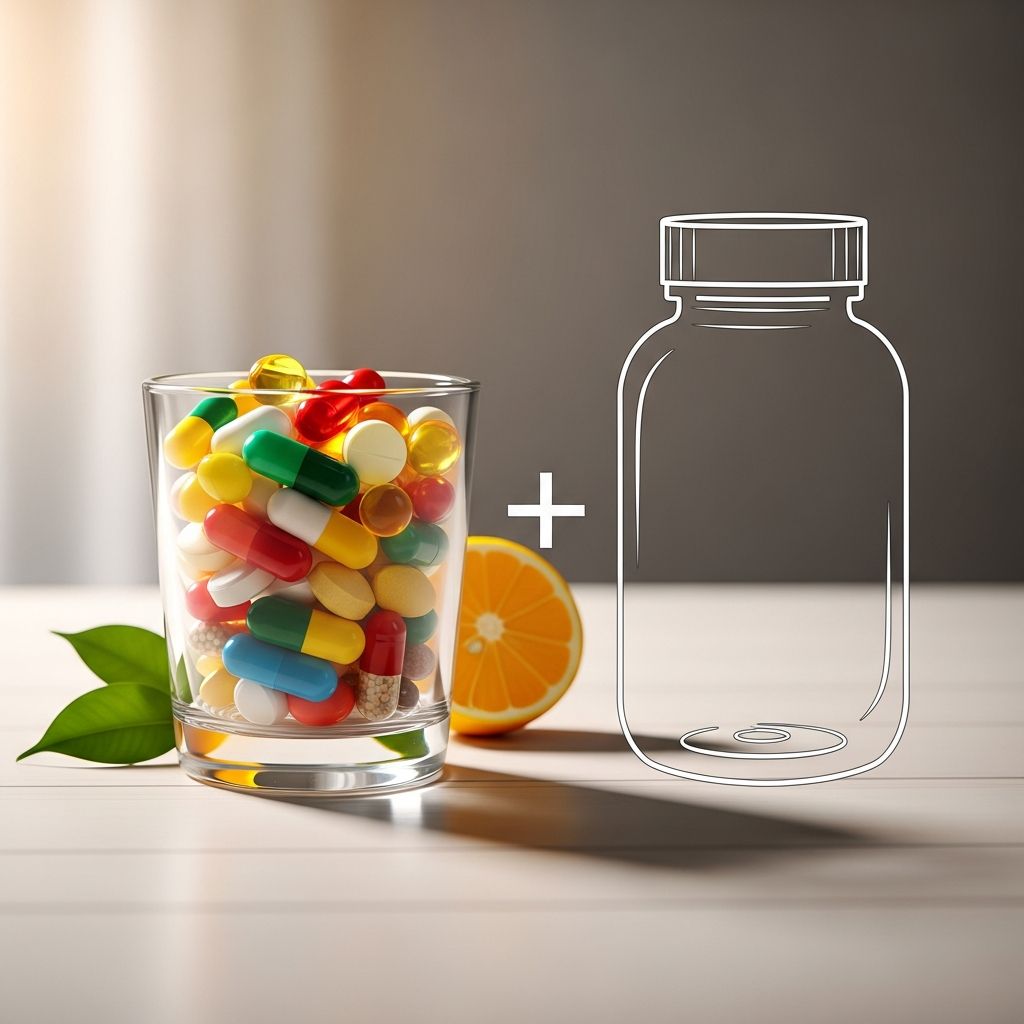
Not everyone needs vitamin supplements, but certain ones can fill important nutritional gaps. Here’s what to know about popular vitamins, according to health experts.
While a balanced diet rich in fruits, vegetables, whole grains, lean proteins, and healthy fats should theoretically provide all the vitamins and minerals your body needs, realities like busy schedules, restrictive eating patterns, soil nutrient depletion, and food processing often create gaps. According to the NIH Office of Dietary Supplements, nearly 30% of U.S. adults have at least one nutrient deficiency. For many, targeted supplementation makes sense—but not all vitamins are created equal.
This guide breaks down the science behind popular vitamins, highlighting which ones are worth your money (and which aren’t). Registered dietitians and medical experts weigh in on who benefits most from each nutrient, recommended dosages, and potential risks of over-supplementation.
Multivitamins: Skip
Multivitamins are the most popular dietary supplement in America, with about 33% of adults taking them regularly. Marketed as “insurance policies” for your health, they contain a blend of 20+ vitamins and minerals at around 100% of the Daily Value (DV). But do they deliver?
Large-scale studies paint a disappointing picture. The Physicians’ Health Study II, which followed 14,641 male physicians for over a decade, found daily multivitamins had no significant impact on risks for heart disease, cancer, or cognitive decline. Similarly, the COSMOS trial (2022) involving 21,442 older adults showed multivitamins offered no protection against cardiovascular events or death, though they slightly slowed cognitive aging in one analysis.
- Limited absorption: Your body absorbs vitamins better from food than pills. Multivitamins often use cheap synthetic forms with poor bioavailability.
- One-size-fits-all problem: They don’t account for individual needs based on age, sex, diet, or genetics.
- Potential harm: Excess iron, vitamin A, and E can accumulate and cause oxidative stress or toxicity.
Bottom line: Skip multivitamins unless you’re eating fewer than 1,200 calories daily or have a diagnosed deficiency. Focus on nutrient-dense foods instead.
Vitamin D: Take (for most people)
Vitamin D, the “sunshine vitamin,” reigns supreme among supplements backed by robust evidence. Synthesized in skin from UVB rays but often insufficient due to indoor lifestyles, sunscreen use, and northern latitudes.
The CDC reports 41% of U.S. adults have insufficient blood levels (<20 ng/mL), with rates exceeding 60% in Black and Hispanic populations. Deficiency links to weak bones, muscle pain, immune dysfunction, depression, and higher COVID-19 severity.
| Group | Recommended Dose | Testing Threshold |
|---|---|---|
| Adults (19-70) | 600-800 IU/day | >20 ng/mL |
| Adults >70 | 800-2,000 IU/day | >30 ng/mL optimal |
| Deficient (<12 ng/mL) | 50,000 IU/week x 8 weeks | Retest after |
Choose D3 (cholecalciferol) over D2 for better absorption. Food sources like fatty fish and fortified milk help but rarely suffice alone. Get levels tested via 25(OH)D blood test before mega-dosing to avoid toxicity (>100 ng/mL).
Vitamin B12: Take (if at risk)
Essential for red blood cell formation, DNA synthesis, and nerve function, B12 deficiency sneaks up slowly but causes irreversible nerve damage if untreated. Found almost exclusively in animal products, it’s a common gap for:
- Vegans/vegetarians (80-90% deficient without supplements)
- Adults >50 (30% absorption drops due to stomach acid decline)
- Those with pernicious anemia, gastric bypass, or metformin/CPI use
Symptoms mimic aging: fatigue, memory fog, numbness, balance issues. The Framingham Heart Study found 15-20% of older adults deficient. RDA is just 2.4 mcg/day, but absorption from pills beats food sources for impaired groups.
Related Stories



Sublingual drops or monthly injections work best for severe cases. Cyanocobalamin is cheap and stable; methylcobalamin may benefit those with MTHFR mutations.
Folate/Folic Acid: Take (if planning pregnancy)
Folate (natural form) and folic acid (synthetic) prevent neural tube defects and support heart health via homocysteine metabolism. While leafy greens provide folate, folic acid absorption is superior.
CDC recommendation: 400 mcg daily for women of childbearing age. Fortified grains since 1998 cut U.S. neural tube defects by 35%. Continue through first trimester if pregnant.
Excess (>1,000 mcg) may mask B12 deficiency. MTHFR gene variants (40% population) reduce folic acid conversion—consider methylfolate instead.
Vitamin C: Skip (unless sick)
Water-soluble antioxidant famous for immune claims, but evidence doesn’t support daily mega-doses (1,000+ mg) for cold prevention in general population. A 2013 Cochrane review of 29 trials found regular supplementation shortened colds by 8% in adults—barely noticeable.
Smokers, athletes, and surgical patients benefit more. Get 75-90 mg RDA from citrus, peppers, broccoli. Excess causes diarrhea; urine stays yellow regardless.
Other Vitamins: Situational
Vitamin A: Skip
Excess from supplements (not beta-carotene) increases lung cancer risk in smokers (ATBC study). Liver, dairy provide plenty; avoid >3,000 mcg RAE daily.
Vitamin E: Skip
Antioxidant trials (e.g., SELECT) showed 17% higher prostate cancer risk at 400 IU/day. Nuts/seeds suffice for 15 mg RDA.
Vitamin K: Usually Skip
K1 from greens; K2 from fermented foods may benefit bone/heart health. Promising but needs more research.
B Vitamins (beyond B12): Skip if eating fortified foods
B1, B2, B6, B7 abundant in grains, eggs, meat. High-dose B6 (>100 mg) risks neuropathy.
Who Benefits Most from Supplements?
- Pregnant/breastfeeding women: Prenatal with folic acid, iron, D, DHA
- Older adults: B12, D, calcium, possibly B6/folate
- Restricted diets: Vegans need B12, D, iron, zinc, omega-3
- Medical conditions: Celiac, IBD, bariatric surgery patients
- Low sun exposure: Vitamin D year-round
Smart Supplementation Tips
- Test, don’t guess: Bloodwork for D, B12, iron status first
- Food first: Supplements don’t replace nutrient-dense eating
- Third-party testing: USP, NSF, ConsumerLab verified seals
- Timing matters: Fat-solubles (A,D,E,K) with meals; B12 sublingual empty stomach
- Drug interactions: Calcium blocks levothyroxine; grapefruit affects statins
Frequently Asked Questions (FAQs)
Should I take a multivitamin every day?
Probably not. Large studies show minimal benefits for healthy adults eating balanced diets. Target specific deficiencies instead.
What’s the best vitamin D supplement?
D3 (cholecalciferol) 1,000-2,000 IU daily with fat-containing meal. Get blood levels tested annually if supplementing.
Do vegans need B12 supplements?
Absolutely. No reliable plant sources exist; 250 mcg cyanocobalamin daily or 2,000 mcg weekly prevents deficiency.
Can too many vitamins hurt me?
Yes—fat-soluble vitamins (A, D, E, K) accumulate. Excess vitamin A causes birth defects; too much D leads to kidney damage.
Are gummy vitamins as good as pills?
Often lower doses with added sugar. Check labels; many lack 100% DV of key nutrients like D and B12.
The Final Verdict
TAKE: Vitamin D (everyone), B12 (at-risk groups), folic acid (women of childbearing age), targeted others based on bloodwork.
SKIP: Multivitamins, high-dose C/E/A for general health.
Supplements work best as “fillers” for dietary gaps confirmed by testing, not substitutes for real food. Consult your doctor before starting, especially with medications or health conditions. Quality matters—choose third-party tested brands. Your personalized nutrition plan beats any one-size-fits-all pill.
References
- Dietary Supplement Fact Sheets — NIH Office of Dietary Supplements. 2024-01-15. https://ods.od.nih.gov/factsheets/list-all/
- Vitamin D Deficiency — CDC. 2023-07-20. https://www.cdc.gov/nutrition/phpdata/vddeficiency.html
- Multivitamins in the Prevention of Cardiovascular Disease — NEJM (COSMOS Trial). 2022-04-06. https://www.nejm.org/doi/full/10.1056/NEJMc2209007
- Vitamin B12 Deficiency in Older Adults — Framingham Heart Study. 2020-05-12. https://www.ncbi.nlm.nih.gov/pmc/articles/PMC7571372/
- Vitamin C for Preventing and Treating the Common Cold — Cochrane Database. 2013-06-18. https://www.cochranelibrary.com/cdsr/doi/10.1002/14651858.CD000980.pub4/full
- Effects of Vitamin E on Prostate Cancer — SELECT Trial (JAMA). 2011-10-17. https://jamanetwork.com/journals/jama/fullarticle/1104493
Similar Articles








Read full bio of Sneha Tete