Vitiligo Causes And Risk Factors: Key Insights
Unraveling the complex causes of vitiligo, from autoimmune attacks to genetic predispositions and environmental triggers.
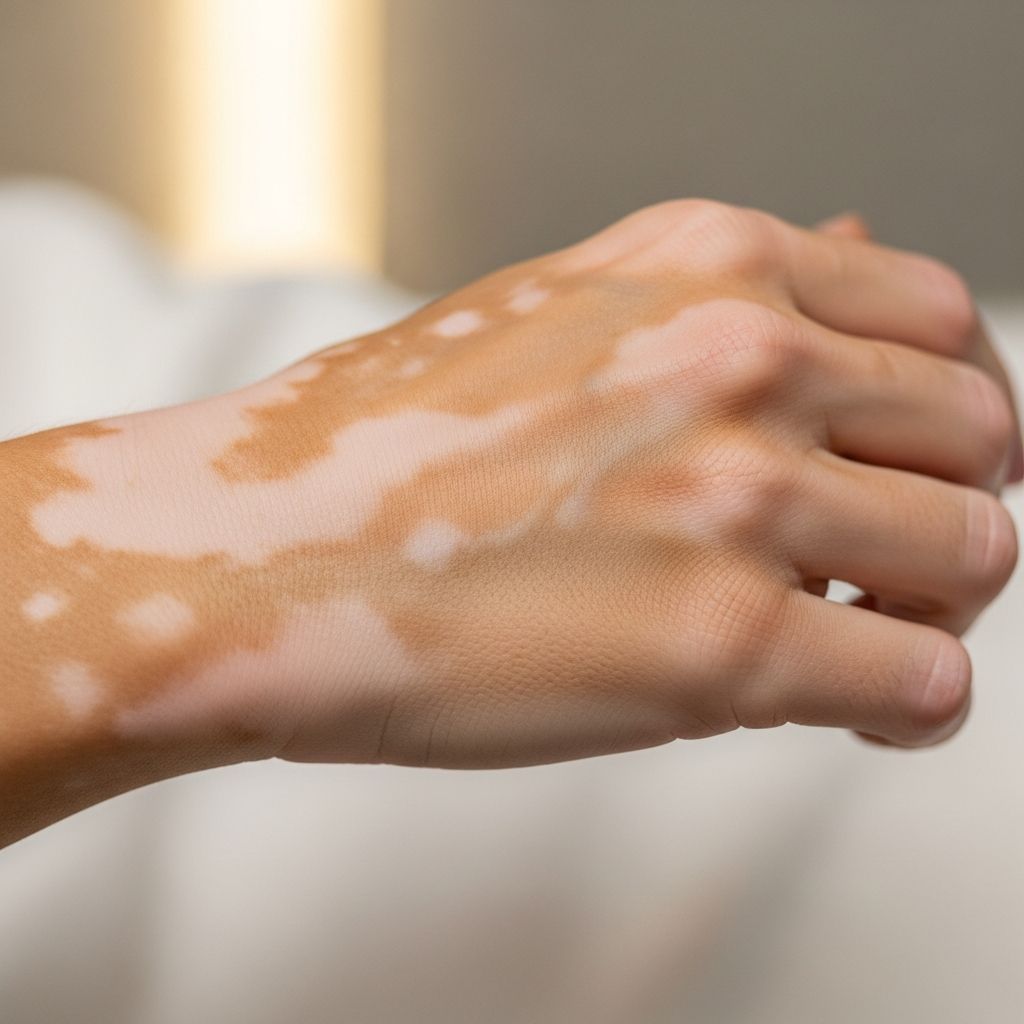
Vitiligo is a chronic skin condition characterized by the loss of pigment, resulting in white patches on the skin, hair, and sometimes mucous membranes. It affects approximately 1% of the global population and occurs equally across races and genders, though it is more noticeable on darker skin tones. The exact cause remains unclear, but it involves the destruction or dysfunction of melanocytes, the cells responsible for producing melanin—the pigment that colors skin, hair, and eyes. This article delves into the multifaceted causes and risk factors, drawing from authoritative medical sources to provide a comprehensive overview.
What Is Vitiligo?
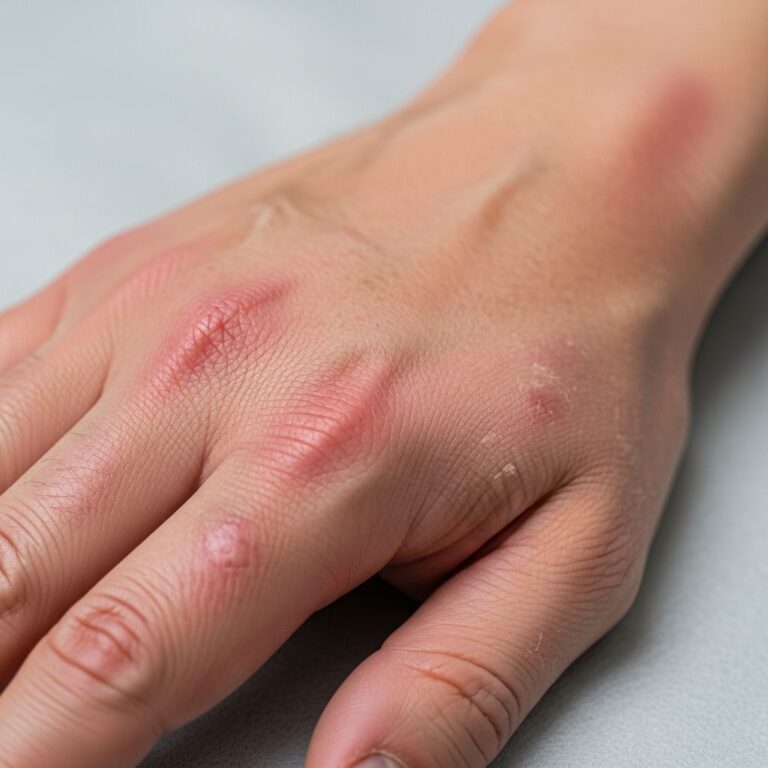
Vitiligo manifests as depigmented patches that can appear anywhere on the body, often symmetrically in non-segmental vitiligo (the most common form) or unilaterally in segmental vitiligo. These patches result from a lack of melanin production, leading to stark white areas amid normal skin. While not life-threatening, vitiligo can significantly impact quality of life due to cosmetic concerns and associated psychological effects. Onset typically occurs before age 30, though it can develop at any age.
Causes of Vitiligo
The precise etiology of vitiligo is multifactorial, involving autoimmune processes, genetic vulnerabilities, and environmental influences. Scientists believe it primarily stems from an autoimmune attack on melanocytes, where the immune system mistakenly destroys these pigment-producing cells.
Autoimmune Disease
Non-segmental vitiligo, affecting about 90% of cases, is widely regarded as an autoimmune disorder. In this scenario, the immune system fails to distinguish healthy cells from threats, targeting melanocytes instead. This leads to insufficient melanin production and characteristic white patches. Vitiligo frequently co-occurs with other autoimmune conditions; 15-25% of individuals with vitiligo have at least one other autoimmune disease. Common associations include:
- Thyroid disorders, such as hyperthyroidism or Hashimoto’s thyroiditis
- Type 1 diabetes
- Rheumatoid arthritis
- Psoriasis
- Systemic lupus erythematosus (SLE)
- Pernicious anemia
- Addison’s disease
Not everyone with vitiligo develops these comorbidities, but the overlap underscores shared immune dysregulation.
Genetics and Family History
Vitiligo has a hereditary component, with 5-20% of affected individuals reporting a family history. Over 30 genes have been implicated, many regulating immune function and melanocyte survival, such as NLRP1 and PTPN22, which control inflammation and immune responses. These genetic variants do not guarantee vitiligo but increase susceptibility when combined with triggers. Twin studies support heritability, though inheritance is complex and polygenic rather than Mendelian. Family history of autoimmune diseases further elevates risk.
Risk Factors for Vitiligo
Several factors heighten the likelihood of developing vitiligo, particularly in genetically predisposed individuals.
Family History and Genetics
A close relative with vitiligo or autoimmune conditions significantly raises risk. Specific gene changes linked to non-segmental vitiligo amplify this predisposition.
Associated Autoimmune Conditions
Existing autoimmune diseases like thyroid issues or type 1 diabetes correlate strongly with vitiligo onset.
Other Medical Conditions
Individuals with melanoma or non-Hodgkin lymphoma face elevated risk, possibly due to immune alterations.
| Risk Factor | Description | Prevalence/Impact |
|---|---|---|
| Family History | Parent/sibling with vitiligo | 5-20% of cases |
| Autoimmune Comorbidities | Thyroid disease, diabetes, etc. | 15-25% overlap |
| Cancer History | Melanoma, lymphoma | Increased susceptibility |
| Ethnic Background | Higher in India, Middle East | Up to 8% in some regions |
Related Stories



Triggers of Vitiligo
While not direct causes, certain events can precipitate or exacerbate vitiligo in susceptible people. These triggers activate the autoimmune response or damage melanocytes.
- Stress: Emotional or psychological stress precedes onset in over 50% of cases, including in children. Events like bereavement or financial strain may dysregulate immunity.
- Skin Trauma (Koebner Phenomenon): Injuries, cuts, abrasions, or friction cause depigmentation at the site, especially in non-segmental vitiligo.
- Sunburn: Severe UV exposure triggers immune attack on melanocytes, potentially initiating patches.
- Chemical Exposure: Phenols in detergents, dyes, or industrial products can provoke depigmentation.
- Hormonal Changes: Puberty, childbirth, or menstrual shifts may contribute.
- Organ Dysfunction: Liver or kidney issues are occasional precipitants.
Vitiligo is not contagious and cannot be caught from others.
Who Is at Risk for Vitiligo?
Vitiligo affects all ages, races, and sexes equally, but certain groups face higher incidence. It often starts before age 20-30. Darker-skinned individuals notice patches more prominently. Prevalence peaks in India (up to 8%), Middle East, North Africa, and among older Hispanic/Latino adults in the U.S. (1% overall). Higher genetic susceptibility in some ethnicities plays a role.
Types of Vitiligo and Their Causes
Non-Segmental Vitiligo: Symmetrical, autoimmune-driven, most common.
Segmental Vitiligo: Affects one side, possibly nerve-related, progresses faster initially.
Both involve melanocyte loss, but triggers vary.
Prevention and Management Tips
No cure exists, but risk mitigation includes sun protection (broad-spectrum SPF 30+), stress management (mindfulness, therapy), avoiding skin trauma, and minimizing chemical exposure. Early dermatologist consultation aids repigmentation therapies.
Frequently Asked Questions (FAQs)
What causes vitiligo?
Vitiligo results from melanocyte destruction, primarily autoimmune, with genetic and trigger contributions.
Is vitiligo genetic?
Partially; 5-20% familial, over 30 genes involved, but not simply inherited.
Can stress cause vitiligo?
Stress triggers onset or worsening in over 50% of cases but does not directly cause it.
Is vitiligo contagious?
No, it is not infectious.
Who is most at risk for vitiligo?
Those with family/autoimmune history, certain ethnicities, before age 30.
References
- Vitiligo – NHS — NHS. 2023. https://www.nhs.uk/conditions/vitiligo/
- 7 Causes and Risk Factors of Vitiligo — MyVitiligoTeam. 2023. https://www.myvitiligoteam.com/resources/what-causes-vitiligo
- Vitiligo Symptoms, Risk Factors, & Causes — NIAMS, NIH. 2024-10-15. https://www.niams.nih.gov/health-topics/vitiligo
- Vitiligo – Symptoms & causes — Mayo Clinic. 2023-11-22. https://www.mayoclinic.org/diseases-conditions/vitiligo/symptoms-causes/syc-20355912
- Vitiligo: Types, Symptoms, Causes, Treatment & Recovery — Cleveland Clinic. 2023-09-28. https://my.clevelandclinic.org/health/diseases/12419-vitiligo
Similar Articles








Read full bio of medha deb