Vitiligo Causes: 6 Key Triggers And Risk Factors
Unraveling the complex causes of vitiligo: from autoimmune attacks to genetic factors and environmental triggers.
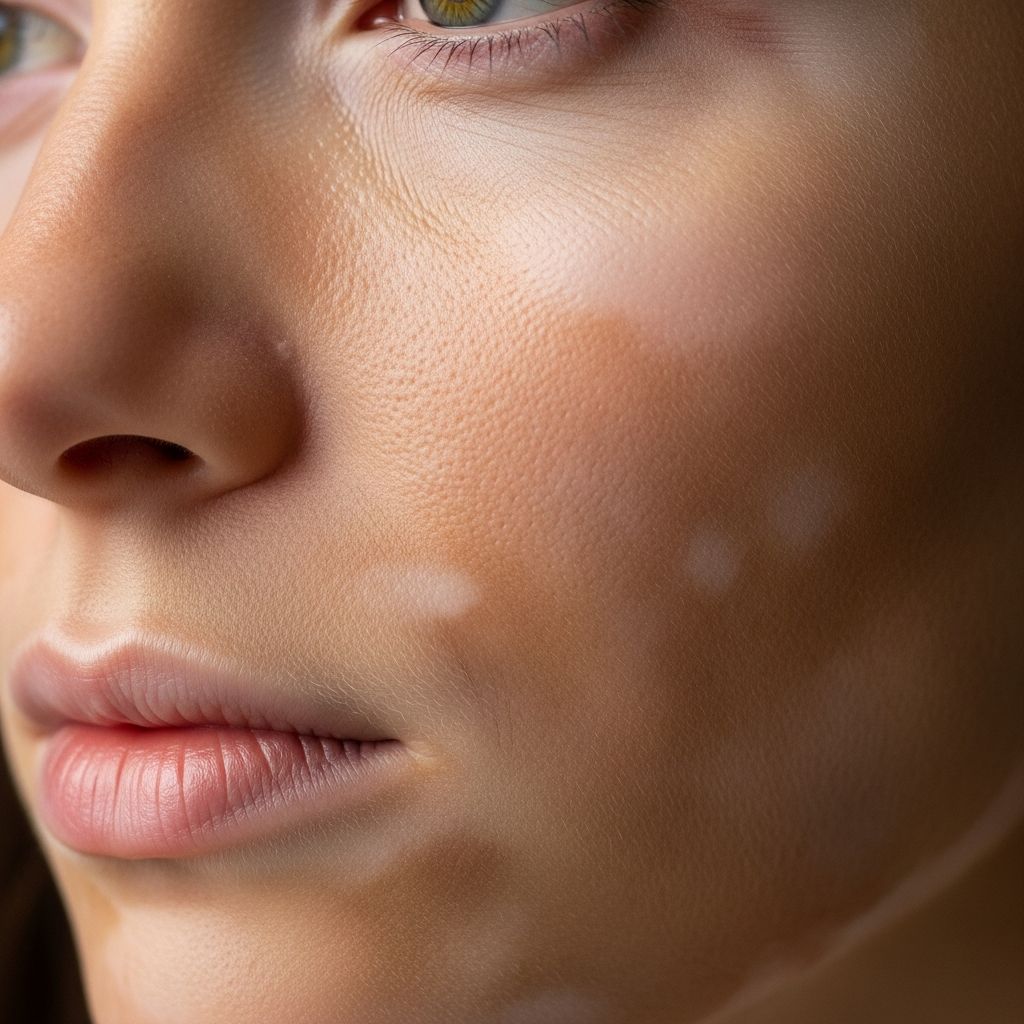
Vitiligo is a chronic skin condition characterized by the loss of pigment, resulting in white patches on the skin due to the destruction or dysfunction of melanocytes, the cells responsible for producing melanin. While the exact cause remains unknown, research points to a combination of autoimmune, genetic, environmental, and oxidative factors. Understanding these causes is crucial for managing expectations around treatment and prevention strategies.
What Is Vitiligo?
Vitiligo (pronounced ‘vit-il-EYE-go’) causes smooth white or light areas called macules (less than 1 cm) or patches (larger than 1 cm) on the skin, typically starting on hands, forearms, feet, and face. It affects about 1% of the global population equally across races and sexes, though more noticeable in darker skin tones. The condition arises when melanocytes die or stop producing melanin, the pigment giving skin, hair, and eyes their color. Hair in affected areas may turn white or silver, and it can involve mucous membranes.
Symptoms usually appear before age 30, with patches that may spread, stabilize, or occasionally repigment. Severity varies from localized spots to nearly universal depigmentation. Unlike contagious conditions, vitiligo is not harmful physically but can impact emotional well-being.
Types of Vitiligo
- Generalized vitiligo: Most common; symmetrical patches on both sides of the body, affecting many areas.
- Segmental vitiligo: Affects one side or part of the body; progresses for 1-2 years then stabilizes, often at younger ages.
- Focal (localized) vitiligo: Limited to one or a few areas.
- Acrofacial vitiligo: Primarily face, hands, and body openings like eyes, nose, ears.
- Universal vitiligo: Nearly all skin surfaces affected.
These types influence progression: segmental often halts quickly, while generalized may spread extensively.
Symptoms of Vitiligo
Key signs include patchy loss of skin color, often first on hands, face, genitals, or around body openings. Other symptoms: premature graying of scalp, eyelashes, eyebrows, or beard hair; loss of pigment in mouth/nose linings; possible early itching before depigmentation. Patches expand over time but can remain stable for years or shift as skin regains/loses pigment variably.
Causes of Vitiligo
The precise cause of vitiligo is multifactorial and not fully understood. Melanocytes fail due to several interconnected mechanisms. Here’s a detailed breakdown:
Autoimmune Response
The leading theory is autoimmunity, where the immune system mistakenly attacks and destroys melanocytes. This is supported by associations with other autoimmune diseases like thyroid disorders, type 1 diabetes, rheumatoid arthritis, and pernicious anemia. About 30% of cases link to genetic factors predisposing immune dysregulation targeting pigment cells.
Genetic Factors
Vitiligo has a hereditary component; 30% of cases are familial. Multiple gene mutations affect melanocyte function, survival, and immune tolerance. Family history significantly raises risk, with identical twins showing high concordance rates.
Trigger Events
Environmental triggers can initiate or exacerbate vitiligo in susceptible individuals, including severe stress, sunburn, skin trauma (Koebner phenomenon, where injury sites depigment), or chemical exposure. Emotional or physical stress may precipitate onset.
Related Stories



Chemical Exposure
Contact with phenols or catechols (in detergents, rubber, adhesives, dyes) can induce occupational vitiligo. These chemicals are toxic to melanocytes, mimicking autoimmune destruction. Frequent exposure increases risk.
Oxidative Stress
Imbalance in reactive oxygen species overwhelms melanocyte antioxidants like catalase, leading to cell death. This intrinsic defect makes melanocytes vulnerable to damage from UV light, pollution, or internal factors.
Neurogenic Factors
Some evidence suggests nerve endings release substances toxic to melanocytes, explaining segmental vitiligo patterns along nerve distributions.
| Theory | Description | Evidence Level |
|---|---|---|
| Autoimmune | Immune attack on melanocytes | High (associations with other autoimmune diseases) |
| Genetic | Mutations affecting melanocytes/immunity | High (30% familial) |
| Triggers (stress/trauma) | Environmental precipitants | Moderate |
| Chemical | Phenol exposure | Moderate (occupational cases) |
| Oxidative Stress | Antioxidant deficiency | Moderate |
Risk Factors for Vitiligo
- Family history of vitiligo or autoimmune diseases.
- Existing autoimmune conditions (e.g., thyroid disease, diabetes).
- Exposure to phenol-containing chemicals.
- Darker skin tones (more visible, not higher incidence).
- Onset typically before age 30.
Conditions That Can Be Mistaken for Vitiligo
- Tinea versicolor: Fungal infection causing discolored spots (white, pink, brown); responds to antifungals.
- Piebaldism: Congenital lack of melanocytes in specific areas; present at birth, stable.
- Chemical leukoderma: Patchy depigmentation from chemical injury, often occupational.
- Post-inflammatory hypopigmentation, pityriasis alba, or melanoma regression.
Differentiating requires dermatologist evaluation, biopsy, or Wood’s lamp exam.
FAQs
Is vitiligo genetic?
Yes, about 30% of cases have a genetic basis, with family history increasing risk significantly.
Can stress cause vitiligo?
Stress is a potential trigger that may initiate depigmentation in genetically predisposed individuals.
Is vitiligo contagious?
No, vitiligo is not contagious and cannot spread through contact.
Does chemical exposure cause vitiligo?
Yes, phenols and similar chemicals can trigger melanocyte destruction, especially occupationally.
Can vitiligo be prevented?
No sure prevention, but avoiding triggers like skin trauma and chemicals, plus managing autoimmune conditions, may help.
Recent Research Insights
Ongoing studies emphasize cytokine imbalances (e.g., IFN-γ) in autoimmune destruction and JAK inhibitors as emerging therapies targeting these pathways. Genetic research identifies over 50 susceptibility loci. Oxidative stress therapies, like pseudocatalase, show promise in some trials.
References
- Vitiligo: Types, Symptoms, Causes, Treatment & Recovery — Cleveland Clinic. 2024-10-15. https://my.clevelandclinic.org/health/diseases/12419-vitiligo
- Vitiligo – Symptoms & causes — Mayo Clinic. 2024-11-20. https://www.mayoclinic.org/diseases-conditions/vitiligo/symptoms-causes/syc-20355912
- Standardized classification of vitiligo subtypes — National Vitiligo Foundation (via PubMed). 2023-05-10. https://pubmed.ncbi.nlm.nih.gov/37078646/
- Oxidative Stress in the Pathogenesis of Vitiligo — International Journal of Molecular Sciences. 2024-02-14. https://doi.org/10.3390/ijms25052247
- Vitiligo: A Review of the Pathogenesis and Current Treatment Options — American Academy of Dermatology. 2025-01-05. https://www.jaad.org/article/S0190-9622(24)03345-6/fulltext
Similar Articles








Read full bio of medha deb