Vitiligo: Causes, Symptoms, and Treatment Options
Complete guide to vitiligo: understanding causes, symptoms, and effective treatment strategies.
What Is Vitiligo?
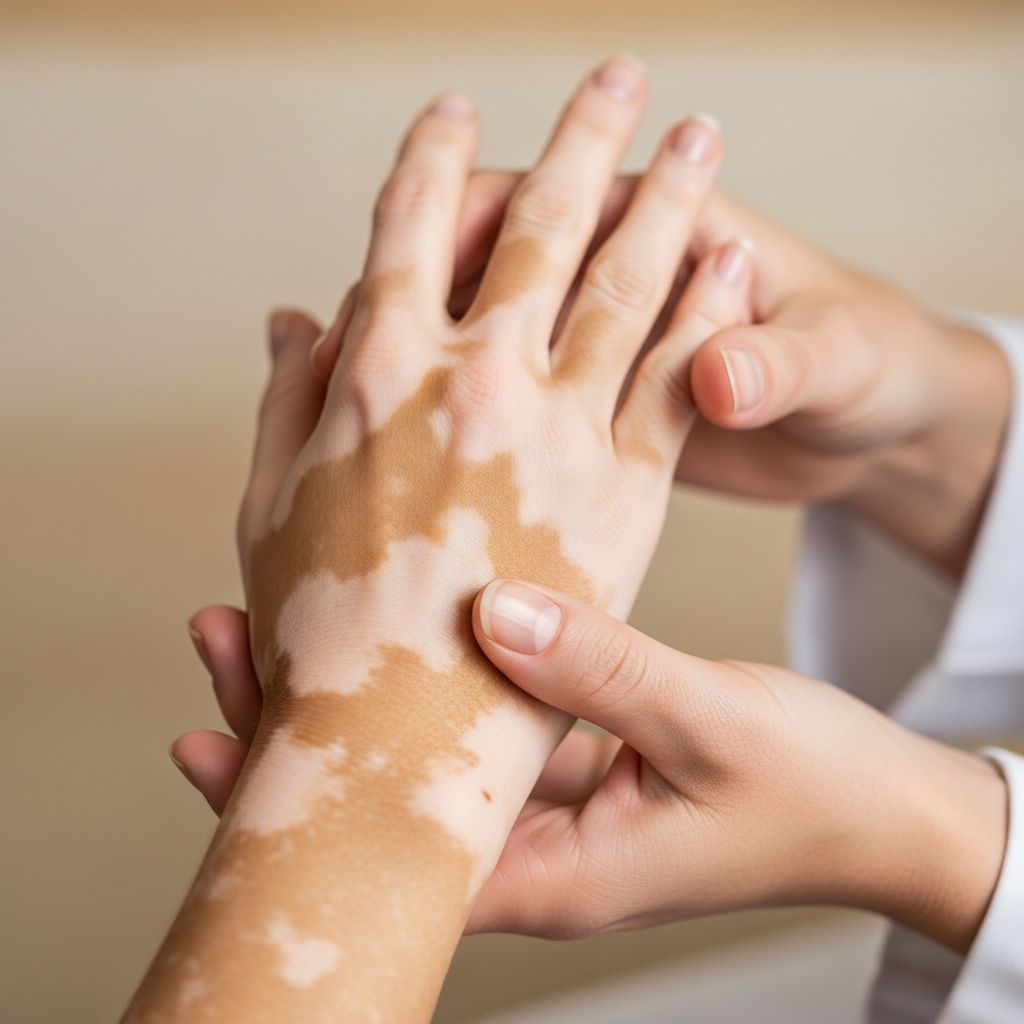
Vitiligo is a skin condition that causes your skin to lose color or pigmentation, resulting in smooth white or light-colored areas called macules or patches. The condition occurs when your body’s immune system destroys melanocytes, which are specialized skin cells that produce melanin—the chemical compound responsible for giving skin its natural color and pigmentation. This autoimmune response leads to the characteristic loss of skin tone and the appearance of depigmented patches that may be more or less noticeable depending on your natural skin color.
Pronounced “vit-il-EYE-go,” this condition affects approximately 1% of the global population and occurs equally across all races and ethnicities. However, the condition is more visually apparent in individuals with darker skin tones, as the contrast between pigmented and depigmented areas is more pronounced. Although vitiligo can develop at any age, macules or patches typically become apparent before age 30.
Understanding the Prevalence and Demographics
Vitiligo is a relatively common condition affecting millions of people worldwide. Research indicates that the condition impacts over 1% of the global population, with consistent prevalence across different demographic groups. Interestingly, while vitiligo affects all races and sexes equally in terms of medical incidence, its visibility and psychological impact differ significantly based on skin tone. Individuals with darker skin are more likely to seek treatment due to the stark visual contrast created by depigmented patches.
The age of onset is an important consideration. Most people develop visible signs of vitiligo before reaching age 30, though the condition can emerge at any point during the lifespan. Some individuals may experience early symptoms—such as itchy skin—before depigmentation becomes apparent.
Where Vitiligo Appears on the Body
Vitiligo typically begins on specific areas of the body and may progress over time. The most common initial locations include:
- Hands and forearms
- Feet and lower legs
- Face and around the eyes
- Lips and mouth area
- Areas around body openings and mucous membranes
While these are the most common starting points, vitiligo can develop on any part of your body. In some cases, the condition affects mucous membranes—the moist linings of the mouth, nose, genital areas, and rectal regions. Hair in affected areas may also turn white or silver if vitiligo develops in those locations. The extent of skin involvement varies considerably from person to person; some individuals experience only a few small depigmented areas, while others develop widespread loss of skin color across multiple body regions.
Symptoms and Early Signs
The primary symptom of vitiligo is the development of white or light-colored patches on the skin. However, the presentation and progression vary among affected individuals:
- Depigmented patches: Smooth, white, or lighter-colored areas that contrast with surrounding skin
- Macules vs. patches: Small depigmented areas less than 1 centimeter wide are called macules, while larger areas exceeding 1 centimeter are classified as patches
- Progressive spread: Vitiligo usually starts with a few small white macules or patches that may gradually spread over your body
- Hair color changes: Hair in affected areas may turn white or silver
- Itching sensation: Some individuals experience itchy skin before depigmentation begins
Related Stories



The progression pattern differs among individuals. While some larger patches continue to widen and spread, many typically remain stable in the same location for years. Interestingly, the location of smaller macules may shift and change over time as certain areas of skin lose and regain their pigment. Symptoms can range from mild and affecting only small areas to severe cases involving large regions of the body.
Understanding the Causes of Vitiligo
The exact cause of vitiligo remains unclear; however, research suggests several contributing factors. The fundamental mechanism involves a lack of melanin production, but the underlying reasons for this deficiency are multifaceted.
Genetic Factors
Genetic predisposition plays a significant role in vitiligo development. Approximately 30% of vitiligo cases are genetic, meaning the condition is hereditary and can be inherited from biological family members. Several possible genetic mutations affect how melanocyte cells function, and if a genetic mutation targets the cells responsible for producing skin pigment, you may experience vitiligo symptoms.
Autoimmune Response
Vitiligo is fundamentally an autoimmune condition where the immune system mistakenly attacks and destroys melanocytes. This inappropriate immune response leads to progressive pigment loss in affected areas. Individuals with certain autoimmune conditions face higher risk of developing vitiligo.
Environmental and Lifestyle Factors
While genetic and autoimmune factors are primary drivers, research continues to explore additional contributing elements. Potential triggers may include environmental stressors, skin injuries, or other lifestyle-related factors, though definitive causal links are still being established through ongoing research.
Risk Factors and Susceptibility
Certain conditions increase your likelihood of developing vitiligo. Individuals with existing autoimmune disorders—such as thyroid disease, type 1 diabetes, or lupus—face elevated risk. Family history is another important risk factor; if close relatives have vitiligo, your risk increases significantly due to genetic inheritance patterns.
Diagnosis and Clinical Evaluation
Healthcare providers diagnose vitiligo primarily through clinical observation of characteristic depigmented patches and macules. A dermatologist will examine affected skin areas and may ask about symptom onset, progression patterns, and family history. In some cases, additional diagnostic tests such as a Wood’s lamp examination (which uses ultraviolet light) may be performed to better visualize depigmented areas and assess the extent of pigment loss.
Treatment Options for Vitiligo
While treatment is not medically necessary, various therapeutic options exist for individuals who wish to address the cosmetic and psychological impacts of the condition. Treatment effectiveness varies among individuals, and a healthcare provider can help determine the most appropriate approach.
Topical Treatments
Topical medications applied directly to affected skin areas can help stimulate repigmentation or manage symptoms. These treatments may include corticosteroids or other specialized compounds designed to promote melanocyte function and restore skin color.
Phototherapy and Light-Based Treatments
Phototherapy is among the most effective treatments for vitiligo. One approach combines oral psoralen medication with ultraviolet A (UVA) light exposure, known as PUVA therapy. This treatment is particularly effective for individuals with vitiligo on the head, neck, trunk, upper arms, and legs. Light-based therapies work by stimulating melanocyte activity and promoting repigmentation in depigmented areas.
Depigmentation Therapy
For individuals with extensive vitiligo covering large body areas, depigmentation therapy offers an alternative approach. This treatment removes pigment from remaining unaffected skin to match areas already affected by vitiligo, creating a more uniform skin tone. Depigmentation therapy uses monobenzone medication applied to pigmented patches, which gradually turns the skin white to match depigmented areas.
Surgical and Advanced Options
For stable, localized vitiligo, surgical options may include skin grafting procedures. These advanced interventions are typically considered when other treatments have not achieved satisfactory results.
Distinguishing Vitiligo from Similar Conditions
Vitiligo is sometimes confused with other conditions affecting skin pigmentation. Understanding the differences is important for accurate diagnosis and appropriate treatment.
Vitiligo vs. Tinea Versicolor
Tinea versicolor and vitiligo are distinctly different conditions, despite both affecting skin pigment. Tinea versicolor is a fungal infection causing white, yellow, red, pink, or brown spots on the skin. Vitiligo, by contrast, is an autoimmune condition resulting in pigment loss and lighter or white patches. Proper diagnosis is essential, as tinea versicolor requires antifungal treatment, while vitiligo requires different therapeutic approaches.
Vitiligo vs. Piebaldism
While both conditions result in white or light patches of skin and hair, piebaldism and vitiligo have fundamentally different origins. Piebaldism is a congenital condition present at birth, characterized by portions of skin lacking melanocytes—cells that produce pigment. Vitiligo develops during a person’s lifetime as the immune system destroys existing melanocytes. This distinction is crucial for understanding disease mechanism and prognosis.
Living with Vitiligo: Psychological and Social Considerations
Beyond the physical symptoms, vitiligo can significantly impact emotional well-being and quality of life. The visible nature of the condition may affect self-esteem, social confidence, and psychological health. Many individuals benefit from supportive care, counseling, or connection with support groups where they can share experiences with others navigating similar challenges.
Protective measures are also important; depigmented areas lack melanin and are more vulnerable to sun damage. Using broad-spectrum sunscreen (SPF 30 or higher) on affected areas is recommended to prevent additional skin damage and reduce skin cancer risk.
Frequently Asked Questions
Q: Is vitiligo contagious?
A: No, vitiligo is not contagious. It is an autoimmune condition that affects only the individual diagnosed and cannot be transmitted to others through contact or any other means.
Q: Can vitiligo be cured?
A: Currently, there is no definitive cure for vitiligo; however, various treatments can help manage symptoms and promote repigmentation. Treatment effectiveness varies among individuals, and a dermatologist can recommend personalized options.
Q: Is vitiligo life-threatening?
A: Vitiligo is not life-threatening and does not affect internal organs or overall health status. However, the psychological and social impacts may warrant support and treatment consideration.
Q: Does vitiligo run in families?
A: Yes, approximately 30% of vitiligo cases are genetic, meaning the condition can be inherited from biological family members. Having a family history of vitiligo increases your risk of developing the condition.
Q: Can children develop vitiligo?
A: Yes, vitiligo can develop in children and individuals of any age, though symptoms typically become apparent before age 30. Early diagnosis and treatment initiation can help manage the condition effectively.
Q: What is the best treatment for vitiligo?
A: The best treatment depends on individual factors including extent of depigmentation, body location, skin tone, and personal preferences. Phototherapy and topical treatments are commonly effective, and a dermatologist can recommend personalized options.
References
- Vitiligo: Types, Symptoms, Causes, Treatment & Recovery — Cleveland Clinic. 2025. https://my.clevelandclinic.org/health/diseases/12419-vitiligo
Similar Articles








Read full bio of Sneha Tete