Vitiligo Symptoms: Signs, Causes, Treatment Options Explained
Recognizing the signs of vitiligo: Understand patchy skin loss, types, causes, and when to seek treatment for this autoimmune condition.
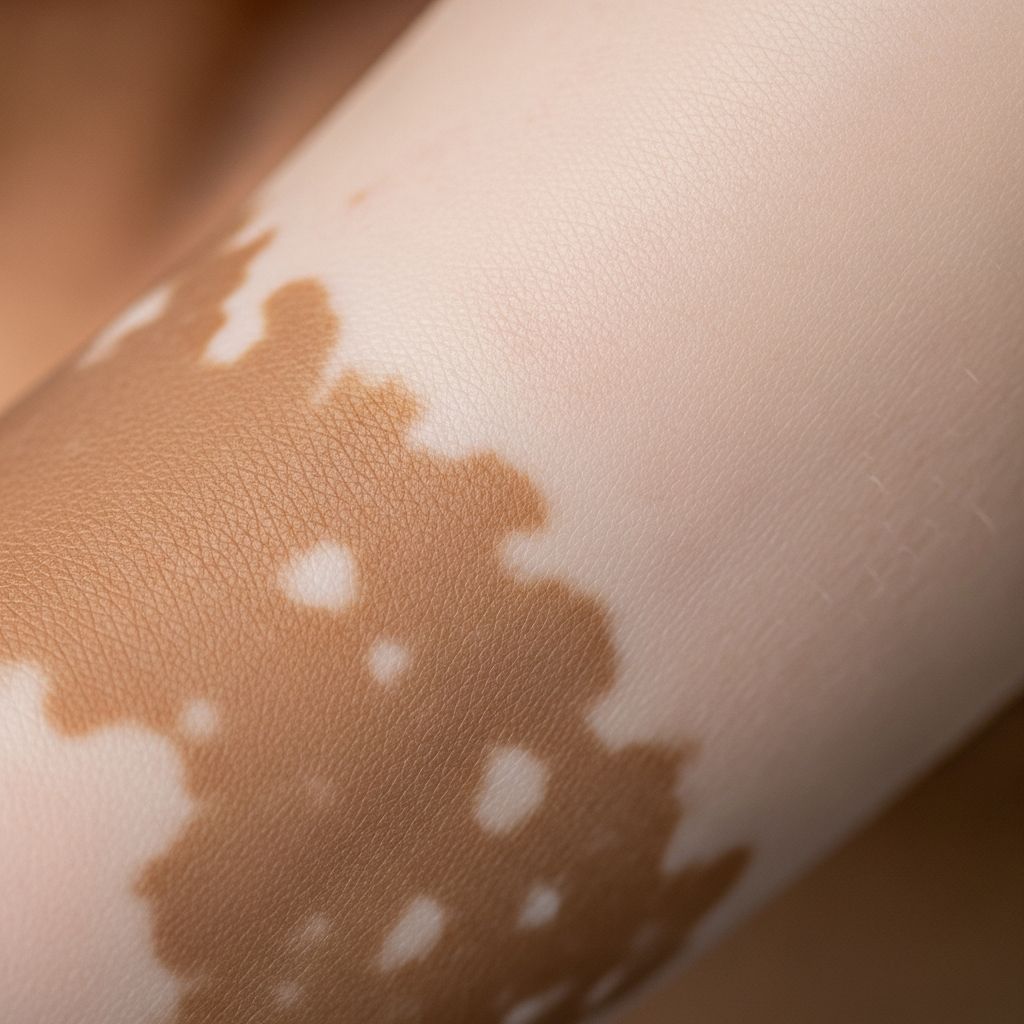
Vitiligo is a chronic autoimmune skin disorder characterized by the loss of skin pigmentation, resulting in white patches that typically enlarge over time. It occurs when melanocytes, the cells responsible for producing melanin, die or cease functioning, affecting approximately 1% of the global population and appearing before age 30 in most cases.
What Is Vitiligo?
Vitiligo (pronounced vit-ih-LIE-go) leads to depigmented patches on the skin, hair, and mucous membranes due to the destruction of melanocytes. These smooth white or light areas, known as macules (under 1 cm) or patches (larger), are most noticeable on darker skin tones. The condition is not contagious or life-threatening but can cause emotional distress from visible changes.
Melanin, the pigment giving color to skin, hair, and eyes, is absent in affected areas. Patches often start small and spread symmetrically, though progression varies—some stabilize without treatment, while others involve most of the skin.
Symptoms of Vitiligo
The hallmark symptom is
patchy loss of skin color
, usually beginning on the hands, face, forearms, feet, and areas around body openings like the eyes, nose, mouth, and genitals. Additional signs include:- Premature graying or whitening of scalp hair, eyelashes, eyebrows, or beard.
- Loss of pigment in mucous membranes inside the mouth, nose, or genitals.
- Itching or mild discomfort before depigmentation in some cases.
- Sun sensitivity in depigmented areas, leading to sunburns.
Symptoms typically emerge before age 30 and can affect any body part, including eyes and inner ears. Hair in affected areas may turn white or silver.
Types of Vitiligo
Vitiligo manifests in several forms based on distribution and progression:
- Generalized vitiligo: Most common; symmetrical patches on both sides of the body, often progressing over time.
- Segmental vitiligo: Affects one side or body segment; starts young, advances for 1-2 years, then stabilizes.
- Focal (localized) vitiligo: Limited to one or few small areas.
- Acrofacial vitiligo: Primarily face, hands, and body openings.
- Universal vitiligo: Near-total body depigmentation.
Patch size and spread vary; smaller macules may shift as pigment regenerates or is lost.
Where Vitiligo Typically Appears
Common sites include sun-exposed areas:
- Hands, forearms, and feet.
- Face, especially around eyes, mouth, and nose.
- Armpits, groin, and genitals.
- Body folds like elbows and knees.
Patches can appear anywhere, including mucous membranes, and are more visible on brown or Black skin.
Causes of Vitiligo
The exact cause remains unclear, but vitiligo results from melanocyte failure, likely due to:
- Autoimmune response: The immune system attacks melanocytes, common in those with other autoimmune diseases like thyroid disorders.
- Genetics: About 30% of cases are hereditary; family history increases risk.
- Triggers: Stress, severe sunburn, skin trauma, or chemical exposure (e.g., phenols in detergents).
Related Stories



No single factor explains all cases; it’s multifactorial.
Risk Factors for Vitiligo
Anyone can develop vitiligo, but risks include:
- Family history.
- Autoimmune conditions (e.g., rheumatoid arthritis, type 1 diabetes).
- Exposure to phenol chemicals.
- Darker skin tones, where patches are more prominent.
It affects all ages, races, and sexes equally, though more evident in those with higher melanin.
Complications of Vitiligo
Beyond cosmetic changes, vitiligo may lead to:
- Social and psychological distress: Anxiety, depression from appearance changes.
- Sunburn and skin cancer risk: Lack of melanin increases UV sensitivity.
- Eye issues: Uveitis or retinal problems.
- Hearing loss: Rare, linked to inner ear involvement.
No physical pain typically, but emotional impact is significant.
When to See a Doctor for Vitiligo
Consult a dermatologist if you notice unexplained skin, hair, or mucous membrane color loss. Early intervention may slow progression or restore pigment. Tests like skin biopsy, blood work (ANA, CBC), or Wood’s lamp exam aid diagnosis.
How Vitiligo Is Diagnosed
Diagnosis involves:
- Visual exam and medical history.
- Wood’s lamp to highlight patches.
- Biopsy to confirm melanocyte absence.
- Blood tests for autoimmune markers.
Rule out similar conditions like tinea versicolor or piebaldism.
Vitiligo Treatment Options
No cure exists, but treatments aim to restore color, halt spread, or even skin tone:
| Treatment Type | Description | Effectiveness |
|---|---|---|
| Topical corticosteroids | Creams to reduce inflammation and repigment. | Good for early, small patches. |
| Calcineurin inhibitors (e.g., tacrolimus) | Ointments for face/sensitive areas. | Safe long-term alternative. |
| Phototherapy (NB-UVB) | Controlled UV light exposure. | Effective for widespread cases. |
| Depigmentation (monobenzone) | For extensive vitiligo (>50% body). | Lightens remaining skin. |
| Surgery (grafts) | Melanocyte transplants for stable cases. | For non-progressing vitiligo. |
Camouflage makeup, sunscreen (SPF 30+), and counseling help manage appearance and emotional effects. Protect skin from sun to prevent burns.
Living With Vitiligo
Embrace management strategies:
- Use broad-spectrum sunscreen daily.
- Wear protective clothing and hats.
- Join support groups for emotional support.
- Monitor for progression or complications.
Many achieve repigmentation or stabilization; self-esteem improves with treatment and acceptance.
Frequently Asked Questions (FAQs)
Is vitiligo painful?
No, vitiligo itself is painless, but affected skin burns easily in the sun.
Is vitiligo contagious?
No, it’s an autoimmune condition, not infectious.
Can vitiligo be cured?
No cure, but treatments can restore color and stop spread.
Does vitiligo affect hair?
Yes, hair in patches may turn white prematurely.
Is vitiligo more common in certain skin types?
Affects all equally but is more noticeable on darker skin.
Can stress cause vitiligo?
Stress may trigger it in predisposed individuals.
How fast does vitiligo spread?
Varies; some stabilize quickly, others progress slowly.
References
- Vitiligo – Symptoms & Causes — Mayo Clinic Staff. 2024-02-01. https://www.mayoclinic.org/diseases-conditions/vitiligo/symptoms-causes/syc-20355912
- Vitiligo: Types, Symptoms, Causes, Treatment & Recovery — Cleveland Clinic. (Accessed 2026). https://my.clevelandclinic.org/health/diseases/12419-vitiligo
Similar Articles








Read full bio of medha deb