Vitreous Hemorrhage: 5 Warning Signs, Diagnosis And Care
Understand the sudden vision changes from vitreous hemorrhage, from early signs to advanced treatments for optimal recovery.
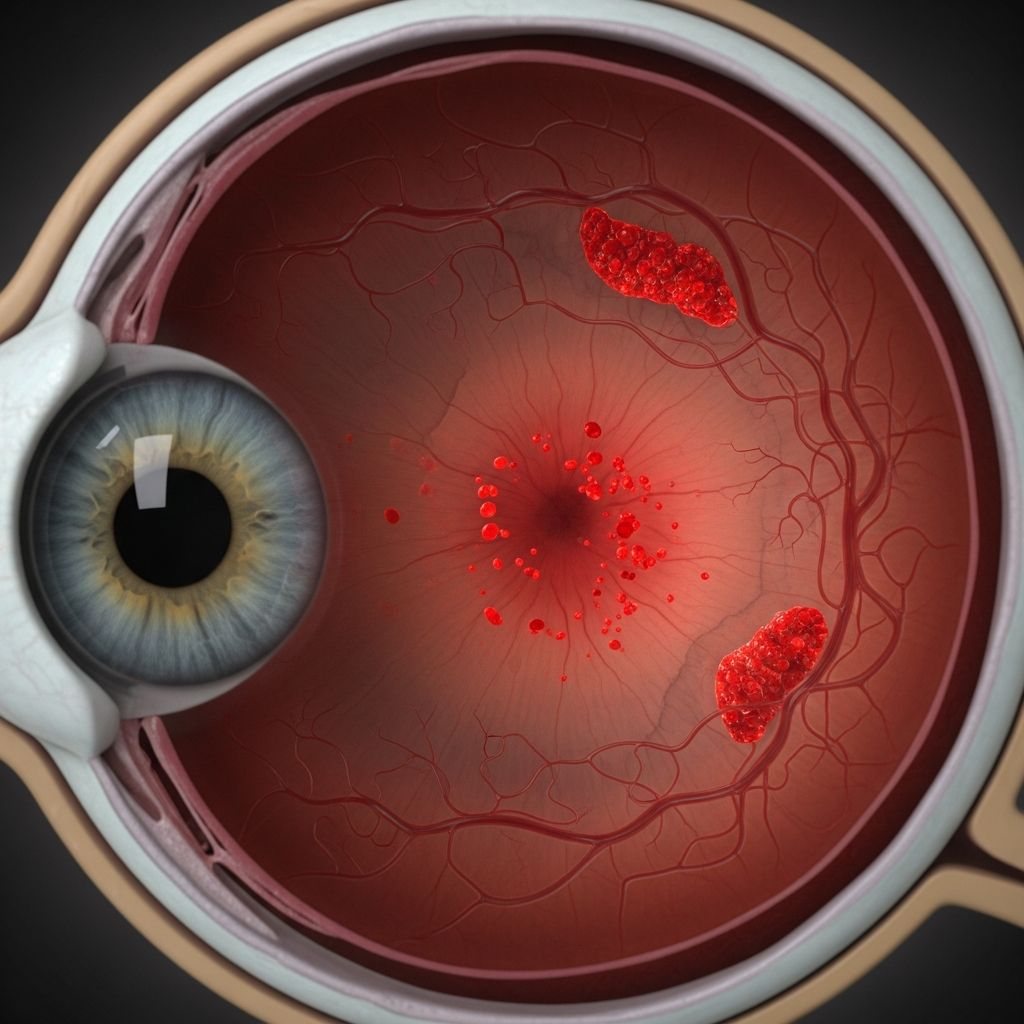
Vitreous hemorrhage involves blood accumulating in the eye’s vitreous gel, leading to abrupt vision disturbances that demand prompt medical evaluation. This condition often signals underlying retinal problems, requiring specialized diagnostic approaches and tailored interventions to preserve sight.
Understanding the Vitreous and Its Role in Vision
The vitreous is a transparent, gel-like material occupying most of the eye’s interior volume, maintaining structural integrity while permitting light transmission to the retina. When blood enters this space, it scatters light, resulting in impaired clarity and potential vision reduction. Such bleeding typically originates from fragile vessels in the retina or posterior eye structures.
This gel’s composition changes with age, becoming more liquid and prone to separations that heighten hemorrhage risk. Maintaining vitreous health is crucial, as disruptions can cascade into serious complications like retinal tears or detachments.
Primary Triggers Behind Vitreous Bleeding
Several factors contribute to vitreous hemorrhage, often linked to vascular fragility or mechanical stress on eye tissues. Common initiators include:
- Diabetic Eye Disease: Prolonged high blood sugar damages retinal capillaries, fostering leaky or newly formed abnormal vessels prone to rupture.
- Posterior Vitreous Separation: Aging causes the vitreous to pull away from the retina, sometimes tearing vessels and causing minor to moderate bleeding.
- Retinal Vascular Blockages: Occlusions in retinal veins elevate pressure, leading to vessel leakage into the vitreous cavity.
- Eye Injuries: Blunt or penetrating trauma can rupture posterior vessels, spilling blood into the gel.
- Age-Related Vessel Anomalies: Enlarged or weakened retinal arteries may burst, introducing blood layers into the vitreous.
These triggers vary in prevalence, with diabetic complications being prominent in at-risk populations. Identifying the root cause is essential for preventing recurrence and addressing systemic health issues.
Recognizing Warning Signs of Vitreous Hemorrhage
Symptoms emerge suddenly and intensify based on bleed volume, often most pronounced upon waking due to overnight blood settling. Key indicators encompass:
- Sudden surge in floaters appearing as dark spots, lines, or web-like patterns drifting across the visual field.
- Progressive blurring or clouding that obscures fine details like text or faces.
- Reddish or shadowy tints overlaying portions of sight.
- Flashes of light accompanying floaters, hinting at concurrent retinal stress.
- Severe cases yielding near-total vision blackout in the affected eye.
These signs warrant immediate specialist consultation, as painless onset can mask urgency. Early detection mitigates risks of permanent damage from untreated underlying pathologies.
Diagnostic Approaches for Accurate Assessment
Diagnosis begins with a detailed patient history focusing on recent vision shifts, systemic conditions like diabetes, and trauma exposure. Ophthalmic exams employ multiple tools to peer through blood-obscured views:
| Method | Purpose | Advantages |
|---|---|---|
| Dilated Fundus Exam | Direct retina inspection | Identifies tears or neovascularization if blood is minimal |
| Optical Coherence Tomography (OCT) | High-resolution cross-sections | Reveals subtle retinal layers despite dense hemorrhage |
| B-scan Ultrasonography | Sound-wave imaging | Essential for opaque vitreous, detects detachments or masses |
| Fluorescein Angiography | Vessel contrast study | Highlights leakage sites and ischemic zones |
Related Stories



These modalities collectively map bleed extent, locate sources, and screen for complications like tractional detachments. Ultrasonography proves invaluable when direct visualization fails, guiding precise interventions.
Management Strategies: From Watchful Waiting to Intervention
Treatment hinges on bleed severity, cause, and visual threat. Initial management often involves conservative measures:
- Observation: Mild cases may resolve spontaneously within weeks to months as blood resorbs, with serial exams monitoring progress.
- Positioning: Head elevation promotes blood settling away from the visual axis, easing symptoms temporarily.
For persistent or vision-compromising hemorrhages, targeted therapies address origins:
- Laser Photocoagulation: Seals leaky vessels or barriers around retinal breaks to curb further bleeding.
- Intravitreal Injections: Anti-VEGF agents shrink abnormal vessels in proliferative retinopathy, stabilizing the bleed.
Surgical options escalate for non-clearing cases:
Surgical Interventions Explained
Vitrectomy, the cornerstone procedure, removes blood-tinged vitreous, repairs retinal issues, and replaces it with a saline substitute. Performed under local anesthesia, it boasts high success rates for vision restoration, though risks like cataract formation or infection exist. Preoperative imaging informs surgical planning, ensuring comprehensive anomaly correction.
Patient Journey: What to Anticipate Post-Treatment
Recovery timelines vary; spontaneous clearance may take 1-3 months, while surgery accelerates improvement to days or weeks. Patients often face:
- Temporary symptom persistence until full resorption or gel replacement.
- Follow-up imaging to confirm hemostasis and retinal reattachment.
- Lifestyle adjustments, including blood sugar control for diabetics and trauma avoidance.
Visual outcomes depend on pre-existing damage; many regain functional sight, but delays heighten fibrosis or detachment risks. Regular monitoring sustains long-term eye health.
Preventive Measures and Risk Factor Control
Proactive steps reduce incidence, particularly for high-risk groups:
- Annual retinal screenings for diabetics to detect early vascular changes.
- Blood pressure and glucose management to fortify vessel integrity.
- Protective eyewear during sports or hazardous activities.
- Prompt attention to new floaters, as they may herald pending hemorrhage.
Systemic health integration amplifies prevention efficacy, underscoring ophthalmology’s intersection with broader medicine.
Frequently Asked Questions (FAQs)
Is vitreous hemorrhage painful?
No, it typically presents without pain, which underscores the need for vigilance against painless vision threats.
How long does recovery take after vitrectomy?
Most patients notice improvements within days, with full stabilization over 4-6 weeks, contingent on individual healing.
Can vitreous hemorrhage recur?
Yes, if underlying conditions persist untreated, emphasizing comprehensive management of root causes like diabetes.
Does it affect both eyes?
Rarely simultaneously; unilateral onset predominates, but bilateral risk escalates with systemic diseases.
When is emergency care necessary?
Seek immediate help for sudden severe vision loss, pain, or associated headache, signaling potential retinal detachment.
Navigating Complications and Long-Term Outlook
Untreated hemorrhages risk proliferative membranes pulling on the retina, necessitating advanced surgeries. Success rates exceed 90% with timely intervention, per clinical data. Patient education empowers adherence to regimens, optimizing prognosis.
In summary, vitreous hemorrhage demands swift action; from symptom awareness to sophisticated diagnostics and therapies, modern ophthalmology offers robust solutions for vision salvage.
References
- Vitreous Hemorrhage: Symptoms & Treatment — Cleveland Clinic. 2023-05-15. https://my.clevelandclinic.org/health/diseases/vitreous-hemorrhage
- Learning About Vitreous Hemorrhage — Alberta Health Services. 2024-02-10. https://myhealth.alberta.ca/Health/aftercareinformation/pages/conditions.aspx?hwid=abr1585
- Vitreous Hemorrhage — Retina Consultants of Minnesota. 2023-11-20. https://www.retinamn.com/retinal-conditions/vitreous-hemorrhage
- Vitreous Hemorrhage Treatment — Retina Partners Florida. 2024-01-05. https://retinapartnersfl.com/vitreous-hemorrhage/
- Vitreous Haemorrhage: Causes, Symptoms and Treatment Options — OCL Vision. 2023-08-12. https://www.oclvision.com/knowledge-base/vitreous-haemorrhage-causes-symptoms-and-treatment-options/
Similar Articles








Read full bio of medha deb